By NastyNils·
Motorcycle comparison · Naked Bike
Suzuki GSX-S125 (WDL0) vs Yamaha MT-125 (MY2014)
Suzuki GSX-S125 vs Yamaha MT-125: no fairing, no excuses. Here's how to choose.
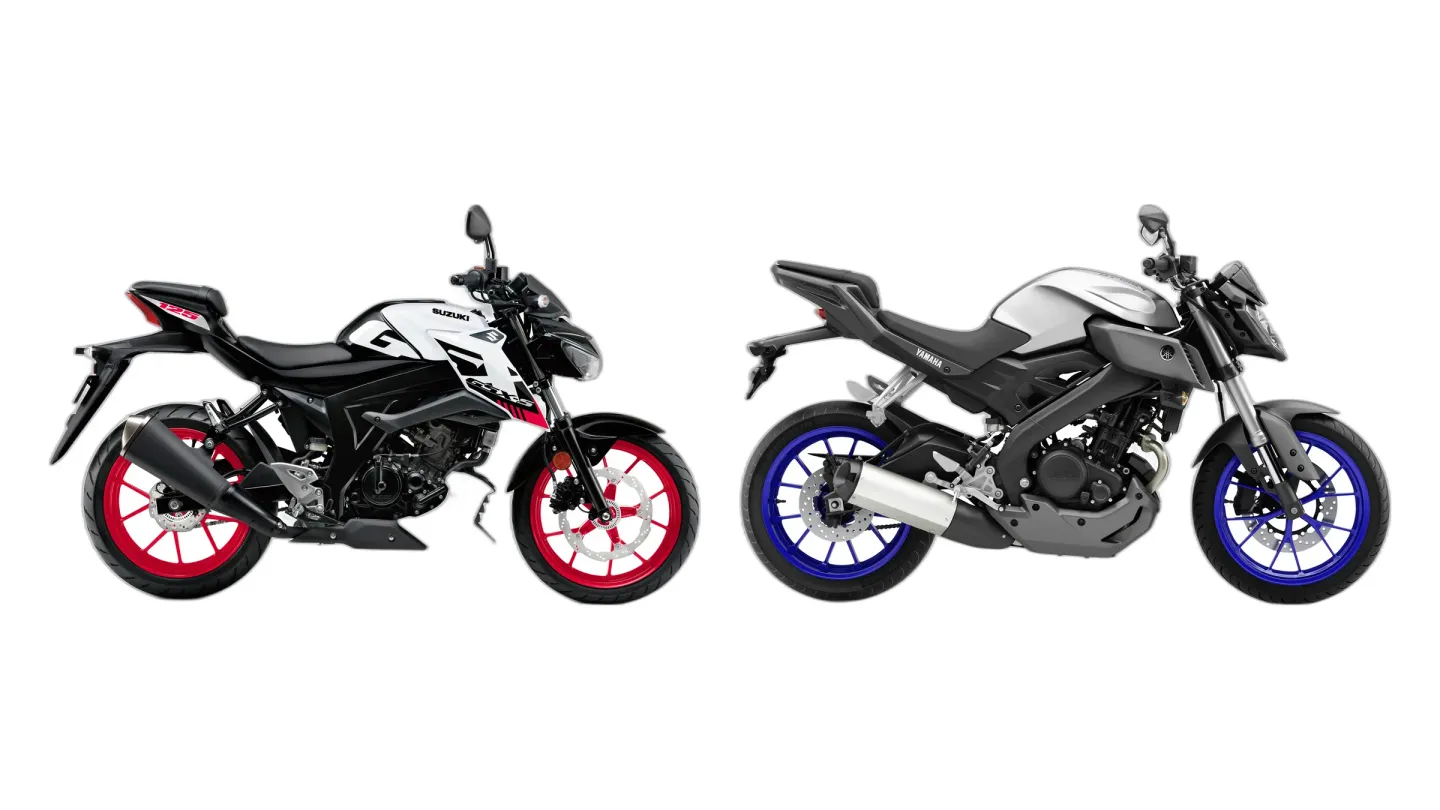
Turn into a tight bend on the Suzuki GSX-S125 and the wide bars won't fight you: it flicks onto its line. The Yamaha MT-125's narrow tires don't need coaxing, and its front falls into the turn without fuss. It forgives a misjudged entry.
So which one do you buy?
The MT-125 has the edge if…
Daily commuting & city riding
Inches ahead: MT-125
The MT-125 edges it for the daily grind. That comes from easier everyday riding. It's a small gap, not a reason on its own.
A confidence-building first motorcycle
Nose ahead: MT-125
Learning the ropes leans slightly toward the MT-125. Your own comfort on it should come first.
What makes each one tick
GSX-S125
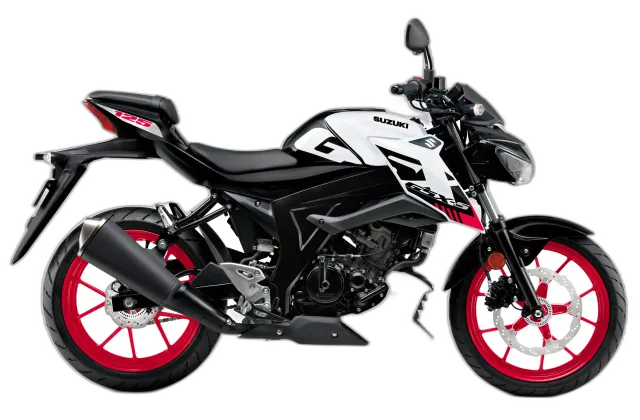
Revs come easily to the GSX-S125's single: it'll spin up to the redline and pick up crisply off a closed throttle. The clutch pull stays feather-light. On Bay Area Ridge Roads, the damping soaks up each bump and doesn't bounce back. At full lock, it'll pivot almost on the spot.
MT-125
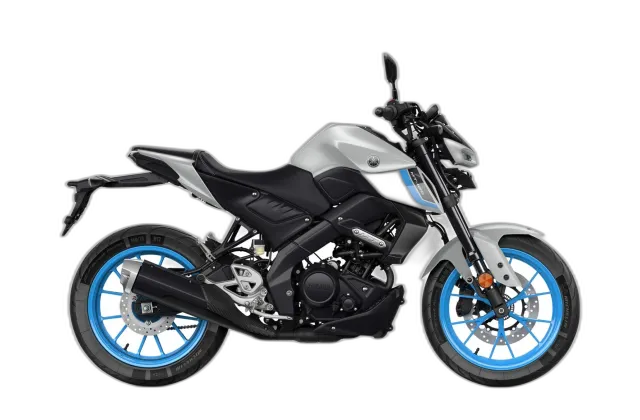
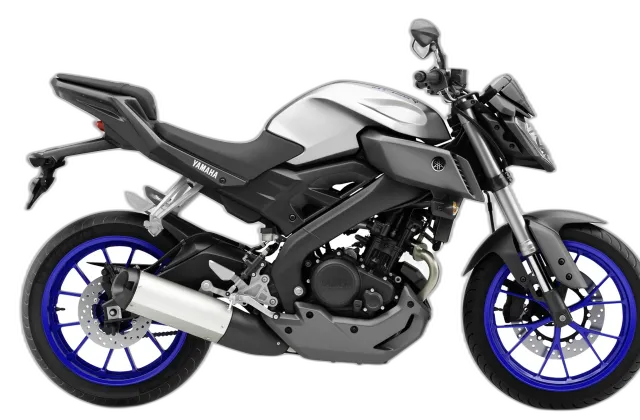
A plain steel Deltabox frame keeps the MT-125 quick to change direction around town. You'll sit upright here. Its angular bodywork wears the stance of a much bigger bike.
Nils rode the MT-125 in Austria in 2018 (1000PS test report).
The Voice of Experience

What actually separates them
- The GSX-S125 has the lower seat: 30.9 in (785 mm) vs 32.2 in (818 mm).
- The GSX-S125 has the lower wet weight: 293 lb (133 kg) vs 304 lb (138 kg).
- The MT-125 makes more peak torque: 9 lb-ft (12 Nm) vs 8 lb-ft (11 Nm).
Which one for the way you ride
Comfortable long-distance riding
Not built for this
Both of these get tiring on a long day. A proper tourer will treat you better on big miles.
There's no real gap on twisty roads and running costs. Sit on both and let fit and price decide.
Who each one is built for
What's good, and what you'll live with
GSX-S125
What owners say
Strengths
- Agile, flickable handling
- Comfortable ride quality
- Free-revving, lively engine
- Affordable purchase price
MT-125
What owners say
Strengths
- Bulletproof reliability and low running costs
- Eye-catching MT family styling
Known problems to check before you buy
GSX-S125
- Corrosion on bodywork/fasteners Some owners have observed corrosion on exposed metal parts, particularly fasteners or unpainted areas, when the bike is not treated with a protective coating.
MT-125
No confirmed faults on file yet. That's not the same as fault-free.
What they share
- Engine
- Single-cylinder
- Cooling
- Liquid-cooled
- Power
- 15 hp (11 kW)
- Peak torque at
- 8,000 rpm
- Gearbox
- 6-speed
- Final drive
- Chain
- Rear tire
- 130/70-17
Where the spec sheets split
| GSX-S125 | MT-125 | |
|---|---|---|
| Seat height | 30.9 in (785 mm) | 32.2 in (818 mm) |
| Wet weight | 293 lb (133 kg) | 304 lb (138 kg) |
| GSX-S125 | MT-125 | |
|---|---|---|
| Displacement | 124 cc | 125 cc |
| Peak power at | 10,000 rpm | 9,000 rpm |
| Torque | 8 lb-ft (11 Nm) | 9 lb-ft (12 Nm) |
| GSX-S125 | MT-125 | |
|---|---|---|
| Fuel economy | 102 mpg (US) / 2.3 L/100 km | 84 mpg (US) / 2.8 L/100 km |
| Fuel capacity | 2.9 US gal (11 L) | 3.0 US gal (11.5 L) |
| GSX-S125 | MT-125 | |
|---|---|---|
| Fork | Telescopic | Upside-down (USD) |
| Front tire | 90/80-17 | 100/80-17 |
What comes fitted, what costs extra
| GSX-S125 | MT-125 | |
|---|---|---|
| ABS | Standard | Option |
| Manually Adjustable Rear Suspension | Not offered | Standard |
| LED Headlight | Standard | Not offered |
Head to head, area by area
Both bikes on the same scale, one area at a time.