By NastyNils·
Motorcycle comparison · Hyper Naked
Kawasaki Z H2 (MY2020) vs Ducati Streetfighter V4 (MY2020)
Kawasaki Z H2 vs Ducati Streetfighter V4: which one's easier to live with every day.
You'll crack the throttle on the Kawasaki Z H2 and hear its supercharger whine, yet it'll lug along in top gear without a grumble. The Ducati Streetfighter V4 saves its best for high revs.
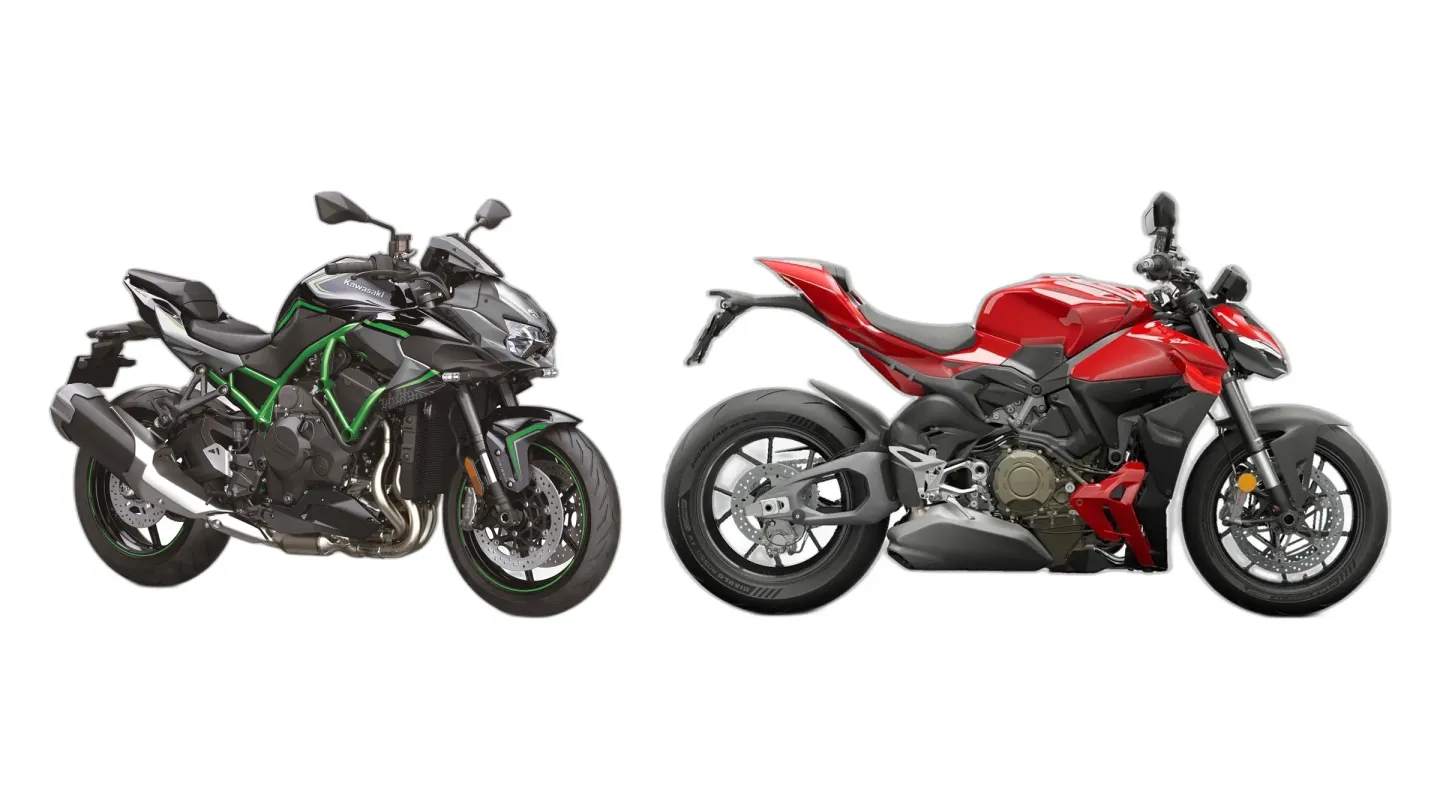
So which one do you buy?
The Z H2 has the edge if…
Daily commuting & city riding
Small edge: Z H2
The Z H2 edges it for the daily grind. Credit simpler maintenance. It's a small gap, not a reason on its own.
The Streetfighter V4 has the edge if…
Racetrack use
Edges it: Streetfighter V4
On a circuit, the Streetfighter V4 feels a little sharper. Thank more suspension adjustment and a sportier chassis for that. The margin is thin, and setup can close it.
Sporty riding on twisty roads
Nose ahead: Streetfighter V4
In the twisties, the Streetfighter V4 asks a bit less of you to go quickly. What tips it: better suspension and more feel through the bars. Call it a modest edge.
Which one's the smarter buy
Value's a wash
At these used prices, neither bike is the clear better buy for the money.
What makes each one tick
Z H2
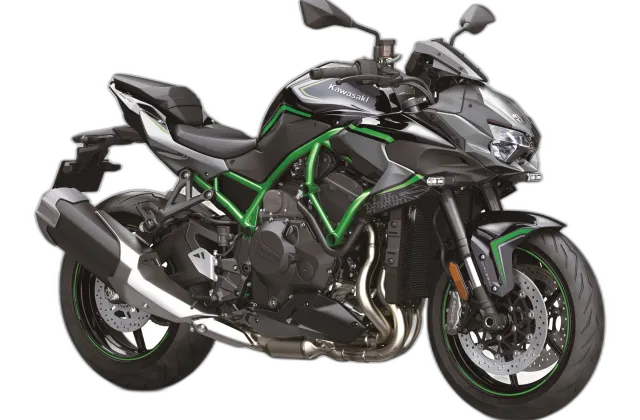
For all its force-fed muscle, the Z H2's inline-four pulls smoothly from low on the tach, and it'll potter through town without complaint. Its 527 lb (239 kg) wet weight keeps the nose from twitching at high speed. Quick flicks don't come cheap. The brake lever calls up Brembo stoppers that rein in all that bulk without drama. Every stop ends with the supercharger's chirp.
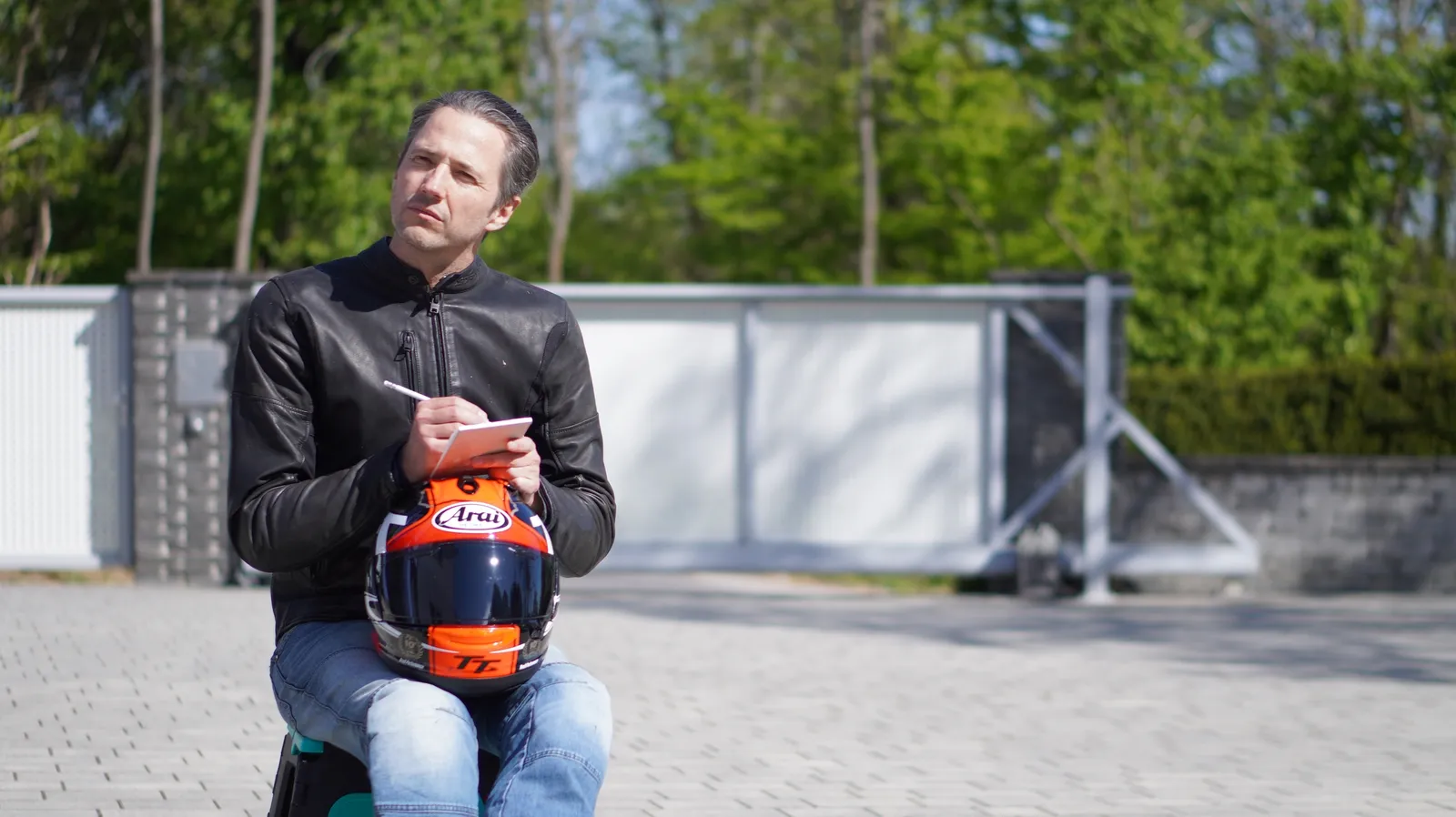
Nils rode the Z H2 in Austria in 2020 (NastyNils Testride).
Streetfighter V4
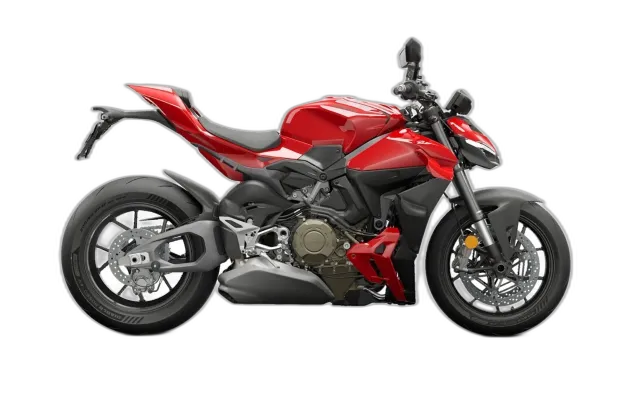
On the Angeles Crest Highway, it's a nudge on the one-piece motocross-style bar that swings its 443 lb (201 kg) into corner entry. The lean keeps coming. Biplane wings and the Joker face keep it unmistakable.
Nils rode the Streetfighter V4 in Austria in 2020 (NastyNils Testride).
The Voice of Experience
What actually separates them
- The Z H2 has the lower seat: 32.7 in (830 mm) vs 33.3 in (845 mm).
- The Streetfighter V4 has the lower wet weight: 443 lb (201 kg) vs 527 lb (239 kg).
- The Z H2 makes more peak torque: 101 lb-ft (137 Nm) vs 91 lb-ft (123 Nm).
Which one for the way you ride
Comfortable long-distance riding
Neither is a natural fit
Hours in the saddle won't flatter either of these. They're happier on shorter runs.
There's no real gap on character. Sit on both and let fit and price decide.
Who each one is built for
What's good, and what you'll live with
Z H2
What owners say
Strengths
- Distinctive supercharger sound
- Excellent electronics package
- Surprisingly compliant road manners
Trade-offs
- Heavy weight blunts agility
Streetfighter V4
What owners say
Strengths
- Class-leading peak power and track pace (V4 S)
- Surprising street civility for the spec sheet
Trade-offs
- Tall seat height
- Throttle abruptness in Sport / Race modes
Known problems to check before you buy
Z H2
No confirmed faults on file yet. That's not the same as fault-free.
Streetfighter V4
- Quickshifter (DQS) missed upshifts and Gear Position Sensor failure Two related symptoms reported across MY2020–2024 units. (a) The DQS misses upshifts intermittently — most often 3→4 and 4→5 — and occasionally finds neutral on a missed shift. (b) The Gear Position Sensor (GPS, mounted on the engine case) can fail under heat exposure, requiring replacement and a Ducati Diagnostic System (DDS) relearn procedure. Downshift function intermittently fails when the GPS is degraded. Quickshifter problems are among the predominant issues reported by owners of MY2023 units. Service-bulletin DDS updates reportedly improve part-throttle quickshifter feel.
- Rear wheel axle recall (NHTSA 25V570) Recall 25V570000 The rear wheel axle could lose its structural integrity and break, leading to a loss of motorcycle control. A safety recall was issued covering 2020-2022 Streetfighter V4 motorcycles; dealers replace the rear wheel axle free of charge.
- Water pump shaft seal weeping coolant via designed external "weep hole" The water pump shaft seal weeps coolant via a designed external weep hole in the V of the engine — early-2020-build pumps channelled this leak into the V (risking oil contamination), and a later revision adds tubing routing the drip out below the bike. Multiple owners report onset within the first months or first 600 miles (1,000 km) of use. Pump replacement has been reported within the first month of ownership on MY2021 units. Replaced under warranty when reported in time.
- Twitchy / abrupt initial throttle pickup in Sport and Race ride modes Sport mode (medium power, progressive ride-by-wire) and especially Race mode (full power, direct ride-by-wire) produce an abrupt initial throttle pickup — owners describe a small dead-band followed by a surge in the first inch of throttle travel. More noticeable on the Streetfighter than on the Panigale V4 because of the upright posture (rider's mass over the bars amplifies any abruptness). Common owner mitigation: select Sport-with-Low power mode for street, custom ECU flash (Woolich), or aftermarket exhaust + remap. Not a defect — a calibration trait.
- Rear-cylinder heat radiating into rider's thigh and seat area Heat from the rear cylinder bank radiates through slits beside the seat. Owners report calf and inner-thigh discomfort, and in extreme cases burns, in stop-and-go traffic and ambient temperatures above 77°F (25 °C). Some owners report symptoms after a 20-minute ride. Cylinder deactivation at standstill helps at sustained idle (long red lights) but not in slow-rolling stop-and-go. Mitigations cited in the community: aftermarket frame heat covers (Lieb-Speed), heat-shield tape under exhaust covers, full Akrapovič exhaust (better airflow).
- Battery drain when DDA stick or tracker module is left connected during parking The Ducati Data Analyser USB stick, when left plugged in, draws current during parking and drains the battery within 1–2 weeks of inactivity. Aftermarket trackers / alarm modules add to drain. Ducati issued an internal dealer-bulletin email instructing owners to remove the DDA when not riding. A trickle charger or a battery tender is required for storage longer than approx. one week with DDA installed.
What they cost used
These prices compare a 5-year-old Z H2 with a 5-year-old Streetfighter V4.
- Z H2
- about $17,200
- Streetfighter V4
- about $17,000
What they share
- Cooling
- Liquid-cooled
- Gearbox
- 6-speed
- Final drive
- Chain
- Fork
- Upside-down (USD)
- Front tire
- 120/70-17
Where the spec sheets split
| Z H2 | Streetfighter V4 | |
|---|---|---|
| Seat height | 32.7 in (830 mm) | 33.3 in (845 mm) |
| Wet weight | 527 lb (239 kg) | 443 lb (201 kg) |
| Z H2 | Streetfighter V4 | |
|---|---|---|
| Displacement | 998 cc | 1103 cc |
| Engine | Inline-four | V4 |
| Power | 200 hp (147 kW) | 208 hp (153 kW) |
| Peak power at | 11,000 rpm | 12,750 rpm |
| Torque | 101 lb-ft (137 Nm) | 91 lb-ft (123 Nm) |
| Peak torque at | 8,500 rpm | 11,500 rpm |
| Z H2 | Streetfighter V4 | |
|---|---|---|
| Fuel capacity | 5.0 US gal (19 L) | 4.2 US gal (16 L) |
| Z H2 | Streetfighter V4 | |
|---|---|---|
| Rear tire | 190/55-17 | 200/60-17 |
| Wheelbase | 57.3 in (1455 mm) | 58.6 in (1488 mm) |
What comes fitted, what costs extra
| Z H2 | Streetfighter V4 | |
|---|---|---|
| Electronic Suspension | Not offered | Option |
| Steering Damper | Not offered | Standard |
| Cruise Control | Standard | Not offered |
| Smartphone Connectivity | Standard | Option |
| USB Charging Port | Option | Not offered |
| Tire Pressure Monitoring (TPMS) | Not offered | Option |
Head to head, area by area
Both bikes on the same scale, one area at a time.