
Kawasaki Versys 1000 (LZT00C-SE) — Tourer
Kawasaki Press

2022 · Tourer · A variant of the Versys 1000

Versys 1000 SE (LZT00C-SE)

Differences between the standard Versys 1000 and the SE

4.5 / 5 NastyNils Rating · against its class

Reliable Miles, Sorted Electronics

The Machine's Character

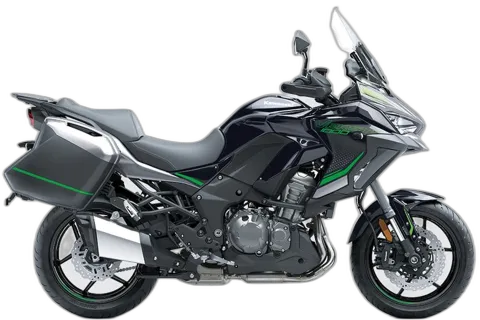
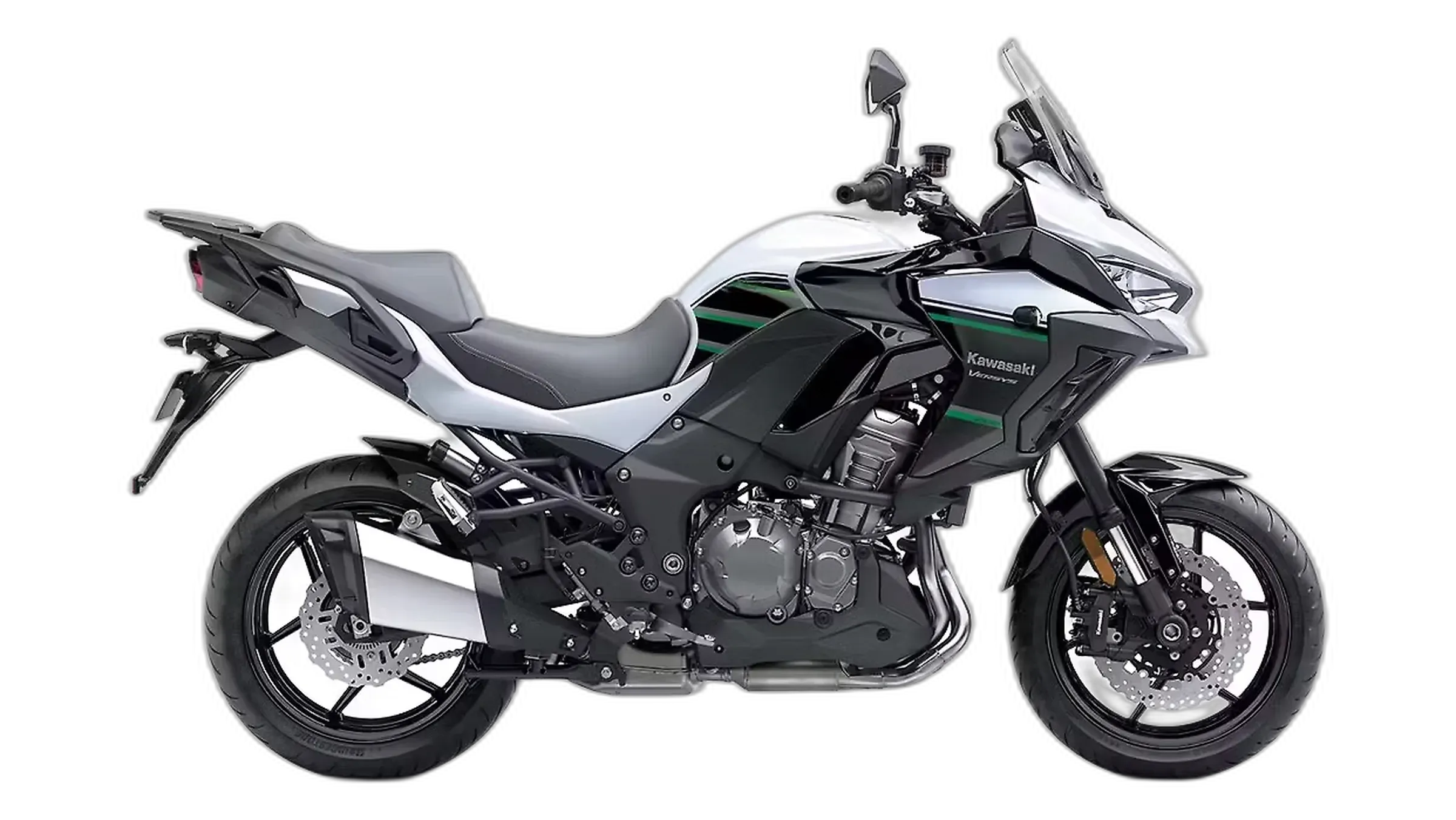
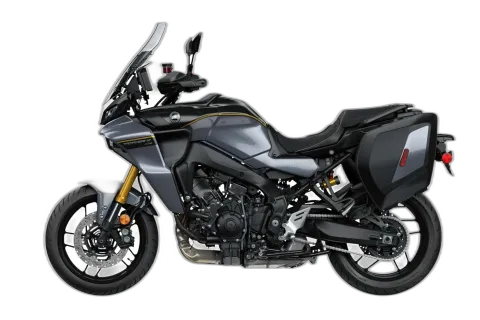
A 1043 cc inline-four in a tall touring chassis: that's the idea behind the Versys 1000 SE. The engine comes from Kawasaki's Ninja family and makes 120 hp at 9,000 rpm and 75 lb-ft at 7,500 rpm. It sits in an aluminum twin-spar frame and rolls on 17-inch road tires front and rear. The SE trim builds on the standard bike's equipment with electronic suspension, a quickshifter that works up and down, a TFT display, smartphone connectivity and cornering lights. Cornering ABS, traction control, ride modes and cruise control are all on board. Nothing here is exotic. It's just complete.

Read the spec sheet and the purpose is clear: this is hardware for long days on pavement. A 5.5 gal (21 L) tank, an adjustable windscreen, cruise control and a 59.8 in (1520 mm) wheelbase all point to distance. The 567 lb (257 kg) wet weight is normal for a tourer and no reason to mark it down. The seat sits at 33.1 in (840 mm). Heated grips are standard. The luggage system is an option, so plan for it if you travel loaded. On paper this fits you if you want an inline-four and road-size tires on a bike built for highways and mountain passes. An honest Kawasaki recipe!

Hard Numbers

Spec sheets don't ride bikes, but they set the baseline.

Show full specs & equipment Hide specs & equipment
Key specifications
Power 120 hp (88 kW) @ 9,000 rpm
Torque 75 lb-ft (102 Nm) @ 7,500 rpm
Displacement 1043 cc
Engine Inline-four
Cooling Liquid-cooled
Gearbox 6-speed
Final drive Chain
Front tire 120/70-17
Rear tire 180/55-17
Wheelbase 59.8 in (1520 mm)
Seat height 33.1 in (840 mm)
Wet weight 567 lb (257 kg)
Fuel capacity 5.5 gal (21 L)

Equipment check

Chassis

  • Electronic Suspension Standard
  • Front Suspension Adjustable Standard
  • Rear Suspension Adjustable Standard
  • Cruise Control Standard

Comfort

  • Heated Grips Standard
  • Adjustable Windscreen Standard
  • Luggage System Optional

Connectivity

  • TFT Display Standard
  • Smartphone Connectivity Standard

Safety

  • ABS Standard
  • Cornering ABS Standard
  • Traction Control Standard
  • Ride Modes Standard

What the Versys 1000 SE Adds — Differences vs the Standard Versys 1000

The Versys 1000 SE (LZT00C-SE) builds on the standard Versys 1000: the upgraded hardware, the key spec changes and where its character shifts. The full ride, specs, scoring and verdict are all right here on this page.

Equipment the SE adds vs the standard Versys 1000

Now standard
Heated GripsSmartphone Connectivity

Premium hardware the SE brings

  • Suspension Electronic Suspension Semi-active electronic suspension that adapts its damping on the move — the standard runs conventional, manually-set suspension.
  • Transmission Quickshifter Down An up-and-down quickshifter for clutchless downshifts; the standard blips on upshifts only.
  • Display TFT Display A full-colour TFT instrument display in place of the standard's simpler dash.
  • Lighting Cornering Lights Cornering lights that fill in the dark as you lean, where the standard runs fixed beams.
  • Transmission Quickshifter Up A quickshifter for clutchless upshifts the standard goes without.

How the SE shifts the character

Where the SE does more
  • A richer, more connected tech suite
  • More suspension adjustment to dial in
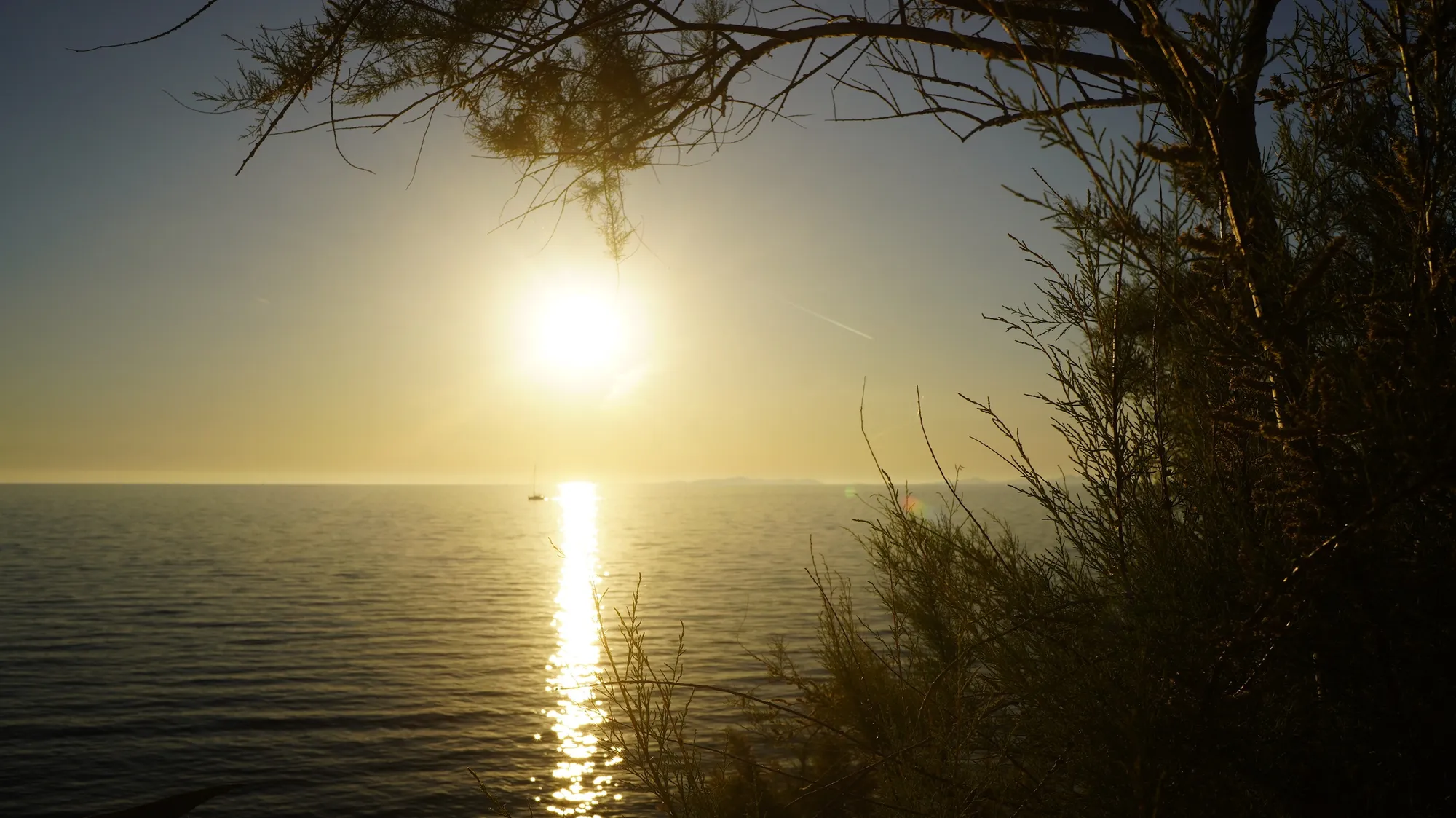
Sunset over the Adriatic Sea near Primosten, Croatia. Golden hour light bathes calm water in warm tones, with a small sailboat on the distant horizon. Rocky vegetation frames the right foreground. Clear skies and gentle conditions.

The Truth on the Street

For years I've listened to what riders tell me about their bikes: in the paddock, at club nights, in owner chats and in the emails and messages that land in my inbox. For the Versys 1000 the picture is consistent: owners talk about comfort, a smooth four and a lot of equipment for the money, and the complaints circle around suspension refinement, weight and the display.

Comfort and a willing four

Comfort carries most conversations. Riders consistently describe an upright riding position, a plush ride and enough weather protection to spend whole days on the road, and passenger comfort gets praise too. The engine comes up just as often: owners call it easy in traffic and deceptively quick once the road opens up. Handling follows a little further back. Those who mention it describe a planted bike that's agile for its size and stable at speed. Confidence is the word that keeps coming back.

A lot of bike for the money

The electronics are a recurring point of praise: riders say the rider aids and cruise control make the bike safer and easier to live with. Value comes up nearly as often. Owners feel they get a lot of motorcycle for the price, and many point out that it undercuts European rivals. Touring riders also talk up the available panniers and heated grips as the kit that gets the bike ready for long trips. Fair money, full package.

Where the polish runs out

The gripes are just as consistent. Riders describe the suspension as plush but sometimes wallowy, and short of the refinement they find on premium rivals. The display draws criticism for being small and low on resolution. Some owners also bring up the weight: you feel it when maneuvering at low speed, on uphill stretches and with a full load. Owners don't hide it.

Known issues

  • Plastic buzz at mid‑range rpm

    bodywork occasional

    A harmonic vibration in the fairing around 3 500 rpm can produce an annoying buzz; typically not a fault and can be mitigated with dampening.

  • Stock seat discomfort on long rides

    bodywork common

    The standard seat can become uncomfortable after approximately two hours of continuous riding, prompting many owners to fit aftermarket cushions or custom seats.

  • Clutch judder when pulling away

    drivetrain occasional

    During the first few hundred miles, some owners noticed a slight clutch judder on take-off. The issue usually disappears as the clutch beds in and requires no intervention.

The Expert Benchmark

Where this Kawasaki Versys 1000 pulls ahead of — or falls behind — its rivals on the numbers, and the typical bike in its class on character.

What kind of bike this is — character vs. the class

This bike Class average

The shape of the Kawasaki Versys 1000 — numbers and character vs. the average Tourer

Head-to-head: Kawasaki Versys 1000 vs. its rivals

The Long-Haul Verdict

Forget spec-sheet bragging. Here's who the Versys 1000 is actually built for.

Aerial view of a winding asphalt road cutting through volcanic terrain on La Gomera, Canary Islands. The road curves through sparse green vegetation with rocky volcanic peaks visible in the background and a settled valley to the left. Clear lane markings, dry climate, partly cloudy sky.

Best touring motorcycle for long distance?

Of the three riders here, you're the best fit: a 5.5 gal (21 L) tank, cruise control and electronic suspension are built for long, loaded days. Luggage is an option, so add it.

Made for Beartooth Highway · Blue Ridge Parkway · Going-to-the-Sun Road
Best motorcycle for Highway 1?

A strong match: a 120 hp inline-four, 17-inch road tires and a two-way quickshifter suit curvy day stages. Know that the stock seat can get uncomfortable after about two hours in one stretch.

Made for Highway 1 / Big Sur · Black Hills · Blue Ridge Parkway

Best motorcycle for Tail of the Dragon?

A fair match, not the natural one. Cornering ABS, traction control and adjustable electronic suspension back you up on technical roads, but 567 lb (257 kg) wet is touring mass, not a lightweight.

Made for Tail of the Dragon · Back of the Dragon · Blue Ridge Parkway

Alternatives to the Kawasaki Versys 1000

If this one isn't quite the fit, these are the bikes worth riding back-to-back against it.

Any price note compares both bikes at the same age — the youngest age both have on the used market — against this Kawasaki Versys 1000. “cheaper/pricier” is what that bike costs second-hand, not how worn it is.