BMW HP2 Sport (MY2008) — Supersport
NastyNils / BMW Press

2008–2011 · Supersport · Buyer's Guide

HP2 Sport (MY2008)

Hand-Built Boxer Built Right

The Machine's Character

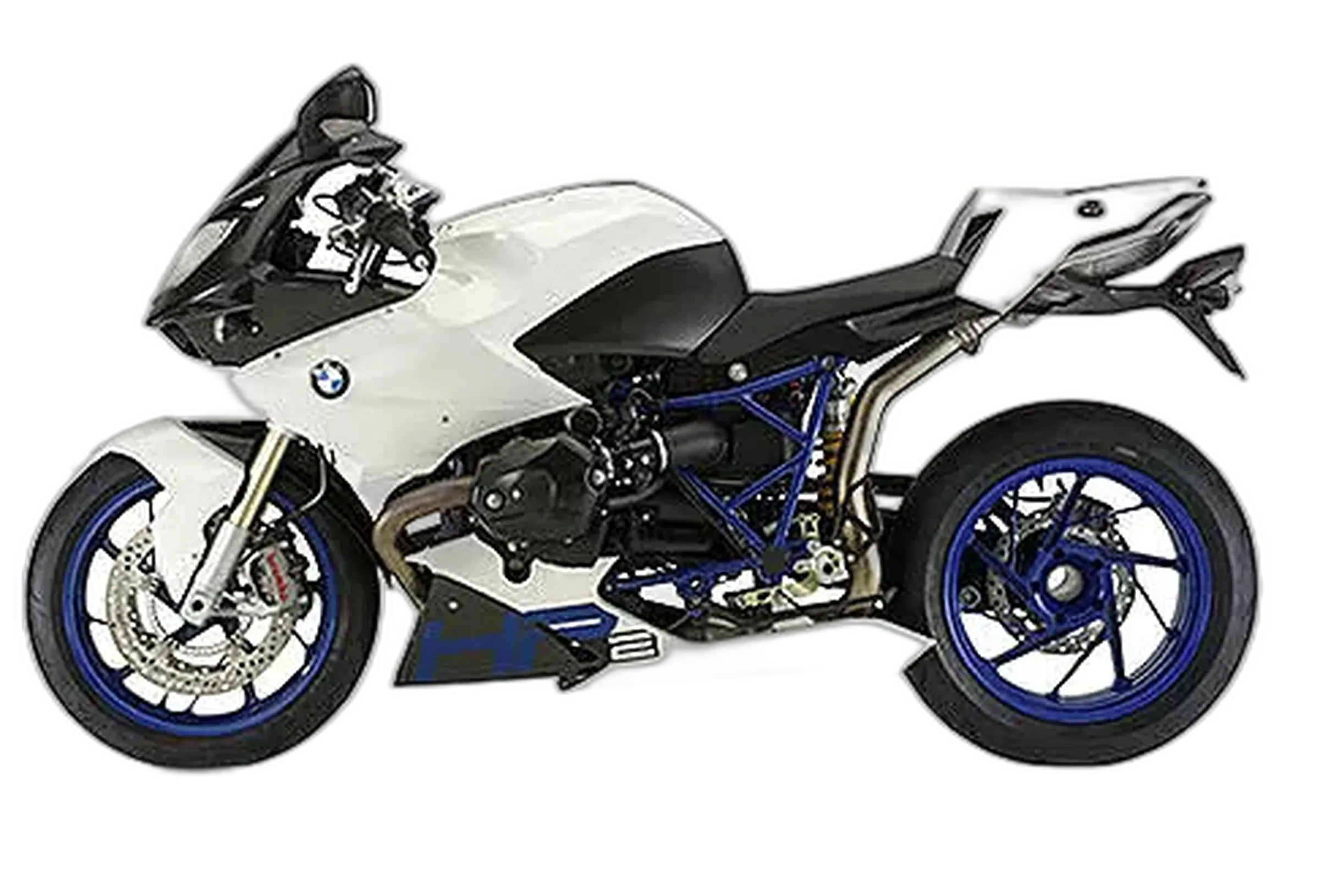
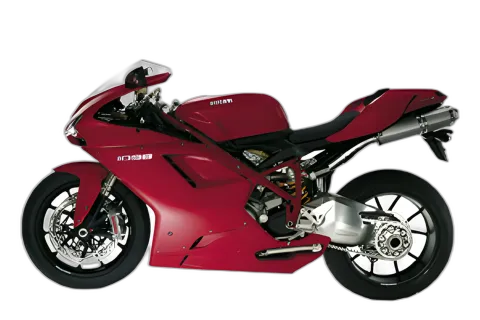
The HP2 Sport is BMW at its most uncompromising: a hand-built supersport wrapped around the most powerful air-cooled boxer of its day, a 1170cc twin making 133 hp and 85 lb-ft. Carbon bodywork front and rear, forged wheels, a machined triple clamp, and adjustable footpegs come standard, not as options. The Telelever front and BMW Paralever rear pair with shaft final drive and radial-mount Brembo Monoblock brakes, and a factory quickshifter ties the package together. Pick up almost any component and it feels like it came off a race bike, because most of it effectively did.

On the road it rewards riders who prize precision over raw aggression. High-speed stability is exceptional, it holds a chosen line without drama, and the shaft drive feeds power down so cleanly you can roll on early. That makes it a natural for track-day regulars and canyon riders who want a quick, deeply built machine they can trust at pace. The honest caveat is geometry. The boxer cylinder heads touch down sooner than narrower engines allow, and the rev ceiling arrives before you'd like, so longer, faster bends can leave you wishing for one more gear of headroom.

Hard Numbers

Spec sheets don't ride bikes, but they set the baseline.

Show full specs & equipment Hide specs & equipment
Key specifications
Power 133 hp (98 kW) @ 8,750 rpm
Torque 85 lb-ft (115 Nm) @ 6,000 rpm
Displacement 1170 cc
Engine Flat-twin (boxer)
Cooling Air-cooled
Gearbox 6-speed
Final drive Shaft
Fork Telelever
Front brake 320 mm
Front tire 120/70-17
Rear tire 190/55-17
Seat height 32.7 in (830 mm)
Wet weight 439 lb (199 kg)
Fuel capacity 4.2 gal (16 L)
Top speed 155 mph (250 km/h)
Fuel economy 29 mpg (US)

Equipment check

Chassis

  • Front Suspension Adjustable Standard
  • Rear Suspension Adjustable Standard

Drivetrain

  • Quickshifter Standard

Safety

  • ABS Optional

Signature Tech

The named systems that set this bike apart — and what each one does for you.

Drivetrain

  • BMW ParaleverStandard
    • Acceleration stability
    • Brake dive control
    • High speed stability
    • Reduced unsprung rotating mass

The Voice of Experience

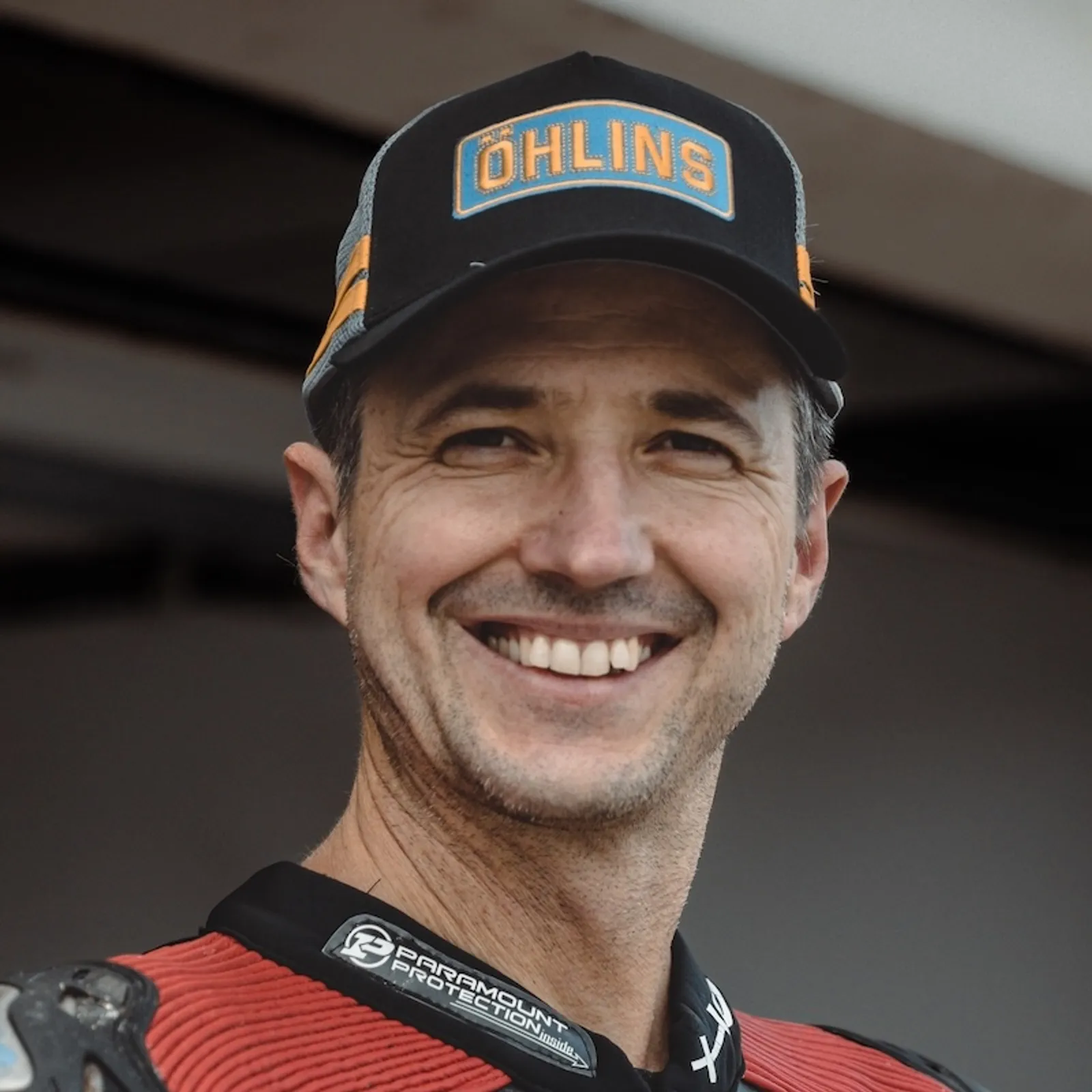
Portrait of NastyNils

The test ride

Swing a leg over and the first surprise is how civil it is. The knee angle stays open, the wrists sit neutral, and after a hard fifteen-minute session you step off fresh rather than folded up and aching, which almost never happens on a sport bike at a circuit. The soundtrack is pure boxer, a hard mechanical bark that cuts for a split second on every clutchless upshift and then loads straight back up. Brake feel reaches your fingertips with nothing servo-assisted standing between you and the pavement. Come in hot over a bump and the front stays composed instead of diving, so your hands aren't fighting the bar mid-corner. After the session the cockpit reads back how long you spent pinned versus on the brakes. It feels like a tool, not a toy.

Rated point by point — where it earns its keep

My own 0–100 score for this bike against the class, area by area — the marker on each bar is the class average.

Three things define how this bike works through a corner. The first is the front. Brake hard on the way in and the Telelever keeps the suspension doing its actual job instead of collapsing, so when you catch a bump mid-corner with the brakes still on, the chassis swallows it whole. On a normal fork you'd already be half-compressed, taking that hit on whatever grip the tire had left. The second is repeatability: tip it into a fast sweeper at full lean, hold the throttle pinned, and it parks itself on one line with the same exit marker every lap, no drift creeping in. The third is the rear. The shaft drives the back wheel down into the surface under power, steady and clean, so on good asphalt I trusted the grip and opened up early. The one real wall is clearance. The boxer's heads ground out before a narrow engine would, and you ride around that rather than cure it.

This is a race brake package with nothing softening it. No servo, no ABS dulling the lever, just a radial master cylinder feeding a radial-mount Brembo Monoblock. Squeeze and the answer comes straight back: you feel precisely what's happening where rubber meets road, no lag, no guessing. On a bike this quick that directness is the whole point. It lets you brake deep and stay confident, your fingers fully informed every foot of the way in.

Hand it to an everyday rider and the lap times still stack up against far bigger machines. The interesting part is what it does to people: riders who used to back off after the apex were getting on the gas sooner and leaning harder, not from new nerve but because the bike permitted it. The cockpit logs you too, reading back time at full throttle against time on the brakes, dumping to a laptop, with optional GPS and pit-lane timing on top. Treat a track day as training and it doubles as a coach.

The quickshifter is the standout. Ask for the next gear at any throttle, any rpm, and it drops straight in with one hard mechanical crack before the motor piles back on. Most factory units never get this right. The limit is up top. There's more over-rev than the old boxers gave, but the ceiling still arrives early, and through a long, fast bend I kept wanting to hold the gear and spin it higher rather than shift up and upset the bike's balance. On the right corner that costs real time.

What stands out on reliability is that nothing was cheapened to make a number. The triple clamp is machined, the pegs adjust, the wheels are forged, the bodywork carbon front and rear, and each choice is there to do a job, not to dress the bike up. Pick up any component and the quality is plain the moment it's in your hands, the way volume-built sportbikes never quite manage. That runs through the whole machine, not just the obvious parts, and a bike built like this tends to hold up over the long run.

You're not folded into a race tuck here. The knee angle stays open and your wrists sit neutral, so the bike doesn't grind you down over a session the way a hard riding position does. Even the older guys walked away loose instead of sore, which is rare at a circuit. The bigger surprise was adaptation: riders raised on chains and conventional forks used to need ages to gel with an old boxer, and here that learning curve is much shorter. It always feels distinct, but you quit fighting it fast.

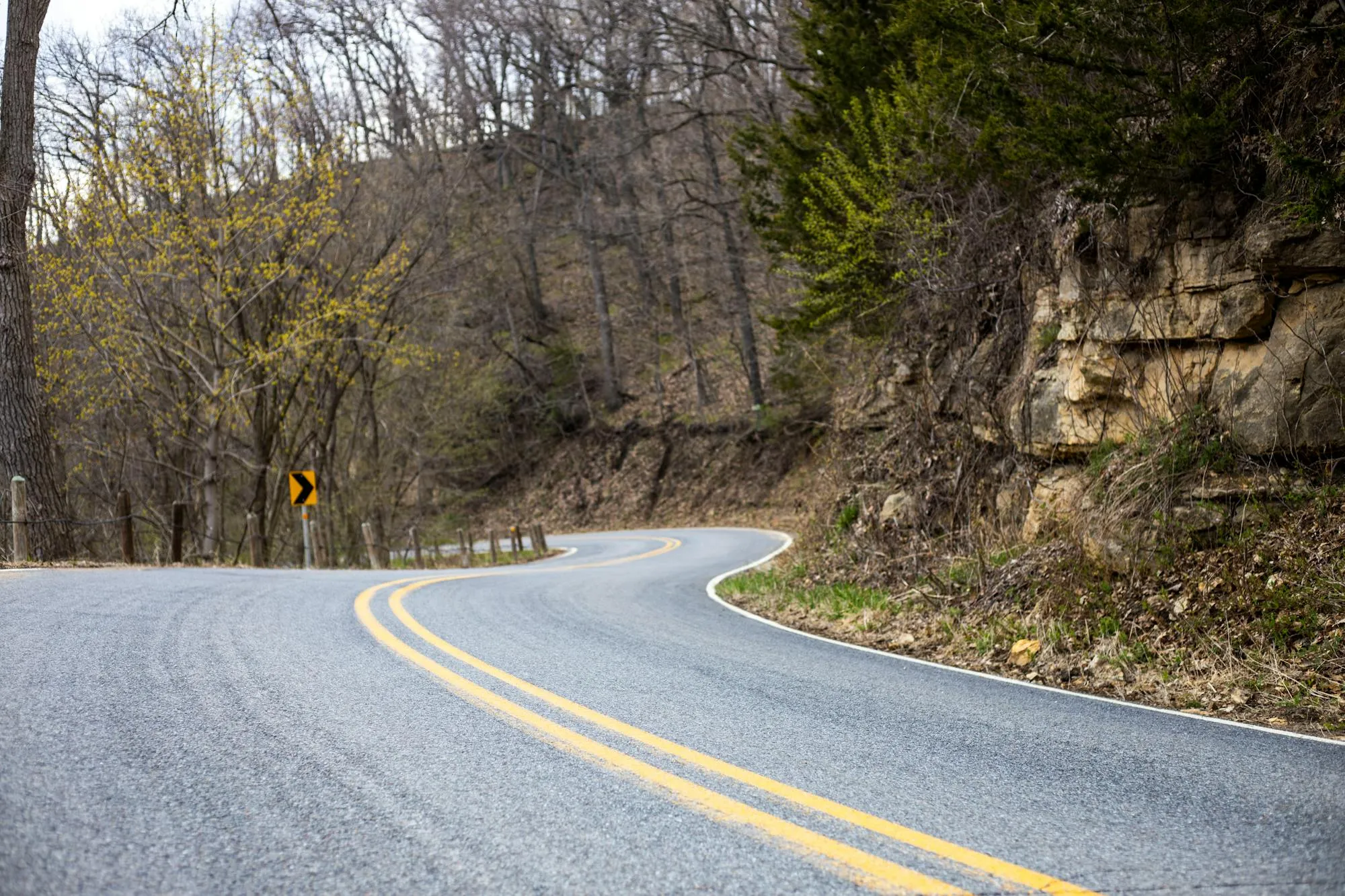
A winding two-lane asphalt road in the Appalachian mountains, photographed in dry daylight. Yellow double-center line markings guide through a series of tight left-hand curves. Dense deciduous and evergreen forest flanks both sides; a rock cut is visible on the right. The road surface and geometry suggest a technical, high-traffic riding corridor popular with motorcyclists.
Chris Flaten / Pexels

The Truth on the Street

Known issues

  • Fuel pump flange may leak

    fuel systemoccasionalRecall

    A potential crack in the fuel pump flange can lead to a fuel leak. BMW issued a recall (NHTSA 20V471) to replace the fuel pump assembly. Affected HP2 Sport models from 2007–2010.

  • Throttle hesitation at higher mileage

    engineoccasional

    Some owners report a stumble or hesitation when opening the throttle, often linked to fouled throttle bodies or degraded sensors on higher-mileage bikes.

The Expert Benchmark

Where this BMW HP2 Sport pulls ahead of — or falls behind — its rivals on the numbers, and the typical bike in its class on character.

What kind of bike this is — character vs. the class

This bike Class average

The shape of the BMW HP2 Sport — numbers and character vs. the average Supersport

Head-to-head: BMW HP2 Sport vs. its rivals

The Handshake Score

Forget spec-sheet bragging. Here's who the HP2 Sport is actually built for.

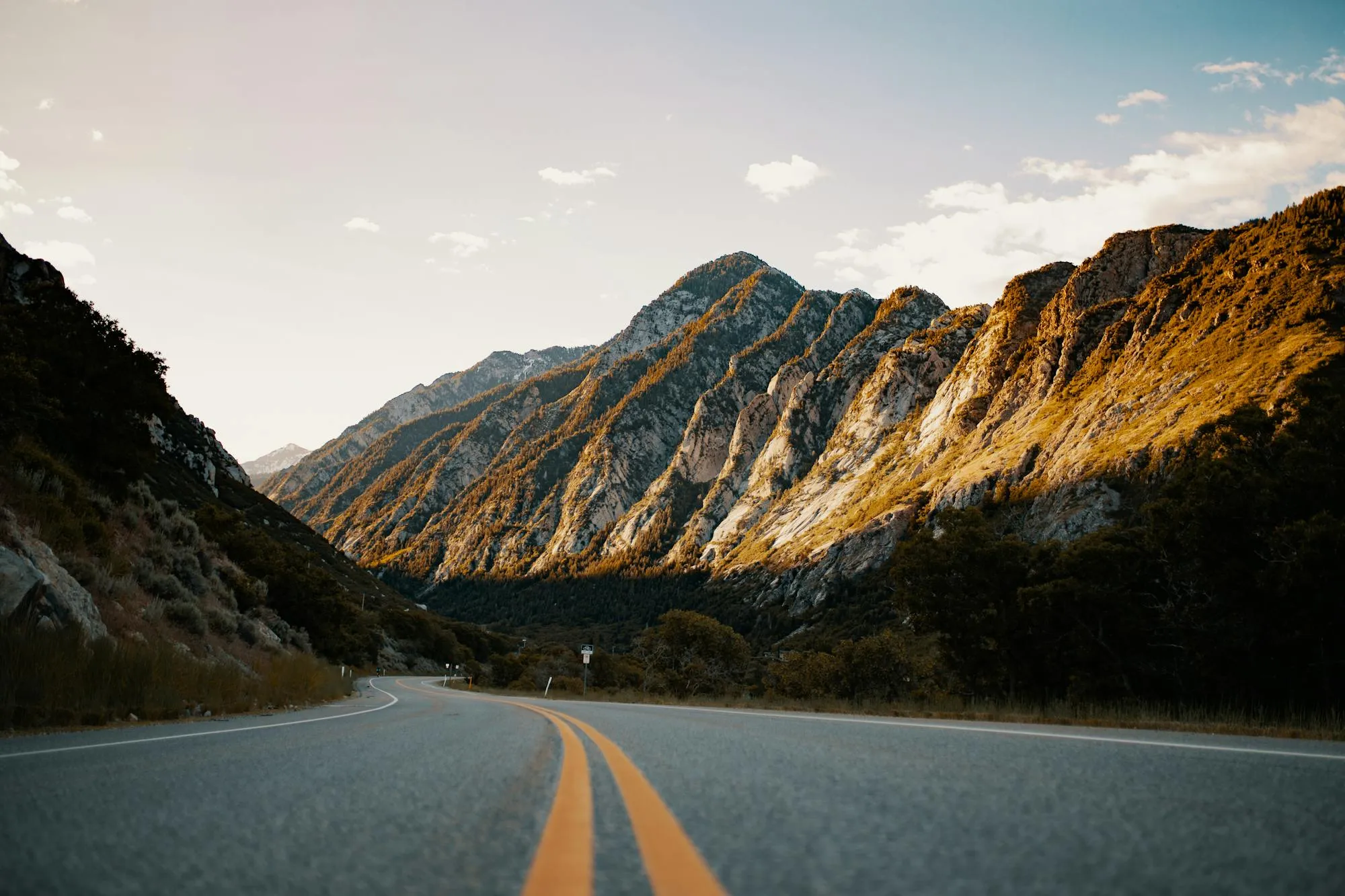
A scenic view of Angeles Crest Highway winding through rugged Southern California canyon terrain. Rocky mountainsides with golden earth tones frame the asphalt road with tight sweeping curves. Double yellow center line visible, sparse vegetation along the shoulders, clear blue sky with white clouds. Daylight, dry conditions. Iconic location for canyon-road enthusiasts.
Josh Sorenson / Pexels

Best motorcycle for Tail of the Dragon?

On the Dragon and Cherohala this rewards clean technique over speed. Light, precise, and forgiving enough to push your skill, it lets you commit earlier, though the cylinder heads will limit you in the tightest hairpins.

Made for Back of the Dragon · Blue Ridge Parkway · Cherohala Skyway
Best motorcycle for Angeles Crest?

For Angeles Crest pace it's precise and unflappable, holding its line through fast sweepers without fuss. Just respect the lean clearance, because the boxer heads touch down sooner than you'd expect in the tightest stuff.

Made for Angeles Crest Highway · Coronado Trail / US 191 · Highway 1 / Big Sur

Best motorcycle for Laguna Seca?

If your weekends are GP circuits and apex precision, this fits. The stability and brake feel let you commit deeper and step off fresh, though the lean limit and rev ceiling will eventually cap your fastest laps.

Made for Barber Motorsports Park · WeatherTech Raceway Laguna Seca · Circuit of the Americas

Alternatives to the BMW HP2 Sport

If this one isn't quite the fit, these are the bikes worth riding back-to-back against it.

Any price note compares both bikes at the same age — the youngest age both have on the used market — against this BMW HP2 Sport. “cheaper/pricier” is what that bike costs second-hand, not how worn it is.