
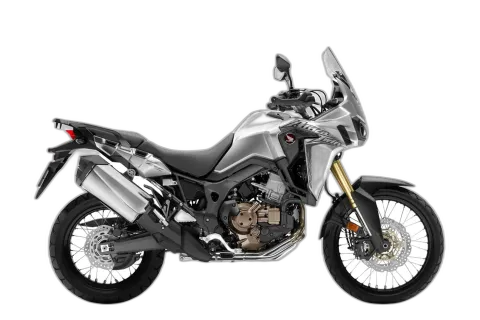
Honda FMX 650 (RD12) — Supermoto
NastyNils / Honda Press

2005–2007 · Supermoto · Buyer's Guide

FMX 650 (RD12)

Honda's Fun Lightweight Flickable Thumper

The Machine's Character

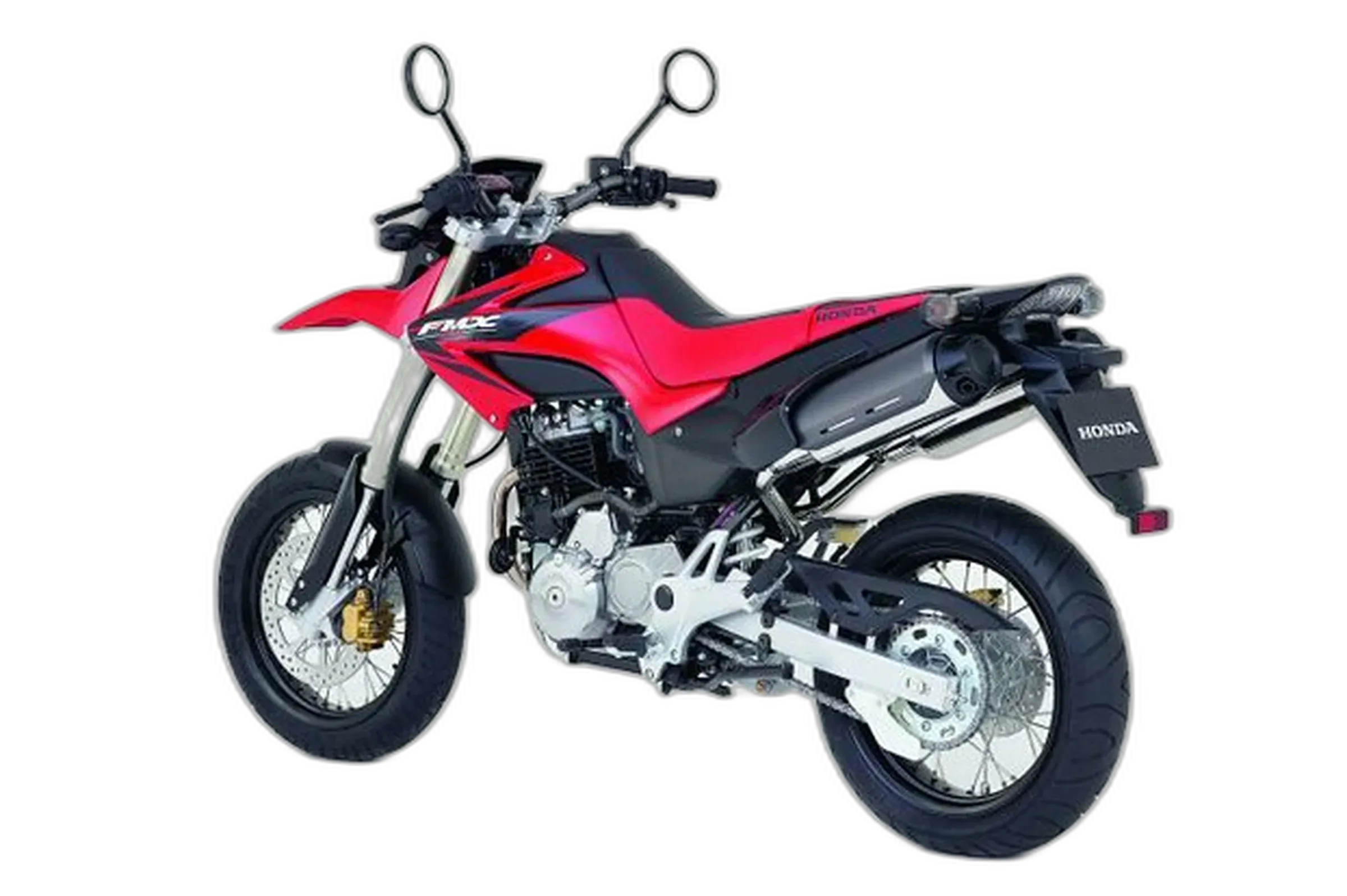
Honda built the FMX 650 on its long-running RFVC single, a 644cc air/oil-cooled thumper making 38 hp and 38 lb-ft that peaks low and pulls clean from just off idle. Wrap that in a steel double-cradle frame, 17-inch supermoto wheels and an inverted fork, and you get a budget-minded take on the supermoto idea. The character is honest about what it is: closer to a stylish urban single than a hardcore tarmac tool. Light steering, a flickable chassis and torque you can lean on make it approachable rather than intimidating, and that is the whole point of the machine.

It rides easy and ages well. That RFVC motor has a long service record behind it, so used examples still trade on trust rather than hope. The accessible seat and sensibly scaled controls open it up to smaller and newer riders the category usually ignores, and the low running costs keep ownership painless. The honest caveat: the top-end has been strangled by regulation, the gearing sits too tall, and under-seat storage is almost nonexistent. If you want a corner-happy single for town and tight roads, it fits. If you chase outright speed, look elsewhere.

Hard Numbers

Spec sheets don't ride bikes, but they set the baseline.

Show full specs & equipment Hide specs & equipment
Key specifications
Power 38 hp (28 kW) @ 6,000 rpm
Torque 38 lb-ft (51 Nm) @ 5,000 rpm
Displacement 644 cc
Engine Single-cylinder
Cooling Air/oil-cooled
Gearbox 5-speed
Final drive Chain
Fork Upside-down (USD)
Front brake 296 mm
Front tire 120/70 ZR17
Rear tire 160/60 ZR17
Wheelbase 58.5 in (1485 mm)
Ground clearance 8.5 in (216 mm)
Front travel 8.6 in (218 mm)
Rear travel 6.3 in (160 mm)
Seat height 34.3 in (870 mm)
Wet weight 388 lb (176 kg)
Fuel capacity 2.9 gal (11 L)

Equipment check

Chassis

  • Rear Suspension Adjustable Standard

The Voice of Experience

Portrait of NastyNils

The test ride

Settle in and the single-cylinder character comes up through the seat, softened by the balancer shaft but never fully erased. On demanding mountain roads it took four hours and a single fuel stop before that buzz turned into real fatigue. What surprises you first is how light it feels in your hands against the weight the spec sheet claims. The fork keeps talking to you over broken, changing tarmac, so you trust the front and lean on it without second-guessing. The riding position works from average height down, with controls scaled for smaller hands, though at six-foot-one I already felt slightly oversized. Pop the clutch in first and the front lifts easy, staying calm on one wheel, which tells you plenty about how forgiving this thing is when you want to play.

Rated point by point — where it earns its keep

My own 0–100 score for this bike against the class, area by area — the marker on each bar is the class average.

The chassis is where the FMX quietly overdelivers. That upside-down fork is proper kit, not jewelry hung on to look sporty, and I leaned on it across some genuinely nasty surfaces without it once losing the plot. It kept feeding me a steady read on the front tire, which is exactly how trust builds on the way into a bend. Then there's the trick with the mass: the bike carries more weight than your arms ever notice. A light input turns it in right now and it holds the line you pick, precise and settled even when the pace lifts and the road turns technical. None of the woolly, second-guessing front you brace for on a budget frame. At what this machine costs, suspension this sorted is a real and welcome surprise.

There's genuinely little to flag here, and that silence is the praise. This engine did duty in the Dominator 650 and a string of other Hondas, and it simply gets on with running rather than handing you anything to lose sleep over. You see the payoff at resale, where clean examples still fetch honest money precisely because a buyer knows exactly what he's taking on.

No complaints from me on the anchors. They shed speed more convincingly than the enduro-grade gear you'll meet on rivals, while stopping short of the vicious initial bite a true race supermoto serves up. For day-to-day riding that balance reads just right: hard to fool in traffic, with a clear reserve still tucked away for the moment the road ahead turns urgent.

Judge this motor by where it wants to work and it comes off well. Down low it's got real shove, so around town and in slow, congested traffic you sit a gear high and let torque do the job the gearbox would otherwise do. The carburetor deserves credit here: roll the throttle and the answer is immediate and clean, no flat spot, no hunting for a live part of the rev range. For knifing through streets and linking short bursts of corners, the bottom end is plenty. Ask it to climb, though, and the story sours. The higher it spins the less it gives, and the aggression a younger rider goes looking for up top simply isn't there. To my ear the pipe has been choked hard to clear the noise and emissions bars of its day, and the engine feels held well short of what it could mechanically do. The ratios compound the frustration by sitting too long across the board, so the tallest gear runs into a wall and quits pulling before it should. I'd treat a smaller countershaft sprocket at the first service as a done deal rather than a maybe, and I'd keep a slip-on in the back of my mind, because freed up this could be a very different animal.

What stays with me about the FMX has less to do with cushioning than with reach. Honda drew this bike around riders the supermoto world usually shrugs off. The stock perch suits anyone of middling stature or shorter, a lower option sits in the parts catalog for boots that want more air beneath them, and every lever, pedal and grip falls to hand at a scale a petite build can actually work. I'd put a newcomer on it without a second thought. The thumper's pulse still travels up into the seat, no hiding that, yet the counterbalancer files the edge off so it never grates, and I stitched together a hard run of alpine switchbacks with only one splash of fuel before the padding started to protest. For a lone-piston machine that's a solid innings. The bill comes due for the long-limbed. Once you climb past an average build the cabin starts to crowd you, and a rider carrying real height should throw a leg over one first, because the geometry plainly rewards a compact frame and leaves everyone stretched taller a little boxed in.

Ride the FMX where it belongs and its modest output stops mattering. Give it a road that's all bends and gradient with nothing you'd honestly call a straight, and it comes alive out of all proportion to its paper figures. The low-rev grunt keeps you in the correct gear without a thought, the agile, light-feeling chassis flows from one apex to the next, and it keeps daring you on toward the following corner. There's mischief in it, too: getting the front wheel up on the clutch takes a flick rather than a fight, and it stays composed up there, which says a lot about how forgiving it is for a machine aimed partly at beginners. The one hard ceiling shows on a highway pass, where you go looking for a surge the engine simply can't produce. Point it at twisting, cramped back roads instead and very little at this size hands you this much grin.

Here's where the FMX asks you to swallow a compromise. Flip the seat up and the cavity beneath swallows a first-aid kit and nothing more, so the instant you need to carry anything real you're bolting on the accessory rack, which is less buying capability than paying to plug a gap the design left open. The controls tell the second half of the story. Everything functions, but the gauges, the ignition and the switches all feel a class below the bike they're fitted to, and the moment your fingers land on them the cost-cutting announces itself. What makes it stick out is the company it keeps: the frame and especially the fork sit well above their apparent price, so the cheapness at your fingertips has nowhere to hide. Neither gripe undoes what the FMX gets right, but both belong on your radar before you buy.

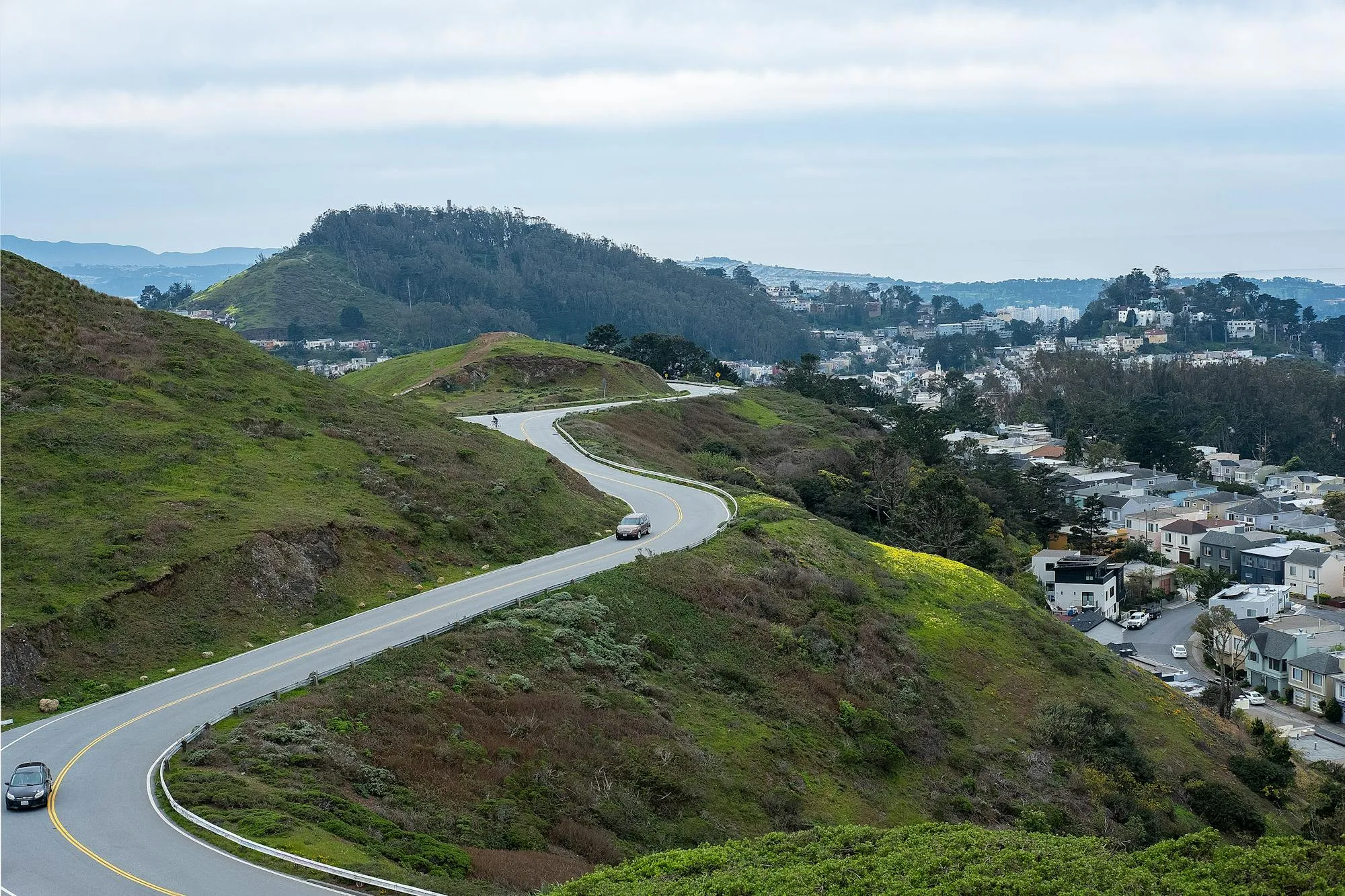
Aerial view of a winding asphalt road traversing rolling green hills in the Bay Area, likely Skyline Boulevard. The road curves through lush grassland with residential development visible in the distance.
David Mcelwee / Pexels

The Truth on the Trail

Forget the showroom pitch, and this isn't a test loop either. It's the sum of years spent listening to riders: conversations at the races, notes owners send me directly, the long email threads from people who actually live with the bike. Point all of that at the FMX 650 and one pattern holds steady. The chatter splits cleanly between what riders enjoy and what wears on them.

What owners keep praising

What comes up first is how eagerly it changes line. Rider after rider calls it light and narrow, happy to dart through traffic and thread tight back roads without any argument. Almost as often they praise the air/oil-cooled single for being tough and forgiving when they wrench on it at home. A fair number also mention the easy low-rpm pull that keeps the bike calm at town speeds.

The gripes that wear on owners

The complaints come through just as clearly. Top of the list is the suspension, soft and short on damping, so the front dives under braking and the bike wallows once you push. Riders often note the short range, about 125 miles (200 km) from the little tank. Many say 38 hp feels light for a 650, that the big single sends buzz into the bars, pegs and seat as speeds rise, and that the single front disc turns wooden under hard braking.

Known issues

  • Regulator/rectifier failure

    electricsoccasional

    The voltage regulator/rectifier is a known weak point on the RFVC-era Honda singles and can fail, leading to battery undercharging or overcharging.

  • Cam chain tensioner wear

    engineoccasional

    The automatic cam chain tensioner can lose tension over time, producing audible top-end rattle at idle and on overrun until the tensioner is replaced.

  • Carburettor icing and cold-start hesitation

    fuel systemcommon

    In cold and damp conditions the single Keihin carburettor is prone to icing and lean stumbling until fully warmed up, often requiring extended use of the choke.

  • Hard, quickly-wearing OEM seat foam

    bodyworkcommon

    The flat one-piece seat uses thin, firm foam that compresses quickly, making longer rides uncomfortable and prompting many owners to refoam or replace it.

  • Surface corrosion on fasteners and frame welds

    bodyworkcommon

    Owners regularly report rapid surface rust on bolts, brackets and around frame welds when the bike is used year-round, reflecting cost-engineered finishing.

The Expert Benchmark

Where this Honda FMX 650 pulls ahead of — or falls behind — its rivals on the numbers, and the typical bike in its class on character.

What kind of bike this is — character vs. the class

This bike Class average

Head-to-head: Honda FMX 650 vs. its rivals

The 'Should I Buy It?' Score

Forget spec-sheet bragging. Here's who the FMX 650 is actually built for.

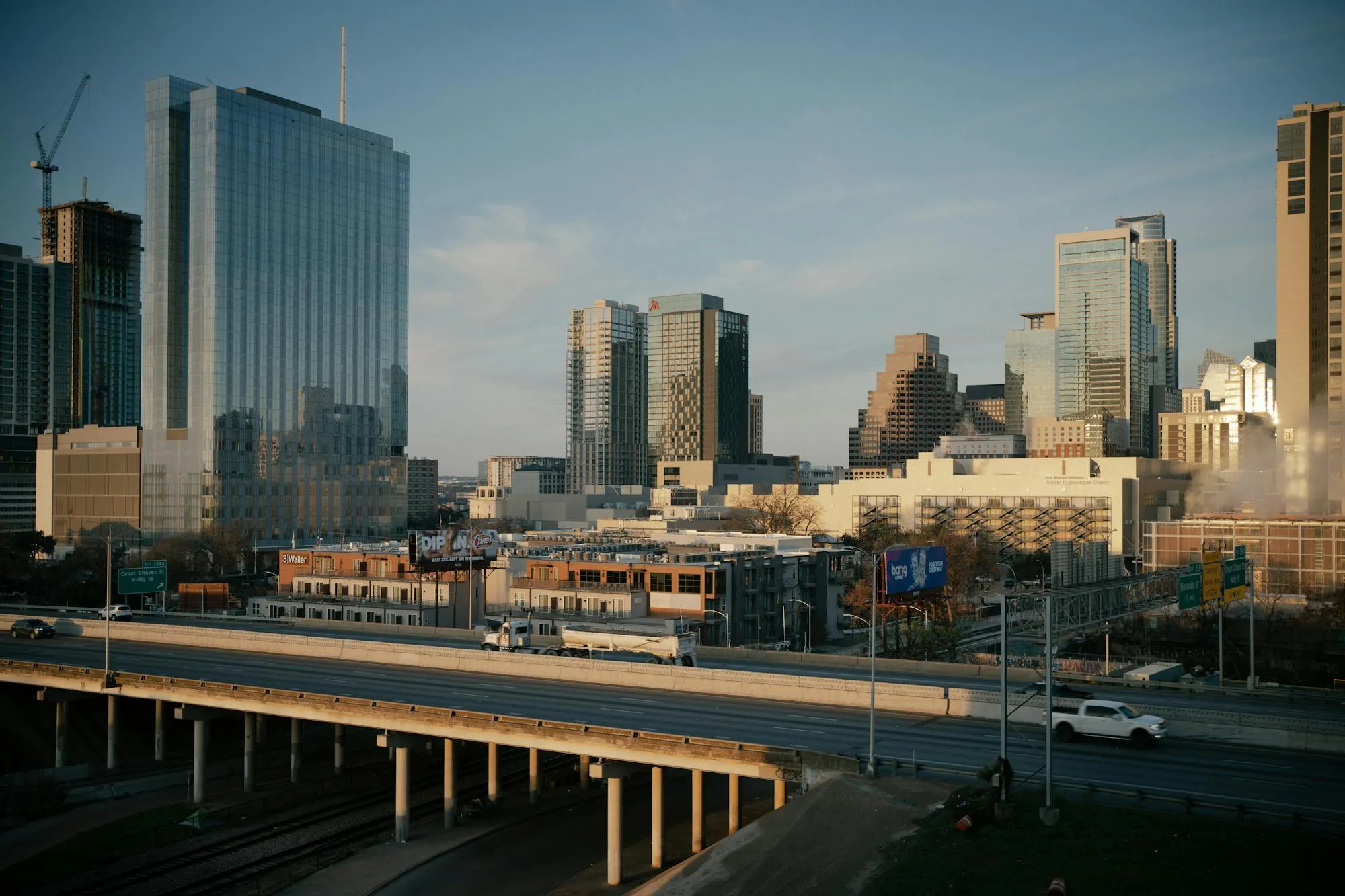
Aerial photograph of downtown Austin, Texas, showing modern high-rise buildings against a clear blue sky. Urban infrastructure, highways, and parking structures visible in the foreground.
Thomas Balabaud / Pexels

Best motorcycle for Angeles Crest?

Angeles Crest's tight stuff rewards the low-end torque and quick steering. Chase speed on the open sweepers, though, and the motor runs out of answers before you do.

Made for Angeles Crest Highway · Coronado Trail / US 191 · Highway 1 / Big Sur
Best motorcycle for Tail of the Dragon?

The Dragon's relentless corners are exactly its habitat; the low-rev torque keeps you in gear and it places itself precisely. This one rewards skill over outright speed.

Made for Back of the Dragon · Blue Ridge Parkway · Cherohala Skyway

Best motorcycle for Texas Hill Country?

Hill Country twisties and small-town hops suit its easygoing nature. The long highway stretches in between, though, expose the tall gearing and thin top-end.

Made for Austin / Texas Hill Country · Twisted Sisters · Austin / Handbuilt Motorcycle Show

Alternatives to the Honda FMX 650

If this one isn't quite the fit, these are the bikes worth riding back-to-back against it.

Any price note compares both bikes at the same age — the youngest age both have on the used market — against this Honda FMX 650. “cheaper/pricier” is what that bike costs second-hand, not how worn it is.