
Suzuki GSX 1250 F (MY2012) — Sport Tourer
Suzuki Press

2012–2015 · Sport Tourer · Buyer's Guide

GSX 1250 F (MY2012)

Sold in the US as Suzuki GSX1250FA

3.5 / 5 NastyNils Rating · against its class

Quiet Torque, Honest Miles

The Machine's Character

Suzuki built this one around the same 1255 cc inline-four that powers the Bandit 1250, and that engine sets the tone for everything else: 98 hp at 7,500 rpm, 80 lb-ft at 3,700 rpm, and a thick slab of drive from just above idle. Wrap it in a full fairing, hang it on a steel double cradle frame with 17-inch wheels front and rear, and you have a genuine sport-tourer rather than a faired standard. ABS is standard, both ends of the suspension adjust, and the seat height is adjustable too. What you are buying here is substance at a price, not a spec sheet.

It asks very little of you. With peak torque sitting that low you can leave it in top gear for most of a day and still have a pass in hand, and it stays composed as the miles pile up. Reliability is where it earns its keep; these engines take mileage and indifferent maintenance and keep running. It suits the rider doing 200 to 400 mile days on roads like the Blue Ridge Parkway who wants comfort and pulling power without paying for electronics. The honest caveat: 567 lb (257 kg) is real weight, and 34 mpg from a 5.0 gal (19 L) tank puts fuel stops closer together than you would like.

Hard Numbers

Spec sheets don't ride bikes, but they set the baseline.

Show full specs & equipment Hide specs & equipment
Key specifications
Power 98 hp (72 kW) @ 7,500 rpm
Torque 80 lb-ft (108 Nm) @ 3,700 rpm
Displacement 1255 cc
Engine Inline-fourMotorcycles With Inline-Four Engines →
Cooling Liquid-cooled
Gearbox 6-speed
Final drive Chain
Fork Telescopic
Front brake 310 mm
Front tire 120/70-17
Rear tire 180/55-17
Wheelbase 58.5 in (1485 mm)
Seat height 31.7 in (805 mm)
Wet weight 567 lb (257 kg)
Fuel capacity 5.0 gal (19 L)
Top speed 145 mph (233 km/h)
Fuel economy 34 mpg (US)

Equipment check

Chassis

  • Manually Adjustable Front Suspension Standard
  • Manually Adjustable Rear Suspension Standard

Safety

  • ABS Standard
Sunset over the Adriatic Sea near Primosten, Croatia. Golden hour light bathes calm water in warm tones, with a small sailboat on the distant horizon. Rocky vegetation frames the right foreground. Clear skies and gentle conditions.

The Truth on the Street

This part comes from listening rather than riding. It is built from years of paddock talk, club nights, owner conversations, and the messages riders send me directly. The pattern for this one is steady: owners rate it for what it does, and the complaints land on the parts around the engine rather than the engine itself.

What riders praise without prompting

Effortless is the word that keeps coming up about the motor. Riders say the pull sits low enough that they rarely go hunting for revs, and that cruising and overtaking ask nothing of them. Close behind is the money: owners feel they got more machine than the price suggested. Comfort over a full day draws steady praise, and the chassis gets credit for feeling predictable at speed.

Where the complaints keep landing

Suspension is the gripe that comes up most. Owners call the fork and shock basic, and say rough surfaces still get through even after working with the adjustment. Weight is the other steady theme, showing up in slow maneuvers that demand deliberate input. A smaller group flags corrosion on fasteners and fittings unless the bike is cleaned and protected, winter especially. The gearbox draws the odd complaint too: notchy, a little noisy, wanting a firm foot.

Known issues

  • Secondary throttle position sensor (TPS) malfunction

    fuel system rare

    Faulty TPS can trigger Fi fault codes, affecting throttle response. Requires careful professional calibration after replacement.

  • Neutral switch failure

    engine occasional

    The neutral switch can stick, either falsely indicating neutral constantly or failing to engage, causing starting issues. Cleaning or replacement resolves it.

  • Starter motor burnout

    engine rare

    Over time the starter motor can fail; replacement with a heavy-duty aftermarket unit is a common fix, as OEM replacements are costly.

The Expert Benchmark

Where this Suzuki GSX 1250 F pulls ahead of — or falls behind — its rivals on the numbers, and the typical bike in its class on character.

What kind of bike this is — character vs. the class

This bike Class average

The shape of the Suzuki GSX 1250 F — numbers and character vs. the average Sport Tourer

Head-to-head: Suzuki GSX 1250 F vs. its rivals

The Long-Haul Verdict

Forget spec-sheet bragging. Here's who the GSX 1250 F is actually built for.

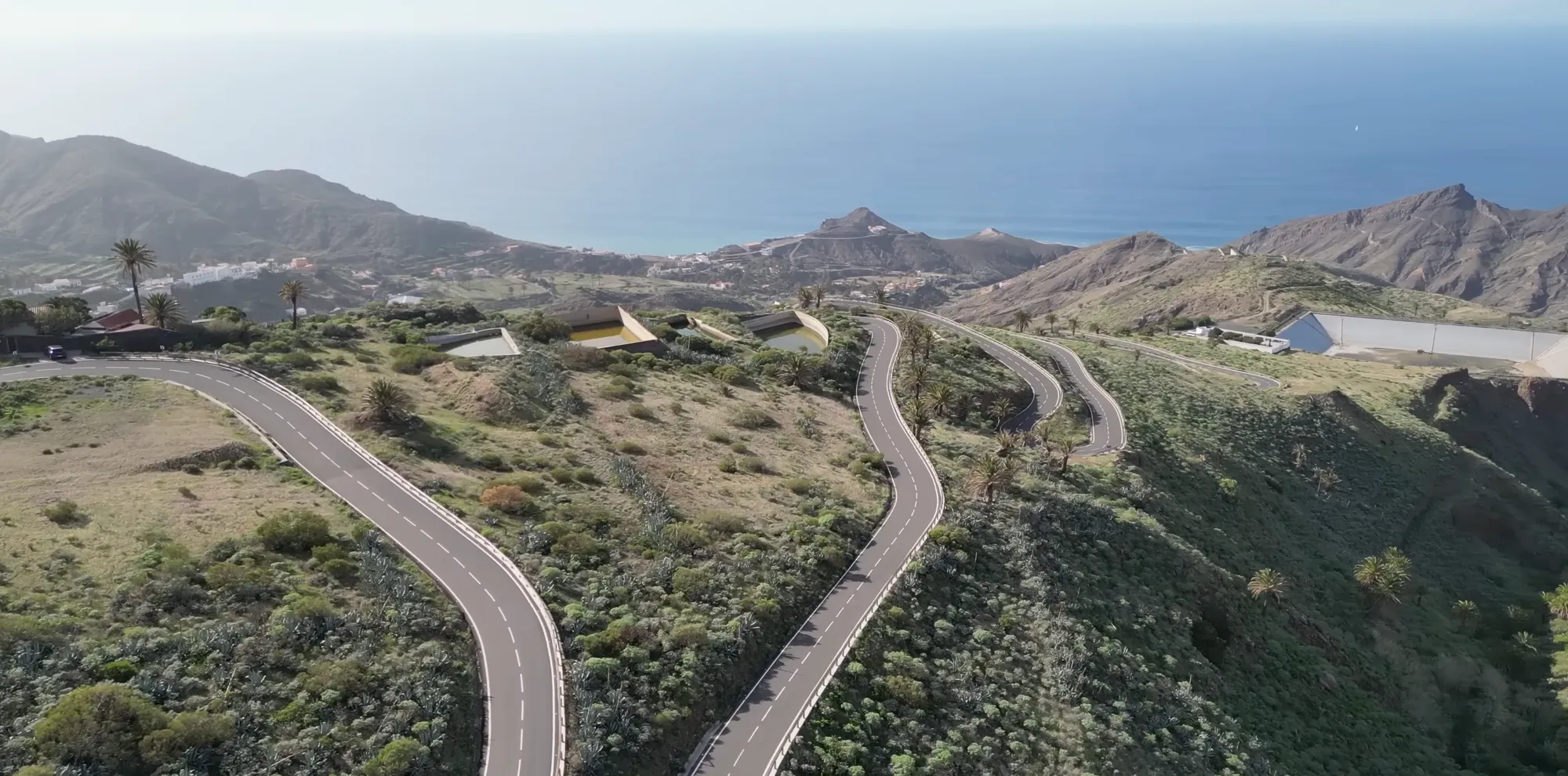
Aerial view of a winding asphalt road cutting through volcanic terrain on La Gomera, Canary Islands. The road curves through sparse green vegetation with rocky volcanic peaks visible in the background and a settled valley to the left. Clear lane markings, dry climate, partly cloudy sky.

Best motorcycle for Highway 1?

This is your bike. Upright, faired, and torque-rich enough to make a 300 mile day feel short. Just plan your own luggage and accept that there is no cruise control for the slab miles.

Made for Black Hills · Blue Ridge Parkway · Cherohala Skyway

Best motorcycle for Tail of the Dragon?

You will run out of nerve before it runs out of ground clearance, and it never gets nervous mid-corner. Good for smooth, repeatable lines. Too heavy to enjoy hairpin drills all day.

Made for Tail of the Dragon · Back of the Dragon · Blue Ridge Parkway

Alternatives to the Suzuki GSX 1250 F

If this one isn't quite the fit, these are the bikes worth riding back-to-back against it.

Any price note compares both bikes at the same age — the youngest age both have on the used market — against this Suzuki GSX 1250 F. “cheaper/pricier” is what that bike costs second-hand, not how worn it is.

Find it in these lists

Compare it with every bike that shares the same spec or equipment.