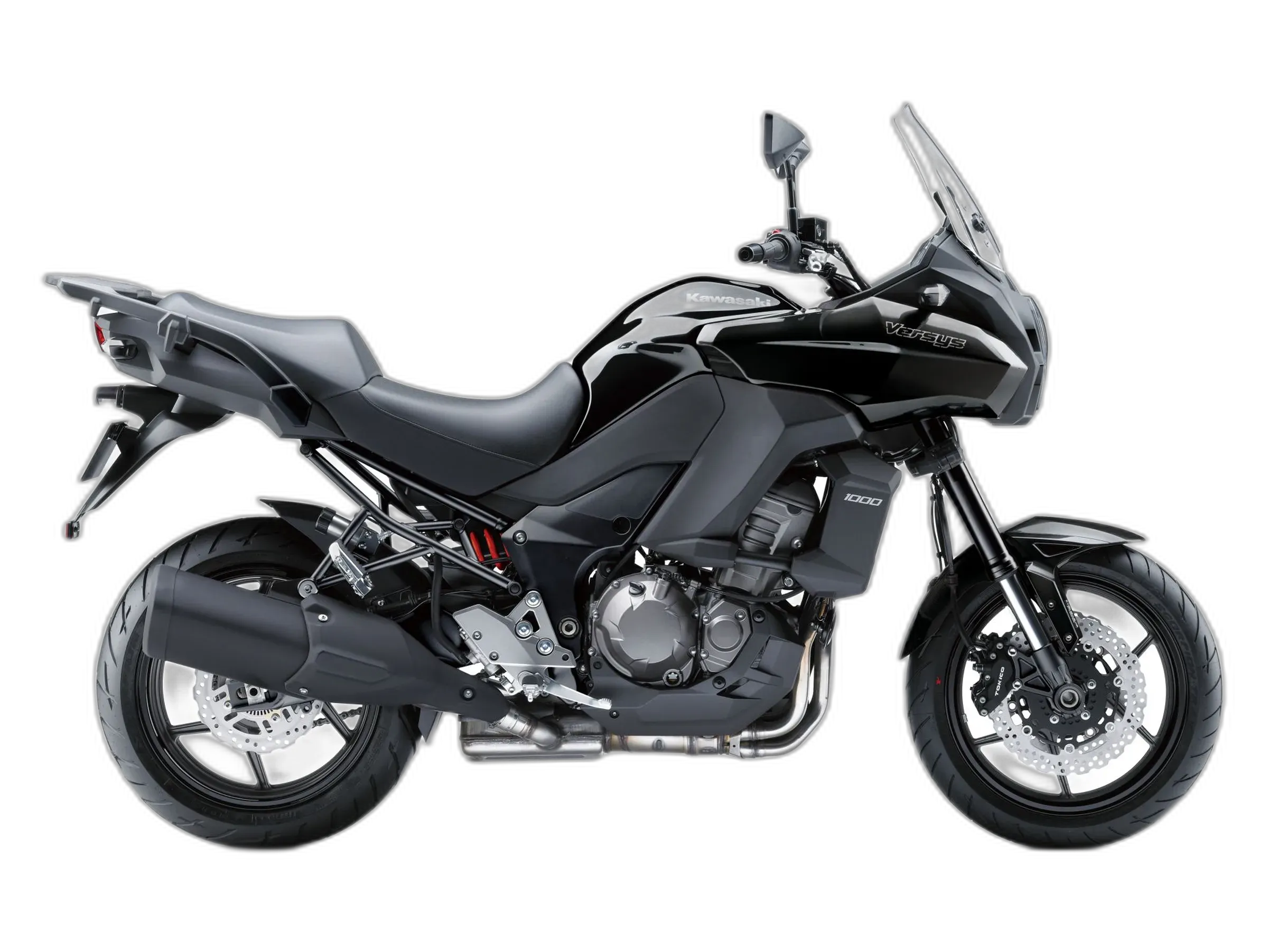
Kawasaki Versys 1000 (LZT00A) — Sport Tourer
Kawasaki Press

2012–2014 · Sport Tourer · Buyer's Guide

Versys 1000 (LZT00A)

Miles Come Easy Here

The Machine's Character

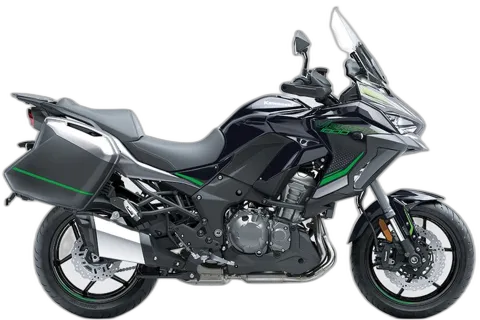
The Versys 1000 takes the 1043 cc inline-four out of the Z1000SX and retunes it for the middle of the rev range, which is where touring actually happens. You get 118 hp and 75 lb-ft, real authority for this class rather than the bare minimum. Around that engine sits a tall, wind-blocking front end with an adjustable screen, 17-inch wheels at both ends, and suspension you can dial front and rear straight from the factory. ABS and traction control are standard. It reads as an adventure bike from ten feet away, but every part of it is aimed at pavement.

What you are really buying here is longevity. Reliability scores 9.2 out of ten in my testing, and the drivetrain holds up under use most owners never get close to. It suits the rider covering 200 to 400 miles in a day, solo or loaded, who wants the trip to stay pleasant from the first hour to the last. The honest caveats: 527 pounds is real weight in a parking lot, the 33.3-inch seat asks something of shorter riders, and this trim has no ride modes, so throttle behavior is simply what it is.

Hard Numbers

Spec sheets don't ride bikes, but they set the baseline.

Show full specs & equipment Hide specs & equipment
Key specifications
Power 118 hp (87 kW) @ 9,000 rpm
Torque 75 lb-ft (102 Nm) @ 7,700 rpm
Displacement 1043 cc
Engine Inline-four
Cooling Liquid-cooled
Gearbox 6-speed
Final drive Chain
Fork Telescopic
Front brake 300 mm
Front tire 120/70-17
Rear tire 180/55-17
Seat height 33.3 in (845 mm)
Wet weight 527 lb (239 kg)
Fuel capacity 5.5 gal (21 L)
Top speed 140 mph (225 km/h)
Fuel economy 41 mpg (US)

Equipment check

Chassis

  • Front Suspension Adjustable Standard
  • Rear Suspension Adjustable Standard

Comfort

  • Heated Grips Optional
  • Adjustable Windscreen Standard

Drivetrain

  • Quickshifter Optional

Safety

  • ABS Standard
  • Traction Control Standard

The Voice of Experience

Portrait of NastyNils

The test ride

The first thing you notice is how quiet this bike is about its own effort. The four spins up with a smooth, low-key hum instead of a hard edge, and almost nothing reaches you through the bars or the pegs at highway revs, so your hands stay fresh long after they normally start to complain. The riding position is wide and upright, knees relaxed, weight off your wrists, and once you set the screen where you want it the air goes over the top of your helmet instead of into your chest. Controls are light. Clutch, throttle, switchgear, none of it asks you to concentrate. At real road pace the bike feels planted and unhurried, big underneath you in a reassuring way rather than a heavy one, and the miles stack up without you doing much about it.

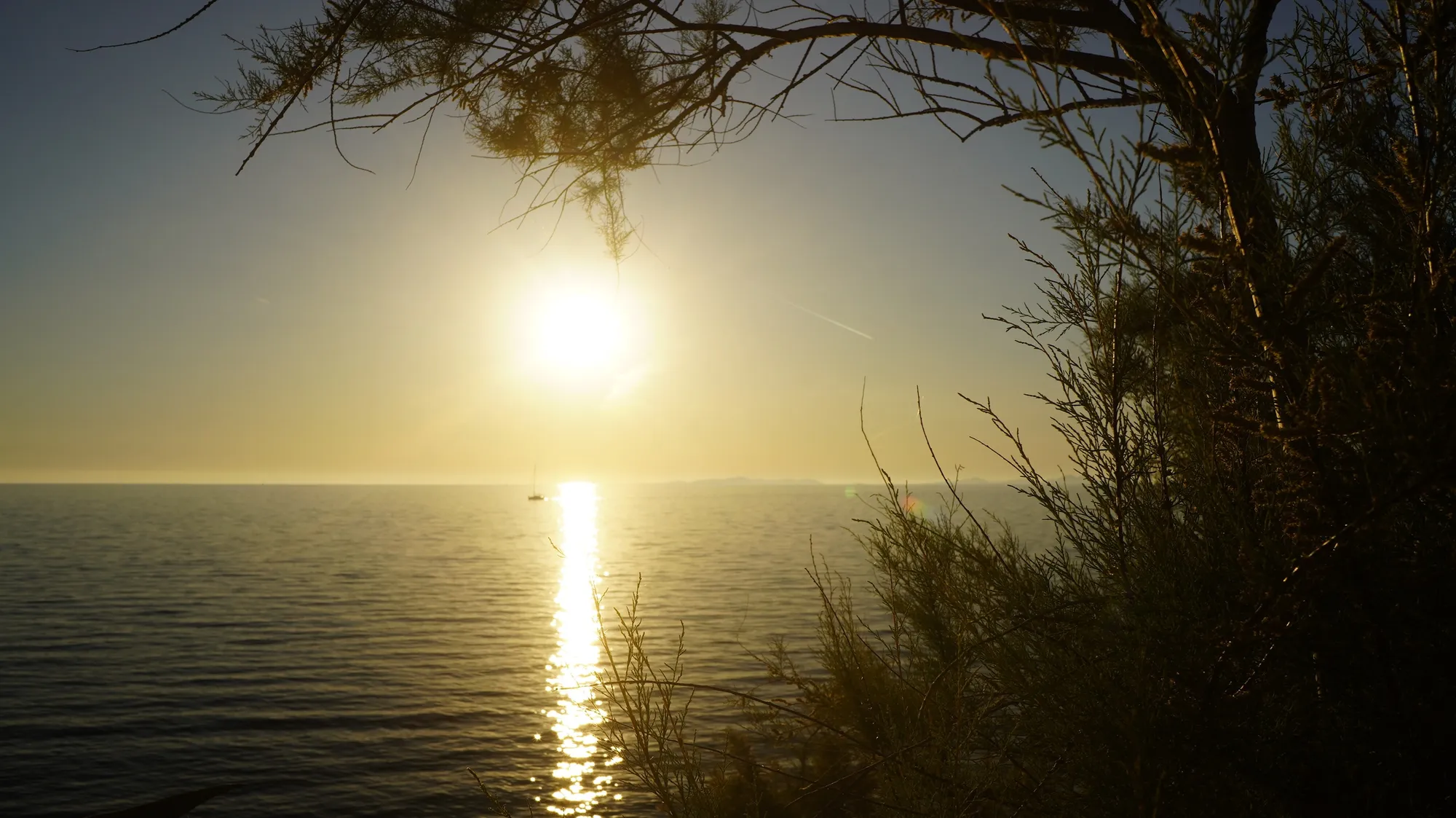
Sunset over the Adriatic Sea near Primosten, Croatia. Golden hour light bathes calm water in warm tones, with a small sailboat on the distant horizon. Rocky vegetation frames the right foreground. Clear skies and gentle conditions.

The Truth on the Street

Two decades of rider conversations sit behind this section: paddock talk, owners catching me at club nights, and the emails and messages that arrive every week. On the Versys 1000 the chatter is unusually settled. Riders open with the engine and the running costs, and the gripes they raise are few and repeat themselves.

The engine and the low bills

The engine leads almost every conversation. Riders describe a wall of torque low in the range that makes overtaking and two-up touring feel like nothing. Right behind that sits the ownership story: mechanicals that simply keep going, and servicing bills that stay small. Owners also report the bike turning better than its size suggests, steering neutral and predictable through a set of corners.

The gripes that keep surfacing

The styling splits the room. A lot of riders never made peace with the tall, angular nose. Ride it hard and the front end goes quiet on them, short on the feedback they want at big lean angles. Some owners find the gearbox notchy through shifts, and buyers looking at used examples mention corrosion turning up on the subframe.

Known issues

  • Radiator susceptible to stone damage and corrosion

    cooling occasional

    The radiator is vulnerable to damage from stones thrown up by the front wheel, and some units develop corrosion, especially if not protected by a guard.

  • Fork seals may weep at higher mileage

    suspension rare

    Some owners report fork seal leaks around 30,000 miles, requiring replacement.

  • Steering head bearings may become notchy

    chassis rare

    Wear on steering head bearings can lead to a notchy feeling and handling imprecision, often around the same mileage as fork seals.

The Expert Benchmark

Where this Kawasaki Versys 1000 pulls ahead of — or falls behind — its rivals on the numbers, and the typical bike in its class on character.

What kind of bike this is — character vs. the class

This bike Class average

The shape of the Kawasaki Versys 1000 — numbers and character vs. the average Sport Tourer

Head-to-head: Kawasaki Versys 1000 vs. its rivals

The Long-Haul Verdict

Forget spec-sheet bragging. Here's who the Versys 1000 is actually built for.

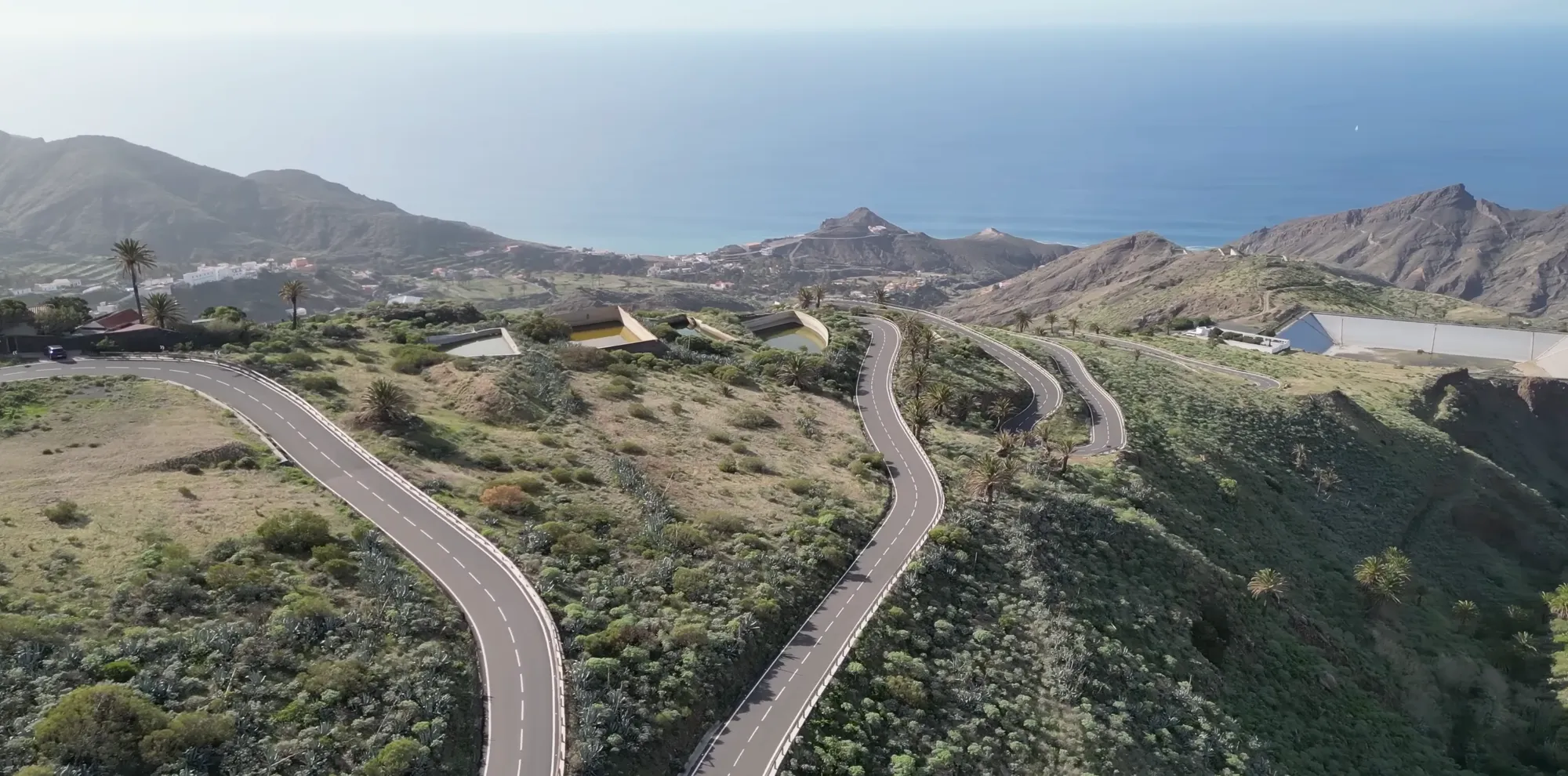
Aerial view of a winding asphalt road cutting through volcanic terrain on La Gomera, Canary Islands. The road curves through sparse green vegetation with rocky volcanic peaks visible in the background and a settled valley to the left. Clear lane markings, dry climate, partly cloudy sky.

Best motorcycle for Highway 1?

This one is aimed straight at you. Day rides of 200 to 400 miles on Highway 1 or the Blue Ridge are exactly what it was built around, and it stays comfortable without turning into a full bagger.

Made for Black Hills · Blue Ridge Parkway · Cherohala Skyway
Best touring motorcycle for long distance?

Loaded or two-up it holds a pace and shrugs off changing weather, with a 5.5-gallon tank and 41 mpg between stops. Just know you are handling 527 pounds every time you park it.

Made for Beartooth Highway · Blue Ridge Parkway · Going-to-the-Sun Road

Best motorcycle for Tail of the Dragon?

The 17-inch wheels and adjustable suspension let it work harder in corners than its size suggests. On tight Appalachian roads, though, a lighter bike will always ask less of you.

Made for Back of the Dragon · Blue Ridge Parkway · Cherohala Skyway