Best motorcycle for Highway 1?
This is your bike. It carves Blue Ridge and Highway 1 with real pace, covers 300-mile days without beating you up, and never feels like a bagger.
Made for Black Hills · Blue Ridge Parkway · Cherohala Skyway

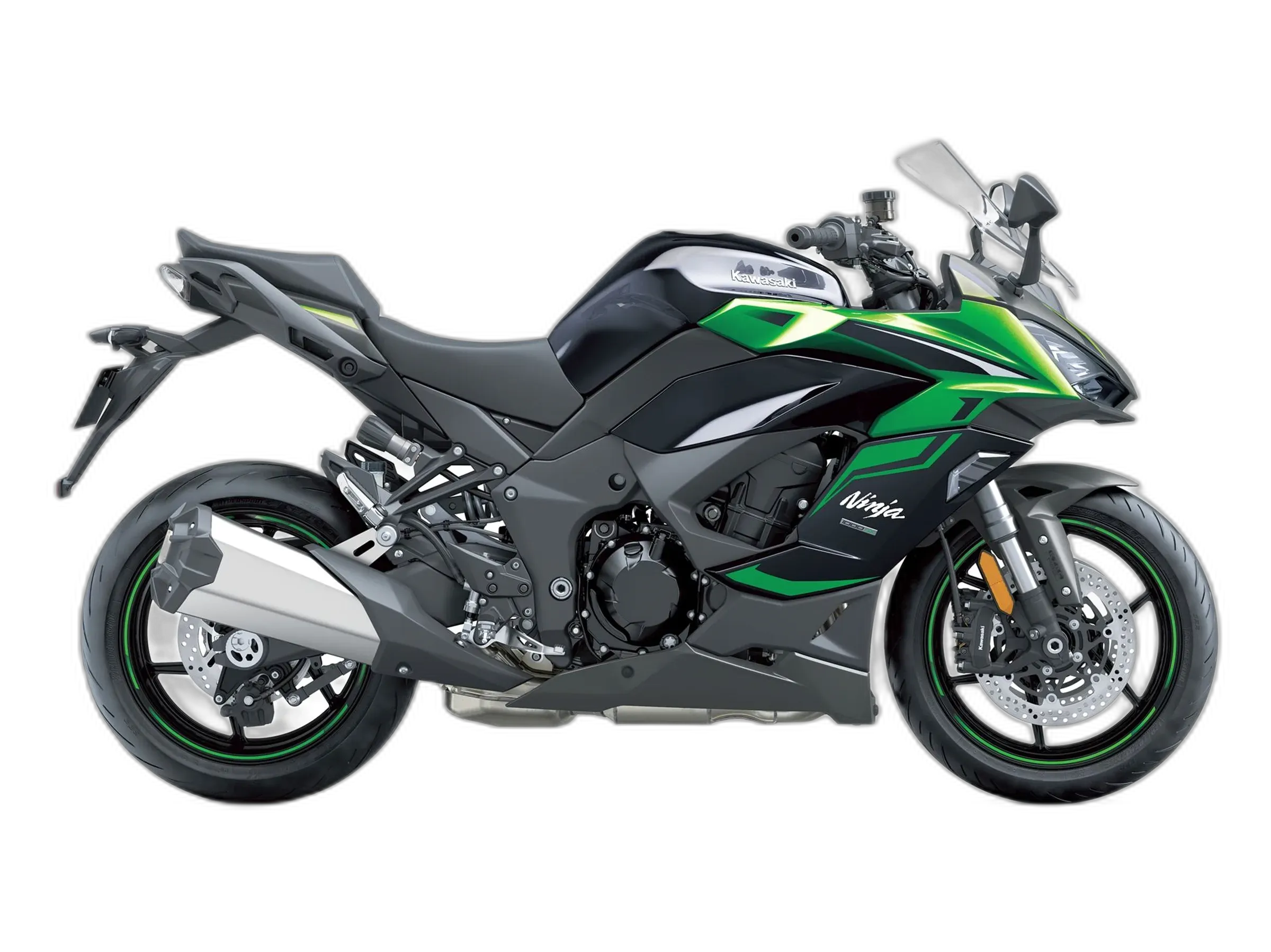
2020–2024 · Sport Tourer · Buyer's Guide
Low-End Pull, All Day
This generation of the Ninja 1000 SX is built around a 1043 cc liquid-cooled inline-four making 142 hp at 10,000 rpm and 82 lb-ft at 8,000 rpm. It sits in an aluminum twin-spar frame on proper 17-inch wheels. The motor is the heart of the bike: it pulls cleanly from low revs, builds progressively and stays refined all the way up, so you rarely need to hunt for a gear. The electronics are complete: cornering ABS, traction control, wheelie control and ride modes, plus an up-and-down quickshifter, cruise control and a TFT dash with smartphone connectivity. That puts it squarely in the practical, road-first corner of the sport-touring class.
It steers easily for a 518 lb (235 kg) motorcycle and stays neutral on a fast, bumpy back road. The adjustable suspension front and rear gives you room to set it up for solo riding or a load. Build quality is good, and the bones of the bike hold up well. The honest caveats are in the details. The drive chain can stretch quickly in the first year, and the switchgear, cruise control and dashboard have a record of electronic glitches. This bike suits the rider who wants real performance on Monday's commute and on a 300-mile Saturday, and who doesn't mind keeping an eye on the chain.
Spec sheets don't ride bikes, but they set the baseline.
| Power | 142 hp (104 kW) @ 10,000 rpm |
|---|---|
| Torque | 82 lb-ft (111 Nm) @ 8,000 rpm |
| Displacement | 1043 cc |
| Engine | Inline-four |
| Cooling | Liquid-cooled |
| Gearbox | 6-speed |
| Final drive | Chain |
| Fork | Upside-down (USD) |
| Front brake | 300 mm |
| Front tire | 120/70-17 |
| Rear tire | 190/50-17 |
| Wheelbase | 56.7 in (1440 mm) |
| Seat height | 32.3 in (820 mm) |
| Wet weight | 518 lb (235 kg) |
| Fuel capacity | 5.0 gal (19 L) |
| Top speed | 155 mph (249 km/h) |
| Fuel economy | 43 mpg (US) |
Equipment check
Chassis
Comfort
Connectivity
Drivetrain
Lighting
Safety

This section comes from years of listening: paddock talk, owner chats on club nights, and the emails and messages riders send me after living with their bikes. On the 2020–2024 Ninja 1000SX the pattern is clear. Owners praise what it does on the road and what it cost to get in, and their complaints cluster around long days in the saddle.
Value is the first thing owners bring up, and they bring it up consistently. For roughly $12,399 at US launch, riders point to a TFT dash, quickshifter, cruise control, cornering ABS, ride modes, LED lighting and Bluetooth. They say rivals charged noticeably more for that same kit. Handling comes up just as often. Owners describe a bike that turns in willingly at any speed, stays stable, and gives clear feedback and grip in all conditions. Many also call its fuel use modest for a four this strong, with practical range past 186 miles (300 km) in mixed riding. Longer-term owners report 18,600 to 31,000 miles (30,000 to 50,000 km) without significant mechanical trouble.
The most common gripes are about comfort. A recurring complaint is heat rising from under the engine onto legs and ankles, the left side in particular. Riders say it's worst at low speed and in stop-and-go traffic. The stock seat draws just as much criticism: too firm, too narrow, and sloped forward so you slide into the tank under braking. Plenty of riders report numbness within 30 to 60 minutes. Kawasaki sells an optional gel seat, and many owners go aftermarket instead.
A smaller set of complaints is about loaded touring. Kawasaki officially rules out running the optional top case and side panniers together, and owners say that limits two-up trips with full luggage. There is no center stand and no way to fit one, so chain work or a roadside puncture means finding a paddock stand. The windscreen gets mixed reviews. Owners mention too little protection in the lower settings, helmet buffeting at the top for taller riders, and no one-handed adjustment on the move. Some owners also wish they could change the suspension on the fly.
Electronic handlebar switches fail intermittently — display mode changes, function loss
The MY2020 introduced new electronic handlebar switch clusters for TFT menu navigation, cruise control, and mode selection. Individual owners report switch failures: unintended display mode toggles, intermittent cruise control function loss traceable to the switch, or complete switch failure. Possible contributing factors include high-pressure washing and incorrect cleaning agents.
TFT display physically damaged by concentrated sunlight reflected from aftermarket windscreen
At least one confirmed case where the TFT display suffered pixel failure and physical deformation from sunlight concentrated and reflected inward by an aftermarket windscreen (National Cycle VStream). Kawasaki replaced the display under goodwill. Aftermarket manufacturers subsequently recommended not parking the motorcycle in direct sunlight with certain screen types installed. No reports with the OEM Kawasaki windscreen.
Drive chain stretches abnormally fast in first 620–3,100 mi (1,000–5,000 km); isolated reports of chain jumping off sprocket
The factory drive chain can stretch faster than expected early in the bike's life. Slack builds up quickly and the chain needs adjusting much more often than its service schedule suggests. If it is not adjusted, the loose chain slaps and snatches under throttle changes. Sprocket wear also speeds up once the chain has stretched.
KQS downshift function rough and unreliable below ~3,500 rpm
The bidirectional quickshifter (KQS) works reliably for upshifts. Downshifts (auto-blip) are inconsistent: below approximately 3,500 rpm the system frequently fails to engage, throttle blips are uneven, and the system is sensitive to residual pedal contact between shift operations. Many owners routinely use the clutch for downshifts in urban riding. Multiple dealer visits have been reported without permanent resolution. The down-shift function is haphazard.
TFT dashboard resets spontaneously — clock, trip, fuel consumption data lost
The TFT dashboard resets without rider input: clock, fuel consumption values, lean angle log, trip data, and other parameters return to zero. Occurs primarily at ignition-on, occasionally during riding. In some cases, the display toggles spontaneously between light/dark mode. Kawasaki has not issued an official fix; dealer display replacements did not consistently resolve the issue. Suspected causes: voltage drops below ~10V during starting (weak/loose battery, loose ground connections), vibration at battery terminals. An Australian petition (103 signatures) documented the problem for MY2020–2022.
Noticeable vibrations in the engine's mid-range — mirrors blur, felt through footpegs and handlebars
Pronounced vibrations show up in the engine's mid-range, blurring the mirrors and coming through the footpegs and handlebars. This is partly inherent to the inline-four configuration at these revs and partly amplified by fairing resonance. Kawasaki added foam pads at strategic locations as a factory mitigation. Switching from the stock Bridgestone S22 to alternative tires such as the Michelin Road 5 has eased the issue in some cases, pointing to additional contributing factors.
Cruise control deactivates spontaneously or refuses to engage
The electronic cruise control intermittently refuses to activate or deactivates spontaneously during riding. The most commonly identified root cause is a misadjusted rear brake light switch from the factory — the system interprets it as brake application and disengages. Additional reported causes: faulty wiring to left handlebar switch cluster (repaired under warranty in documented cases), intermittent switch failures.
Distance-to-empty (DTE) calculation unreliable — collapses disproportionately in last quarter of tank
The TFT dashboard's distance-to-empty estimate is unreliable. It stays optimistic for most of the tank, then drops disproportionately fast as the fuel level nears reserve, leaving riders with less warning than the display implied. Actual fuel consumption is broadly in line with expectations; the fault lies in how the range algorithm extrapolates remaining distance, not in the engine or fuel system.
Where this Kawasaki Ninja 1000 SX pulls ahead of — or falls behind — its rivals on the numbers, and the typical bike in its class on character.
Power
Torque
Displacement
Wet weight
Top speed
Seat height
Forget spec-sheet bragging. Here's who the Ninja 1000 SX is actually built for.
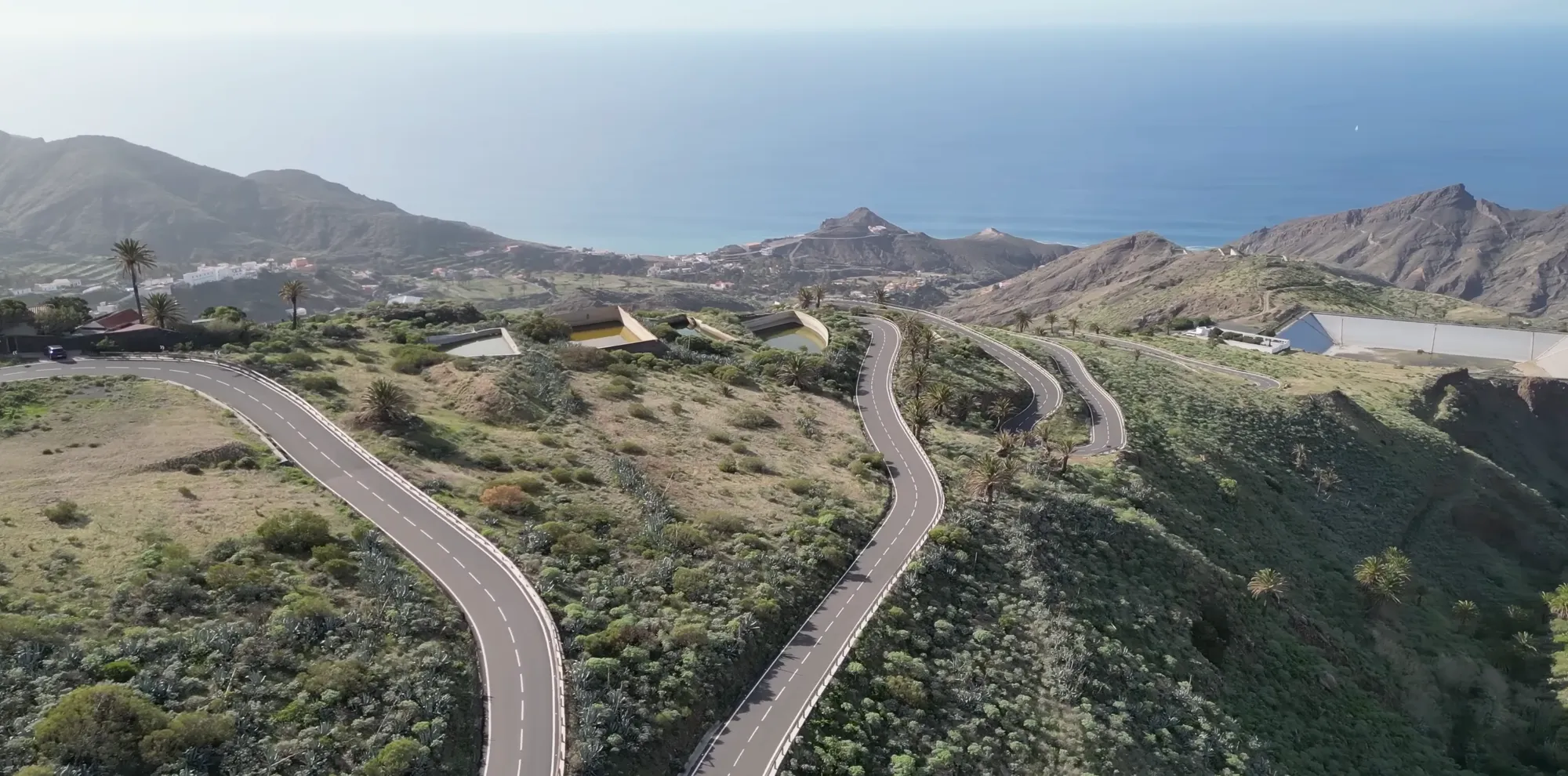
This is your bike. It carves Blue Ridge and Highway 1 with real pace, covers 300-mile days without beating you up, and never feels like a bagger.
Made for Black Hills · Blue Ridge Parkway · Cherohala Skyway
It steers easily and has plenty of lean clearance for the Dragon and Cherohala, and the low-rev pull makes the ride in from Knoxville painless. It's heavier than a pure sportbike, though, and you'll notice that in tight switchbacks.
Made for Back of the Dragon · Blue Ridge Parkway · Cherohala Skyway
If this one isn't quite the fit, these are the bikes worth riding back-to-back against it.
Any price note compares both bikes at the same age — the youngest age both have on the used market — against this Kawasaki Ninja 1000 SX. “cheaper/pricier” is what that bike costs second-hand, not how worn it is.
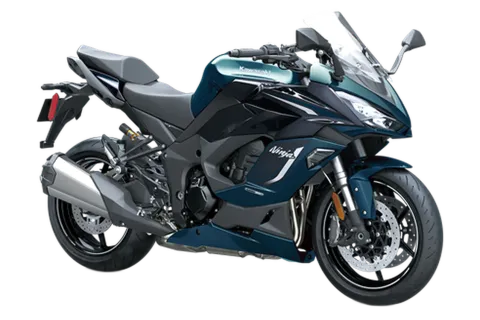
Successor · 2025
Effortless Pull, Mile After Mile
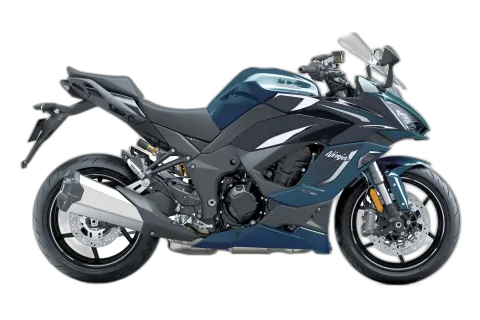
Successor · 2025
Smooth Pull, Premium Hardware
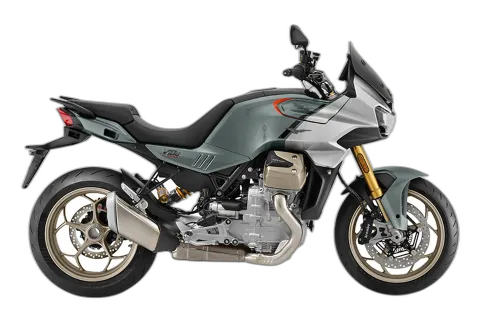
Competitor · 2023
Guzzi Soul, Modern Spine
~$1,000 pricier used than this bike at 2 yr
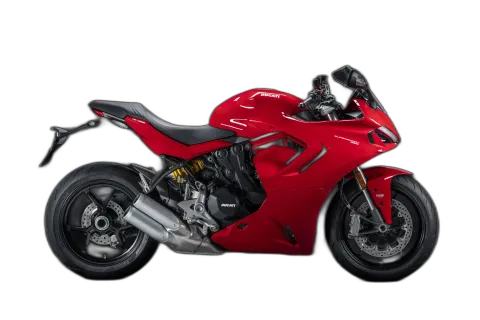
Competitor · 2021
Italian Sport With Real Comfort
About the same used price as this bike at 5 yr
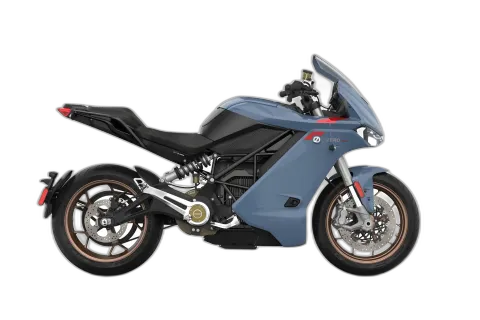
Competitor · 2020–2025
Silent Torque, Dressed Up
Roughly $4,800 pricier used than this bike at 5 yr
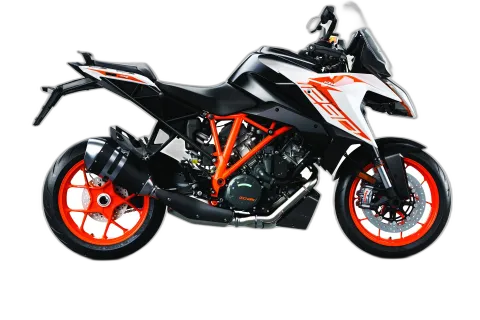
Competitor · 2019–2024
177 Horses, Street-Legal Superbike
~$3,300 pricier used than this bike at 6 yr
Competitor · 2019–2024
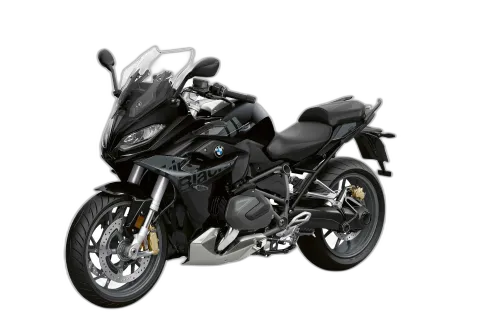
Boxer Torque, All Day
~$4,000 pricier used than this bike at 4 yr
Same Platform · 2017–2020
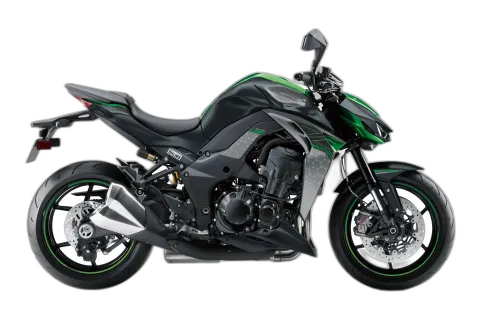
Old-School Muscle, Raw Command