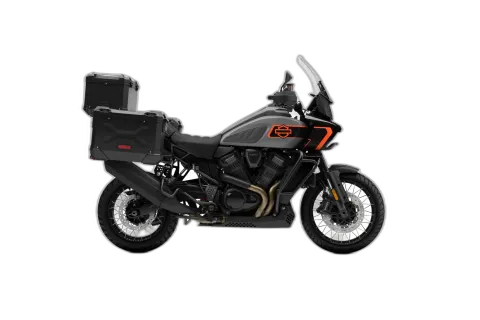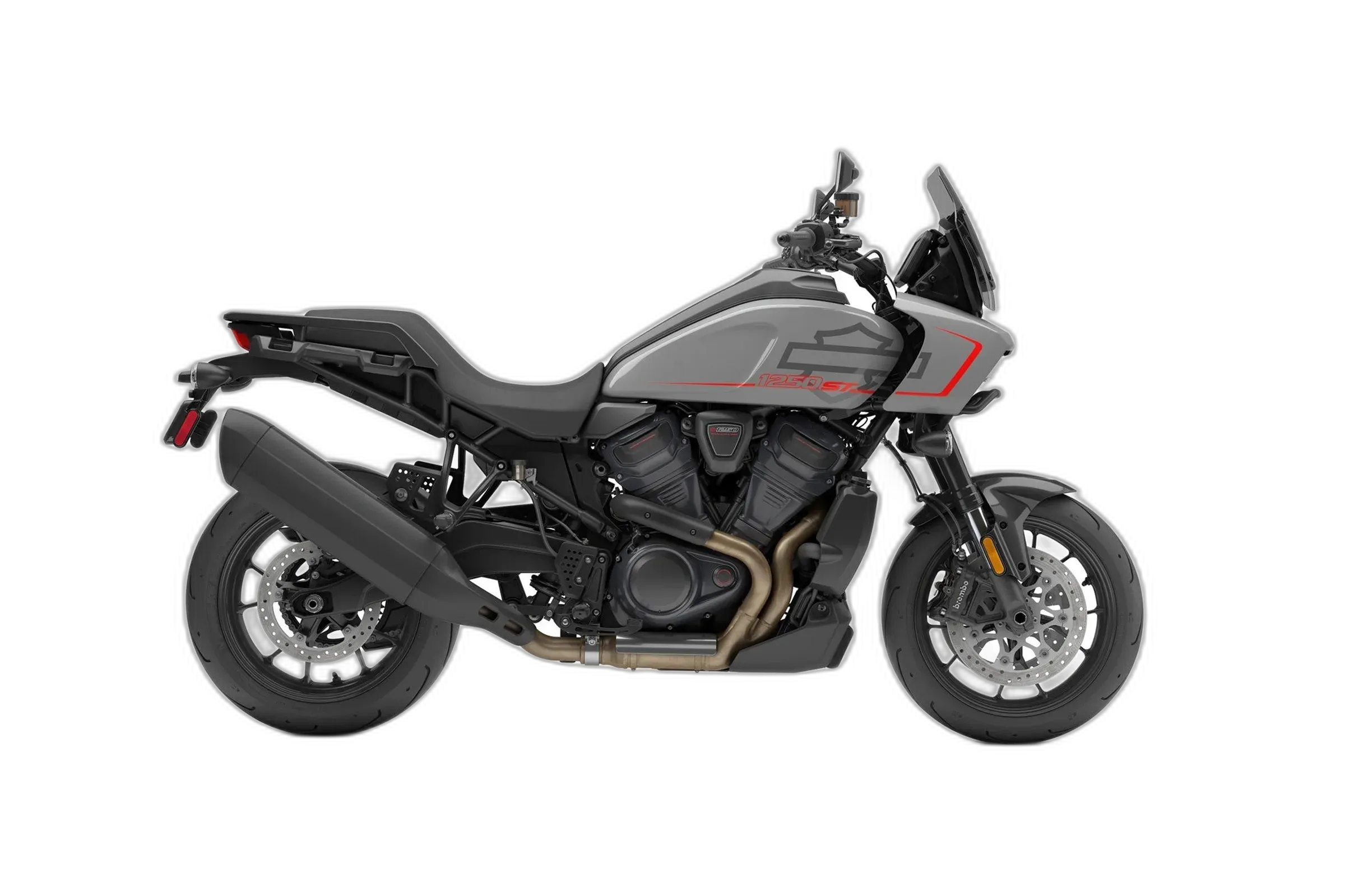
Harley-Davidson Pan America 1250 ST (MY2025) — Sport Tourer
NastyNils / Harley-Davidson press archive

2025 · Sport Tourer · Buyer's Guide

Pan America 1250 ST (MY2025)

Harley That Rides Straight

The Machine's Character

This ST version takes Harley's Revolution Max V-twin and points the whole platform at the road. The 1252 cc 60-degree engine makes 150 hp and 91 lb-ft, and it hangs on a chassis built for asphalt: 17-inch wheels front and rear, sport-compound rubber, an inverted fork, and 320 mm front discs on monobloc calipers. The rider aids run deep, with cornering ABS, traction control, ride modes, and wheelie control all standard, plus a quickshifter you get without ticking a box. It reads as an all-American answer to the established sport-touring order, built around character rather than a spec sheet.

On the road it rewards composure. The powerband is linear and precise instead of theatrical, so riders chasing a violent top-end hit will find it too polished. Push it against purpose-built sport-tourers under real pressure and you meet the platform's ceiling, and the adventure-rooted geometry caps full hang-off before the tires do. It fits the rider who wants comfort, corners, and presence in one machine. One honest flag on ownership: some owners report oil consumption past a quart in 800 miles and blue smoke on startup after about 3,000 miles, mostly from the front cylinder, so buy with eyes open.

Hard Numbers

Spec sheets don't ride bikes, but they set the baseline.

Show full specs & equipment Hide specs & equipment
Key specifications
Power 150 hp (112 kW)
Torque 91 lb-ft (123 Nm)
Displacement 1252 cc
Engine 60° V-twin
Cooling Liquid-cooled
Gearbox 6-speed
Final drive Chain
Fork Upside-down (USD)
Front brake 320 mm
Front tire 120/70-17
Rear tire 180/55-17
Wheelbase 61.8 in (1570 mm)
Seat height 31.7 in (805 mm)
Wet weight 542 lb (246 kg)
Fuel capacity 5.6 gal (21.2 L)
Fuel economy 42 mpg (US)

Equipment check

Chassis

  • Front Suspension Adjustable Standard
  • Rear Suspension Adjustable Standard
  • Cruise Control Standard

Comfort

  • Heated Grips Standard
  • Luggage System Optional

Connectivity

  • TFT Display Standard
  • Smartphone Connectivity Standard
  • Navigation Standard
  • USB Charging Port Standard
  • Tire Pressure Monitoring (TPMS) Standard

Drivetrain

  • Quickshifter Standard
  • Slipper Clutch Standard

Lighting

  • LED Headlight Standard

Safety

  • ABS Standard
  • Cornering ABS Standard
  • Traction Control Standard
  • Ride Modes Standard

The Voice of Experience

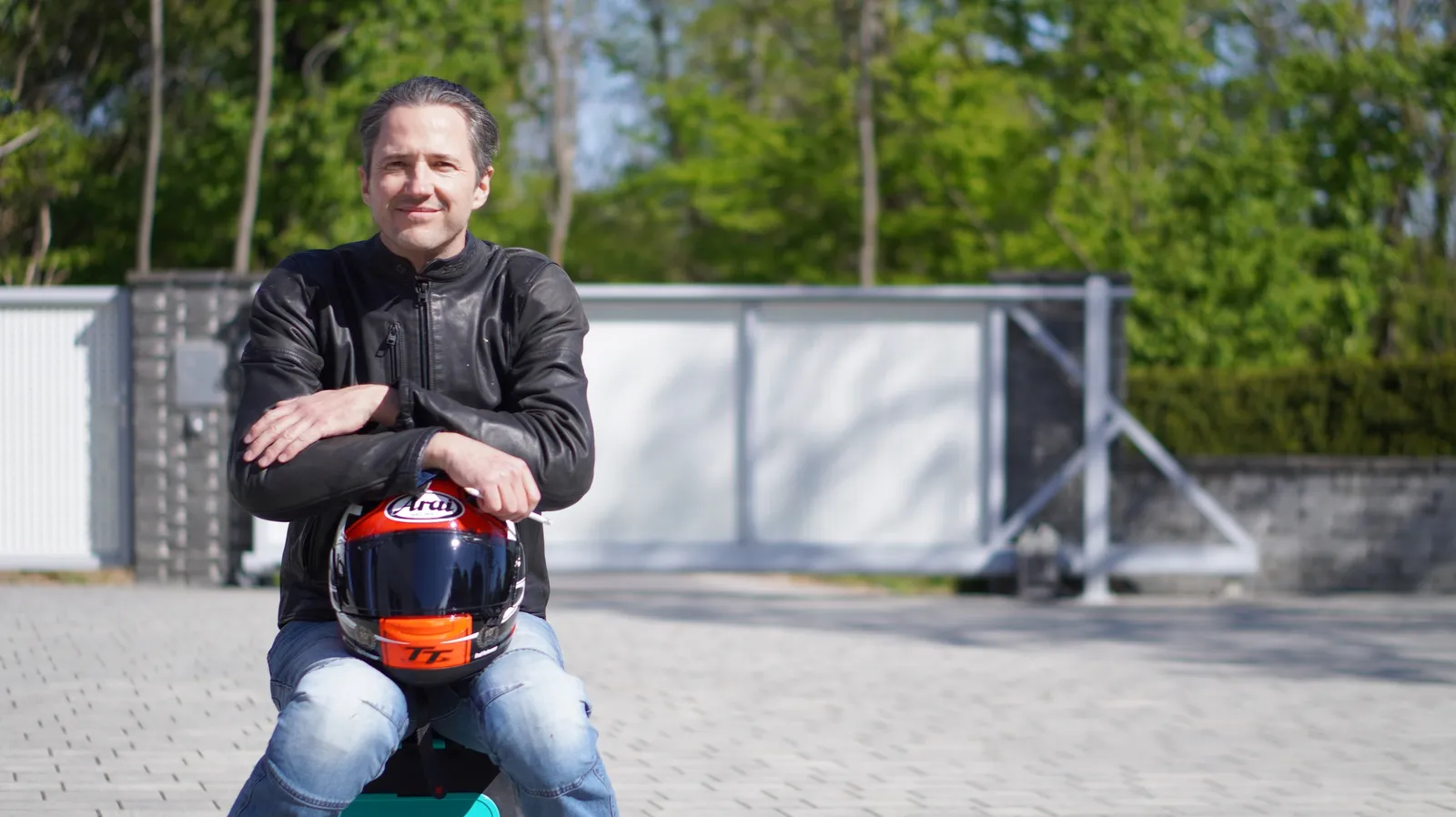
Portrait of NastyNils

The test ride

Swing a leg over and the riding position sells it before you pull away. Your arms reach forward to a wide bar, your legs sit loose and easy, and the posture reads as command rather than strain. Fire it up and the V-twin settles into a deep, off-beat rumble that never turns coarse; vibration stays low across the whole rev range, so a full day in the saddle leaves you stepping off fresh rather than hammered. The seat and chassis stay planted and settled without beating you up over rough pavement. The 5.6-gallon tank means fuel stops are your call, not the bike's. Even the TFT interface earns its keep, since the handlebar buttons are the ones you actually reach for in gloves.

Rated point by point — where it earns its keep

My own 0–100 score for this bike against the class, area by area — the marker on each bar is the class average.

There's not much mystery to the front brakes, and that's the compliment. The monobloc calipers bite cleanly and with real strength the instant I ask, the kind of sport-grade response I'd expect on something built to attack a road. What sells it is the feel at the lever, which lets me meter pressure by hand from the very first stop, with no bedding-in period before my fingers trust it. On a bike this size, brakes I can read that immediately count for a lot.

For a bike carrying this much weight, the ride quality is the surprise. The suspension rates land right where the mass and the mission both need them, so the chassis stays weighted and grounded without any harshness or float, and none of that character shifts whether I ride alone or pile on a passenger and luggage. Dialing that in on a heavyweight is real engineering. The seating adds to it: a wide bar out in front of me, legs relaxed underneath, a stance that feels like directing the bike rather than bracing against it. It carries through crawling traffic and through a long, quick bend alike. The compromises are honest. The tall, adventure-style geometry limits how far I can slide off the saddle before the tires themselves object, and because the reach can't be adjusted, riders with shorter arms should measure it against their own body before banking on comfort deep into a long day.

The engine earns its keep through manners, not fireworks. Small throttle openings stay perfectly clean, and lifting off brings the power down gently rather than slamming it shut, so no sudden load change knocks the rear out of line. That counts most through a corner, where I feed in gas and the bike drives forward without the see-saw pitching so many big V-twins suffer. The catch is emotional: nothing in the rev range spikes or lunges, so a rider chasing the addictive gut-punch of a classic twin will find this one too refined.

This bike pays you back for staying smooth. The harder I press it, the more it hunkers down rather than getting fidgety, and speed only makes it feel more deliberate and sure of itself. Well into a lean it reads as gliding through the bend instead of muscling it, so long as I keep my inputs clean. Ride it that way and it returns every bit of that stability, holding a calm line right where a lighter, edgier machine would already be squirming underneath me.

Turn-in asks almost nothing of me. I settle my eyes on the apex and the bike is already arcing toward it, accurate even with plenty of lean dialed in. Credit the hardware: genuine sport-compound rubber on road-width rims lifts it a clear step above tall-wheeled adventure machines, and I've verified that with laps on a circuit, not just on paper. It keeps pace with mid-range nakeds and leaves most adventure bikes behind on asphalt. The cap shows against the specialists, where a purpose-built sport tourer under real pressure meets its limit first.

Two things make this bike easy to live with over big miles. The fatigue simply doesn't stack up: low vibration across the rev range and a naturally loose seating position leave me intact after a full day rather than wrung out, and the generous tank hands me the timing of every stop. The equipment list arrives complete, too. A standard quickshifter sits with cornering ABS, traction and engine-braking control, wheelie and stoppie management, tire-pressure monitoring, and hill-start assist, and the TFT reads both touch and bar-button input. In gloves the buttons win.

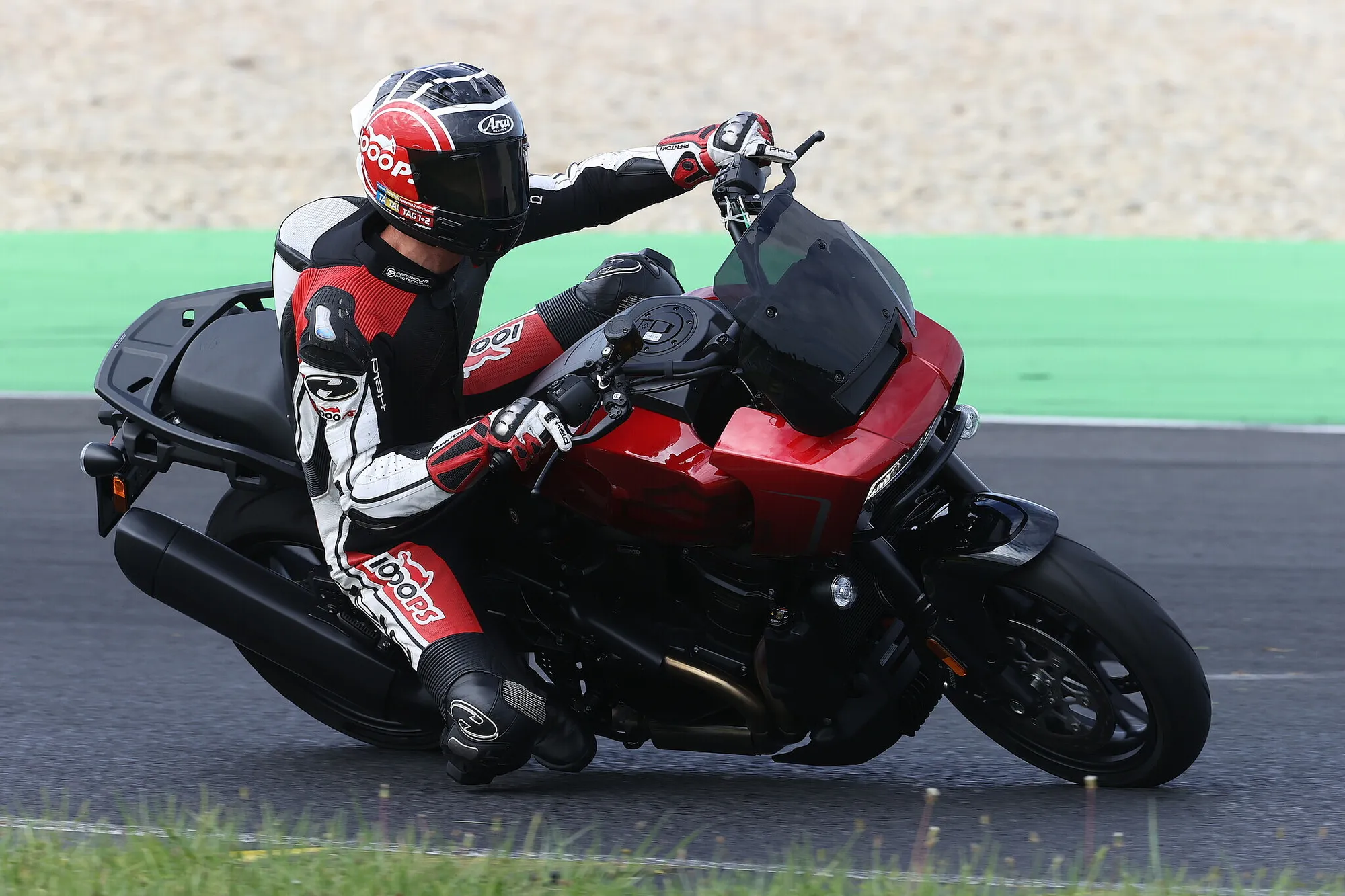
NastyNils on a Harley-Davidson Pan America 1250 ST with sidecar at a racetrack, waving to the camera. The motorcycle features red and black bodywork and is photographed in action on asphalt with a green safety barrier visible in the background. The rider wears a full-face Arai helmet and black leathers. Daylight, dry conditions, professional motorsports setting.
NastyNils / Nastynils.com
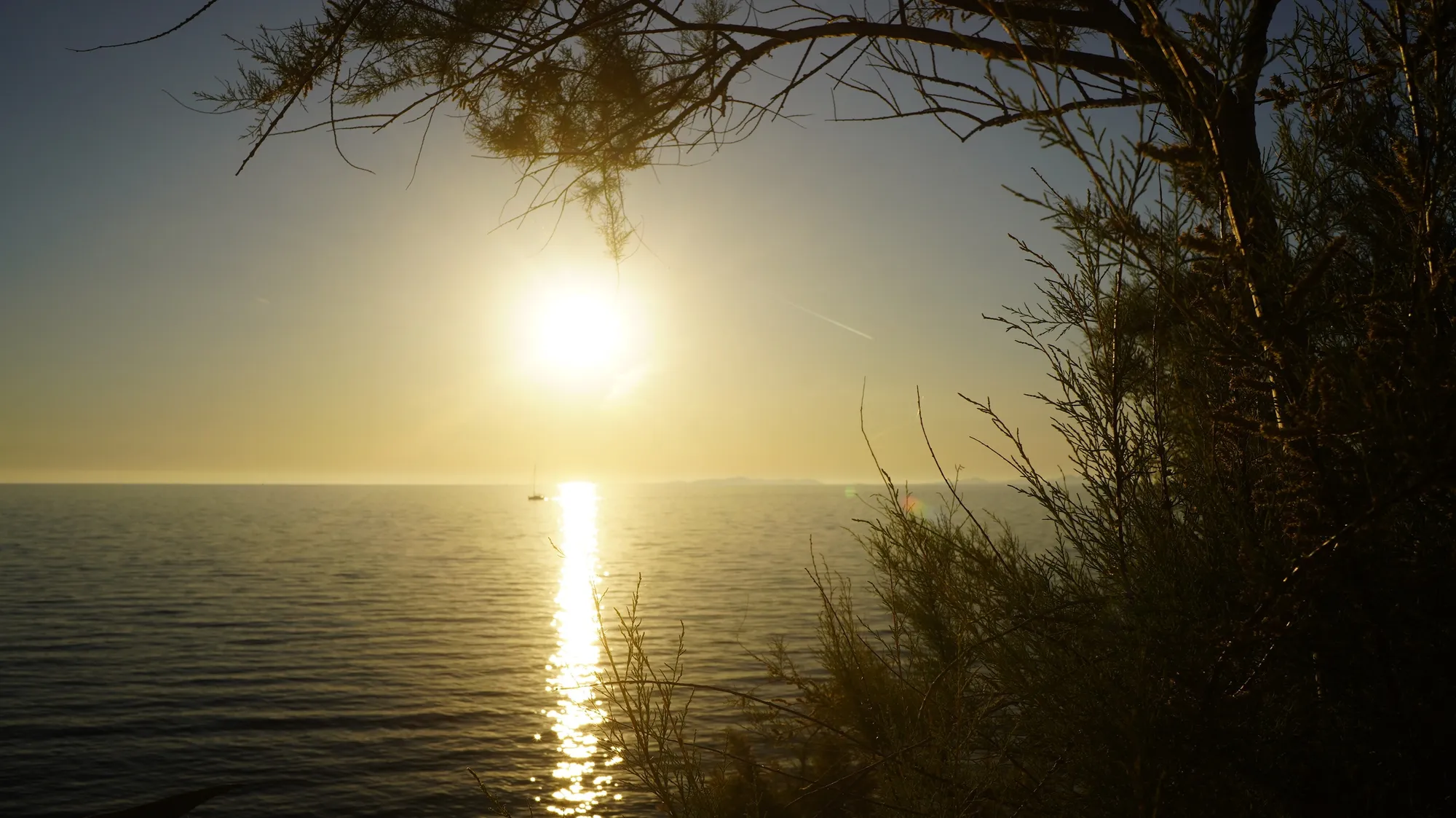
Sunset over the Adriatic Sea near Primosten, Croatia. Golden hour light bathes calm water in warm tones, with a small sailboat on the distant horizon. Rocky vegetation frames the right foreground. Clear skies and gentle conditions.

The Truth on the Street

Known issues

  • Excessive oil consumption and smoking on startup

    enginerare

    Some owners report sudden oil consumption over a quart in 800 miles and blue smoke on cold/warm starts after about 3,000 miles, particularly from the front cylinder. This appears to be a developing issue with the 2025 ST model.

The Expert Benchmark

Where this Harley-Davidson Pan America 1250 ST pulls ahead of — or falls behind — its rivals on the numbers, and the typical bike in its class on character.

What kind of bike this is — character vs. the class

This bike Class average

The shape of the Harley-Davidson Pan America 1250 ST — numbers and character vs. the average Sport Tourer

Head-to-head: Harley-Davidson Pan America 1250 ST vs. its rivals

The Long-Haul Verdict

Forget spec-sheet bragging. Here's who the Pan America 1250 ST is actually built for.

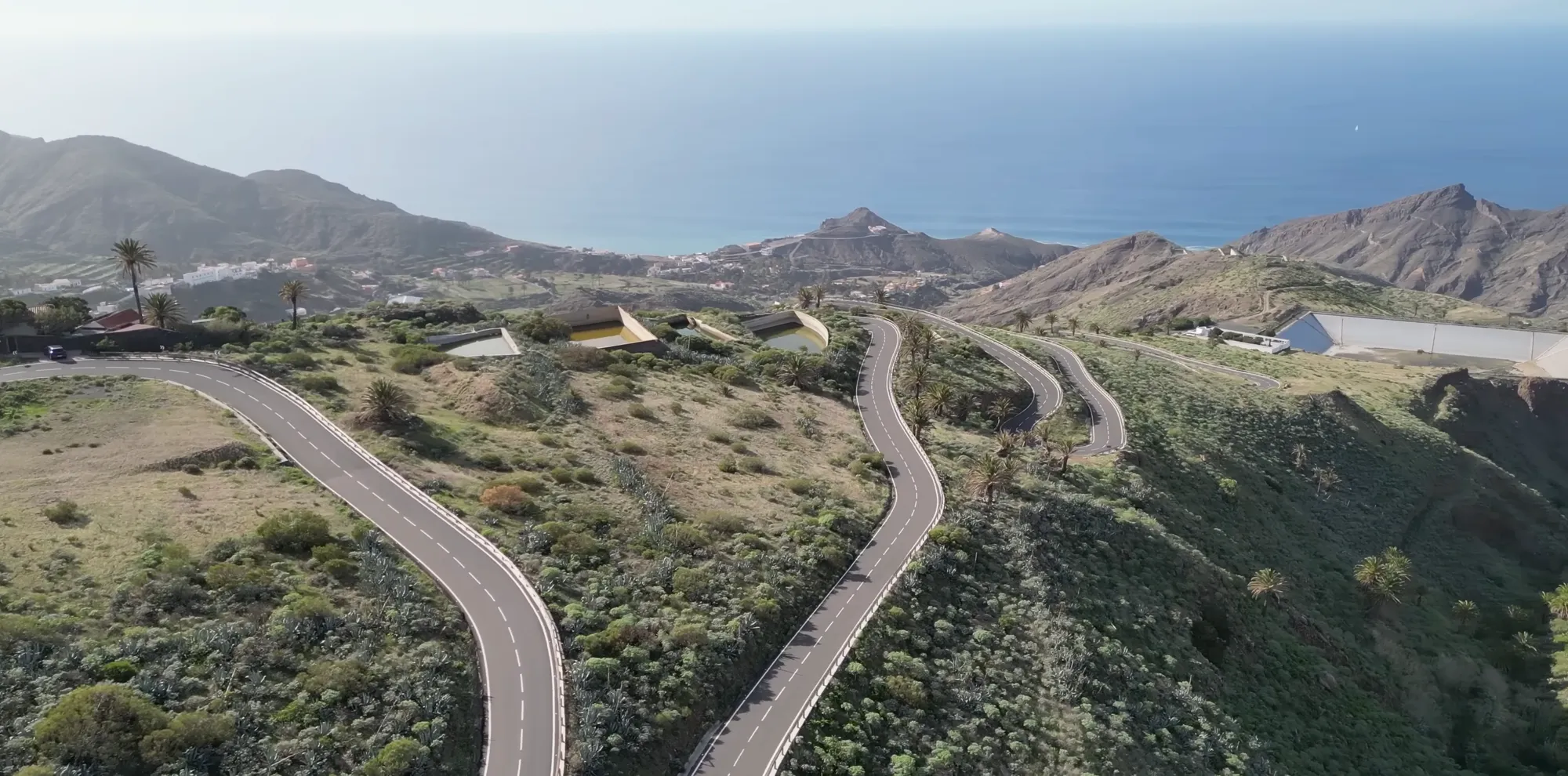
Aerial view of a winding asphalt road cutting through volcanic terrain on La Gomera, Canary Islands. The road curves through sparse green vegetation with rocky volcanic peaks visible in the background and a settled valley to the left. Clear lane markings, dry climate, partly cloudy sky.

Best motorcycle for Highway 1?

Highway 1, the Blue Ridge, and day-long twisty routes are exactly this bike's mix. It corners with real precision and carries you all day without wearing you out.

Made for Black Hills · Blue Ridge Parkway · Cherohala Skyway
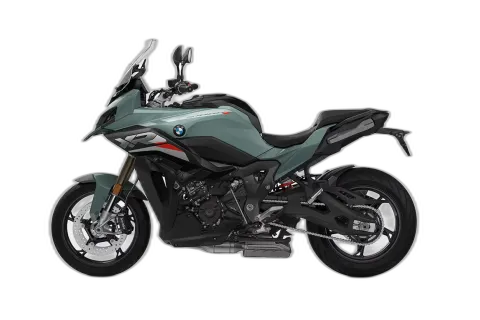
Best motorcycle for Tail of the Dragon?

For working technique on the Dragon and Cherohala, its composure rewards smoothness over bravado. The catch: it caps full hang-off before the limit, so it favors line and finesse.

Made for Back of the Dragon · Blue Ridge Parkway · Cherohala Skyway
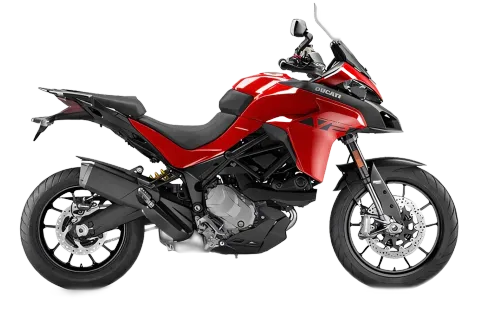
Best touring motorcycle for long distance?

For long two-up hauls to Going-to-the-Sun and Beartooth, the comfort and 5.6-gallon range deliver. Just weigh the linear engine and the optional luggage against a dedicated long-hauler.

Made for Beartooth Highway · Blue Ridge Parkway · Going-to-the-Sun Road