
Triumph Scrambler (MY2006) — Scrambler
Triumph Press

2006–2016 · Scrambler · Buyer's Guide

Scrambler (MY2006)

3.5 / 5 NastyNils Rating · against its class

Style Built Into Every Bolt

The Machine's Character

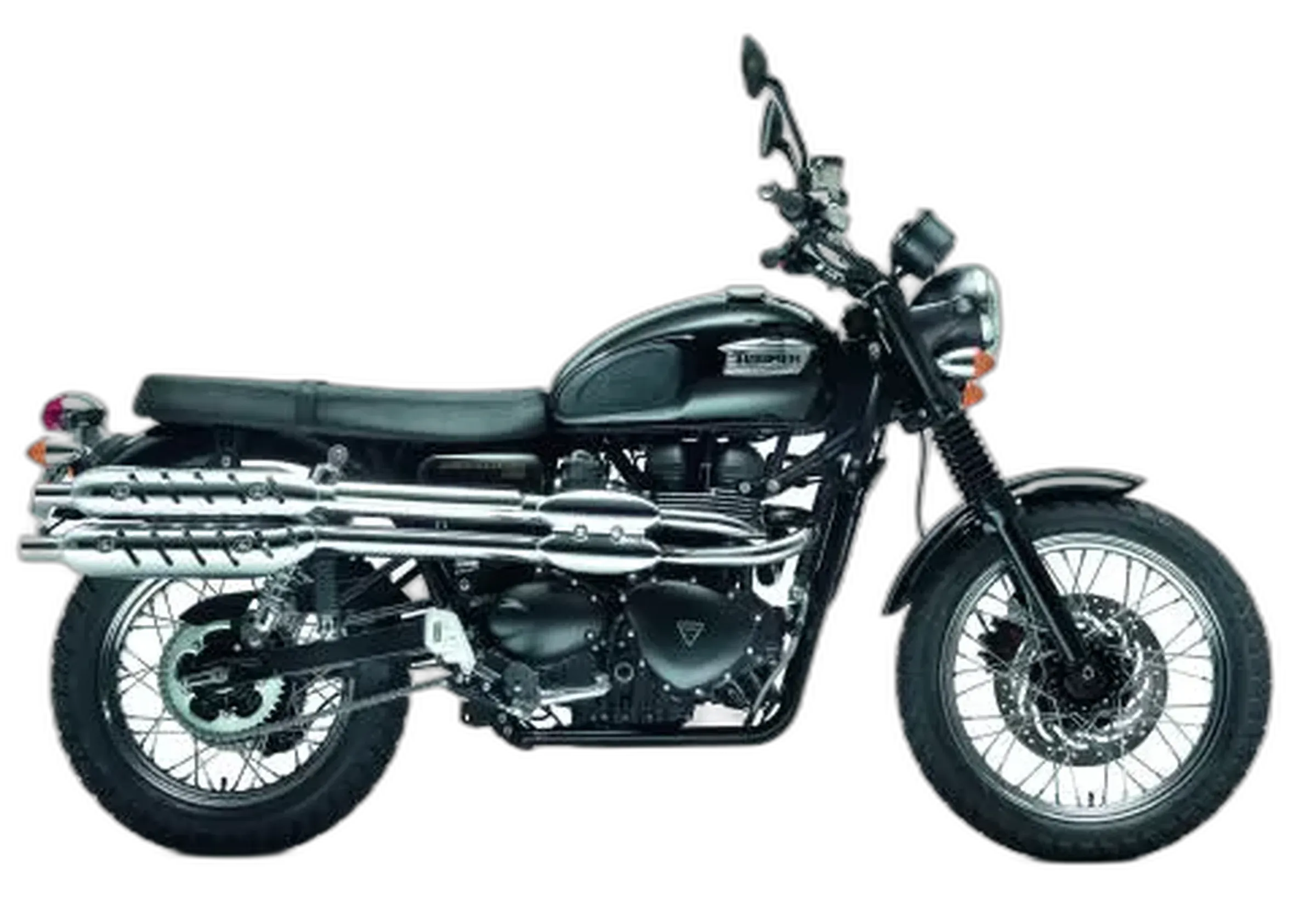
This one starts with the 865 cc air- and oil-cooled parallel twin from Triumph's Bonneville line and rebuilds the whole bike around a silhouette: twin pipes stacked high along the right flank, spoked wheels, a 19-inch front, bars set wide and tall. The 270-degree crank gives the twin an off-beat pulse rather than the flat thrum of a conventional parallel twin, and the figures back that character instead of a stopwatch. You get 59 hp at 7,000 rpm and 51 lb-ft at 5,000. It is a style-led machine first, and it never pretends otherwise.

On the road it asks almost nothing of you. Torque lands early, the 5-speed gearbox suits a lazy gait, and the bike settles into a rhythm that works as well through town as it does on a long back-road loop. It ages honestly too: running costs stay low and the mechanical side is dependable, though damp storage will dull the spokes and water can find the wiring loom. The caveat is the one the category lives and dies on. Travel is 4.7 in front and 4.2 in rear, road-bike numbers that do not match what the stance promises.

Hard Numbers

Spec sheets don't ride bikes, but they set the baseline.

Show full specs & equipment Hide specs & equipment
Key specifications
Power 59 hp (44 kW) @ 7,000 rpm
Torque 51 lb-ft (69 Nm) @ 5,000 rpm
Displacement 865 cc
Engine Parallel twin
Cooling Air/oil-cooled
Gearbox 5-speed
Final drive Chain
Fork Telescopic
Front brake 310 mm
Front tire 100/90-19
Rear tire 130/80-17
Ground clearance 5.3 in (135 mm)
Front travel 4.7 in (120 mm)
Rear travel 4.2 in (106 mm)
Seat height 32.5 in (825 mm)
Wet weight 507 lb (230 kg)
Fuel capacity 4.4 gal (16.6 L)
Top speed 105 mph (169 km/h)

Equipment check

Chassis

  • Rear Suspension Adjustable Standard
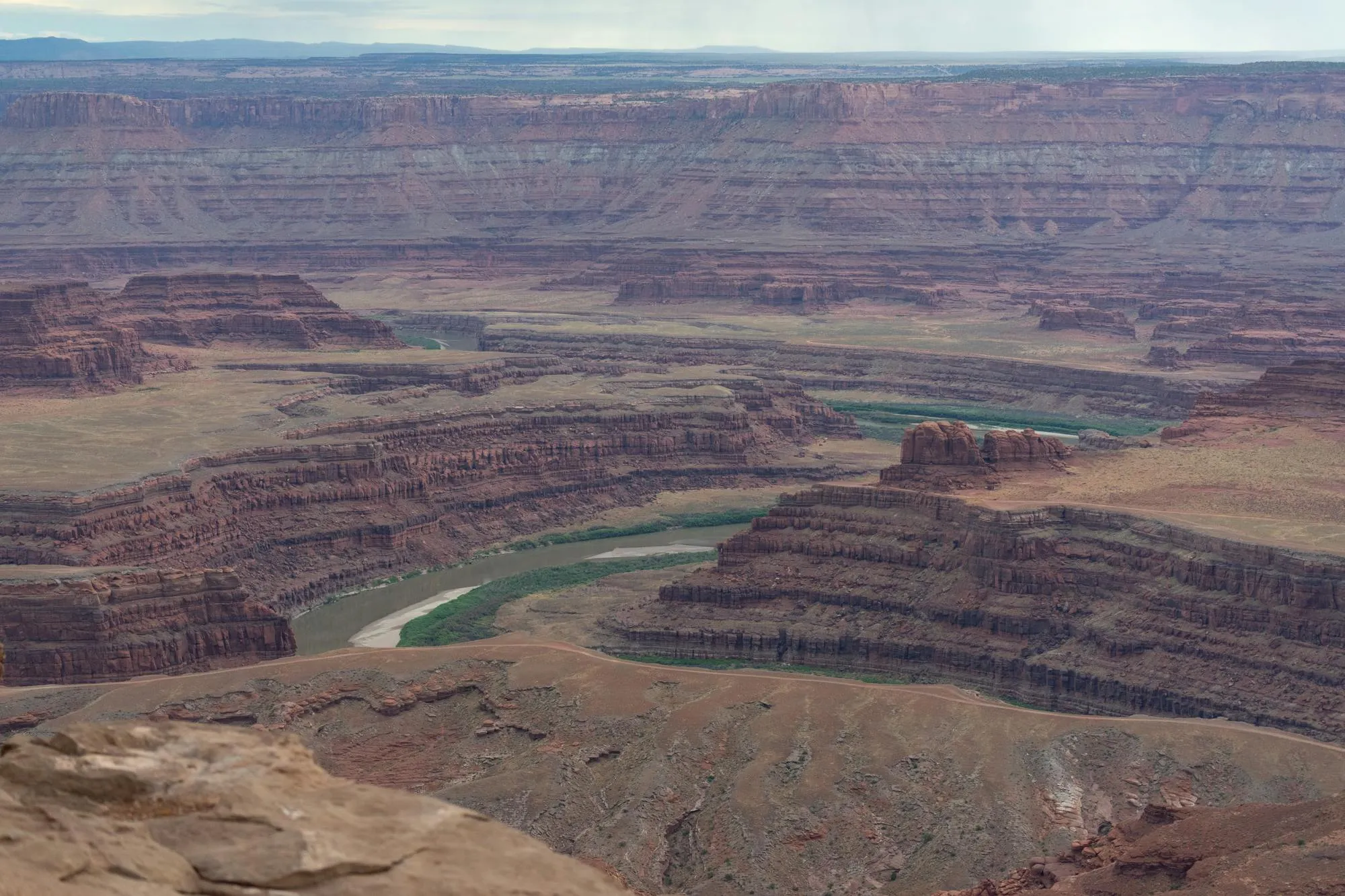
Aerial panoramic view of Dead Horse Point State Park near Moab, Utah. The Colorado River winds through deeply layered red-rock canyons and mesas characteristic of the high desert terrain. The arid landscape extends toward distant mountains under a partly cloudy sky. Daylight conditions, good visibility.
Drew Burks / Pexels

The Truth on the Street

Two decades of listening adds up. Riders talk to me in paddocks and parking lots, at club nights, and in the emails and messages that land in my inbox after they have lived with a bike a while. On this Scrambler the chatter is unusually consistent: owners love what it looks like and what it sounds like, and they plan around what it will not do.

What Owners Keep Coming Back For

The styling is what riders bring up first, and they still bring it up years into ownership. It gets looked at everywhere they park it. Close behind is the twin: a rich, uneven exhaust note and strong mid-range that owners say makes an ordinary ride feel like an occasion. The third thread is mileage. Riders describe an engine that is barely working for a living and keeps piling on the miles without trouble.

Where The Complaints Land

Three gripes recur. The weight and the power do not match the looks, and riders say overtakes get planned rather than simply taken. Suspension is the next one: harsh over poor surfaces, and it caps how hard they are willing to lean on it in corners. The seat is the third. Owners report it is fine for the first hour, then it turns into a plank, which puts real distance off the table.

Known issues

  • Electrical gremlins due to water ingress

    electrics occasional

    Water can seep into the wiring loom and connectors, causing intermittent ignition problems, particularly after heavy rain or washing. The ignition coil and pick‑up are often affected.

  • Spoke rust and corrosion

    chassis common

    Spokes on the wheels rust easily, especially if the bike is not regularly cleaned and stored in a dry environment.

The Expert Benchmark

Where this Triumph Scrambler pulls ahead of — or falls behind — its rivals on the numbers, and the typical bike in its class on character.

What kind of bike this is — character vs. the class

This bike Class average

Head-to-head: Triumph Scrambler vs. its rivals

The 'Should I Buy It?' Score

Forget spec-sheet bragging. Here's who the Scrambler is actually built for.

A scenic view of Angeles Crest Highway winding through rugged Southern California canyon terrain. Rocky mountainsides with golden earth tones frame the asphalt road with tight sweeping curves. Double yellow center line visible, sparse vegetation along the shoulders, clear blue sky with white clouds. Daylight, dry conditions. Iconic location for canyon-road enthusiasts.
Josh Sorenson / Pexels

Best retro motorcycle for road trips?

This is your bike. It suits the unhurried pace of historic routes and two-lane country roads, and it looks the part parked outside every diner and general store you stop at.

Made for Acadia National Park · Austin / Handbuilt Motorcycle Show · Blue Ridge Parkway
Best cruiser for Sturgis?

The presence and the sound are there, and it draws a crowd at any gathering. Just know you are riding an upright twin, not a cruiser, and there is no factory luggage to hang on it.

Made for Black Hills / Sturgis Rally Hub · A1A — Florida Atlantic Coast · Daytona Main Street / Bike Week

Best motorcycle for Texas Hill Country?

Fine company on flowing Hill Country loops if you ride for the rhythm and the stops. With 59 hp and short travel, it is not the tool for chasing a hard sporting pace.

Made for Austin / Texas Hill Country · Texas Hill Country BDR-X · Twisted Sisters

Alternatives to the Triumph Scrambler

If this one isn't quite the fit, these are the bikes worth riding back-to-back against it.

Any price note compares both bikes at the same age — the youngest age both have on the used market — against this Triumph Scrambler. “cheaper/pricier” is what that bike costs second-hand, not how worn it is.