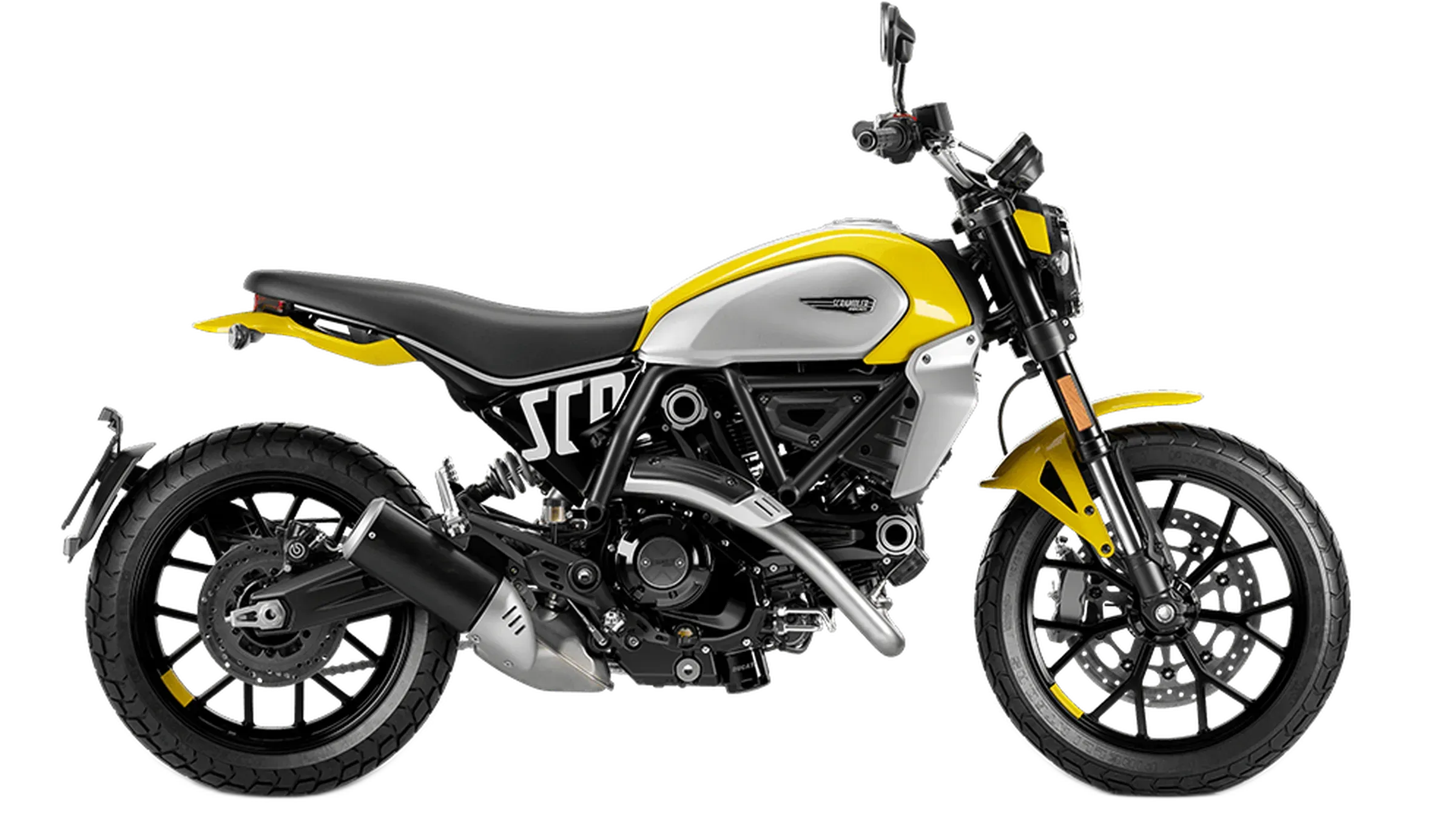
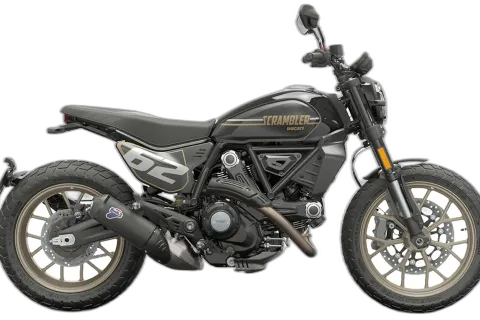
Ducati Scrambler Icon (MY2023) — Scrambler
Ducati Press

2023–2024 · Scrambler · Buyer's Guide

Scrambler Icon (MY2023)

Style That Actually Rides

The Machine's Character

The Icon is built around an 803 cc air-cooled L-twin making 73 hp and 48 lb-ft, and Ducati kept that engine deliberately analog while modernizing everything around it. Ride-by-wire power modes, cornering ABS, traction control, a TFT display and LED lighting all run quietly in the background instead of putting menus between you and the road. The chassis is what earns the scrambler badge: 5.9 in (150 mm) of travel at both ends and 6.9 in (176 mm) of ground clearance, real numbers rather than a naked bike wearing rugged styling. At 408 lb (185 kg) wet it sits at the friendly end of the middleweight class.

On the road it delivers what the looks promise. It turns quickly, holds a line without argument, and stays composed at the pace most riders actually use, while the low weight keeps slow-speed work from ever feeling like a job. This is a bike for riders who want style with genuine substance under it, on back roads and through towns rather than on long interstate hauls. The honest caveat is ownership detail. The chain rusts faster than your lube schedule deserves, exposed fasteners dull early, and the front rotor can warp under normal use. On a fresh delivery, check around the oil filter and engine bolts for weeping.

Hard Numbers

Spec sheets don't ride bikes, but they set the baseline.

Show full specs & equipment Hide specs & equipment
Key specifications
Power 73 hp (54 kW) @ 8,250 rpm
Torque 48 lb-ft (65 Nm) @ 7,000 rpm
Displacement 803 cc
Engine L-twin
Cooling Air-cooled
Gearbox 6-speed
Final drive Chain
Fork Upside-down (USD)
Front brake 330 mm
Front tire 110/80-18
Rear tire 180/55-17
Ground clearance 6.9 in (176 mm)
Front travel 5.9 in (150 mm)
Rear travel 5.9 in (150 mm)
Seat height 31.4 in (798 mm)
Wet weight 408 lb (185 kg)
Fuel capacity 3.6 gal (13.5 L)

Equipment check

Chassis

  • Rear Suspension Adjustable Standard

Comfort

  • Heated Grips Optional

Connectivity

  • TFT Display Standard
  • Smartphone Connectivity Optional

Drivetrain

  • Slipper Clutch Standard

Lighting

  • LED Headlight Standard

Safety

  • ABS Standard
  • Cornering ABS Standard
  • Traction Control Standard
  • Ride Modes Ducati Ride-by-Wire Power Modes Selectable ride modesRefined throttle response Standard

Signature Tech

The named systems that set this bike apart — and what each one does for you.

Drivetrain

  • Ducati Quick Shift (DQS) Up/Down Optional
    • Clutchless riding
    • Full throttle upshift
    • Auto blip downshift
    • Seamless power shifts

The Voice of Experience

Portrait of NastyNils

The test ride

Swing a leg over the 31.4 in (798 mm) seat and nothing about the bike asks anything of you. Slim bar, minimal cluster, clean sightlines, and an air-cooled twin that thumps rather than shouts. The wide handlebar gives leverage you feel in your forearms, and at 408 lb (185 kg) the machine simply vanishes in parking lots and tight U-turns the way heavier bikes never do. Over a multi-day run through the Balkans, broken tarmac, gravel and uneven back roads passed under the wheels without the bike beating me up for it. The mental state it sets is the unusual part. One rider on that trip spent a day in freezing rain, including hours lost after taking the wrong border crossing, and rolled into camp liking the bike more than when he left.

Rated point by point — where it earns its keep

My own 0–100 score for this bike against the class, area by area — the marker on each bar is the class average.

What surprised me most is what all that travel doesn't cost. Long-legged suspension usually leaves you with a chassis that floats and guesses the moment you lean on it. This one stays put. It settles into a corner, keeps the line I gave it, and never drifts through one of those undefined phases where you wait to find out what the bike decided. That is Ducati chassis knowledge showing up at a level of the range where it often doesn't bother. The payoff lands in your right wrist, because a platform this settled lets you feed in power sooner than the bike's stance suggests. Two limits are worth knowing. Push past a relaxed highway pace on broken surfacing and the chassis starts telling you it is working hard, and long open sweepers are where it sits least comfortably. Find genuine lean and the hard parts touch down with nothing to warn you first.

One disc up front reads as thin equipment until you look at what is clamping it. The radial four-piston Brembo and the lean-aware ABS gave me full confidence on narrow, off-camber passes where getting the speed off actually decided something, and I never once wondered whether the electronics would hold up their end. The limit is load. Ride it heavy down a long descent and the front starts feeling underspecified, asking for a second rotor it doesn't have. For the roads this bike belongs on, it is enough.

What I like about this twin is how mechanical the connection feels. It answers the wrist directly, with no layer of processing sitting in between, and that keeps the whole thing honest. Working the gearbox on a good back road turns into a conversation rather than a negotiation, and I never found myself riding around a flat spot. The ceiling is low, and you meet it the second the road straightens and something stronger walks away. In this bike's context, I'll take the character.

The measure of this bike isn't a list of things it can do. It is how wide the range of days is where you still want to ride it. Good mood, bad mood, good weather, weather that makes other people cancel: the temperament doesn't shift with any of it. I watched that hold up under conditions that strip the charm out of most machines, cold and soaked and hours behind schedule, and the rider rolled in wanting more of it rather than less. That is the thing I'd trust here. There is enough personality in the way it delivers to keep an experienced rider engaged, and none of the tax that usually comes attached to character, so the machine stays useful across far more of the calendar than its size and simplicity would lead you to expect.

Comfort here comes from the setup being matched to the job rather than to a brochure. Days of gravel, patched tarmac and back roads that quit pretending years ago went by without the fork or shock punishing me for using them, and I got off at the end still willing to ride. Low mass handles the rest at walking speed, where the machine stops being something you manage. One physical gripe: there are no rubber studs on the pegs, so at hard lean a boot can slide off the platform. Most riders will never find that. I did.

Day to day, the electronics stay out of the way, and I count that as a feature. Dry and wet, plus traction control that reads lean angle, and that is the whole conversation. Nothing to configure before the first ride, nothing to hunt through at a fuel stop. The one piece of daily hardware that misses is the USB-A socket. It lives under the seat, so it is useless while you are moving and a nuisance the moment you actually want it. Cheap thing to get right, and they didn't.

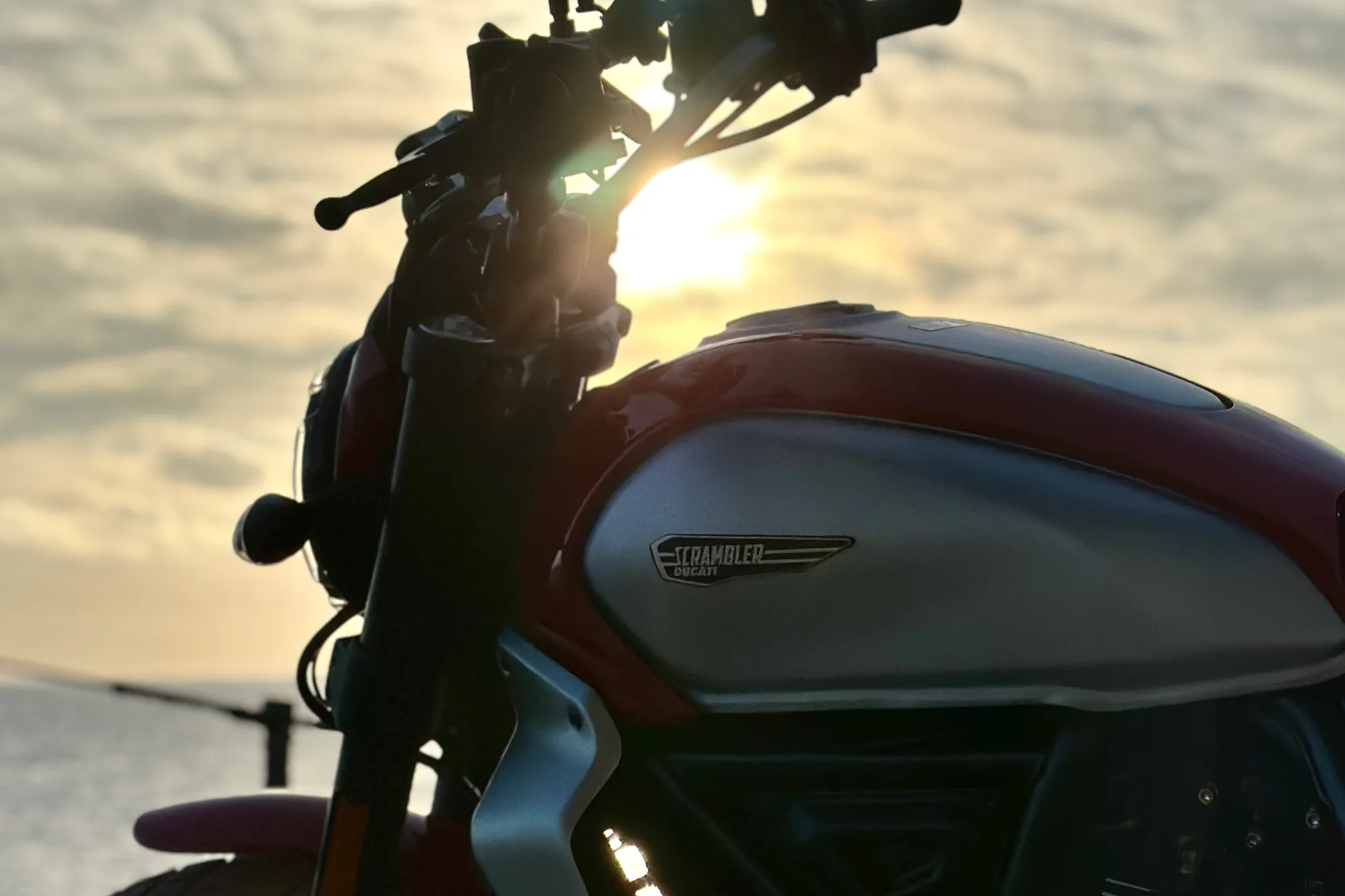
A Ducati Scrambler MY2023 parked overlooking the ocean at golden hour in the Canary Islands. The motorcycle is photographed in three-quarter view with the sun behind the bike, creating dramatic backlighting. The water and horizon are visible in the soft background. No rider present. High-quality composition with natural lighting.
Nils Mueller
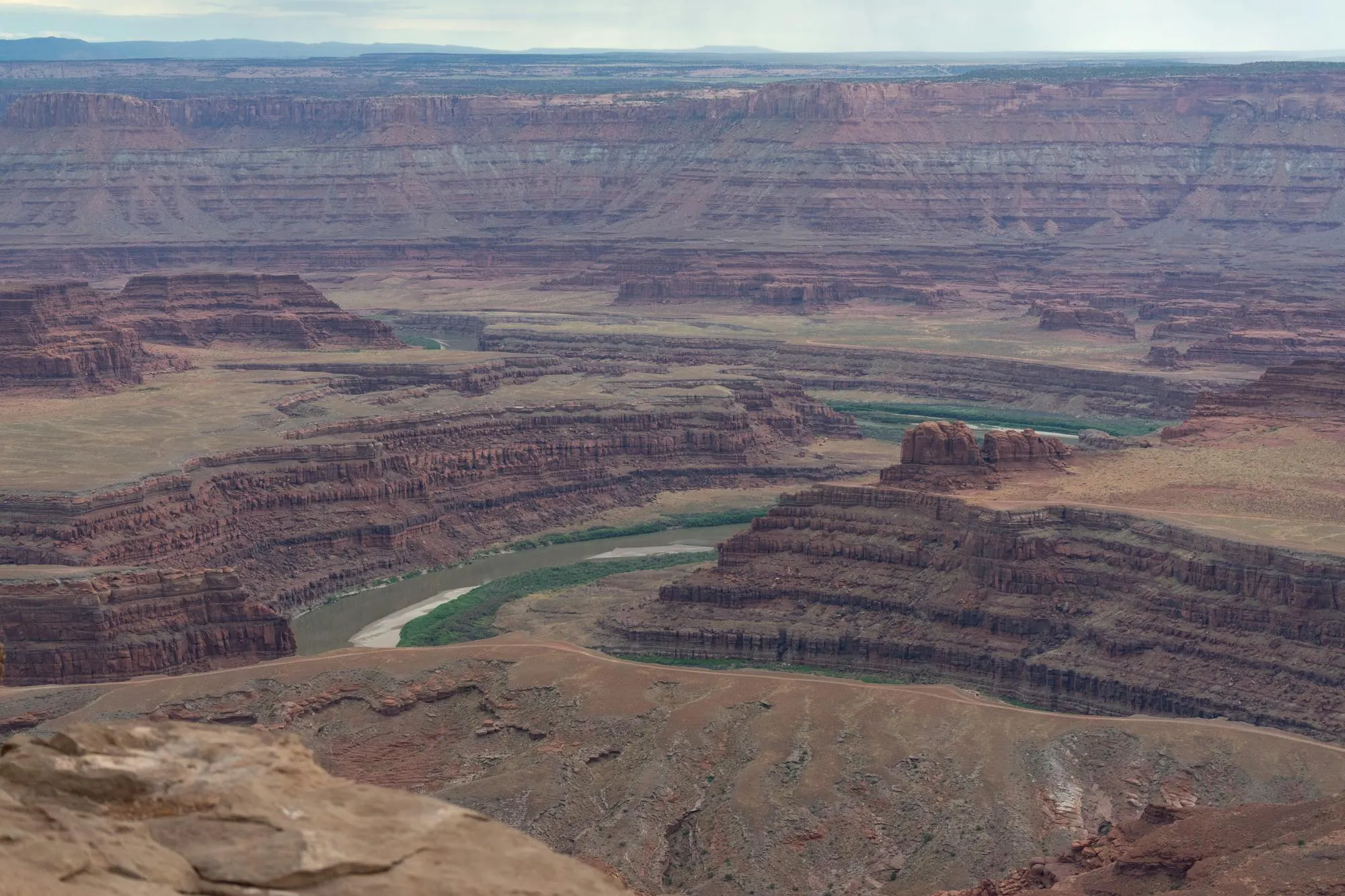
Aerial panoramic view of Dead Horse Point State Park near Moab, Utah. The Colorado River winds through deeply layered red-rock canyons and mesas characteristic of the high desert terrain. The arid landscape extends toward distant mountains under a partly cloudy sky. Daylight conditions, good visibility.
Drew Burks / Pexels

The Truth on the Street

This is community sentiment, gathered the slow way. Years of talk at bike nights, at gas stops and service counters, plus the messages riders send me once they've had a full season on a machine. On the Icon that chatter splits cleanly in two. The riding and the looks draw steady warmth, and ownership draws steady complaint.

What owners bring up first

The thing riders say again and again is how little the bike asks of them physically. They describe moving through town traffic without giving it thought and changing direction with almost no input at the bar, and they credit the low weight for most of it. The engine gets nearly as much airtime. Owners talk about a throttle that answers immediately and a mid-range that keeps back roads and city work lively without wearing them down. Looks matter to this group too: the headlight shape and the swappable tank panels come up constantly, and riders like that the factory color choices let them make the bike their own. A few also report a lighter clutch pull and cleaner shifts than the older generation gave them.

The two complaints that dominate

Two gripes outrank everything else. Riders describe the low-speed fueling as abrupt, closer to a switch than a dial, and it makes bottom-gear town work jerky enough to sour people who otherwise praise the engine. The other is upkeep. Valve service every 7,500 miles (12,000 km) is a fixture of ownership conversation, and owners are candid that it adds up against what many rivals ask. A smaller but persistent set of reports covers finish: oil weeping on delivery, front rotors going out of true, fasteners corroding.

The gripes that don't cluster

Past that, the complaints stop grouping and become individual voices. A few owners find the stock headlight too weak to trust after dark and replace it. Others mention the narrow steering lock making U-turns and tight parking clumsy, or the suspension feeling unsettled when the pace rises on rough pavement. There are riders who find the seat harder work on long days than the one it replaced, and some who call the bars too wide to be practical in traffic.

Known issues

  • Warped front brake rotor

    brakes rare

    Front brake rotor may warp under normal use, causing pulsing at the lever and reduced braking performance; replacement is often needed.

  • Oil leaks from factory assembly

    engine rare

    Loose oil filter or incorrectly torqued engine bolts can cause oil leaks immediately after delivery, sometimes requiring truck recovery.

  • Rapid chain and fastener corrosion

    drivetrain occasional

    The chain rusts faster than expected even with regular lubrication, and exposed fasteners (fuel cap screws, exhaust washers) show premature corrosion.

The Expert Benchmark

Where this Ducati Scrambler Icon pulls ahead of — or falls behind — its rivals on the numbers, and the typical bike in its class on character.

What kind of bike this is — character vs. the class

This bike Class average

Head-to-head: Ducati Scrambler Icon vs. its rivals

The 'Should I Buy It?' Score

Forget spec-sheet bragging. Here's who the Scrambler Icon is actually built for.

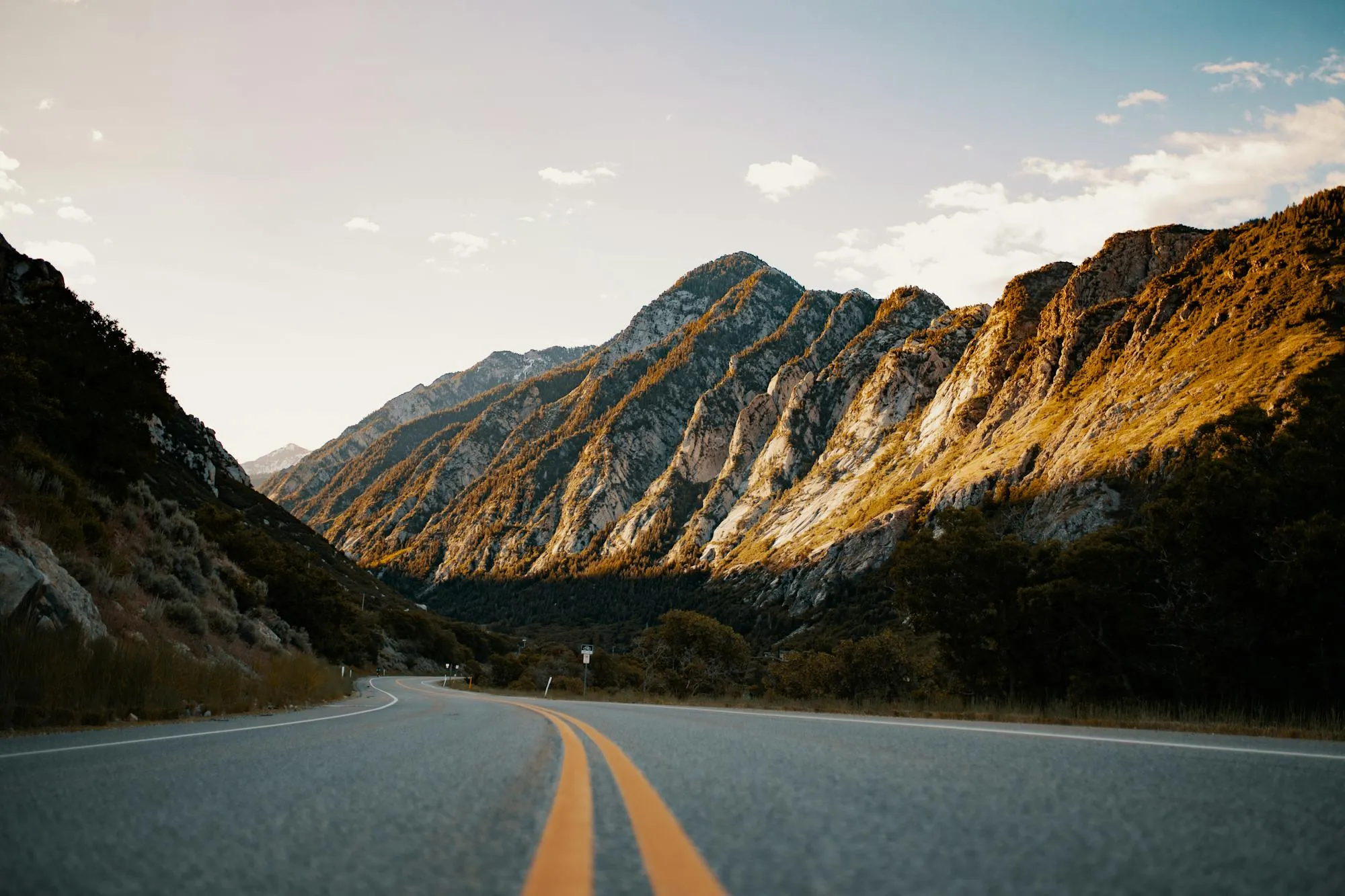
A scenic view of Angeles Crest Highway winding through rugged Southern California canyon terrain. Rocky mountainsides with golden earth tones frame the asphalt road with tight sweeping curves. Double yellow center line visible, sparse vegetation along the shoulders, clear blue sky with white clouds. Daylight, dry conditions. Iconic location for canyon-road enthusiasts.
Josh Sorenson / Pexels

Best retro motorcycle for road trips?

For Vermont 100 and Kancamagus days at an unhurried rhythm, this is exactly the bike. Just plan around the 3.6 gal (13.5 L) tank and skip the interstate slabs between the good roads.

Made for Acadia National Park · Austin / Handbuilt Motorcycle Show · Blue Ridge Parkway
Best motorcycle for Texas Hill Country?

It turns in fast, holds its line, and never intimidates, which is most of what Hill Country asks for. On the long open stretches to get there, you will feel the power ceiling.

Made for Austin / Texas Hill Country · Twisted Sisters · Austin / Handbuilt Motorcycle Show

Alternatives to the Ducati Scrambler Icon

If this one isn't quite the fit, these are the bikes worth riding back-to-back against it.

Any price note compares both bikes at the same age — the youngest age both have on the used market — against this Ducati Scrambler Icon. “cheaper/pricier” is what that bike costs second-hand, not how worn it is.