Yamaha Tricity 300 (MY2020) — Scooter
Yamaha press archive

2020–2026 · Scooter · Buyer's Guide

Tricity 300 (MY2020)

4 / 5 NastyNils Rating · against its class

Leans Hard, Stands Still

The Machine's Character

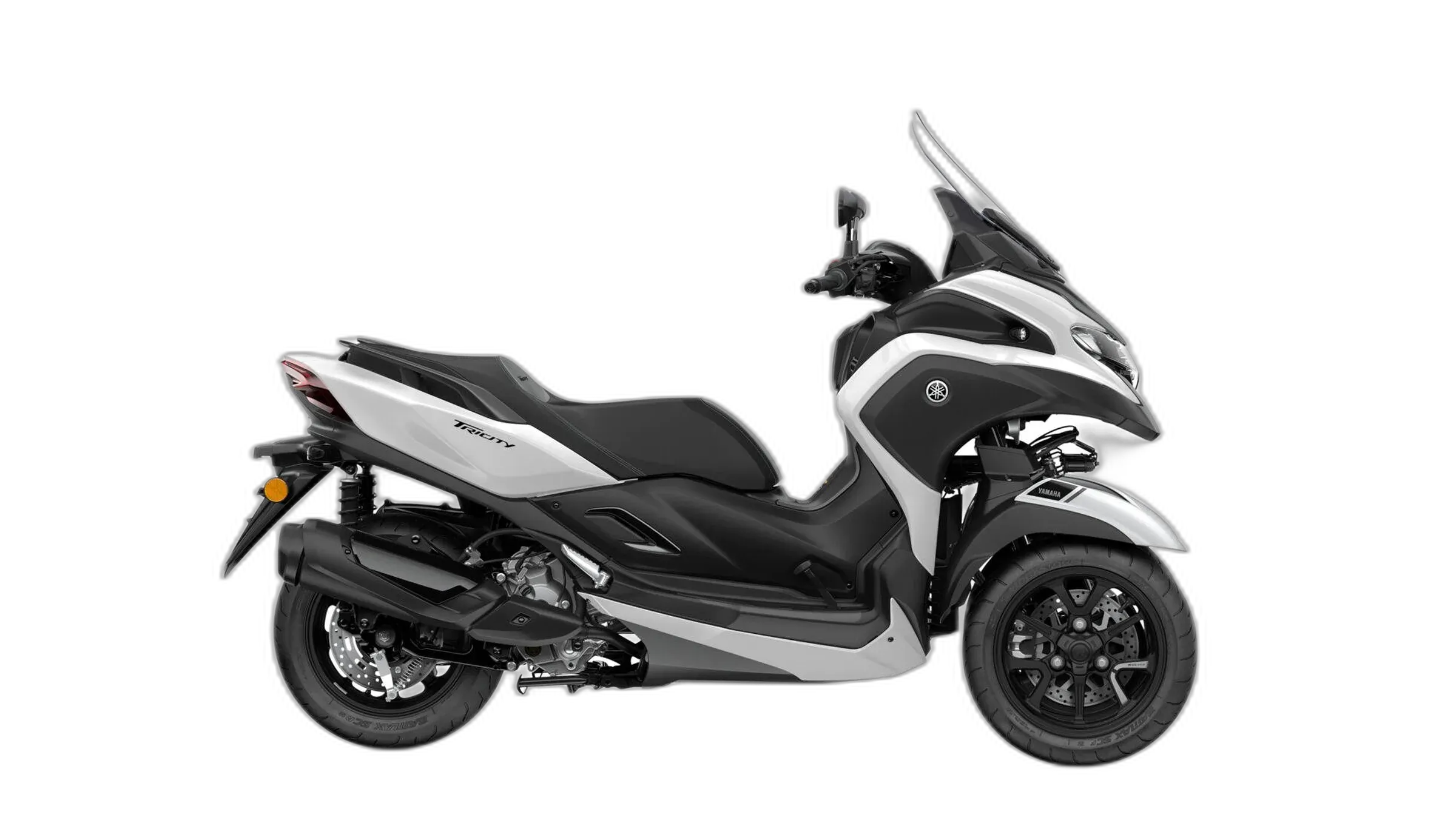
The Tricity 300 answers a worry many city riders share, the front tire, with hardware: it has two of them. Yamaha calls the layout LMW, short for Leaning Multi-Wheel. Both 14-inch front wheels lean together like a motorcycle's, so you get two contact patches up front instead of one. Power comes from the liquid-cooled 292 cc single it shares with the XMAX 300, rated at 28 hp and 21 lb-ft. ABS and traction control are standard. Safety comes first here.

The 527 lb (239 kg) wet weight reflects that extra wheel and its leaning linkage. Yamaha's Standing Assist system locks the mechanism at a standstill, so the scooter stays upright at a light without you putting a foot down. Add a 31.3 in (795 mm) seat, a keyless system, a center stand, adjustable rear suspension, underseat storage and bodywork built for weather protection, and the hardware points to one rider: someone who commutes every day, in any weather, and values grip over pace. A 90 mph (145 km/h) top speed covers the highway stretch. Fuel economy is listed at 71 mpg (US). Pure utility!

Hard Numbers

Spec sheets don't ride bikes, but they set the baseline.

Show full specs & equipment Hide specs & equipment
Key specifications
Power 28 hp (21 kW) @ 7,250 rpm
Torque 21 lb-ft (28 Nm) @ 5,750 rpm
Displacement 292 cc
Engine Single-cylinder
Cooling Liquid-cooled
Fork Telescopic
Front brake 267 mm
Front tire 120/70-14
Rear tire 140/70-14
Seat height 31.3 in (795 mm)
Wet weight 527 lb (239 kg)
Fuel capacity 3.4 gal (13 L)
Top speed 90 mph (145 km/h)
Fuel economy 71 mpg (US)

Equipment check

Chassis

  • Manually Adjustable Rear Suspension Standard

Connectivity

  • Keyless System Standard

Safety

  • ABS Standard
  • Traction Control Standard
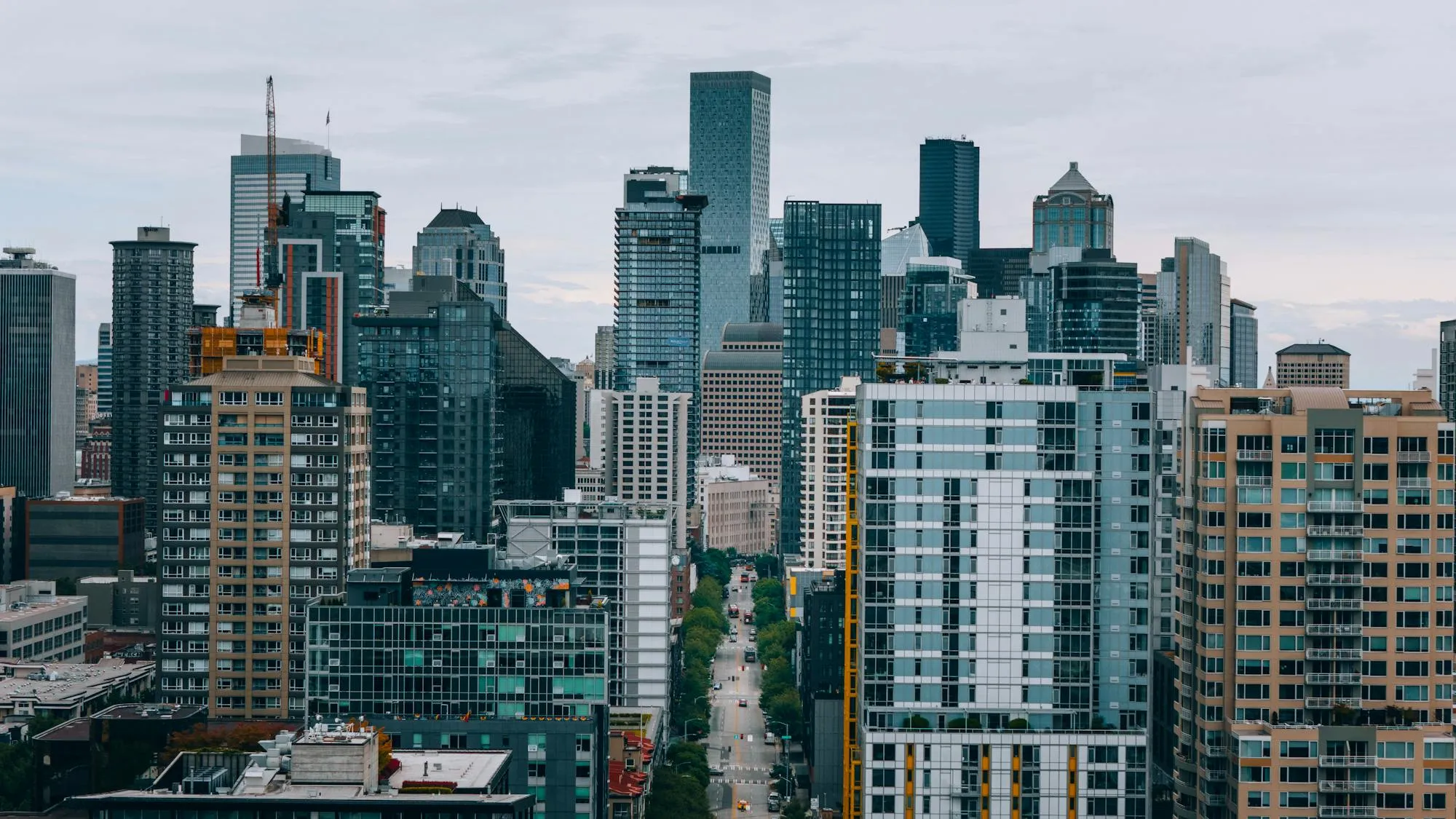
Elevated aerial view of Seattle's downtown skyline looking toward the city core along a dense urban street canyon. A mix of glass-and-steel skyscrapers and mid-rise residential towers fills the frame. A construction crane is active on the left. The street below carries light vehicle traffic flanked by mature street trees.
Josh Hild / Pexels

Known issues

  • Standing Assist System recall: mechanism may not release correctly

    chassis rare Recall

    A safety recall was issued because the Standing Assist System does not release immediately after deactivation, potentially affecting stability when pulling away.

  • Front LMW leaning mechanism wear/stiffness

    chassis occasional

    Over time, the leaning linkage can develop stiffness or grinding due to dirt ingress or worn bearings; regular inspection and lubrication are essential.

  • Front tire uneven wear from misaligned wheels

    chassis occasional

    Improper alignment of the LMW front wheels can cause uneven or cupped tire wear, requiring careful monitoring and adjustment.

  • CVT belt wear under stop‑start city riding

    drivetrain occasional

    Continuous low‑speed stop‑and‑go traffic accelerates wear on the CVT belt, leading to slipping and eventual replacement earlier than expected.

  • Underseat storage latch failure

    bodywork rare

    The latch mechanism for the underseat storage compartment may become sticky or fail, preventing secure closure.

The Expert Benchmark

Where this Yamaha Tricity 300 pulls ahead of — or falls behind — its rivals on the numbers, and the typical bike in its class on character.

What kind of bike this is — character vs. the class

This bike Class average

Head-to-head: Yamaha Tricity 300 vs. its rivals

The 'Should I Buy It?' Score

Forget spec-sheet bragging. Here's who the Tricity 300 is actually built for.

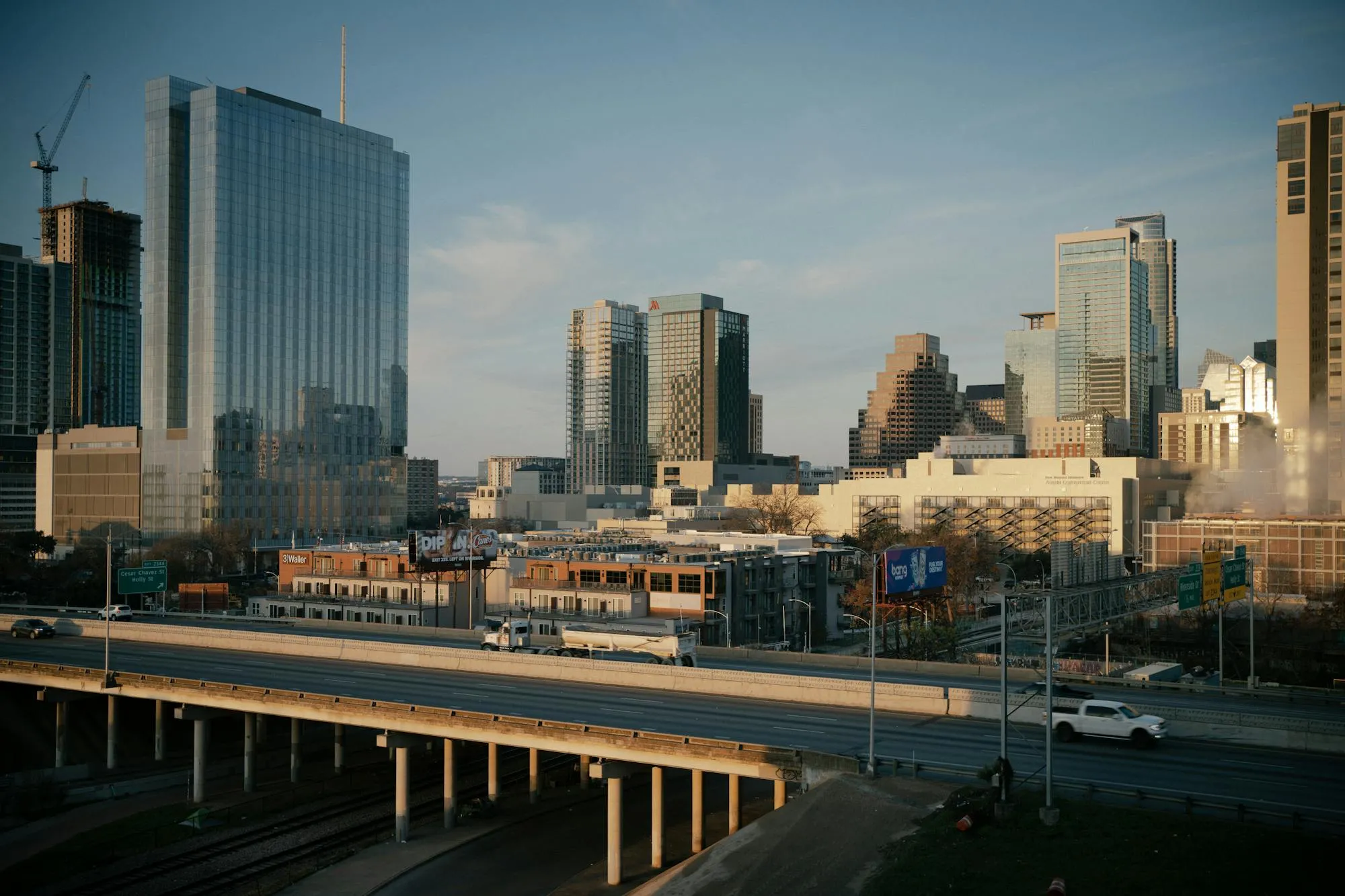
Aerial photograph of downtown Austin, Texas, showing modern high-rise buildings against a clear blue sky. Urban infrastructure, highways, and parking structures visible in the foreground.
Thomas Balabaud / Pexels

Best scooter for NYC?

This is the best fit here: storage, weather protection, 71 mpg (US) and a Standing Assist that holds the bike up at lights. For short daily trips in dense traffic, it's built for exactly what you do.

Made for New York City · Austin · Los Angeles
Best motorcycle for Bay Area?

A solid match for your weekday city commute, with a keyless system and ABS on board. For weekend ridge roads, know what you're buying: the Tricity is built for confidence, not speed.

Made for San Francisco Bay Area · Skyline Boulevard · Big Sur Coast Highway

Alternatives to the Yamaha Tricity 300

If this one isn't quite the fit, these are the bikes worth riding back-to-back against it.

Any price note compares both bikes at the same age — the youngest age both have on the used market — against this Yamaha Tricity 300. “cheaper/pricier” is what that bike costs second-hand, not how worn it is.