Best scooter for NYC?
If your riding is short trips, tight parking and low bills, this is the best fit here: automatic drive, standard ABS, generous storage and a 125 cc single that costs little to run.
Made for New York City · Austin · Los Angeles

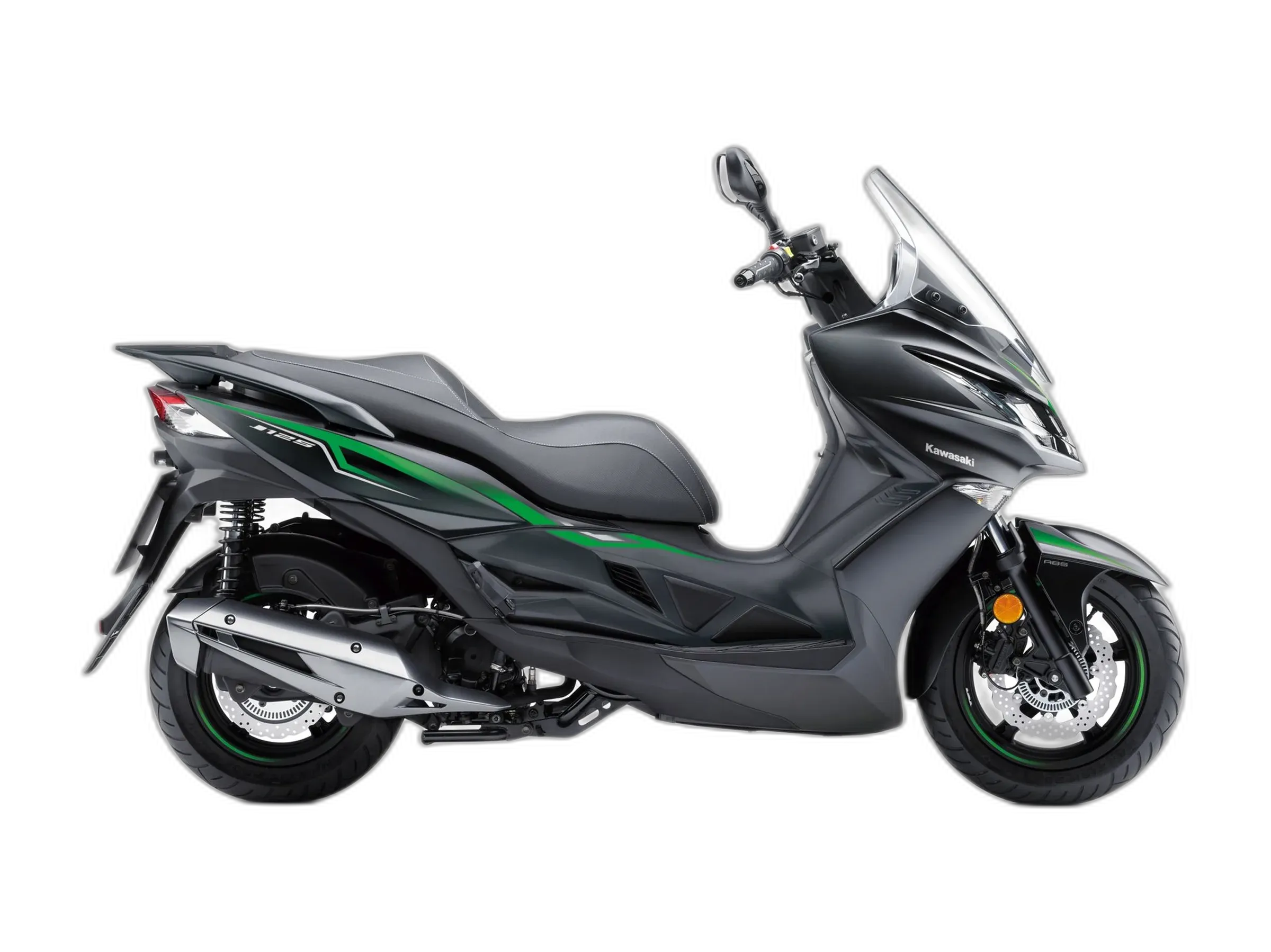
2016–2021 · Scooter · Buyer's Guide
Kawasaki Presence, 125cc Pragmatism
The J125 is a 125 cc scooter built on a full-size scale. A liquid-cooled single makes 14 hp at 9,000 rpm and 8 lb-ft at 7,000 rpm, sent through an automatic transmission and a belt final drive. Around it sits a steel tube frame with a 61.2 in (1,555 mm) wheelbase, a 14-inch front and 13-inch rear wheel, and a wet weight of 401 lb (182 kg). ABS is standard, and that's the whole rider-aid list. The styling borrows from the ZX-10R, so it reads as a Kawasaki first and a commuter second. In the 125 class, this is the big one.
Read the spec sheet and the job is clear: daily urban transport with as little fuss as possible. Twist-and-go drive, a 30.5 in (775 mm) seat and simple controls point to a scooter you can step onto and use straight away. The small single and 3.4 gal (13 L) tank keep running costs low, storage is generous for the class, and a luggage system is available as an option. The fork isn't adjustable, while the rear shock takes preload. On paper, 14 hp carrying 401 lb is built for city pace, not for hurry. Honest hardware, sensibly aimed!
Spec sheets don't ride bikes, but they set the baseline.
| Power | 14 hp (10 kW) @ 9,000 rpm |
|---|---|
| Torque | 8 lb-ft (12 Nm) @ 7,000 rpm |
| Displacement | 125 cc |
| Engine | Single-cylinder |
| Cooling | Liquid-cooled |
| Final drive | Belt |
| Fork | Telescopic |
| Front brake | 260 mm |
| Front tire | 120/80-14 |
| Rear tire | 150/70-13 |
| Wheelbase | 61.2 in (1555 mm) |
| Seat height | 30.5 in (775 mm) |
| Wet weight | 401 lb (182 kg) |
| Fuel capacity | 3.4 gal (13 L) |
Equipment check
Chassis
Comfort
Safety

What follows isn't from a test day. It comes from years of listening: riders talking at meets, owners cornering me at club nights, and the steady stream of messages and emails that land in my inbox from people who actually put the miles on. The pattern on the J125 is unusually consistent. Owners talk about it as a bigger machine that behaves like a smaller one, and their complaints cluster tightly around size and pace rather than anything breaking.
The most repeated observation, and it comes up almost every time, is that the weight disappears once you're moving. Riders describe it sitting low and slung underneath them, nimble in traffic, with a steady pendulum feel at crawling speeds that builds confidence quickly. Running right alongside that is genuine surprise at the engine. Owners call it eager and willing, happy to pull to an indicated 62 mph and quick enough off the line to leave cars behind. Beyond the way it moves, the recurring praise is domestic: a wide, deeply padded seat with a backrest that people compare to an armchair, underseat space that takes a full-face helmet and a briefcase, a front cubby, a bag hook. Owners also report the thing simply doesn't give them trouble, with no pattern of mechanical complaint in what reaches me.
The gripes are specific and they repeat. Some owners note the weight when the bike isn't rolling, calling it heavy for its class and slower off the mark than lighter scooters. The transmission draws a mild recurring comment: a slight hesitation on first crack of the throttle that riders say you learn to work around. Taller owners are the most vocal group here. Past six feet, several describe the footboards pinning their legs into a fixed bend with nowhere to stretch. And more than a few mention pace, saying top speed sits around an indicated 65 to 70 mph, so faster roads take planning rather than throttle.
Where this Kawasaki J125 pulls ahead of — or falls behind — its rivals on the numbers, and the typical bike in its class on character.
Power
Torque
Displacement
Wet weight
Seat height
Forget spec-sheet bragging. Here's who the J125 is actually built for.
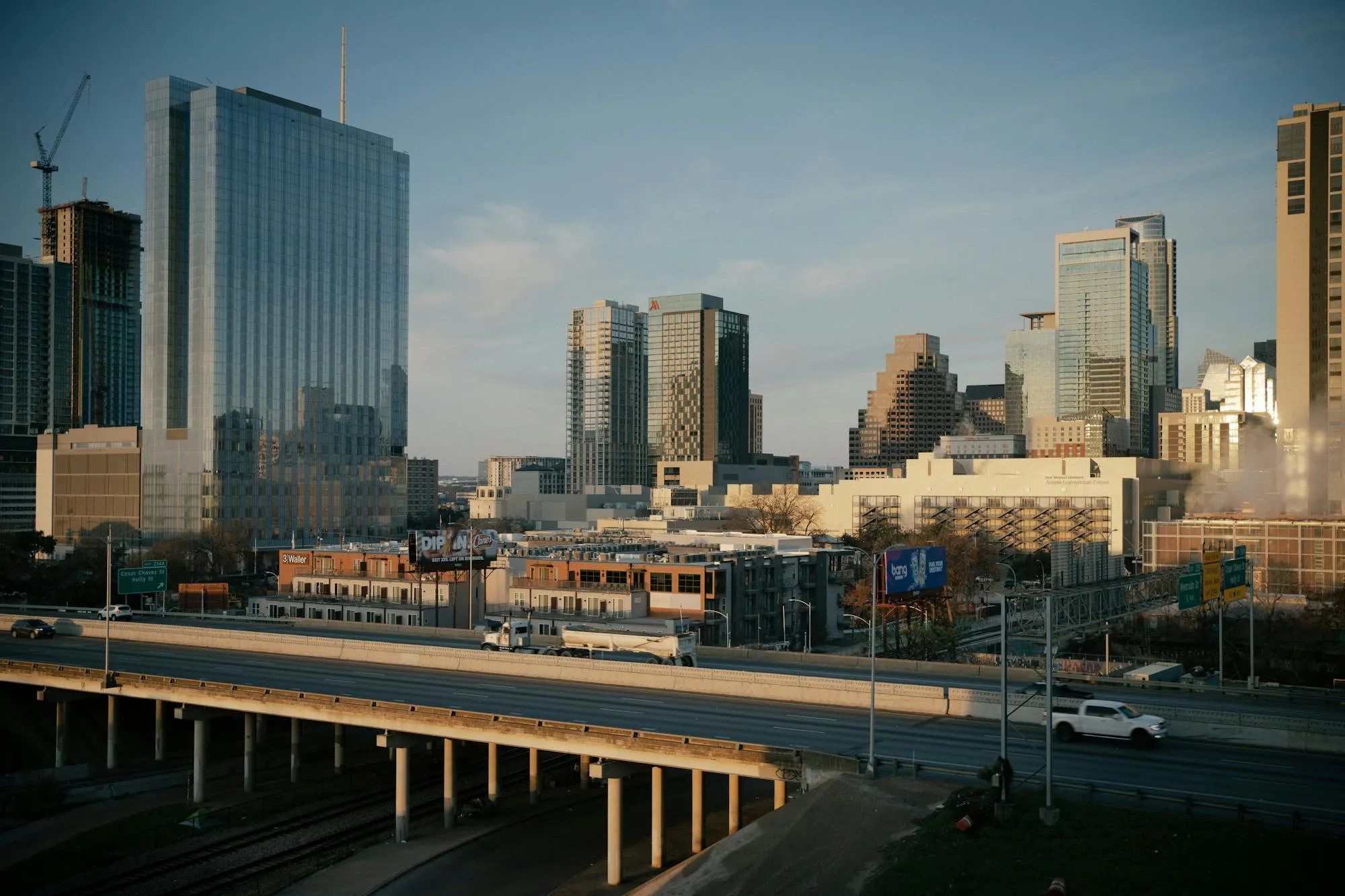
If your riding is short trips, tight parking and low bills, this is the best fit here: automatic drive, standard ABS, generous storage and a 125 cc single that costs little to run.
Made for New York City · Austin · Los Angeles
It covers your city commute cleanly and the ZX-10R-inspired looks suit the meetup, but 14 hp moving 401 lb is thin for weekend ridge roads. A partial fit: weekday tool, not the Sunday bike.
Made for Bay Area Ridge Roads · San Francisco / Bay Area · Skyline Boulevard / Alice's Restaurant
If this one isn't quite the fit, these are the bikes worth riding back-to-back against it.