
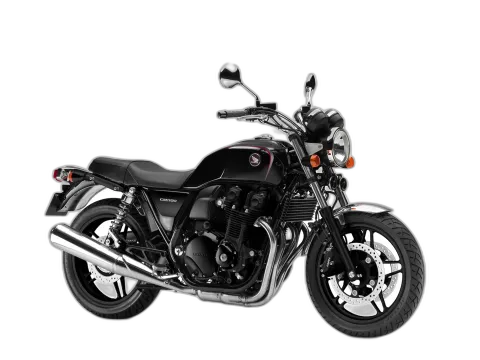
Yamaha XJR 1300 Racer (RP17) — Naked Bike
NastyNils / Yamaha Press

2015–2017 · Naked Bike · Buyer's Guide

XJR 1300 Racer (RP17)

Old Iron, Factory Finished

The Machine's Character

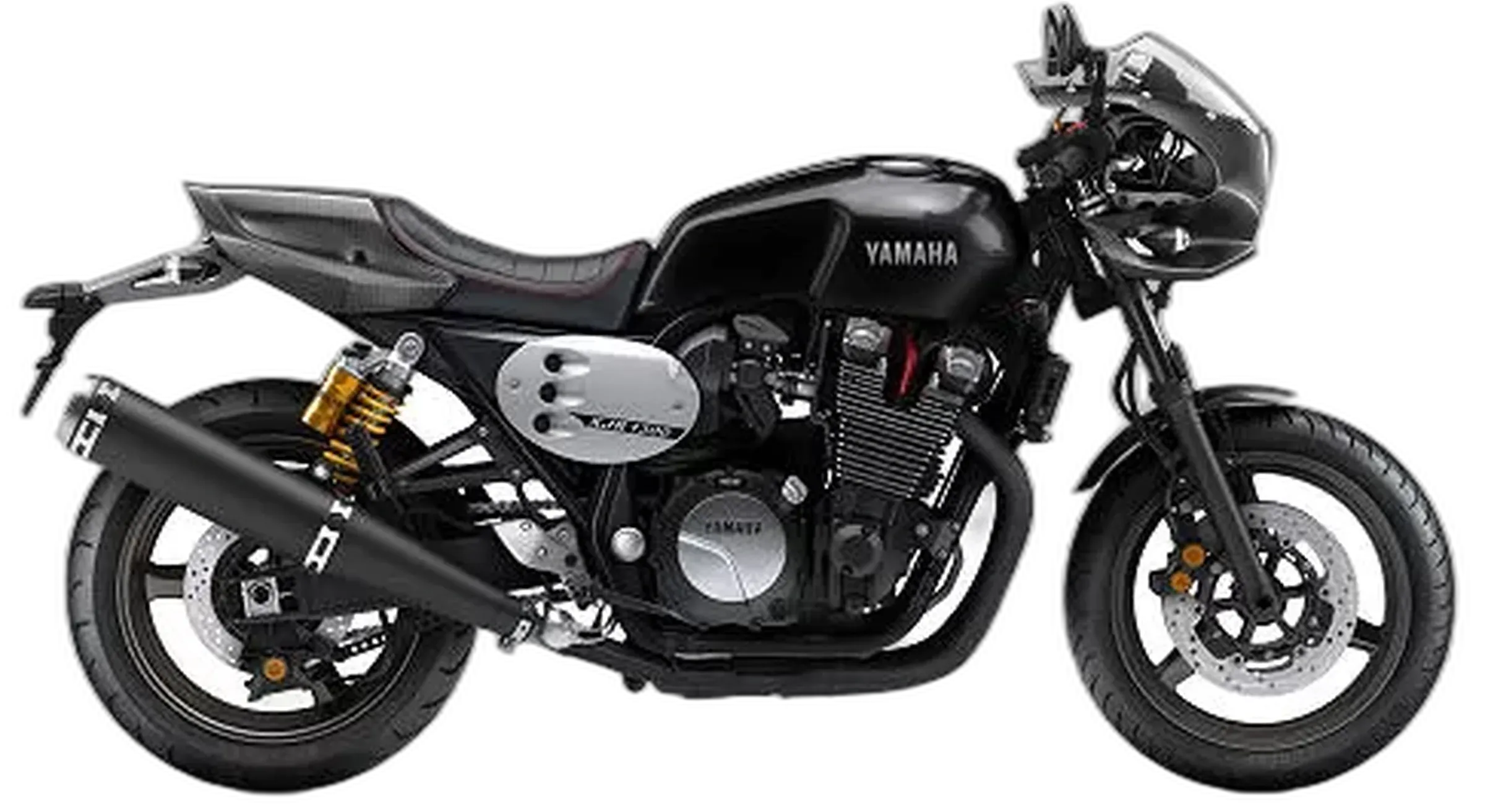
The XJR 1300 Racer is Yamaha's factory take on the cafe racer, built around an air-cooled 1251 cc inline-four that makes 98 hp and 80 lb-ft. This is the analog end of the naked class. There's no ABS, no traction control, no ride modes. What you get instead is hardware: a fully adjustable fork, twin Ohlins shocks out back, and R1-derived four-piston monobloc calipers on 298 mm discs. A carbon nose fairing, solo carbon seat, and low clip-ons set the forward-leaning stance. The massive finned block hangs out both sides of the frame and tells you what this bike is before you thumb the starter.

On the road it rides like its looks promise: torquey, honest, and heavy with presence. That 529 lb wet weight and firm stock suspension favor a smooth, committed hand over quick flicks, but the low-end pull is genuine and the chassis stays planted at speed. It ages well too. Reliability is a real strength here, and running costs stay reasonable for a bike of this displacement. Who's it for? The rider who wants character and a statement in the garage more than everyday convenience. The honest caveat: the standard XJR is the easier daily companion. The Racer trades comfort for cool.

Hard Numbers

Spec sheets don't ride bikes, but they set the baseline.

Show full specs & equipment Hide specs & equipment
Key specifications
Power 98 hp (72 kW) @ 8,000 rpm
Torque 80 lb-ft (108 Nm) @ 6,000 rpm
Displacement 1251 cc
Engine Inline-four
Cooling Air-cooled
Gearbox 5-speed
Final drive Chain
Fork Telescopic
Front brake 298 mm
Front tire 120/70 ZR 17
Rear tire 180/55 ZR 17
Seat height 32.5 in (824 mm)
Wet weight 529 lb (240 kg)
Fuel capacity 3.8 gal (14.5 L)
Top speed 143 mph (230 km/h)

Equipment check

Chassis

  • Front Suspension Adjustable Standard
  • Rear Suspension Adjustable Standard

The Voice of Experience

Portrait of NastyNils

The test ride

Thumb the starter and the standard Akrapovic makes an event of it; even rolling out of a parking lot carries a little ceremony. Settle into the Racer's clip-on crouch and the first few miles feel stiff and a touch staged, then your body finds it and the posture turns natural. The throttle is the reminder that this is old-school mechanical: it takes real physical effort to work, and on a long day your right hand knows it. Heat is the other companion. Keep moving and airflow holds the big four in check, but stop in traffic and it becomes a radiator with nowhere to send the warmth, loading your inner thighs and groin. The stock suspension arrives firm. Two minutes with a screwdriver at a fuel stop and the whole character softens into something you'd actually choose.

Rated point by point — where it earns its keep

My own 0–100 score for this bike against the class, area by area — the marker on each bar is the class average.

What I keep coming back to is how little this big four asks of you at low speed. Let the revs sink to almost nothing pulling away and it gathers itself and goes, no clutch drama in sight. Then comes the surprise: for a motor that looks like it climbed out of the eighties, the cold start and pickup feel genuinely current. Roll it open from a stop and there's no smoothing, no softening, just the full weight of all that displacement handed straight to the rear wheel.

Handling here is a question of whether you'll reach for a screwdriver. Straight off the showroom floor the setup runs firm, firm enough that it drew open complaints during the test. But the hardware is proper Öhlins, and the adjustment sits right there waiting. Two minutes at a fuel stop and the whole character shifts from unyielding to something you'd actually pick for the road you're on. The compliance is built in. You just have to be the kind of rider who bothers to dial it in rather than living with what you were handed.

My one real flag is the rubber it rolls out of the factory on. Everything holding those wheels is top-grade kit, and then the tires wrapped around them plainly aren't in the same class. You feel the mismatch, a good chassis quietly capped by what it's riding on. The good news is it's the cheapest fix on the bike relative to what you paid. Swap to a quality tire at the first change and the chassis finally gets to show what it's been holding back the whole time.

This is a bike that tells you its whole story before you touch the throttle. The finned, air-cooled block hangs out past the frame on both sides and sets the tone in a way no water-cooled motor could fake. The honesty of it is the point. What seals it for me is that the Racer arrives already finished. Carbon nose, the low seating position, the factory pipe, all fitted and sorted from the moment you collect it. There's no wish list, no accessories catalog left to trawl. You're paying for something that's already the thing it means to be.

Comfort is where the Racer collects its bill. The riding position feels stiff and a touch awkward for the opening miles, then your body quietly reorganizes and it reads as natural for the rest of the day. Heat is the harder companion. Keep moving and airflow holds it in check, but roll to a stop in traffic and the big four turns into a radiator with nowhere to shed the warmth, loading your inner thighs and groin until you get rolling again. There's no fix for it standing still; only speed brings relief.

Be honest with yourself about how you'll actually use this thing. For daily duty the standard XJR is the smarter pick every time, and it isn't close: more room in the saddle, ergonomics that stay kind through stop-and-go, the plain feel of a bike you'd genuinely live with. The Racer chose a different job. Its presence, its stance, the whole statement of it comes straight out of that everyday ease. You're buying image and paying in practicality, and only you can decide the trade is worth it.

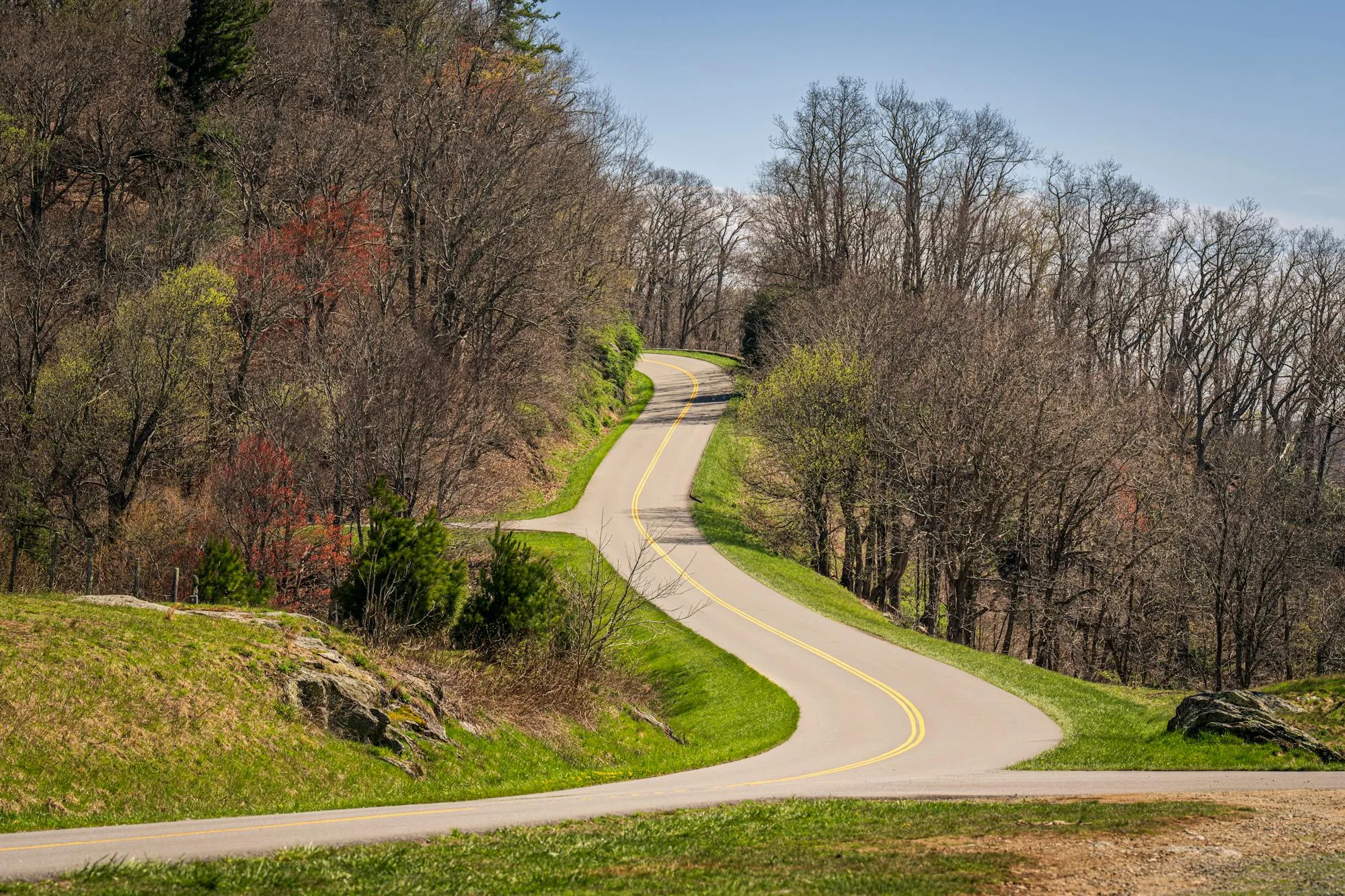
A winding asphalt road descending through the Appalachian Mountains, likely the famous Tail of the Dragon section in Tennessee and North Carolina. Multiple technical right-hand and left-hand curves are visible in this aerial perspective, surrounded by deciduous forest in spring foliage. Clear sunny conditions, well-maintained asphalt with yellow center lines marking the curves.
Mark Stebnicki / Pexels

The Truth on the Street

Everything below is the riders talking, not me. It comes out of years of listening: owners I've traded notes with and the emails that arrive after someone has put a season on one. The consensus sums up quickly: warm regard for the motor and suspension, set against frustration over how the bike treats you across distance.

The parts owners rave about

Top of the list, by a wide margin, is that big air-cooled four. Owners describe a motor thick with personality, one that lays down usable pull from just off idle and shrugs off passing traffic. Close behind sits the suspension, credited for soaking up broken pavement while staying composed. A steady chorus vouches for how long these engines last, and the café look keeps its own admirers.

The bills it hands you

Then the frustrations, in a familiar order. Heft tops it: at 529 lb (240 kg) wet, owners report real effort to change line quickly or move it at walking pace. The forward-stretched posture is the next refrain, the low clip-on bars and minimal seat padding wearing riders down once a ride runs long. A smaller group flags the modest fuel capacity of 3.8 gal (14.5 L) shortening range, no ABS or electronic safeguards, and uncertain wet grip on the factory tires.

Known issues

  • EXUP valve sticking

    exhaustoccasional

    If the bike is left standing, the exhaust valve can seize, causing fault codes and reduced low-end performance.

  • Regulator/rectifier failure

    electricsrare

    Occasional electrical issues caused by a failing regulator/rectifier, leading to charging problems or battery drain.

  • Sump drain plug overtightening crack

    enginerare

    DIY oil changes can lead to overtightened drain plugs that crack the sump, requiring expensive repair.

  • Thin paint on exhaust

    bodyworkcommon

    The black paint on the exhaust wears through or scratches easily, revealing bare metal and rust spots.

  • Oil cooler radiator stone damage

    coolingoccasional

    The exposed oil cooler radiator is vulnerable to stone chips, which can lead to leaks.

The Expert Benchmark

Where this Yamaha XJR 1300 Racer pulls ahead of — or falls behind — its rivals on the numbers, and the typical bike in its class on character.

What kind of bike this is — character vs. the class

This bike Class average

The shape of the Yamaha XJR 1300 Racer — numbers and character vs. the average Naked Bike

Head-to-head: Yamaha XJR 1300 Racer vs. its rivals

The 'Should I Buy It?' Score

Forget spec-sheet bragging. Here's who the XJR 1300 Racer is actually built for.

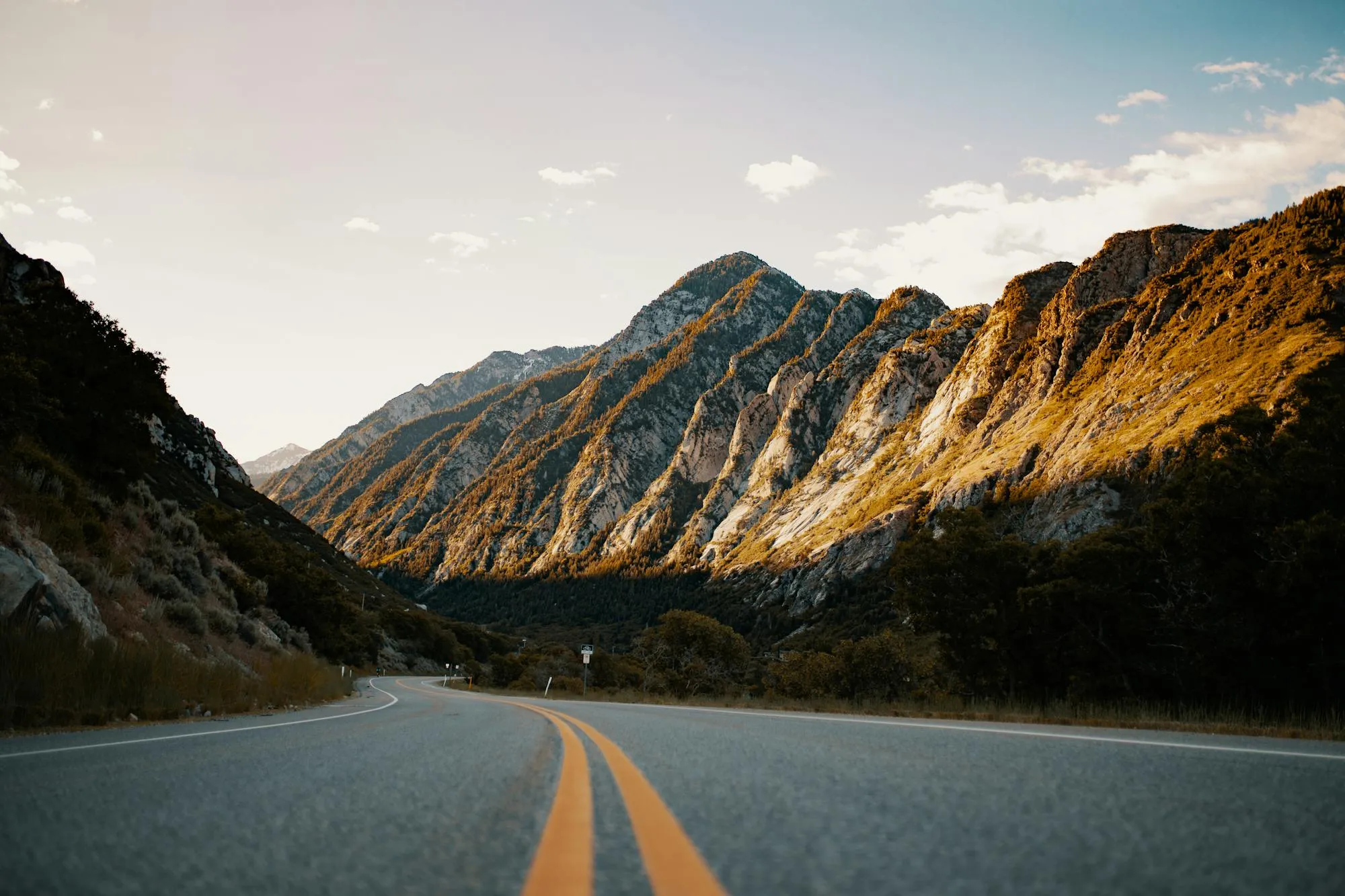
A scenic view of Angeles Crest Highway winding through rugged Southern California canyon terrain. Rocky mountainsides with golden earth tones frame the asphalt road with tight sweeping curves. Double yellow center line visible, sparse vegetation along the shoulders, clear blue sky with white clouds. Daylight, dry conditions. Iconic location for canyon-road enthusiasts.
Josh Sorenson / Pexels

Best motorcycle for Angeles Crest?

You chase precision on Angeles Crest, and this isn't the scalpel for that job. At 529 lb on clip-ons, it rewards a smooth line and real presence over quick flicks. Dial the Ohlins in first.

Made for Angeles Crest Highway · Coronado Trail / US 191 · Highway 1 / Big Sur
Best motorcycle for Tail of the Dragon?

On tight, repeated switchbacks the weight shows, so this suits a smooth, committed hand more than rapid direction changes. What you get back is planted stability and honest low-end drive off slow corners.

Made for Back of the Dragon · Blue Ridge Parkway · Cherohala Skyway

Best motorcycle for Texas Hill Country?

This is your best fit of the three. The Akrapovic soundtrack and cafe-racer presence belong on a Hill Country weekend and the coffee-stop crowd. Just know it runs hot in town and the saddle asks for commitment.

Made for Austin / Texas Hill Country · Twisted Sisters · Austin / Handbuilt Motorcycle Show

Alternatives to the Yamaha XJR 1300 Racer

If this one isn't quite the fit, these are the bikes worth riding back-to-back against it.

Any price note compares both bikes at the same age — the youngest age both have on the used market — against this Yamaha XJR 1300 Racer. “cheaper/pricier” is what that bike costs second-hand, not how worn it is.