·

KTM 990 Super Duke (MY2005) — Naked Bike
NastyNils / KTM Press

2005–2013 · Naked Bike · Buyer's Guide

990 Super Duke (MY2005)

Orange Aggression On A Trellis

The Machine's Character

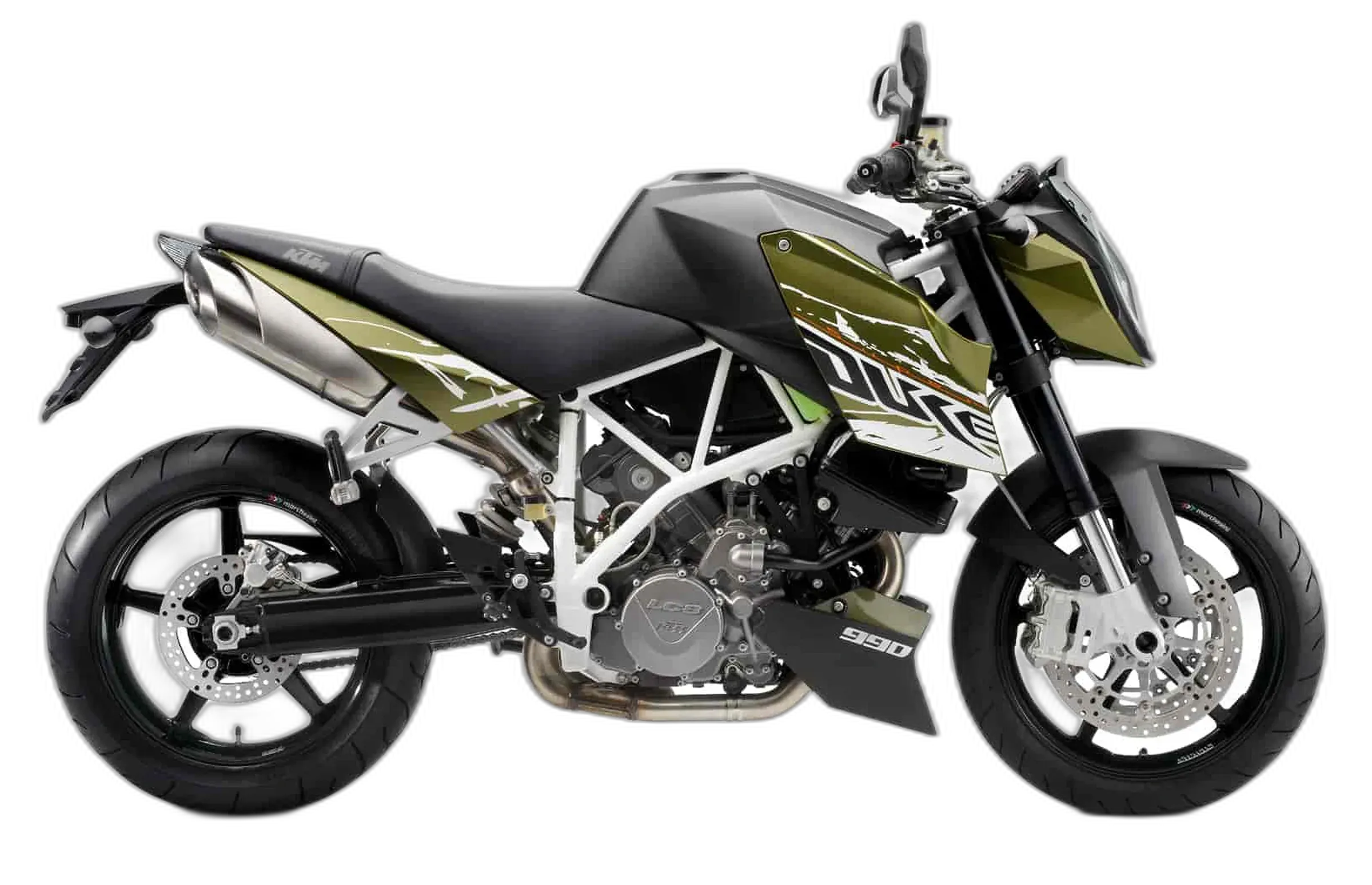
The 990 Super Duke is built around a 999 cc, 75° V-twin making 120 hp and 73 lb-ft, wrapped in a chassis that refuses to sit in any box. Longer suspension travel and a slightly steeper head angle put it between a supermoto, a sportbike, and a conventional naked, without ever settling into one of them. There are no ride modes, no traction control, no ABS. What KTM gave you instead is a big twin with a rising torque curve, fully adjustable WP suspension, and enough reserve in the frame that broken pavement never enters the conversation. This is the bike that defined what the Super Duke name means.

It rides like something with a very short fuse, and it ages the way a hard-used KTM ages: the riding stays sharp, the ownership costs stay honest. 28 mpg out of a 4.9 gal tank means the fuel light writes your route for you. The water pump seal is a known weak point that wants attention around every 15,000 miles (24,000 km), and past roughly 37,000 mi (60,000 km) the cam chain tensioner can wear far enough to make noise, so listen for it. KTM also issued a recall on the 990 Super Duke in 2007; ask for the paperwork. Buy this if you want to feel every input. If you want to be smoothed over and carried, look elsewhere.

Hard Numbers

Spec sheets don't ride bikes, but they set the baseline.

Show full specs & equipment Hide specs & equipment
Key specifications
Power 120 hp (88 kW)
Torque 73 lb-ft (99 Nm)
Displacement 999 cc
Engine 75° V-twin
Cooling Liquid-cooled
Gearbox 6-speed
Final drive Chain
Front brake 320 mm
Front tire 120/70-17
Rear tire 180/55-17
Seat height 33.7 in (855 mm)
Fuel capacity 4.9 gal (18.5 L)
Top speed 151 mph (243 km/h)
Fuel economy 28 mpg (US)

Equipment check

Chassis

  • Front Suspension Adjustable Standard
  • Rear Suspension Adjustable Standard

The Voice of Experience

Portrait of NastyNils

The test ride

The sound arrives before anything else. The big twin has a hard, uneven bark that fills your helmet at part throttle and turns genuinely loud when you open it, and after twenty minutes you find yourself picking gears for the noise rather than the speed. You sit tall at 33.7 in, hands wide on the flat aluminum Renthal bar, and the cockpit reads like a more expensive motorcycle: clean instruments you can scan at speed, switches and mirrors that feel properly made. Through the mid-range your hands and seat stay quiet. Wind it right out and the footpegs start buzzing hard enough to notice. The small headlight fairing handles air at road pace, and past that you are hanging on with your whole body. Then you open the seat, find the storage latch, and remember what this thing cost new.

Rated point by point — where it earns its keep

My own 0–100 score for this bike against the class, area by area — the marker on each bar is the class average.

This chassis belongs in its own category. It's not a supermoto, not a racebike, and it doesn't behave like a conventional naked. The longer travel and the slightly steeper head angle put it between all of them, and the practical result is reserves I never got close to. Broken pavement doesn't unsettle it and pushing hard never feels like approaching a limit. Corner entry is what shocks you. It drops in with a quickness that has no business on a street machine, the stock tires work with the chassis rather than against it, and the exit grip lets me get on the gas earlier than feels responsible. Down the long curved back straight at the Salzburgring, where cheaper bikes start to wander, it sat flat and planted at full throttle with only the wind for company. Steep camber is where it's happiest: carry more speed in than looks sane and it holds, dead stable all the way through. The tax is your first few corners, when your line goes tight before you've finished the thought.

This is the part no measurement catches. In a fast banked corner, carrying more speed than seemed reasonable on the way in, the bike simply holds, completely stable and completely in control. I've yelled inside my own helmet mid-corner because of it. The honest verdict came later, at home: a rainy weekend with this thing sitting in the garage genuinely hurt. That's the whole story.

Lever feel is clear, the bite point sits exactly where I put it, and there's more stopping power on hand than I ever needed. The calipers aren't radially mounted and the spec-sheet crowd will happily point that out. Invite one of them along for a stoppie and the discussion ends there. A full day of hard track work settled it for me anyway. Round after round, the bite point and the modulation never moved a millimeter.

The part I keep coming back to is how little this motor asks of me. Down low it answers the moment I ask, and from the mid-range on it turns into something relentless that keeps building. There's enough there to lift the front wheel out of a roundabout, off a light, or wherever else the mood takes me. The injection is sorted properly, so I can feather it through a tight hairpin or crack it hard at the exit and get exactly what I asked for, with no hesitation and no lurch off small openings. The six-speed suits the road, pulls cleanly through every ratio, and sixth still has something left at serious speed. Shifts land light and quiet, and the hydraulic clutch is a genuine standout in traffic. On track it kept charging long after most nakedbikes have nothing left; after a full day at the limit, nobody wanted more power, just stronger neck muscles. The top end is where it gets rough, and the footpegs are how you find out.

The bill this bike never hides is fuel. It empties the tank faster than comparable machines in this class, and I plan on seeing the pump more often than I would on any of its rivals. I take that without complaint, because what comes back in the riding earns it, but go in counting on it rather than discovering it.

The cockpit is the part of this bike I have no complaint about. The instruments read clean at speed, and the switches, mirrors, speedo and ignition all give the impression of real money. The aluminum Renthal bar in particular makes the front end feel designed rather than assembled. Past that, this bike asks things of me. The factory suspension is firm, and while a long day never left me with a sore neck or anything building in my lower back, at real speed I'm hanging on and working rather than sitting in it. The small headlight fairing looks right and manages the air well enough at everyday pace, then runs out completely. Above that it's a full fight with the atmosphere, and unless I'm tucked hard on the tank, holding my position turns into a wrestle. That's what a naked costs, and this one offers no apology. The one cheap note is under the seat: open it up and the latch tells you exactly where the budget ran out.

There's one thing to sort out before you put anyone on the back. Climbing on from behind, a passenger finds the underseat exhaust, and no amount of care gets around it. Long, thick riding pants stop being optional here. Anyone turning up in thin jeans and low boots learns about that pipe the hard way, and they only need to learn it once.

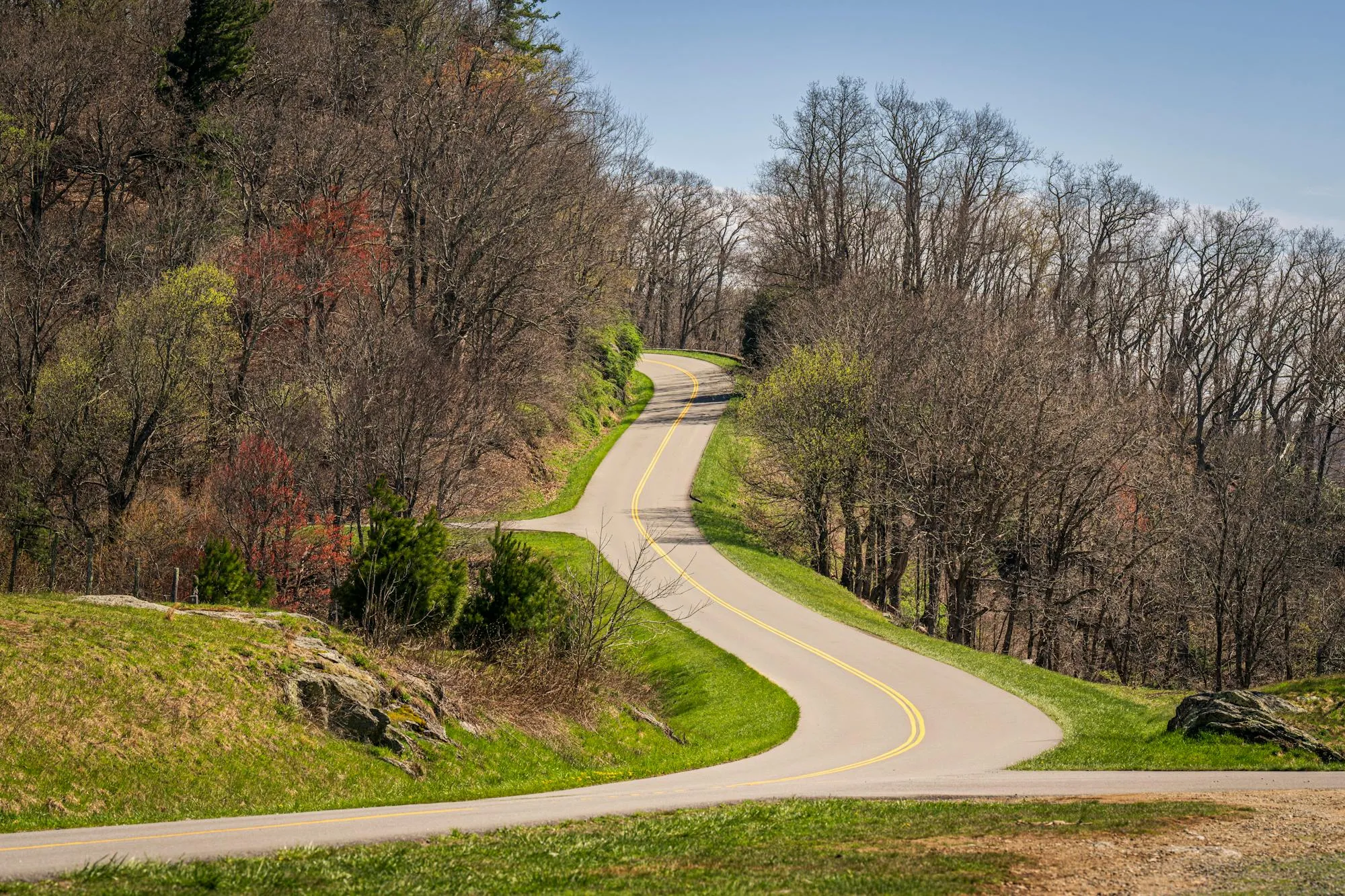
A winding asphalt road descending through the Appalachian Mountains, likely the famous Tail of the Dragon section in Tennessee and North Carolina. Multiple technical right-hand and left-hand curves are visible in this aerial perspective, surrounded by deciduous forest in spring foliage. Clear sunny conditions, well-maintained asphalt with yellow center lines marking the curves.
Mark Stebnicki / Pexels

The Truth on the Street

Years of listening to riders talk about this bike add up to a pretty consistent picture: threads, paddock conversations, owner chats, and the messages that land in my inbox directly. The 990 Super Duke splits cleanly. The praise lands on the engine, the brakes and the way it looks, and the complaints are the same handful of things owners learn to work around.

What owners never stop talking about

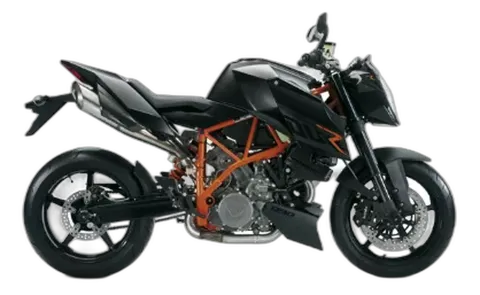
The 999cc 75-degree V-twin dominates the conversation. Riders describe explosive power, brutal acceleration and a raucous exhaust note, and they keep circling back to the instant torque and free-revving character that pulls hooligan riding out of sensible people. The brakes draw nearly as much praise: twin 320mm discs with four-piston calipers up front, ferocious stopping power, and the feel to use it. Plenty of owners simply love the look, too. Angular bodywork, the exposed orange trellis frame, twin projector headlights, nothing from Japan matching that predatory shape.

The things riders live around

Three gripes recur. The tiny flyscreen deflects almost nothing, so high-speed and long-distance stints wear riders down. Anyone over six feet reports a cramped position, and passenger accommodation barely registers. Riders also mention the tall first gear making slow-speed work awkward, and without a steering damper the front can get unsettled under hard acceleration.

Known issues

  • 2007 KTM 990 Super Duke Recall

    chassisrareRecall

    In 2007, KTM issued a recall for the 990 Super Duke. The exact nature of the recall is unspecified, but it affected certain models. Owners should check with dealers.

  • Cam chain tensioner wear at high mileage

    engineoccasional

    At higher mileages (above 60,000 km), the cam chain tensioner can wear, leading to engine noise and, if unchecked, potential timing chain failure. Replacement of tensioners and chains may be required.

  • Premature Water Pump Seal Failure

    coolingcommon

    The water pump seal is a known weak point, often requiring replacement every 15,000 miles (24,000 km). Look for signs of coolant leakage or rebuild receipts.

The Expert Benchmark

Where this KTM 990 Super Duke pulls ahead of — or falls behind — its rivals on the numbers, and the typical bike in its class on character.

What kind of bike this is — character vs. the class

This bike Class average

The shape of the KTM 990 Super Duke — numbers and character vs. the average Naked Bike

Head-to-head: KTM 990 Super Duke vs. its rivals

The 'Should I Buy It?' Score

Forget spec-sheet bragging. Here's who the 990 Super Duke is actually built for.

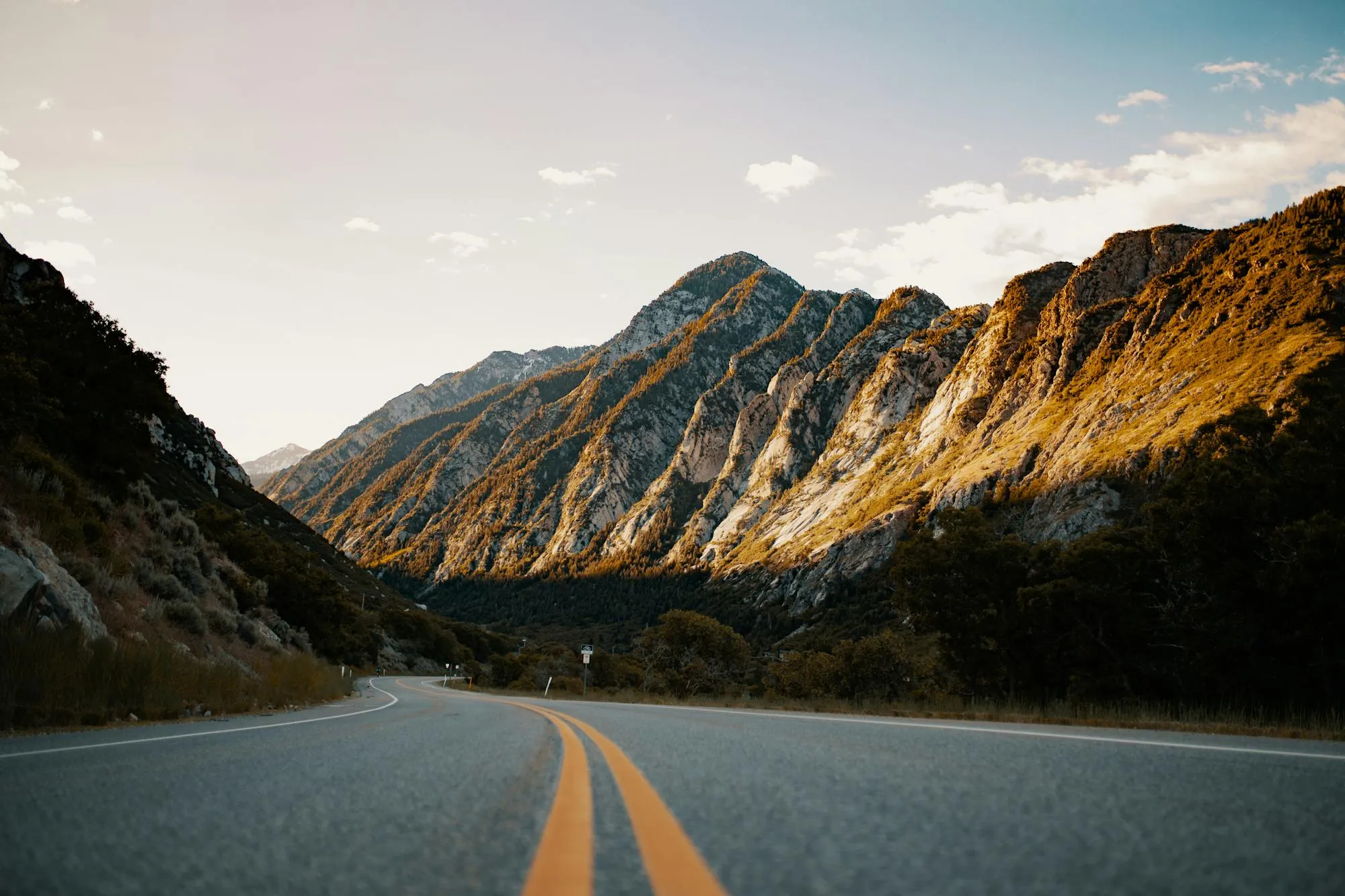
A scenic view of Angeles Crest Highway winding through rugged Southern California canyon terrain. Rocky mountainsides with golden earth tones frame the asphalt road with tight sweeping curves. Double yellow center line visible, sparse vegetation along the shoulders, clear blue sky with white clouds. Daylight, dry conditions. Iconic location for canyon-road enthusiasts.
Josh Sorenson / Pexels

Best motorcycle for Angeles Crest?

Angeles Crest is exactly what this was built for. It turns in harder than you'll expect on the first few bends, and once you recalibrate, the drive out of every corner is the whole point.

Made for Angeles Crest Highway · Coronado Trail / US 191 · Highway 1 / Big Sur
Best motorcycle for Tail of the Dragon?

On tight, technical roads the Super Duke rewards precision and punishes lazy inputs. If you ride to sharpen your skill rather than chase numbers, this bike will teach you something every weekend.

Made for Back of the Dragon · Blue Ridge Parkway · Cherohala Skyway

Best motorcycle for Texas Hill Country?

Perfect for a hard Saturday through the Hill Country, less perfect for the miles getting there. Plan around a 4.9 gal tank at 28 mpg and expect to work for your position in open wind.

Made for Austin / Texas Hill Country · Twisted Sisters · Austin / Handbuilt Motorcycle Show

Alternatives to the KTM 990 Super Duke

If this one isn't quite the fit, these are the bikes worth riding back-to-back against it.

Any price note compares both bikes at the same age — the youngest age both have on the used market — against this KTM 990 Super Duke. “cheaper/pricier” is what that bike costs second-hand, not how worn it is.