Kawasaki ER-5 (ER5-MY2005) — Naked Bike
NastyNils / Kawasaki press archive

2005–2006 · Naked Bike · Buyer's Guide

ER-5 (ER5-MY2005)

Cheap To Run, Easy To Own

The Machine's Character

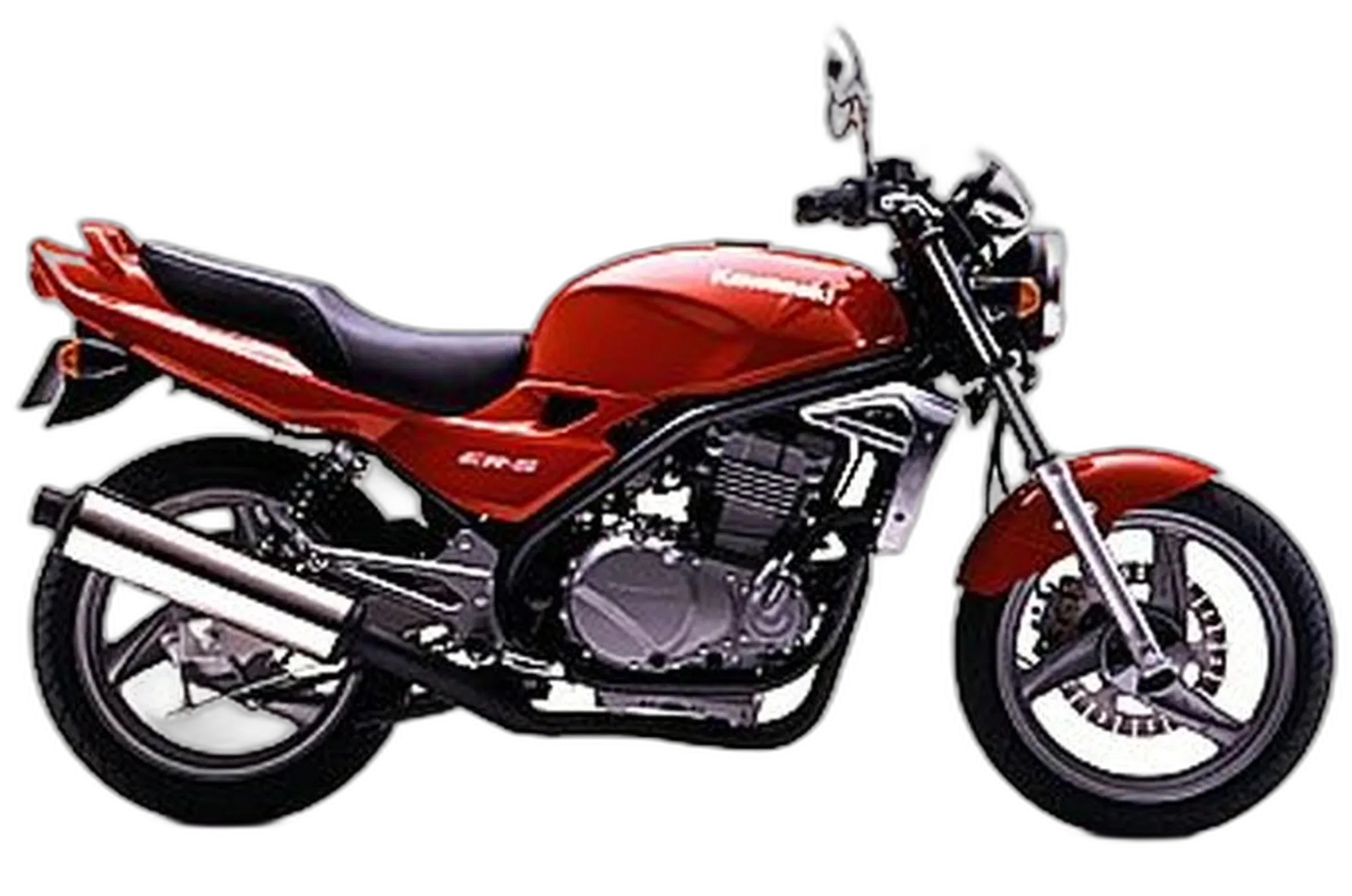
The ER-5 keeps things deliberately simple. A 499 cc liquid-cooled parallel twin sits at its heart, spinning up 50 hp and 33 lb-ft with a friendly, rising mid-range that does its best work in town. The chassis follows the same brief: light for its class, with a low 31.5 in (800 mm) seat and 432 lb (196 kg) wet that never intimidates. This is Kawasaki at its most honest, a practical everyday naked built around accessibility rather than spec-sheet bragging. It asks nothing of the rider beyond turning the key and going, and that low bar is exactly the point.

On the road it rewards low-effort riding. Steering is light, the controls are easy, and the whole bike shrinks around you in traffic and on tight back roads, which is where its confidence comes from. Running costs stay low, and that is a big slice of the appeal. The honest caveat is speed: push past town limits and the twin starts working hard, top-out lands at 111 mph (178 km/h), and with no wind protection a long highway stretch gets tiring. Age is the other watch-point. These bikes rust readily, and the charging system needs a careful eye before you hand over money.

Hard Numbers

Spec sheets don't ride bikes, but they set the baseline.

Show full specs & equipment Hide specs & equipment
Key specifications
Power 50 hp (37 kW) @ 9,000 rpm
Torque 33 lb-ft (45 Nm) @ 7,200 rpm
Displacement 499 cc
Engine Parallel twin
Cooling Liquid-cooled
Gearbox 6-speed
Final drive Chain
Fork Telescopic
Front brake 280 mm
Front tire 110/70-17
Rear tire 130/70-17
Wheelbase 56.3 in (1430 mm)
Seat height 31.5 in (800 mm)
Wet weight 432 lb (196 kg)
Fuel capacity 4.5 gal (17 L)
Top speed 111 mph (178 km/h)
Fuel economy 47 mpg (US)

Equipment check

Chassis

  • Rear Suspension Adjustable Standard

The Voice of Experience

Portrait of NastyNils

The test ride

Swing a leg over and the low seat plants both feet flat, which does a lot to settle new nerves before you have even moved. The bars sit high and close and the reach to the pegs is roomy, so you sit upright and heads-up with a clear view over the traffic ahead. Fire it up and the twin gives off a soft, even thrum that never turns harsh, with just enough buzz coming through the pegs at a steady cruise to remind you it is spinning. At walking pace it feels featherweight underneath you, easy to balance and dab a foot when a light goes red. As the speed climbs, wind pressure builds cleanly across your chest and hands and lends a real sense of pace well before you are doing anything reckless. The relaxed ergonomics are what stay with you afterward.

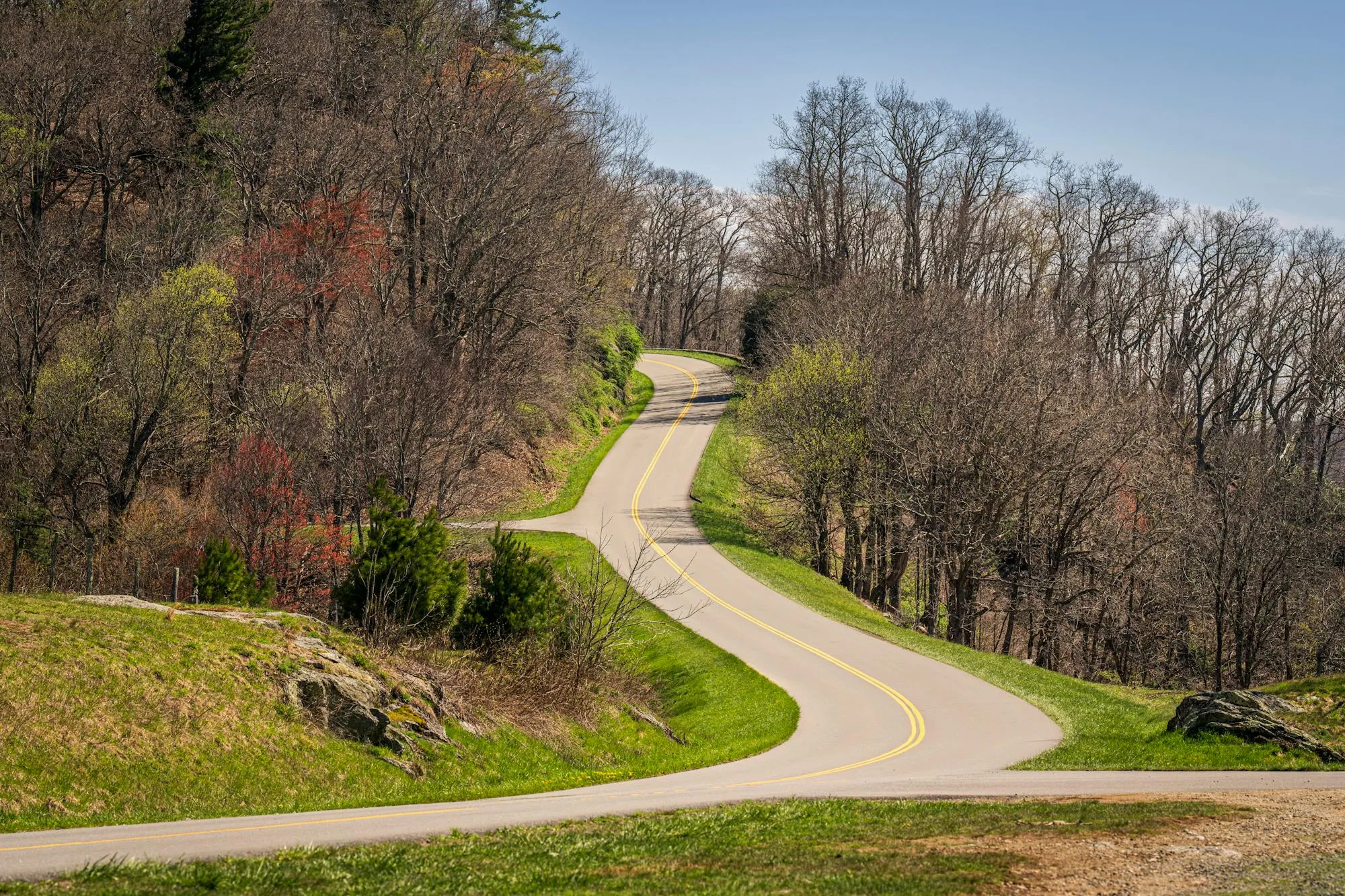
A winding asphalt road descending through the Appalachian Mountains, likely the famous Tail of the Dragon section in Tennessee and North Carolina. Multiple technical right-hand and left-hand curves are visible in this aerial perspective, surrounded by deciduous forest in spring foliage. Clear sunny conditions, well-maintained asphalt with yellow center lines marking the curves.
Mark Stebnicki / Pexels

The Truth on the Street

What follows is the community's read, not mine from the saddle. I've built it over years of listening: paddock conversations, talk at bike nights and club evenings, and the steady flow of emails and messages riders send me. On the ER-5 the chatter lands consistently, praising the engine and the low bills while faulting how the bike wears and stops.

What keeps owners loyal

Riders reach for the 498cc parallel twin first. They describe a tough unit that keeps going well past 40,000 miles on basic upkeep, and that trust holds. The rest is practical: light and low enough to manage in traffic and suit shorter riders, with rock-bottom bills from cheap insurance to long tire life and thrifty fuel.

The gripes that keep surfacing

Nearly every complaint lands on the finish and fittings, not the motor. Rust comes up most, with plating and paint on frame, bolts and exhaust giving up fast unless the bike is kept clean, worse in cold-season use. Braking is the next sore point, called dull and lifeless. Electrical faults get named often, from charging problems to unreliable gauges. Taller riders feel pinched toward the tank, and a few say the twin runs short of breath at higher speeds.

Known issues

  • Regulator/rectifier and charging system failure

    electrics occasional

    The reg/rec can overheat and fail, often taking the tachometer and CDI unit with it. Symptoms include flickering lights, a dead battery, and an erratic tacho.

  • Rear drum brake warping

    brakes occasional

    The rear drum can wear unevenly and eventually warp, leading to a pulsing brake pedal and sometimes requiring a complete wheel replacement if left unchecked.

  • Cold starting difficulties

    engine occasional

    In low temperatures, the engine can be slow to crank and may exhibit clicking noises, often due to a weak battery, poor connections, or a failing starter solenoid.

  • Fuel system clogging from stale fuel

    fuel system rare

    When left unused for extended periods, the carburetors and fuel tap can become clogged with varnish, leading to poor running and hard starting.

  • Corrosion of frame, fasteners, and exhaust

    bodywork common

    The thin paint and poor-quality plating cause widespread rust on the frame, swingarm, and fasteners. Exhaust headers and collector box also rot through prematurely.

The Expert Benchmark

Where this Kawasaki ER-5 pulls ahead of — or falls behind — its rivals on the numbers, and the typical bike in its class on character.

What kind of bike this is — character vs. the class

This bike Class average

The shape of the Kawasaki ER-5 — numbers and character vs. the average Naked Bike

Head-to-head: Kawasaki ER-5 vs. its rivals

The 'Should I Buy It?' Score

Forget spec-sheet bragging. Here's who the ER-5 is actually built for.

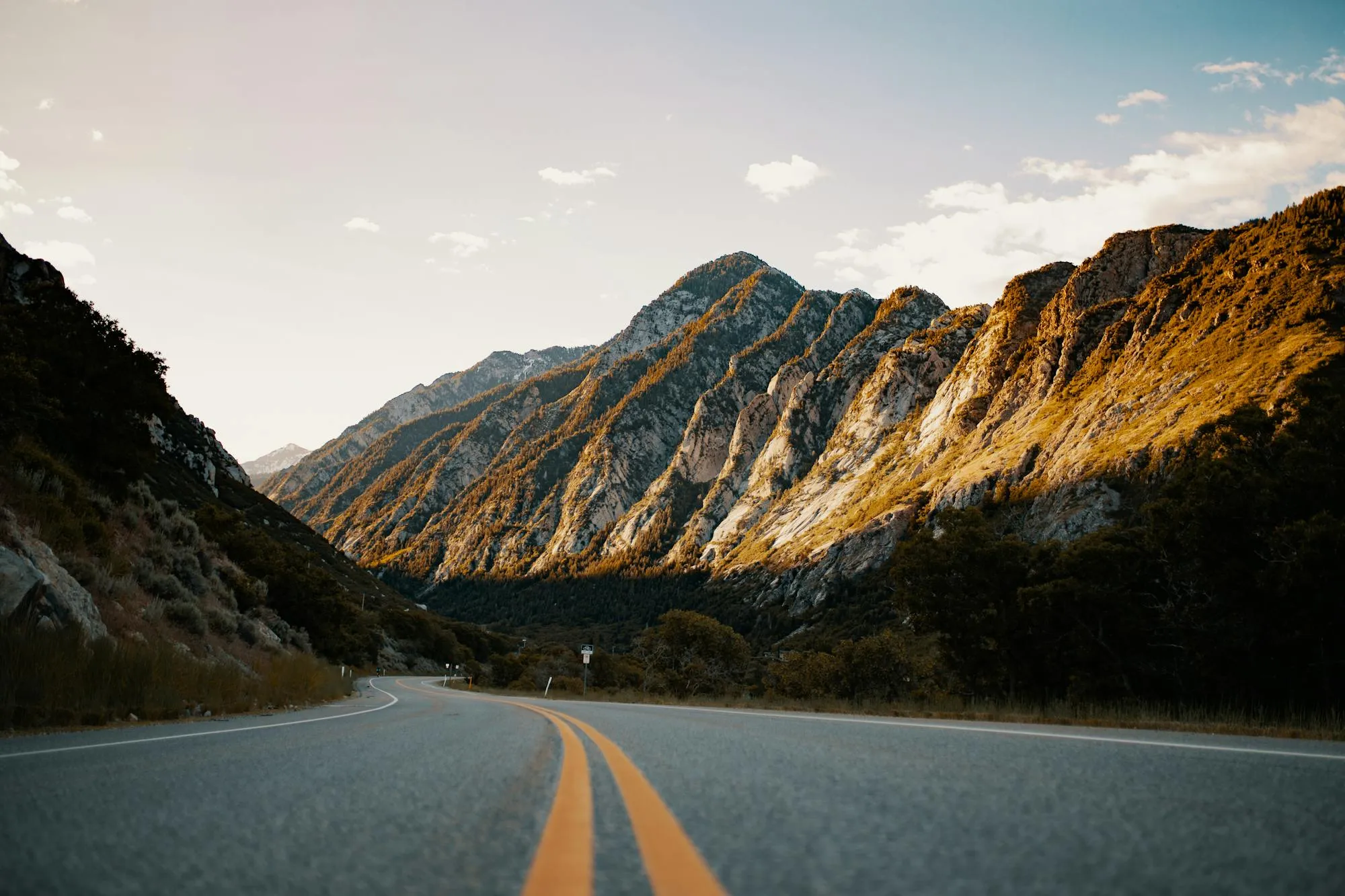
A scenic view of Angeles Crest Highway winding through rugged Southern California canyon terrain. Rocky mountainsides with golden earth tones frame the asphalt road with tight sweeping curves. Double yellow center line visible, sparse vegetation along the shoulders, clear blue sky with white clouds. Daylight, dry conditions. Iconic location for canyon-road enthusiasts.
Josh Sorenson / Pexels

Best motorcycle for Tail of the Dragon?

If you're drilling technique on the Dragon and the Blue Ridge, the ER-5's light, forgiving handling makes a fine teacher. Just know 50 hp keeps this a skill tool, not a fast one, so it rewards clean lines over pace.

Made for Back of the Dragon · Blue Ridge Parkway · Cherohala Skyway
Best motorcycle for Angeles Crest?

Be straight with yourself here: on Angeles Crest your skill will outrun the ER-5's 50 hp in short order. It's light and fun at a relaxed pace, but a trackday-adjacent canyon rider will want more punch than this twin has.

Made for Angeles Crest Highway · Coronado Trail / US 191 · Highway 1 / Big Sur

Best motorcycle for Texas Hill Country?

For sensible-pace fun on the Hill Country twisties it's cheap, easy, and genuinely enjoyable. The catch is the ride out: with no wind protection, the highway miles to the good roads will wear on you.

Made for Austin / Texas Hill Country · Twisted Sisters · Austin / Handbuilt Motorcycle Show

Alternatives to the Kawasaki ER-5

If this one isn't quite the fit, these are the bikes worth riding back-to-back against it.

Any price note compares both bikes at the same age — the youngest age both have on the used market — against this Kawasaki ER-5. “cheaper/pricier” is what that bike costs second-hand, not how worn it is.