

Honda CL500 (MY2023) — Naked Bike
Honda Press

2023–2024 · Naked Bike · Buyer's Guide

CL500 (MY2023)

3.5 / 5 NastyNils Rating · against its class

Trust Built From Lap One

The Machine's Character

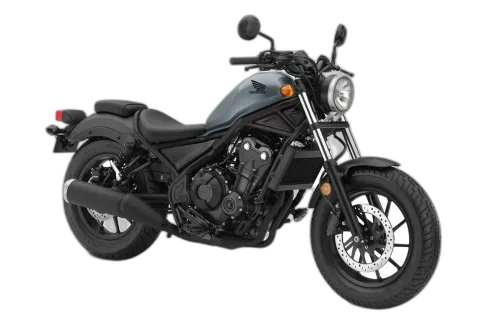
Honda built the CL500 on the 471 cc liquid-cooled parallel twin and steel tube frame it shares with the CMX500 Rebel, then dressed the package as a scrambler: 19-inch front wheel, high twin-exit exhaust, 423 lb (192 kg) wet. Output is 46 hp at 8,500 rpm and 32 lb-ft at 6,250 rpm, so the middle of the rev range does the real work. ABS, a slipper clutch, and an LED headlight are standard. There is no traction control, no ride modes, no cruise control, no color screen. It earns its place in the class on balance rather than on numbers.

On the road it does what the spec sheet implies: light, predictable, hard to upset. Seat height is 31.1 in (790 mm), reliability is the strong suit, and running costs stay low. It fits the rider who wants one machine for the commute, the errands, and a Sunday back road. The caveat is the ceiling: at sustained highway speed the motor is near its limit, and the pegs set your lean angle long before the tires do. Honda has a recall out on the handlebar lock screw, which can loosen and interfere with steering. Confirm it was done on any used bike.

Hard Numbers

Spec sheets don't ride bikes, but they set the baseline.

Show full specs & equipment Hide specs & equipment
Key specifications
Power 46 hp (34 kW) @ 8,500 rpm
Torque 32 lb-ft (43 Nm) @ 6,250 rpm
Displacement 471 cc
Engine Parallel twin
Cooling Liquid-cooled
Gearbox 6-speed
Final drive Chain
Fork Telescopic
Front tire 110/80-19
Rear tire 150/70-17
Seat height 31.1 in (790 mm)
Wet weight 423 lb (192 kg)
Fuel capacity 3.2 gal (12 L)

Equipment check

Chassis

  • Rear Suspension Adjustable Standard

Drivetrain

  • Slipper Clutch Standard

Lighting

  • LED Headlight Standard

Safety

  • ABS Standard

The Voice of Experience

Portrait of NastyNils

The test ride

A good chunk of my miles on this one came in storm-level rain, on slick pavement, with crosswinds shoving at me, and what stayed with me is how little attention it wanted. You sit upright and close to the bars, with more legroom than the compact proportions suggest; tall riders get space to move rather than one fixed position. The twin makes a light, even noise through the high exhaust instead of a hard thump, and at road speed nothing buzzes up through the pegs or grips. Direction changes start at your hips: weight one side and it goes. Wind pressure builds early on a bike with nothing out front, which is what makes moderate speeds feel like more than they are. Heated grips are an option, not standard, and in cold rain you notice.

Rated point by point — where it earns its keep

My own 0–100 score for this bike against the class, area by area — the marker on each bar is the class average.

What makes this thing easy to ride quickly is that nothing on it contradicts anything else. Turn-in, the feedback coming back through the front, the way it picks up drive on the way out of a corner: it all reads the same, so you are never compensating for one part of the bike misbehaving while another behaves. That internal agreement is worth more than any single chassis number. It is light with it, light enough that tipping into a bend costs almost nothing and holding a tight line is a matter of leaning on the bike rather than wrestling it. It answers right away and it stays where you put it, with no argument on the way in or the way out. The ceiling is ground clearance. The pegs are the first thing to touch down, long before the tires have anything to say about it, which is what the scrambler layout buys you.

What this bike does well is hand you its full range early. There is no settling-in period where you are feeling around for the edges, because it reports what it is doing while it is doing it. A newer rider gets confident on it quickly without being talked down to, and someone with real miles behind them still finds plenty to appreciate in how neatly the parts work together. Through a set of corners it carries more than the output figure would lead you to expect.

On the road the front brake does everything asked of it. It stops the bike without drama and I never once wanted more from it in normal riding. The qualifier only turns up on a closed course, where the lever does not give you the initial bite you need to brake late with any conviction. That is a mismatch of expectations more than a fault. Ridden the way this bike is meant to be ridden, the limit never comes up.

The chassis and the seat run out at different points, and that is really the story of comfort on this bike. Honda gives you preload adjustment at the rear, which is not a given in this part of the market, and the stock settings are sorted well enough that I never felt any reason to reach for it. It is there when you are carrying more weight or spending time on surfaces the standard setup was not tuned for. What I did feel was the saddle. The padding is honest for the first couple of hours, and after that I caught myself rearranging my weight more often than I wanted to. The other limit sits underneath you: on properly beaten-up pavement the damping stops absorbing and starts passing the hits along. Neither one spoils the kind of riding this bike is actually built for.

The throttle is the best thing about this motor. You can open it mid-corner, at any point in the rev range, and the power arrives clean. No step, no surge, no waiting for the engine to catch up with your wrist, just a linear rise that lets your attention stay on the line you picked. The parallel twin holds that same composure everywhere else. Rolling through a village at walking pace it is completely docile, and on a mountain road it pulls with the same evenness, with no flat spots and no sudden change of character in between. The honest limit is what sits above the mid-range. Take it somewhere that rewards outright power, a track day for instance, and you find the top of it earlier than you would like. Everything below that point is so usable that most riders will not spend much time up there anyway.

Day to day it asks very little of you. Threading through stopped traffic and slotting into a space that looked too small are non-events, because there is not enough weight here to fight. The gap is on the equipment list. There is no cruise control, and heated grips are an option you pay for rather than something that comes fitted, which I noticed after a few hours in the cold and wet.

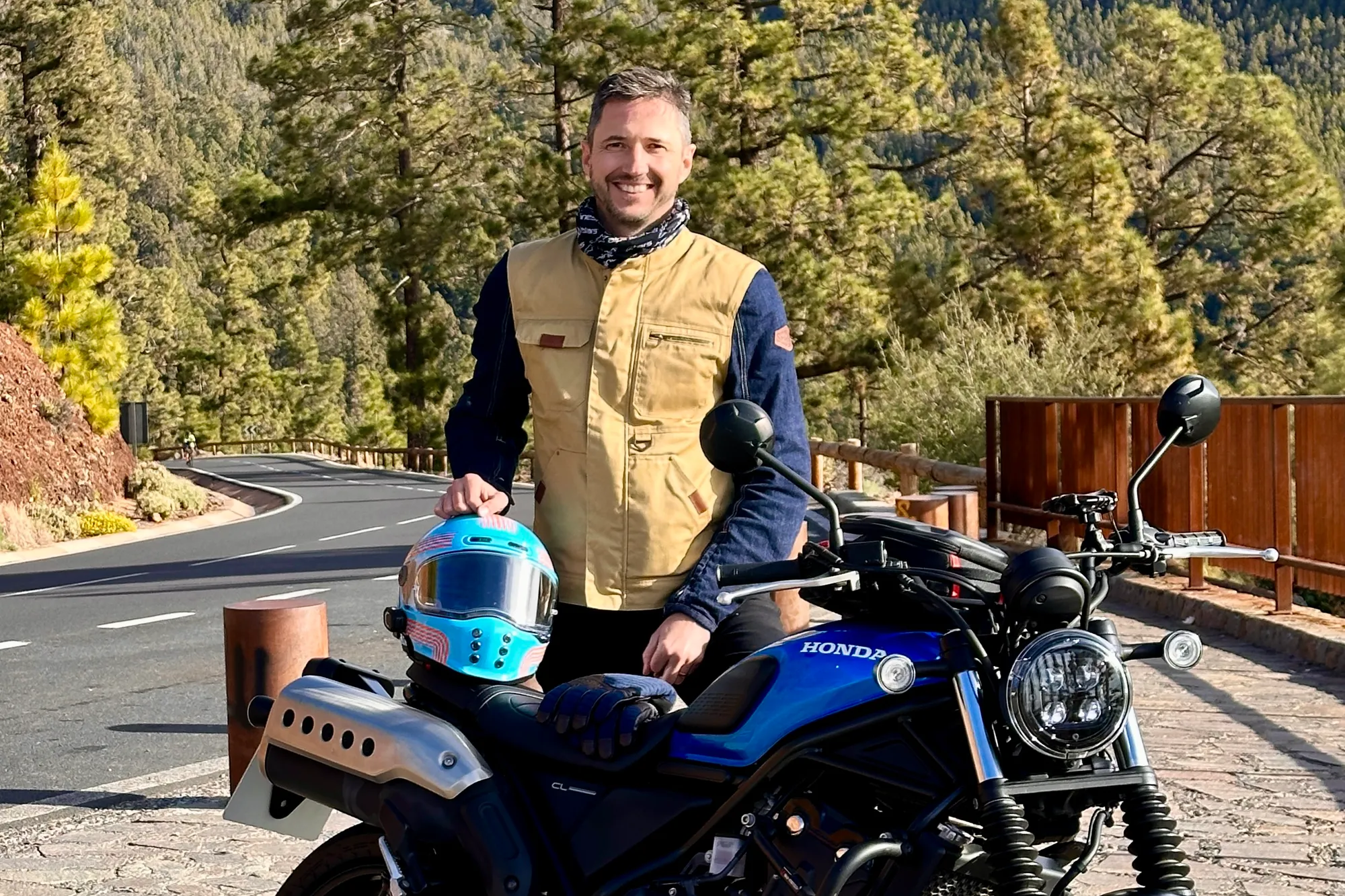
NastyNils poses with a Honda CL500 cruiser on a mountain road surrounded by forest. The bike is parked, facing slightly right, with a winding asphalt road and dense tree-covered landscape in the background. NastyNils wears a tan/beige vest over a dark blue long-sleeve shirt and holds a blue full-face helmet. Daylight, clear weather, scenic mountain setting. The CL500's retro-cruiser styling and lightweight frame are clearly visible.
Nils Mueller
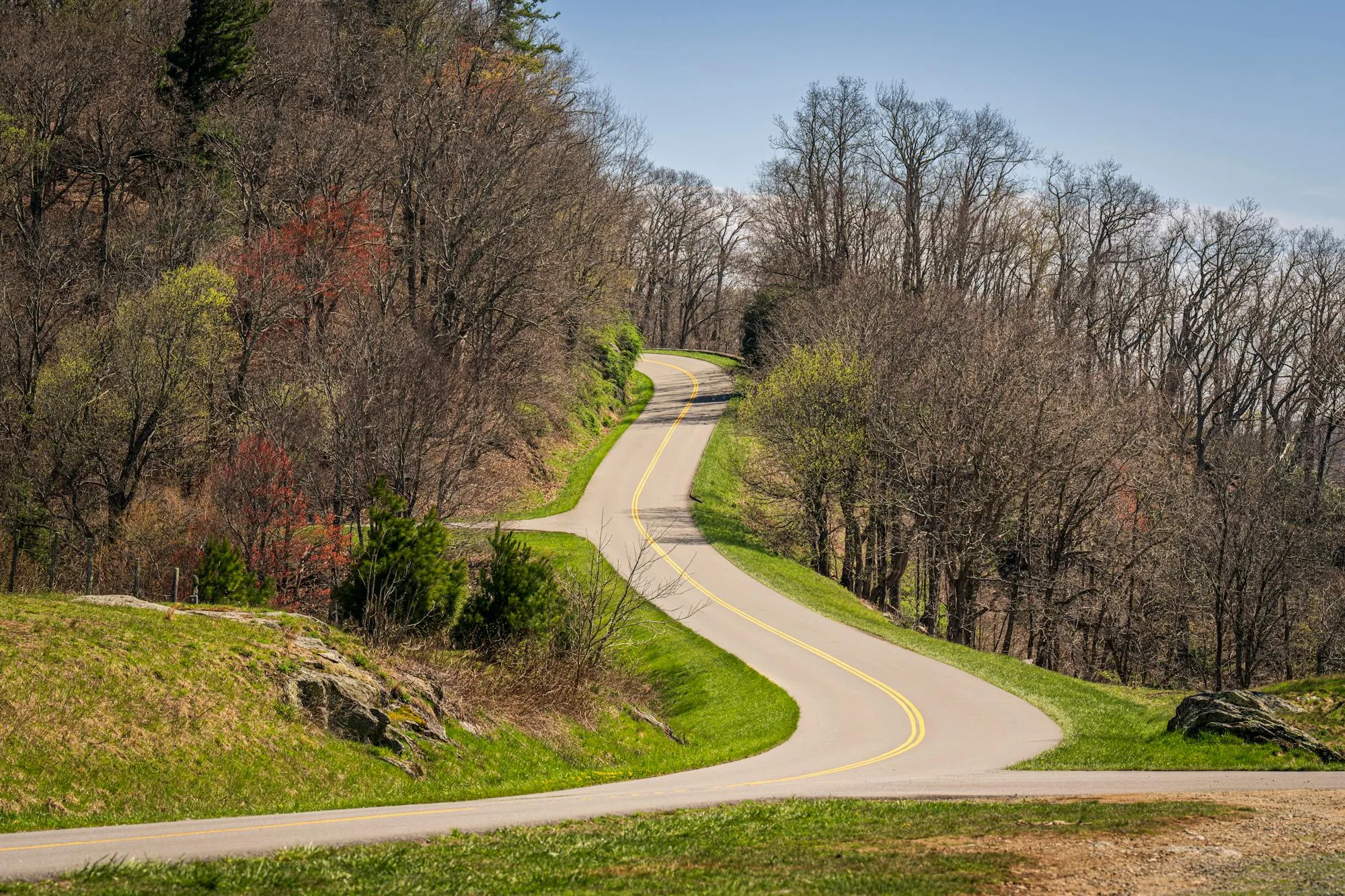
A winding asphalt road descending through the Appalachian Mountains, likely the famous Tail of the Dragon section in Tennessee and North Carolina. Multiple technical right-hand and left-hand curves are visible in this aerial perspective, surrounded by deciduous forest in spring foliage. Clear sunny conditions, well-maintained asphalt with yellow center lines marking the curves.
Mark Stebnicki / Pexels

The Truth on the Street

This part isn't my own riding. It's what riders have told me over the years, in paddock conversations, at club nights, and in the emails and messages that come in directly. The chatter on the CL500 runs consistent: the praise is about how little the bike asks of you, and the complaints are narrow rather than fundamental.

The ease riders keep coming back to

The engine draws the most comment. Riders describe power that comes on smoothly and predictably, easy to manage for someone still building confidence. Close behind is the steering, with owners talking about a lightness that makes city traffic and back roads entertaining. The seating position gets steady mention too, the bench seat and wide bars reading as relaxed and neutral. The look gets its own share of praise, the high pipe and fork gaiters reading as vintage Honda scrambler.

Where the complaints keep landing

The display comes up most in the gripes. Riders say the simple LCD washes out in bright sun, and some miss a rev counter. Owners who take the scrambler styling literally find a short leash: road-biased tires keep it to light gravel and no further. A few mention the suspension going soft once the pace rises, floating instead of settling.

Known issues

  • Handlebar lock screw can loosen and interfere with steering

    chassis rare Recall

    The handlebar lock screw may not have been properly torqued at the factory. It can loosen, fall out, and lodge between the frame and steering stem, causing sudden steering lock or interference. Honda issued a safety recall (NHTSA 26V146 / Honda KUO) for 2023–2025 CL500/CMX500/CMX300 models. Repair: dealer replaces the screw with thread-locking compound.

The Expert Benchmark

Where this Honda CL500 pulls ahead of — or falls behind — its rivals on the numbers, and the typical bike in its class on character.

What kind of bike this is — character vs. the class

This bike Class average

The shape of the Honda CL500 — numbers and character vs. the average Naked Bike

Head-to-head: Honda CL500 vs. its rivals

The 'Should I Buy It?' Score

Forget spec-sheet bragging. Here's who the CL500 is actually built for.

A scenic view of Angeles Crest Highway winding through rugged Southern California canyon terrain. Rocky mountainsides with golden earth tones frame the asphalt road with tight sweeping curves. Double yellow center line visible, sparse vegetation along the shoulders, clear blue sky with white clouds. Daylight, dry conditions. Iconic location for canyon-road enthusiasts.
Josh Sorenson / Pexels

Best motorcycle for Bay Area?

Skyline and the daily commute are the two jobs this bike genuinely does well: light in traffic, easy to park, happy on the ridge roads. Just don't count on much reserve when the freeway opens up.

Made for Bay Area Ridge Roads · San Francisco / Bay Area · Skyline Boulevard / Alice's Restaurant
Best motorcycle for Tail of the Dragon?

You're after clean lines rather than big speed, and this bike reports everything you need to find them. The pegs touch down before your nerve runs out, so it rewards smooth riding over hard riding.

Made for Back of the Dragon · Blue Ridge Parkway · Cherohala Skyway

Best motorcycle for Texas Hill Country?

Two-lane Hill Country loops suit it perfectly. The long highway run to get there is where you'll notice the motor working near its ceiling, and the seat starting to wear on you by mid-afternoon.

Made for Austin / Texas Hill Country · Twisted Sisters · Austin / Handbuilt Motorcycle Show