Honda CMX500 Rebel (PC 56) — Cruiser
Honda Press

2017–2019 · Cruiser · Buyer's Guide

CMX500 Rebel (PC 56)

The Bobber That Behaves

The Machine's Character

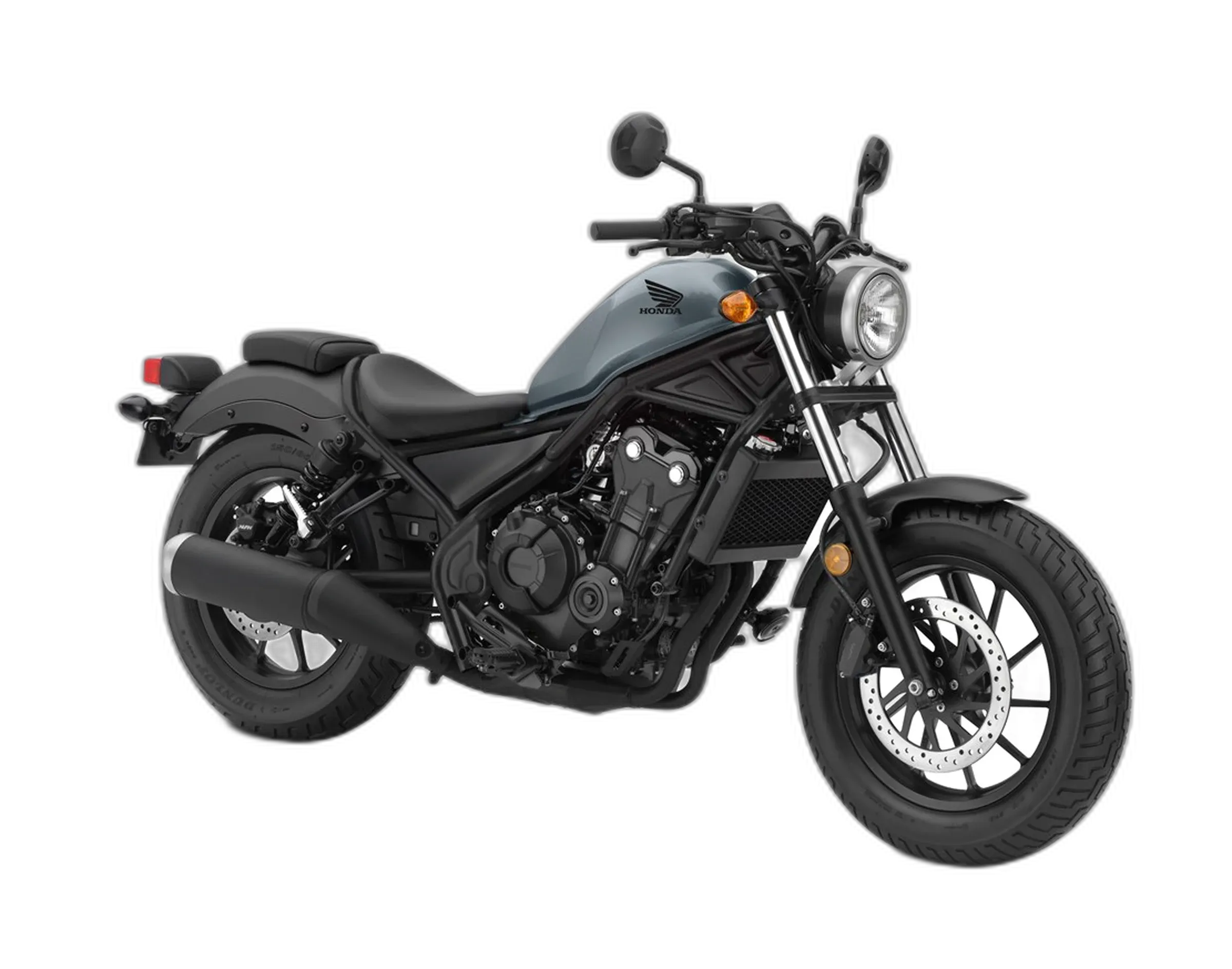
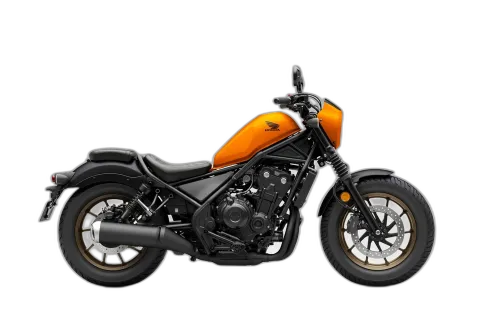
Honda built the Rebel around a 471 cc liquid-cooled parallel twin from its CB500 family, retuned to do its best work low in the rev range. You get 46 hp at 8,500 rpm and 33 lb-ft at 6,000, running through a 6-speed box and a chain. The chassis is what really sells the bike: a 58.7 in wheelbase, 16-inch wheels at both ends on fat rubber, a 27.2 in seat, and 419 lb wet carried very close to the ground. That reads as a proper bobber silhouette rather than a small motorcycle dressed up in cruiser costume jewelry.

It behaves the way Honda usually builds things, which means nothing about it surprises you badly. The twin pulls cleanly from town speeds and 99 mph is there on the rare day you want it. Ownership stays cheap: 61 mpg, a simple engine and a chain to look after, and a deep parts scene if you want to change the look. It fits the rider who wants cruiser stance and attitude without 700 lb of motorcycle underneath it. The honest catch is the 2.9 gal tank, which decides how long your riding day is well before your body does.

Hard Numbers

Spec sheets don't ride bikes, but they set the baseline.

Show full specs & equipment Hide specs & equipment
Key specifications
Power 46 hp (34 kW) @ 8,500 rpm
Torque 33 lb-ft (45 Nm) @ 6,000 rpm
Displacement 471 cc
Engine Parallel twin
Cooling Liquid-cooled
Gearbox 6-speed
Final drive Chain
Fork Telescopic
Front brake 296 mm
Front tire 130/90-16
Rear tire 150/80-16
Wheelbase 58.7 in (1490 mm)
Seat height 27.2 in (690 mm)
Wet weight 419 lb (190 kg)
Fuel capacity 2.9 gal (11 L)
Top speed 99 mph (160 km/h)
Fuel economy 61 mpg (US)

Equipment check

Chassis

  • Rear Suspension Adjustable Standard

Safety

  • ABS Optional

The Voice of Experience

Portrait of NastyNils

The test ride

Swing a leg over and the first thing you notice is how little the bike asks of you. Both feet go flat on the pavement, the bars fall close to your hands, and the weight vanishes the moment it comes off the sidestand. Parking lot turns need no planning at all. The twin sounds businesslike rather than theatrical, a firm even beat with some intake noise when you crack the throttle open, and it puts a light buzz through the pegs and grips as the tach climbs. Nothing rattles, nothing clatters. At 55 to 65 mph it sits quiet underneath you and your chest does the work against the air, because there is nothing up front to hide behind. The cockpit is roomier than the bike's size suggests, though tall riders will feel the knee bend after an hour.

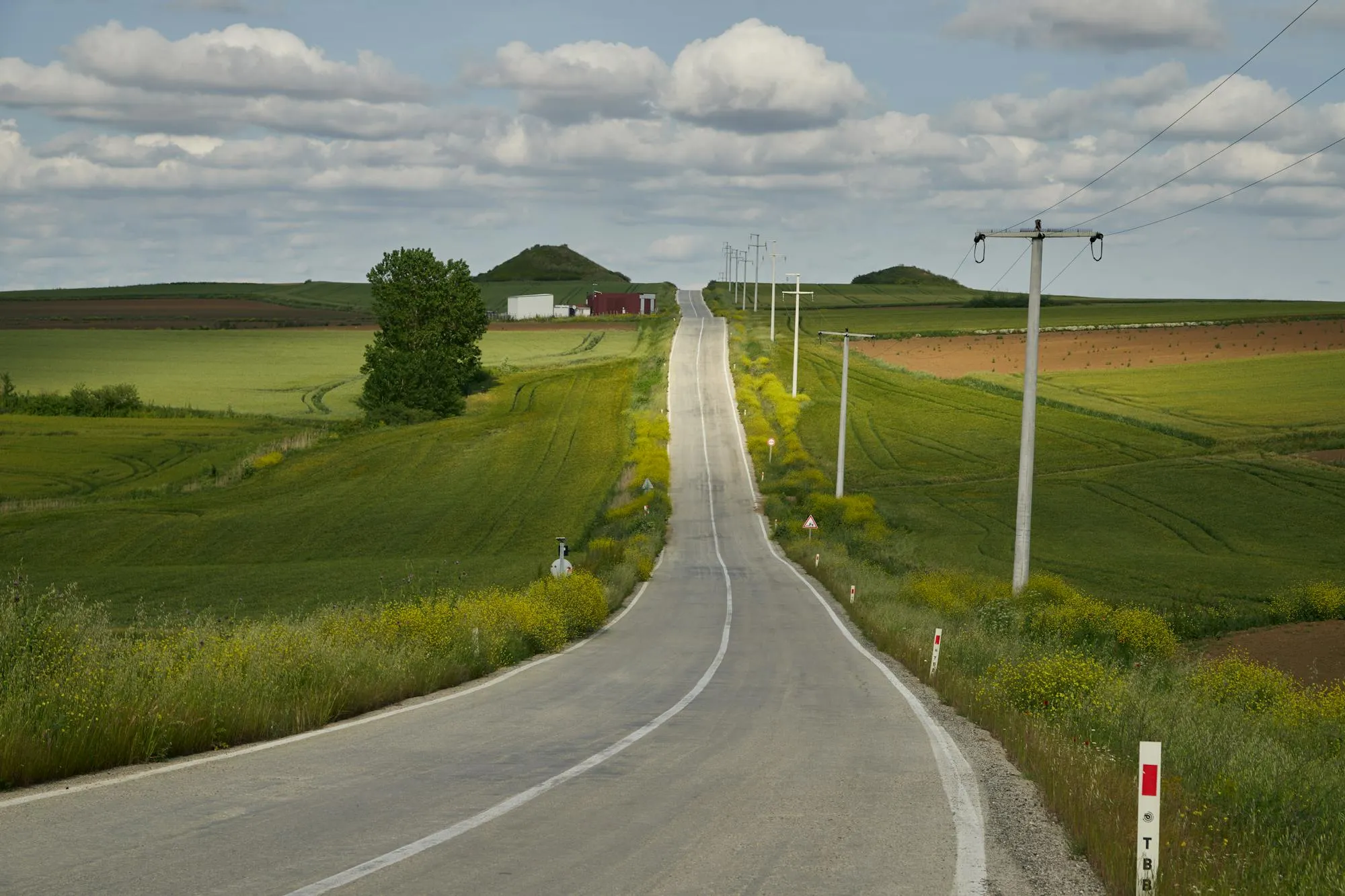
A long, straight paved road stretches toward the horizon through agricultural fields in Vermont. Power lines and a mailbox are visible along the roadside. Lush green vegetation, cumulus clouds, good daylight conditions. The landscape is flat to gently rolling. Asphalt pavement appears to be in good condition. Rural American setting.
Meric Tuna / Pexels

The Truth on the Street

Nothing here comes from my own test miles. It comes from riders instead: years of pit lane and parking lot conversations, plus an inbox that never quite empties. Across all of it the Rebel gets talked about in remarkably consistent terms, with wide praise and complaints that stay narrow.

Where the praise keeps landing

Handling and the engine carry most of the conversation. Owners describe a bike that goes where they point it without effort and holds a line once a corner opens up, and long term riders say the twin has never given them anything to report. Styling is the other constant: the blacked out custom look reads as its own thing next to other small cruisers. Newer riders and those with shorter inseams bring up the low seat unprompted. Running costs draw no complaints, and owners who start changing parts rarely stop at one.

The complaints owners actually raise

Suspension draws the loudest criticism. Owners describe a firm ride the moment the surface breaks up, with no adjustment worth chasing. Ground clearance is next: ride with any urgency and the pegs start touching down. A few mention a notchy shift action until things warm through, always as a quirk rather than a worry.

Known issues

No widely-reported issues on record.

The Expert Benchmark

Where this Honda CMX500 Rebel pulls ahead of — or falls behind — its rivals on the numbers, and the typical bike in its class on character.

What kind of bike this is — character vs. the class

This bike Class average

The shape of the Honda CMX500 Rebel — numbers and character vs. the average Cruiser

Head-to-head: Honda CMX500 Rebel vs. its rivals

The 'Should I Buy It?' Score

Forget spec-sheet bragging. Here's who the CMX500 Rebel is actually built for.

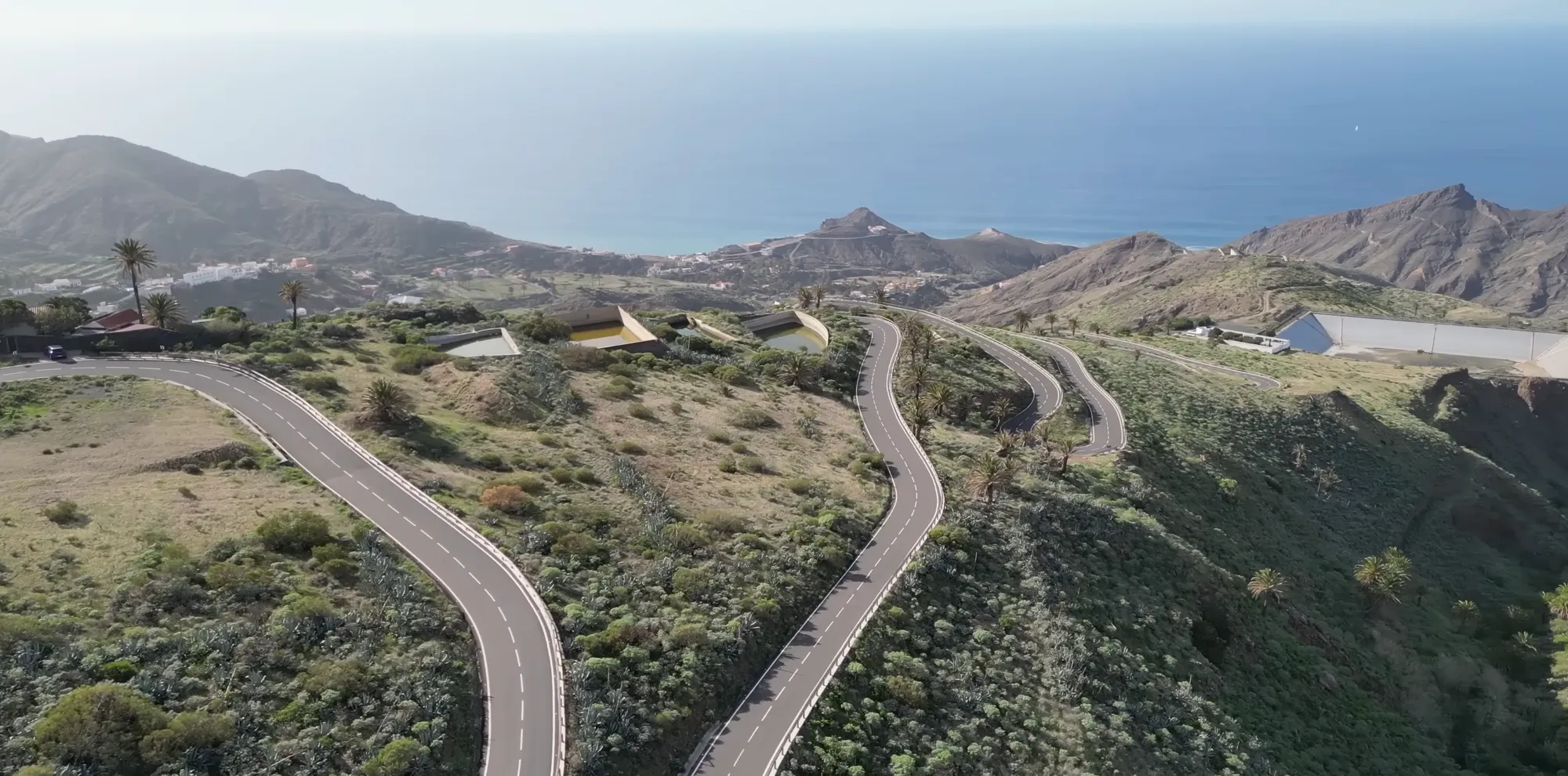
Aerial view of a winding asphalt road cutting through volcanic terrain on La Gomera, Canary Islands. The road curves through sparse green vegetation with rocky volcanic peaks visible in the background and a settled valley to the left. Clear lane markings, dry climate, partly cloudy sky.

Best cruiser for Sturgis?

You get the stance and the ritual, and it looks right parked in a row. Just know that 46 hp and a 2.9 gal tank make long rally-week days work rather than pleasure.

Made for A1A — Florida Atlantic Coast · Black Hills / Sturgis Rally Hub · Daytona Main Street / Bike Week
Best retro motorcycle for road trips?

This is the Rebel's natural habitat. Backroad speeds, frequent stops, 61 mpg, and a shape that fits right in outside a small-town diner.

Made for Acadia National Park · Austin / Handbuilt Motorcycle Show · Blue Ridge Parkway

Best touring motorcycle for long distance?

Be straight with yourself here. No wind protection, under 3 gal of fuel, and no luggage system means big multi-state days loaded up are the wrong job for this bike.

Made for Beartooth Highway · Blue Ridge Parkway · Going-to-the-Sun Road

Alternatives to the Honda CMX500 Rebel

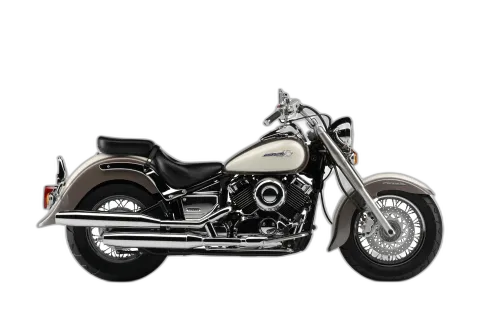
If this one isn't quite the fit, these are the bikes worth riding back-to-back against it.