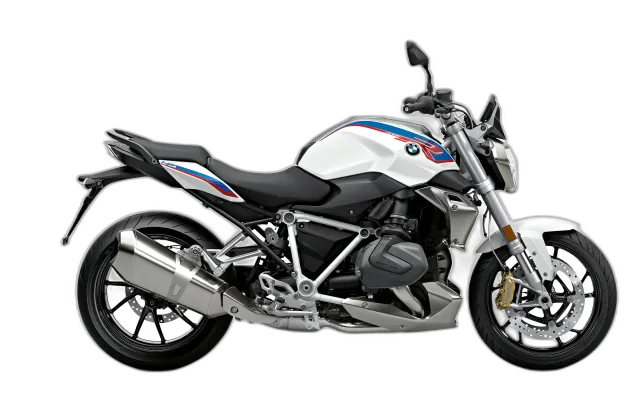
BMW R 1300 R (MY2025) — Naked Bike
BMW Press

2025 · Naked Bike · Buyer's Guide

R 1300 R (MY2025)

Boxer Muscle With Composure

The Machine's Character

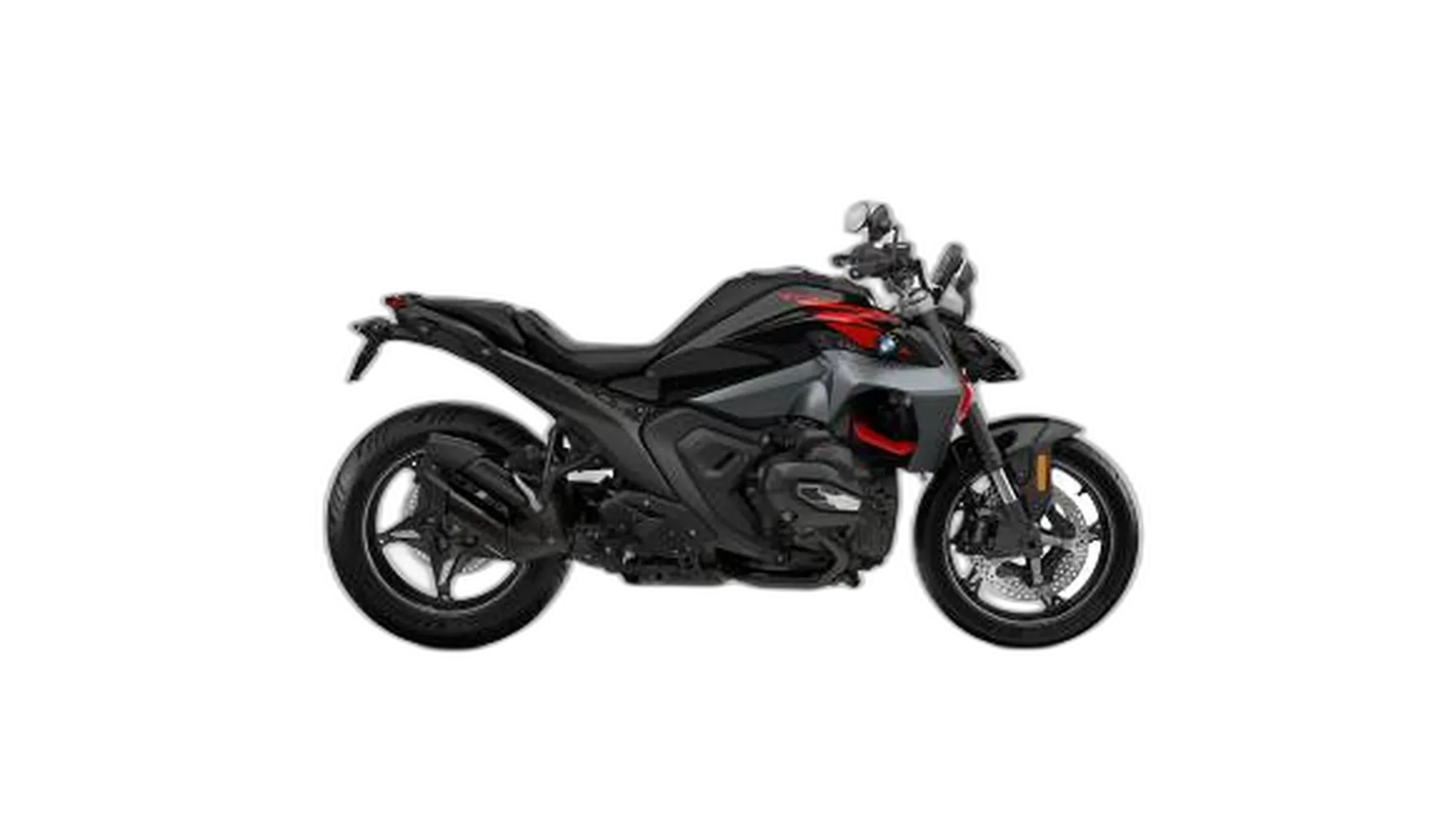
The R 1300 R drops a 1300 cc liquid-cooled boxer into a roadster chassis and lets the engine define the whole bike. You get 145 hp and 110 lb-ft, with the meat of that torque sitting low in the rev range, handed to the rear wheel through a 6-speed box and shaft final drive located by BMW Paralever. Around it sits the kind of electronics package the brand is known for: BMW Ride Modes Pro, Dynamic Suspension Adjustment, a TFT screen with navigation and phone pairing, keyless. This is the premium end of the naked class, where your money buys completeness rather than a headline power number.

It rides the way a good BMW rides, composed instead of theatrical. The torque does most of the work, the electronic suspension keeps the chassis settled when the pavement goes bad, and the build standard is high enough that a well-kept example should still feel tight after several hard seasons. It suits a rider who wants real pace on public roads and no drama in return. The honest caveat is twofold: 527 lb is genuine weight and you notice it at walking speed, and a lot of equipment riders assume is included, from the quickshifter and ASA to heated grips and tire pressure monitoring, lives on the options list.

Hard Numbers

Spec sheets don't ride bikes, but they set the baseline.

Show full specs & equipment Hide specs & equipment
Key specifications
Power 145 hp (107 kW)
Torque 110 lb-ft (149 Nm)
Displacement 1300 cc
Engine Flat-twin (boxer)
Cooling Liquid-cooled
Gearbox 6-speed
Final drive Shaft
Fork Telescopic
Front tire 120/70 ZR17
Rear tire 180/55 ZR17
Seat height 30.9 in (785 mm)
Wet weight 527 lb (239 kg)
Fuel capacity 4.8 gal (18 L)

Equipment check

Chassis

  • Front Suspension Adjustable Optional
  • Rear Suspension Adjustable Optional

Connectivity

  • TFT Display Standard
  • Smartphone Connectivity Standard
  • USB Charging Port Standard

Drivetrain

  • Quickshifter BMW Gear Shift Assistant Pro Clutchless ridingSeamless power shifts Optional

Lighting

  • LED Headlight Standard

Safety

  • ABS Standard
  • Traction Control Standard
  • Ride Modes BMW Ride Modes Pro Selectable ride modesLean sensitive traction Standard

Signature Tech

The named systems that set this bike apart — and what each one does for you.

Drivetrain

  • BMW Automated Shift Assistant (ASA) Optional
    • Clutchless riding
    • Automatic gear selection
    • Seamless power shifts
  • BMW Paralever Standard
    • Acceleration stability
    • Brake dive control
    • High speed stability
    • Reduced unsprung rotating mass

Suspension

  • BMW Dynamic Suspension Adjustment (DSA) Optional
    • Realtime road adaptation
    • Brake dive control
    • Auto load leveling
    • Wider usable range

The Voice of Experience

Portrait of NastyNils

The test ride

Hit the starter and the boxer rocks the bike sideways on its mounts before settling into that flat, offbeat pulse you feel through the pegs more than the grips. The riding position is upright and roomy, wrists barely loaded, cylinder heads sitting out in the breeze either side of your shins. At 30.9 in (785 mm) most riders will get a solid boot down, and the mass sinks away the moment you're rolling. Then the wind shows up. By 60 mph you're bracing against it, and that pressure is what makes this thing feel fast at speeds that keep your license intact. The shaft drive stays quiet and unobtrusive under load, vibration never builds into the kind that numbs your hands, and the TFT stays readable with the sun straight on it. With 4.8 gal (18 L) aboard, fuel stops land on a civilized schedule.

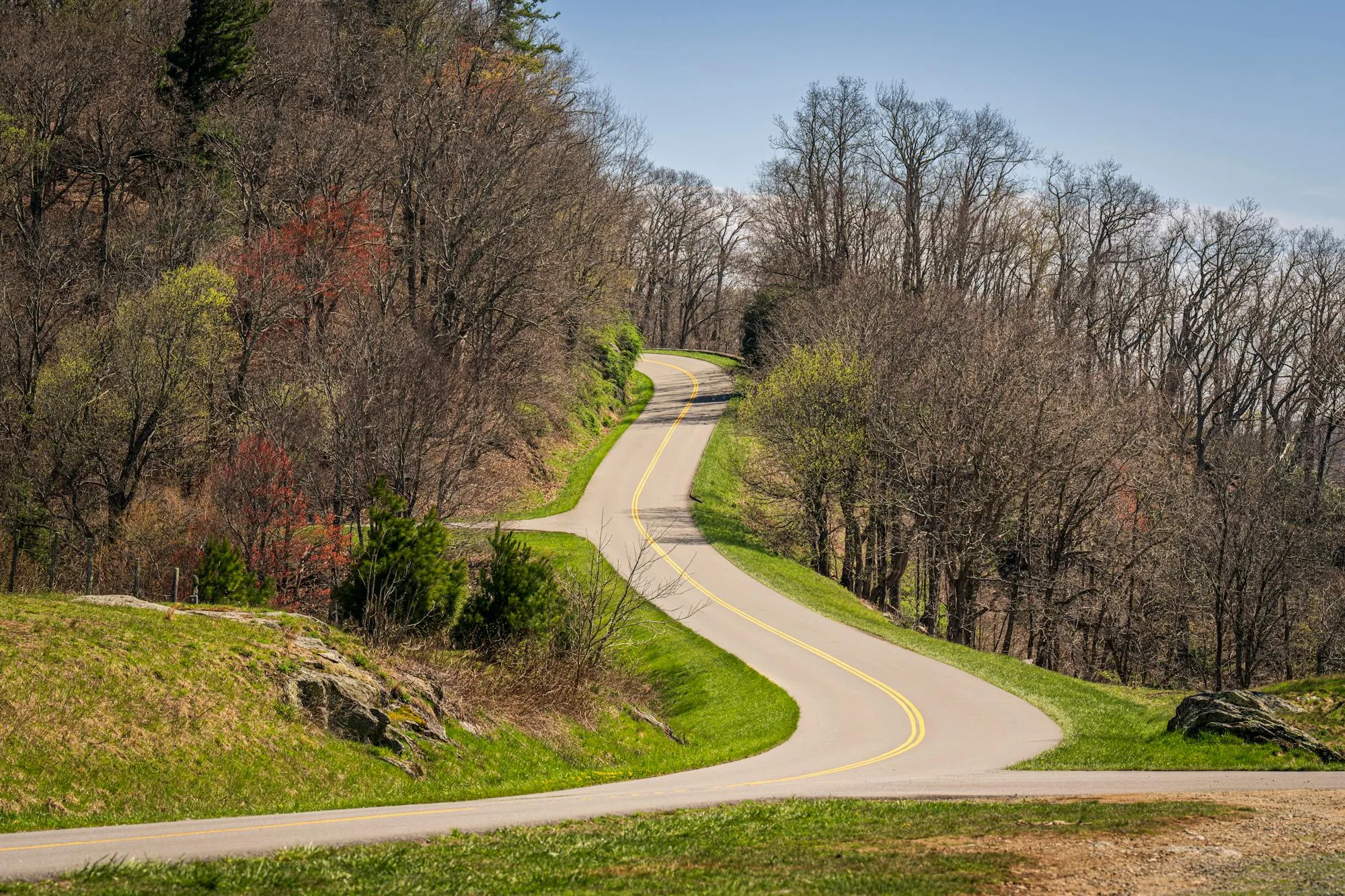
A winding asphalt road descending through the Appalachian Mountains, likely the famous Tail of the Dragon section in Tennessee and North Carolina. Multiple technical right-hand and left-hand curves are visible in this aerial perspective, surrounded by deciduous forest in spring foliage. Clear sunny conditions, well-maintained asphalt with yellow center lines marking the curves.
Mark Stebnicki / Pexels

The Truth on the Street

None of this comes from a single ride. It's what riders have told me over the years, in paddocks, at club nights, and in the messages that land in my inbox. On the R 1300 R that chatter is unusually consistent: the praise sits with how the bike moves, the complaints with what it looks like and what it costs.

Bigger On Paper Than In Corners

The point owners return to most is how small it feels once it's rolling. They describe quick steering, a chassis that stays settled through the turn, and a machine that feels lighter in corners than its size suggests. The shaft drive earns steady praise, for smooth drive and no chain to look after. Riders rate the finish highly too, controls and display included.

Where The Chatter Turns Critical

The recurring gripe is weight, and it surfaces in fast direction changes, where riders say it asks more of them than the lightest bikes in the class. Styling draws comment too; owners call it clean but quiet, easy to lose in a crowd. Cost lands almost as often, since the equipment most buyers want sits in option packages that push the price well past the base figure. A few find the optional shift assistant soft in automated modes.

Known issues

  • Soft/notchy quickshifter operation

    drivetrain occasional

    Some reports indicate the shift assistant gives a mushy, less precise feel, especially in automated modes, and can occasionally clunk during upshifts.

The Expert Benchmark

Where this BMW R 1300 R pulls ahead of — or falls behind — its rivals on the numbers, and the typical bike in its class on character.

What kind of bike this is — character vs. the class

This bike Class average

The shape of the BMW R 1300 R — numbers and character vs. the average Naked Bike

Head-to-head: BMW R 1300 R vs. its rivals

The 'Should I Buy It?' Score

Forget spec-sheet bragging. Here's who the R 1300 R is actually built for.

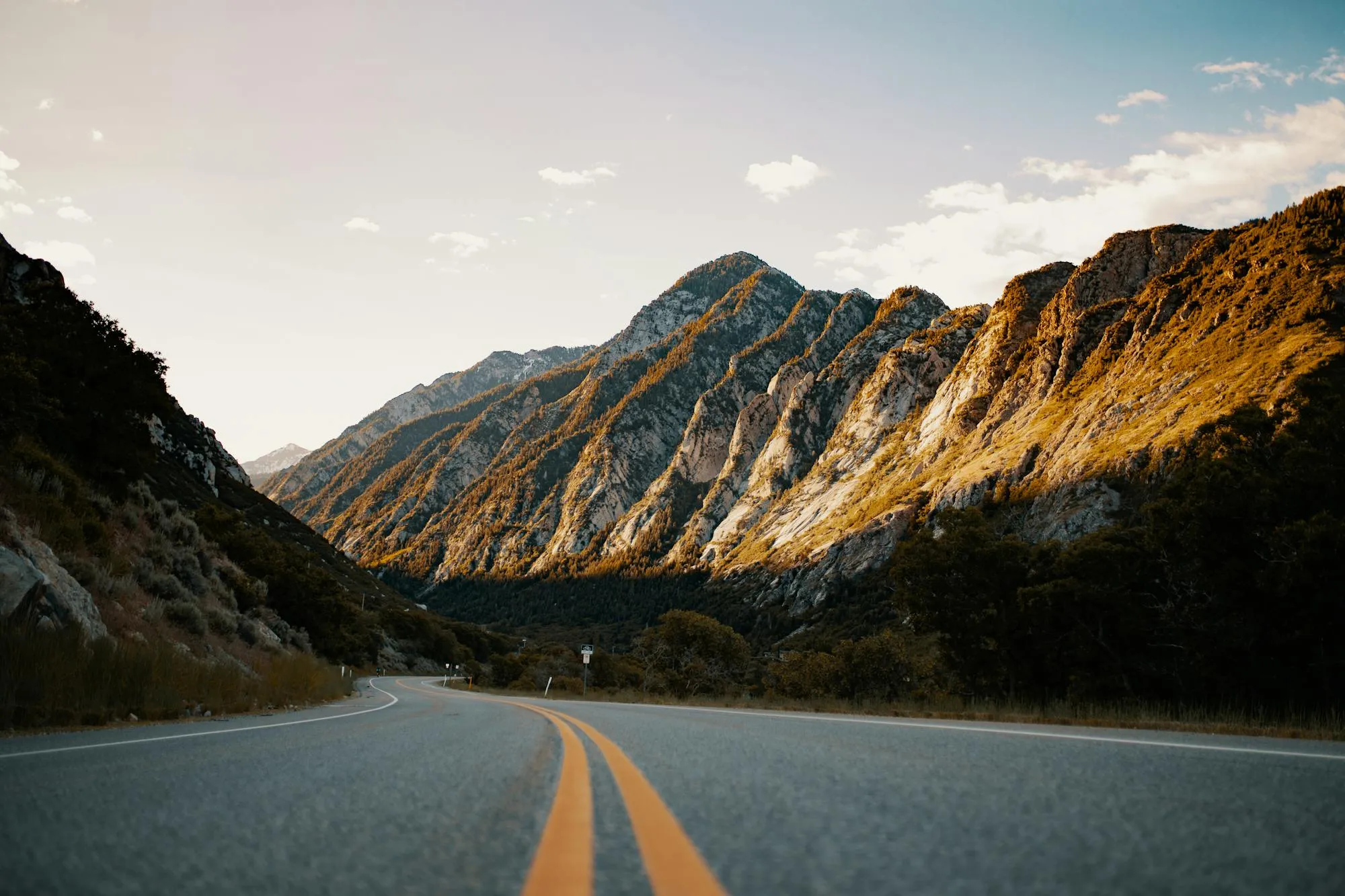
A scenic view of Angeles Crest Highway winding through rugged Southern California canyon terrain. Rocky mountainsides with golden earth tones frame the asphalt road with tight sweeping curves. Double yellow center line visible, sparse vegetation along the shoulders, clear blue sky with white clouds. Daylight, dry conditions. Iconic location for canyon-road enthusiasts.
Josh Sorenson / Pexels

Best motorcycle for Tail of the Dragon?

For repeat runs on the Dragon, Cherohala and Blue Ridge, the low-end drive and settled chassis let you work on lines instead of chasing revs. Respect the weight in the slowest hairpins and it fits.

Made for Back of the Dragon · Blue Ridge Parkway · Cherohala Skyway
Best motorcycle for Angeles Crest?

This suits canyon work: hard drive out of slow corners, suspension that copes with cracked pavement, and enough electronics to keep a quick pace calm. It rewards smooth riders more than aggressive ones.

Made for Angeles Crest Highway · Coronado Trail / US 191 · Highway 1 / Big Sur

Best motorcycle for Laguna Seca?

Straight answer: this is a road machine, and 527 lb of it. For your main pursuit it's the wrong tool. As the bike you ride there, and everywhere else the rest of the year, it makes real sense.

Made for Barber Motorsports Park · WeatherTech Raceway Laguna Seca · Circuit of the Americas

What's new versus the previous generation

If you're cross-shopping the older generation, here's what changed.

BMW R 1250 R (MY2019)

Previous generation · 2019

BMW R 1250 R (MY2019)

Boxer Torque, Naked Urgency

Compare to the previous model →

Alternatives to the BMW R 1300 R

If this one isn't quite the fit, these are the bikes worth riding back-to-back against it.