
MV Agusta Rush Titanio (MY2026) — Hyper Naked
MV Agusta press archive

2026 · Hyper Naked · Buyer's Guide

Rush Titanio (MY2026)

300 Units Of Pure Violence

The Machine's Character

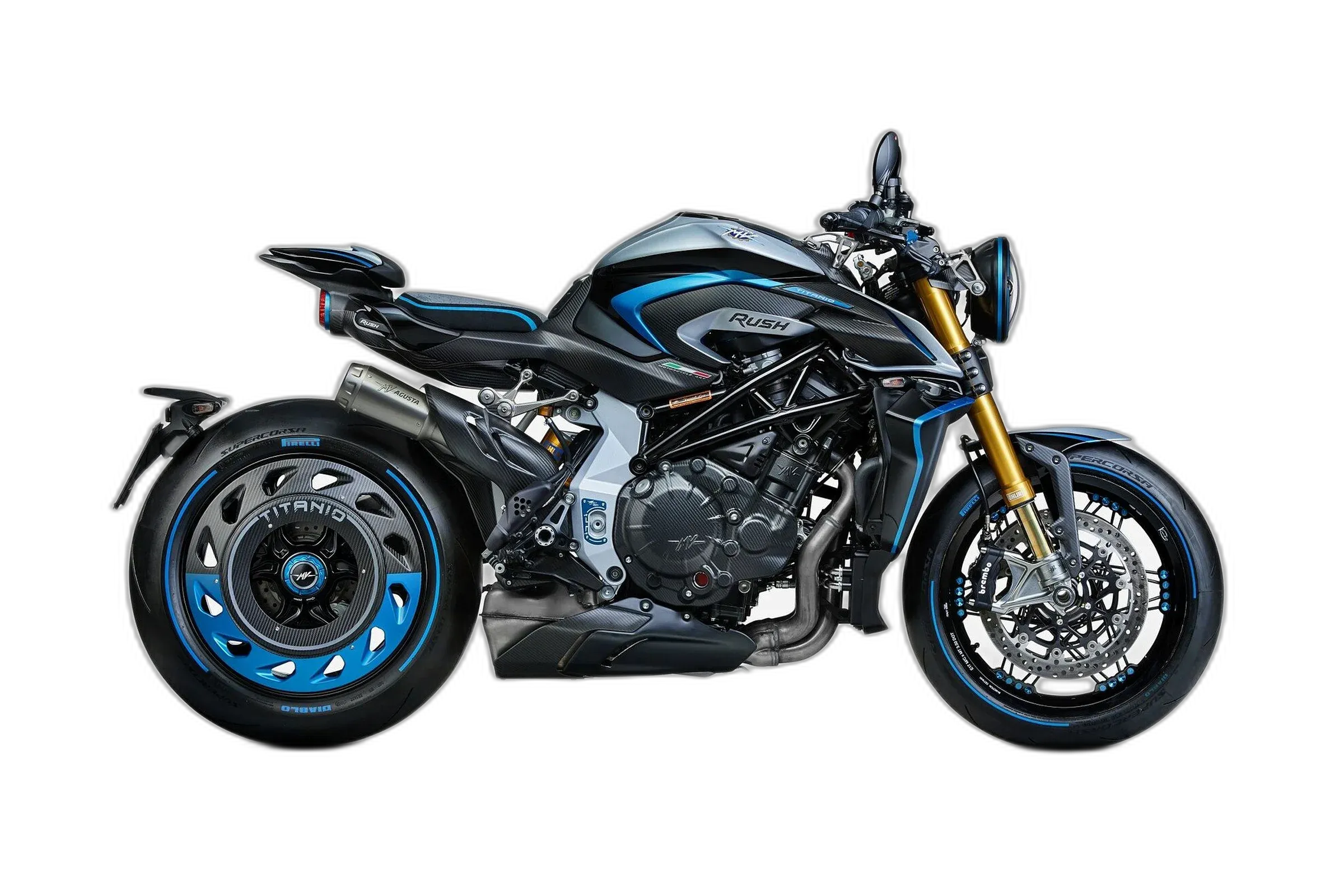
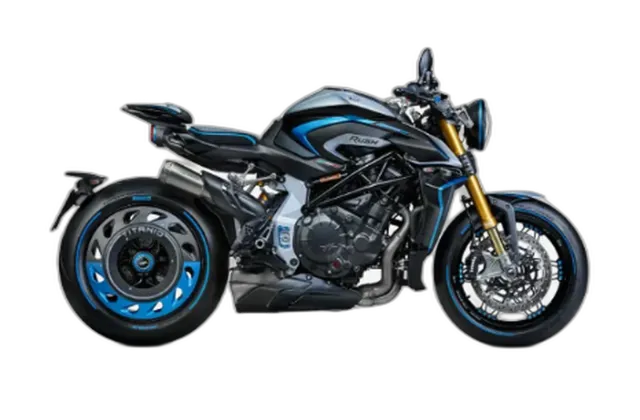
Schiranna built 300 of these and not one more. The Rush Titanio wraps a 998 cc inline-four making 206 hp at 14,000 rpm and 86 lb-ft at 11,000 rpm in a chassis dressed with brushed titanium, carbon fiber, and a covered rear wheel nobody else would have signed off on. Öhlins SmartEC3 handles the damping. Cornering ABS, traction control, ride modes, and wheelie control handle everything the right wrist starts. In a class that usually sells raw force and stops there, this one sells force plus craftsmanship, and it prices itself accordingly. It was built to be looked at as hard as it is ridden.

How does it age? Like jewelry that happens to run. Titanium and carbon do not go dull the way painted plastic does, and a 300-unit run means most of these get garaged, cleaned, and ridden less than they deserve. The rider this genuinely suits already owns something sensible and wants the exact opposite: sharp, rare, loud, unapologetic. The honest caveat is reach and range. A 4.2 gal (16 L) tank in front of an engine that makes its peak at 14,000 rpm does not make long days easy, and there is no luggage system or center stand to soften the practical side. You buy this for the two hours that matter.

Hard Numbers

Spec sheets don't ride bikes, but they set the baseline.

Show full specs & equipment Hide specs & equipment
Key specifications
Power 206 hp (152 kW) @ 14,000 rpm
Torque 86 lb-ft (116 Nm) @ 11,000 rpm
Displacement 998 cc
Engine Inline-four
Cooling Liquid-cooled
Gearbox 6-speed
Final drive Chain
Fork Upside-down (USD)
Front brake 320 mm
Front tire 120/70-17
Rear tire 200/55-17
Wheelbase 55.7 in (1415 mm)
Seat height 33.3 in (845 mm)
Fuel capacity 4.2 gal (16 L)
Top speed 186 mph (300 km/h)

Equipment check

Chassis

  • Electronic Suspension Öhlins SmartEC3 Realtime road adaptationBrake dive control Standard
  • Front Suspension Adjustable Standard
  • Rear Suspension Adjustable Standard
  • Steering Damper Standard
  • Cruise Control Standard

Connectivity

  • TFT Display Standard
  • Smartphone Connectivity Standard

Drivetrain

  • Quickshifter Standard
  • Slipper Clutch Standard

Lighting

  • LED Headlight Standard

Safety

  • ABS Standard
  • Cornering ABS Standard
  • Traction Control Standard
  • Ride Modes Standard
  • Wheelie Control Standard

The Voice of Experience

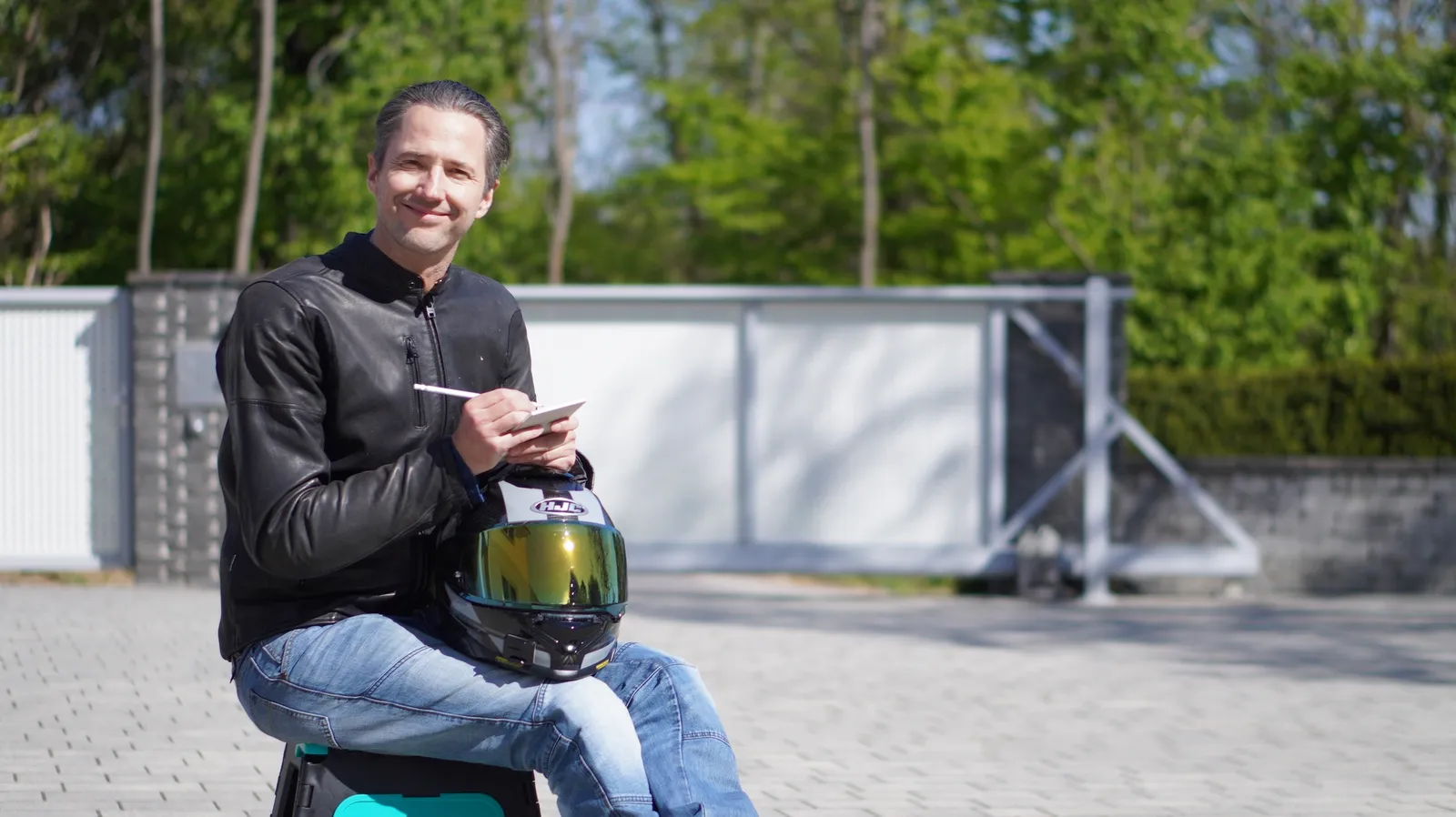
Portrait of NastyNils

The test ride

The first thing you deal with is the height. At 33.3 in (845 mm) you step up onto the seat rather than swing into it, and the bars pull your shoulders forward into a stance that tells you exactly what the next hour will be like. The inline-four idles with a hard metallic edge and turns genuinely loud once the revs climb, the kind of sound that reaches your chest before your ears. Vibration through the pegs stays tight and alive without going numb. The 200-section rear needs a deliberate shove to leave center, then the bike settles and the front end keeps reporting back in clear, unfiltered detail. At normal road pace the electronic Öhlins keeps things firm instead of brittle. Your wrists and lower back start counting after about an hour.

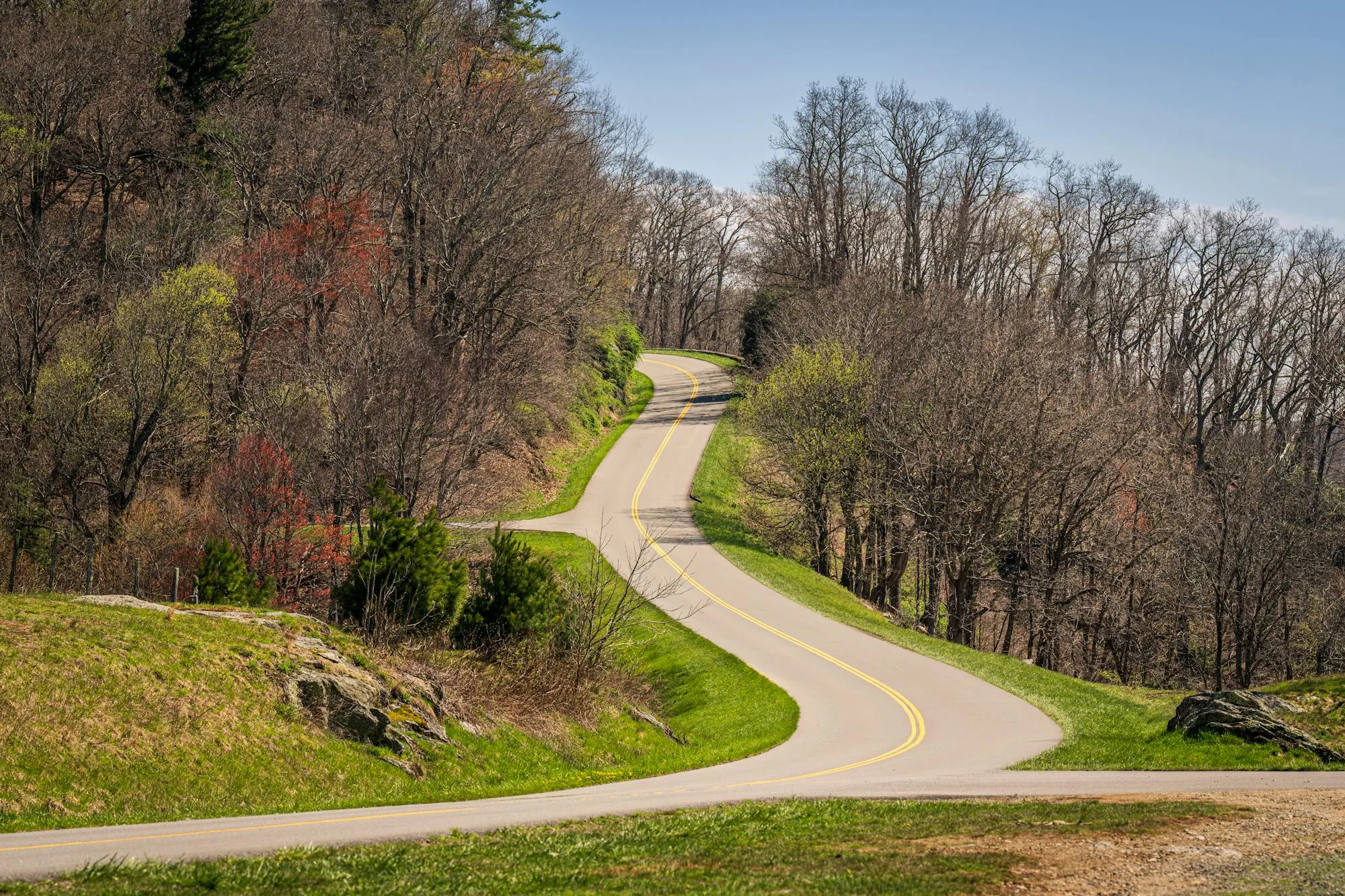
A winding asphalt road descending through the Appalachian Mountains, likely the famous Tail of the Dragon section in Tennessee and North Carolina. Multiple technical right-hand and left-hand curves are visible in this aerial perspective, surrounded by deciduous forest in spring foliage. Clear sunny conditions, well-maintained asphalt with yellow center lines marking the curves.
Mark Stebnicki / Pexels

The Expert Benchmark

Where this MV Agusta Rush Titanio pulls ahead of — or falls behind — its rivals on the numbers, and the typical bike in its class on character.

What kind of bike this is — character vs. the class

This bike Class average

The shape of the MV Agusta Rush Titanio — numbers and character vs. the average Hyper Naked

Head-to-head: MV Agusta Rush Titanio vs. its rivals

The Handshake Score

Forget spec-sheet bragging. Here's who the Rush Titanio is actually built for.

A scenic view of Angeles Crest Highway winding through rugged Southern California canyon terrain. Rocky mountainsides with golden earth tones frame the asphalt road with tight sweeping curves. Double yellow center line visible, sparse vegetation along the shoulders, clear blue sky with white clouds. Daylight, dry conditions. Iconic location for canyon-road enthusiasts.
Josh Sorenson / Pexels

Best motorcycle for Laguna Seca?

The chassis and the electronic Öhlins are fully up to a hard day of sessions. The real question is whether you can ride a 300-unit titanium piece with the freedom that kind of riding needs.

Made for Barber Motorsports Park · WeatherTech Raceway Laguna Seca · Circuit of the Americas
Best motorcycle for Angeles Crest?

Canyon roads are where this bike makes the most sense: enough feedback to place it exactly, enough engine to make the straights count. The LA traffic on the way out is the tax you pay.

Made for Angeles Crest Highway · Coronado Trail / US 191 · Highway 1 / Big Sur

Best motorcycle for Tail of the Dragon?

Slow, repeated, technical corners suit the chassis and the adjustable suspension well. Just know the small tank and the tall seat make the drive-in from Atlanta or Charlotte the least fun part of the weekend.

Made for Back of the Dragon · Blue Ridge Parkway · Cherohala Skyway

What's new versus the previous generation

If you're cross-shopping the older generation, here's what changed.

MV Agusta Rush 1000 (MY2020)

Previous generation · 2020–2026

MV Agusta Rush 1000 (MY2020)

Italian Fire, Radial Valves

Compare to the previous model →

Alternatives to the MV Agusta Rush Titanio

If this one isn't quite the fit, these are the bikes worth riding back-to-back against it.