
Erik Buell Racing 1190 SX (MY2014) — Hyper Naked
Erik Buell Racing Press

2014 · Hyper Naked · Buyer's Guide

1190 SX (MY2014)

American V-Twin Raw Power

The Machine's Character

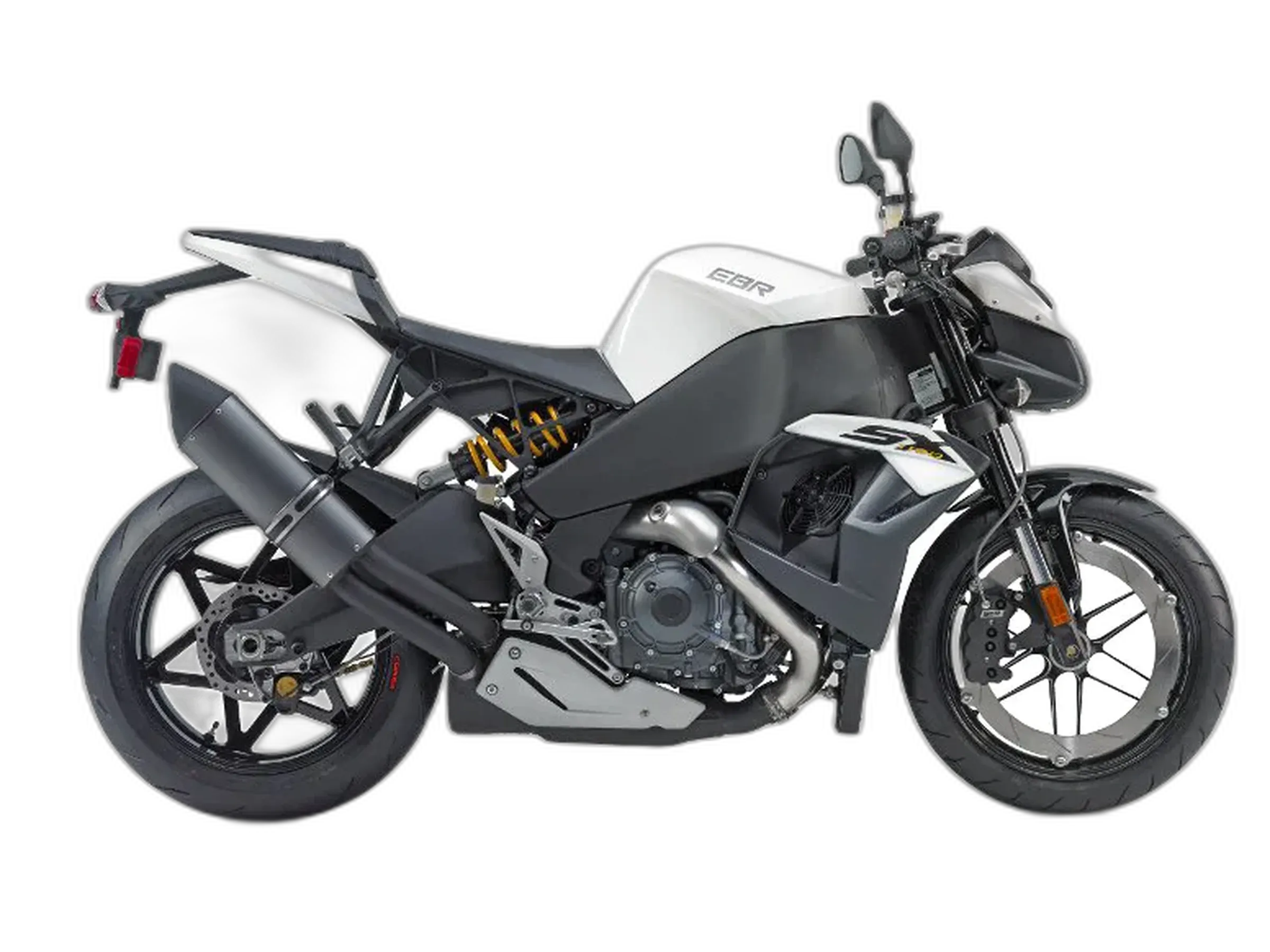
Erik Buell Racing built the 1190 SX as the street-facing version of its 1190RX: the same 1190 cc, 72-degree V-twin, the same aluminum chassis, wrapped around a riding position you can actually use on the road. The engine makes 185 hp at 10,600 rpm and 102 lb-ft at 8,200 rpm, and it carries all of that in a machine that weighs 414 lb wet. Traction control is standard, fork and shock are adjustable at both ends, and a slipper clutch handles the hard downshifts. There is no ABS. Everything fitted is there to do one job.

This is a bike for a rider who already knows what a big V-twin feels like and wants it without a filter over the top. The chassis is quick, the seat sits at 32.5 in, and the upright position means it survives a commute as well as a Saturday, which is more than the spec sheet suggests. The honest part is ownership. The front sprocket can wear fast or lose teeth, the voltage regulator can fail and take the battery with it, and the wiring and connectors are a known weak spot. Buy one for the engine and the chassis, not for a quiet life.

Hard Numbers

Spec sheets don't ride bikes, but they set the baseline.

Show full specs & equipment Hide specs & equipment
Key specifications
Power 185 hp (138 kW) @ 10,600 rpm
Torque 102 lb-ft (138 Nm) @ 8,200 rpm
Displacement 1190 cc
Cooling Liquid-cooled
Gearbox 6-speed
Final drive Chain
Fork Upside-down (USD)
Front brake 386 mm
Front tire 120/70-17
Rear tire 190/55-17
Wheelbase 55.5 in (1409 mm)
Seat height 32.5 in (826 mm)
Wet weight 414 lb (188 kg)
Fuel capacity 4.5 gal (17 L)

Equipment check

Chassis

  • Front Suspension Adjustable Standard
  • Rear Suspension Adjustable Standard

Drivetrain

  • Slipper Clutch Standard

Safety

  • Traction Control Standard

The Voice of Experience

Portrait of NastyNils

The test ride

Start it and the V-twin sounds mechanical rather than styled, a hard flat voice that gets better the more work you give it. You sit high and forward, weight over the front wheel, wrists carrying just enough load to keep you paying attention. The bar is wide, the tank narrow where your knees go, and the whole bike feels smaller under you than the 55.5 in wheelbase reads on paper. Vibration is always present and never punishing; it rises with revs and tells you exactly where the engine is. The gearbox is audible, a whine you can pick out over the engine at a steady 60 mph. With 4.5 gal of fuel aboard and 414 lb on the road, nothing about moving it around feels like effort. Two hours in, the wind is the first thing to ask you to stop.

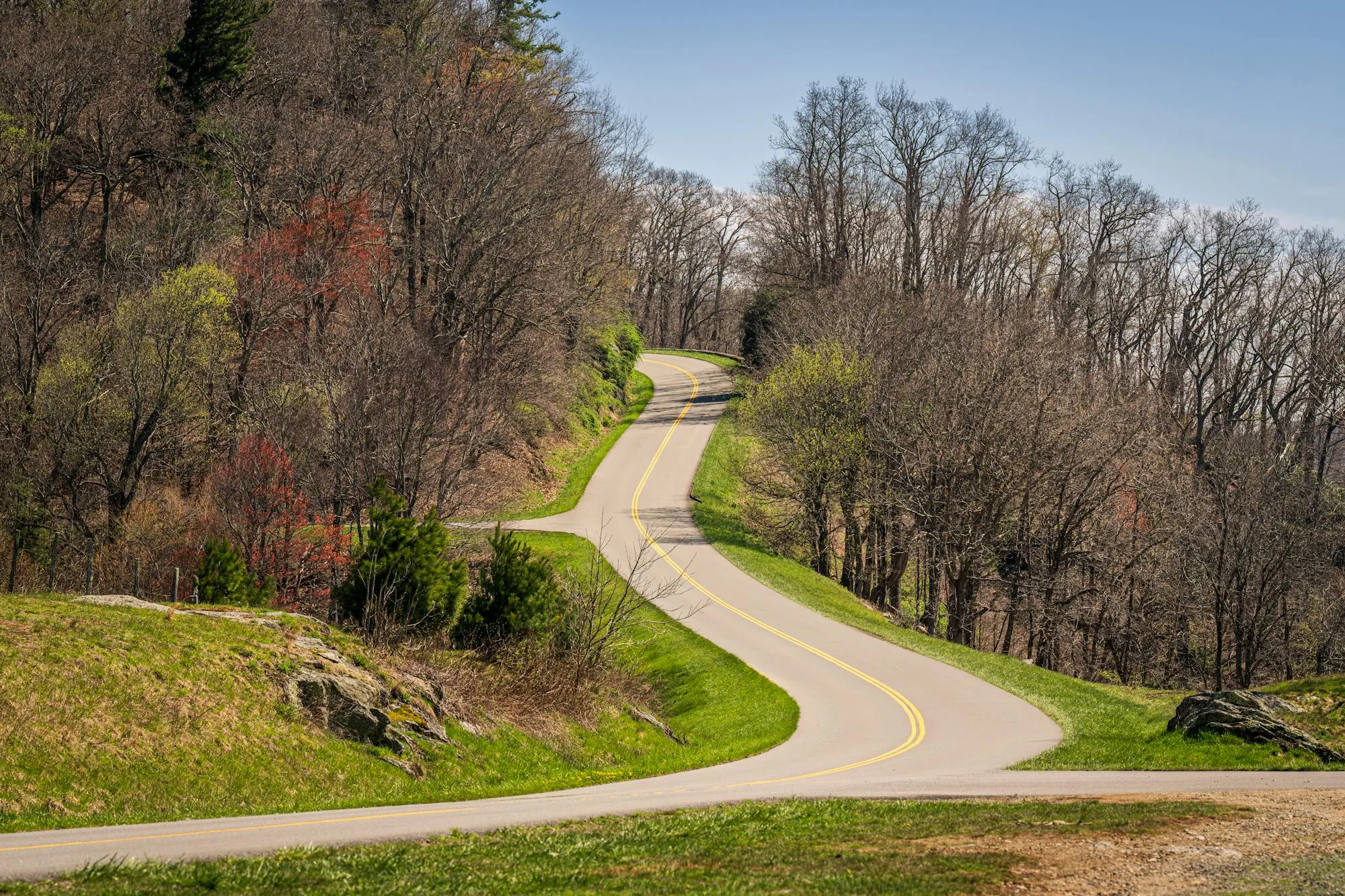
A winding asphalt road descending through the Appalachian Mountains, likely the famous Tail of the Dragon section in Tennessee and North Carolina. Multiple technical right-hand and left-hand curves are visible in this aerial perspective, surrounded by deciduous forest in spring foliage. Clear sunny conditions, well-maintained asphalt with yellow center lines marking the curves.
Mark Stebnicki / Pexels

The Truth on the Street

What follows belongs to the riders, not to me. It has come together over years of owner conversations at rallies and after ride-outs, plus the mail that arrives from people putting real miles on the bike. Two subjects dominate on the SX: how the engine behaves once the novelty wears off, and what it takes to keep one running.

How the engine behaves at road pace

The thing riders return to is not the peak number. It is the order of the delivery. They describe a flat, controllable torque curve, an engine civil enough for everyday riding, and power that builds without steps or spikes. The praise settles on the midrange: owners say they lean on it and ride fast without ever ringing the engine's neck.

Where owners spend their patience

The recurring gripe has nothing to do with riding it. Owners describe a thin support picture: dealers, factory parts and mechanics who know these bikes are all hard to come by, so even routine maintenance often gets sorted with advice found online and aftermarket parts. Alongside that runs a list of electrical and mechanical faults. Not every bike suffers them, but enough owners report the same items for the pattern to read as inconsistent quality control.

Known issues

  • Front sprocket premature wear / tooth breakage

    drivetrain occasional

    The front sprocket can wear rapidly or lose teeth, especially if the chain is not kept perfectly adjusted. This can result in sudden loss of drive. Sprocket replacement is required, and the part is not inexpensive.

  • Clutch nut loosening

    drivetrain rare

    The clutch hub nut can work itself loose, potentially causing clutch slippage or damage. Requires inspection and re-torquing with threadlocker.

  • Voltage regulator and battery failure

    electrics occasional

    Reports of the voltage regulator failing, which then sends over-voltage to the battery, cooking it and stranding the motorcycle. May require replacement of both components.

  • Wiring harness and connector problems

    electrics occasional

    Poorly secured connectors and fragile wiring can cause intermittent electrical faults, including stalling and starting issues. Some owners have found broken wires and loose pins in the dashboard connector.

  • Gearbox noise / loud mechanical sound

    drivetrain occasional

    Some owners note an unusually loud gearbox whine or clatter, though it does not necessarily imply imminent failure. The cause is not clearly identified in community reports.

  • Dashboard / gauge module failure

    electrics rare

    The pins holding the instrument cluster together can fall out, causing the dash to separate. This may lead to electrical issues and poor visibility of instruments.

  • Chain guard detachment

    bodywork rare

    The chain guard can fall off, likely due to inadequate mounting hardware. This is a minor nuisance but can become a safety issue if the guard strikes the wheel.

The Expert Benchmark

Where this Erik Buell Racing 1190 SX pulls ahead of — or falls behind — its rivals on the numbers, and the typical bike in its class on character.

What kind of bike this is — character vs. the class

This bike Class average

The shape of the Erik Buell Racing 1190 SX — numbers and character vs. the average Hyper Naked

Head-to-head: Erik Buell Racing 1190 SX vs. its rivals

The Handshake Score

Forget spec-sheet bragging. Here's who the 1190 SX is actually built for.

A scenic view of Angeles Crest Highway winding through rugged Southern California canyon terrain. Rocky mountainsides with golden earth tones frame the asphalt road with tight sweeping curves. Double yellow center line visible, sparse vegetation along the shoulders, clear blue sky with white clouds. Daylight, dry conditions. Iconic location for canyon-road enthusiasts.
Josh Sorenson / Pexels

Best motorcycle for Angeles Crest?

Angeles Crest is the exact road this bike was drawn for: light, sharp, and loud where it counts. Go in knowing there is no ABS to rescue a hard grab on a dusty corner.

Made for Angeles Crest Highway · Coronado Trail / US 191 · Highway 1 / Big Sur
Best motorcycle for Laguna Seca?

Lean clearance, adjustable suspension at both ends and a slipper clutch for the braking zones make it a real track day tool. With no ABS and no quickshifter, your inputs have to be clean.

Made for Barber Motorsports Park · WeatherTech Raceway Laguna Seca · Circuit of the Americas

Best motorcycle for Tail of the Dragon?

Repeatable, technical corner work is where the chassis and the feedback pay off, and the compact wheelbase suits the Dragon. Budget your patience for the electrical side of ownership.

Made for Back of the Dragon · Blue Ridge Parkway · Cherohala Skyway

Alternatives to the Erik Buell Racing 1190 SX

If this one isn't quite the fit, these are the bikes worth riding back-to-back against it.

Any price note compares both bikes at the same age — the youngest age both have on the used market — against this Erik Buell Racing 1190 SX. “cheaper/pricier” is what that bike costs second-hand, not how worn it is.