
2005–2007 · Enduro · Buyer's Guide
KLE500 (MY2005)
The City Slalom On A Budget
The Machine's Character
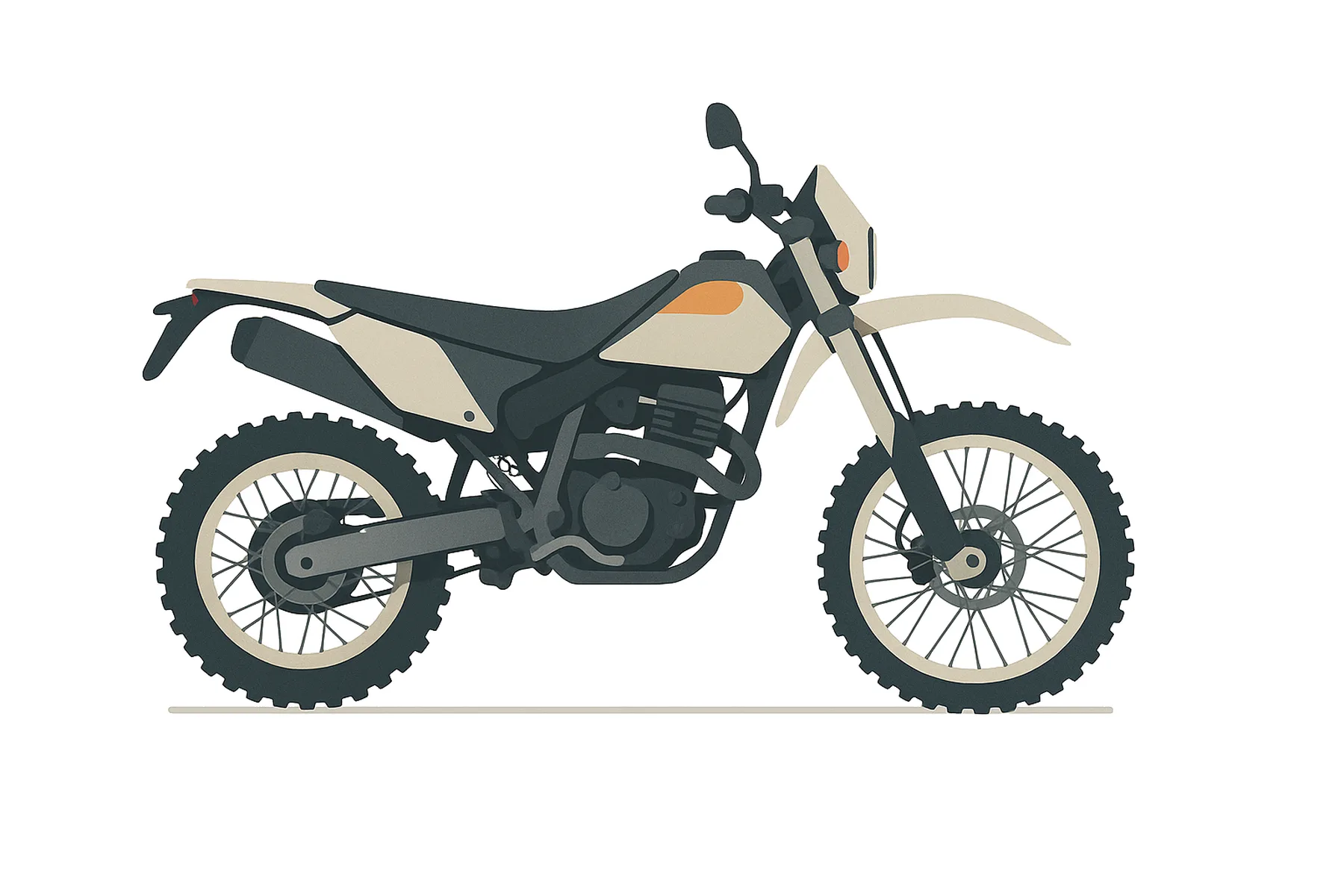
Kawasaki brought the KLE500 back after a seven-year gap, and the recipe stayed honest: the same 498cc liquid-cooled parallel twin, a steel double-cradle frame, and tall, commanding ergonomics. Emissions gear trimmed the output to 45 hp, so this was never built to chase a number. What you get instead is a light, narrow machine tuned around usability. The twin also pulls further up the rev range than a big single would, which gives it more usable spread than 498cc on paper suggests. In its class, rideability beats horsepower, and this bike leans hard into that idea.
On the road it rides soft and forgiving, soaking up broken pavement while the seating position lets you see over traffic. It ages well too, with a reputation for going the distance and costing very little to keep running and service. This one suits a rider who wants a dependable everyday twin for the city, gentle trails, and lazy B-roads, not someone chasing pace. The honest caveat: it runs out of motivation at a relaxed highway cruise, and the front brake doesn't have the authority a hard emergency stop asks for. Buy it for what it is and it rarely lets you down.
Hard Numbers
Spec sheets don't ride bikes, but they set the baseline.
Show full specs & equipment Hide specs & equipment
| Power | 45 hp (34 kW) @ 8,300 rpm |
|---|---|
| Torque | 30 lb-ft (41 Nm) @ 7,500 rpm |
| Displacement | 498 cc |
| Engine | Parallel twin |
| Bore × stroke | 74 × 58 mm |
| Compression | 9.8:1 |
| Cooling | Liquid-cooled |
| Fuel system | Carburetor |
| Gearbox | 6-speed |
| Final drive | Chain |
| Frame | Steel double cradle |
| Fork | Telescopic |
| Front brake | 300 mm |
| Rear brake | 230 mm |
| Front tire | 90/90-21 |
| Rear tire | 130/80-17 |
| Wheelbase | 59.4 in (1510 mm) |
| Ground clearance | 9.1 in (230 mm) |
| Front travel | 8.7 in (220 mm) |
| Rear travel | 7.9 in (200 mm) |
| Seat height | 33.5 in (850 mm) |
| Wet weight | 430 lb (195 kg) |
| Fuel capacity | 4.0 gal (15 L) |
| Top speed | 106 mph (170 km/h) |
| Fuel economy | 39 mpg (US) |
Equipment check
Chassis
- Rear Suspension Adjustable Standard
The Voice of Experience
The test ride
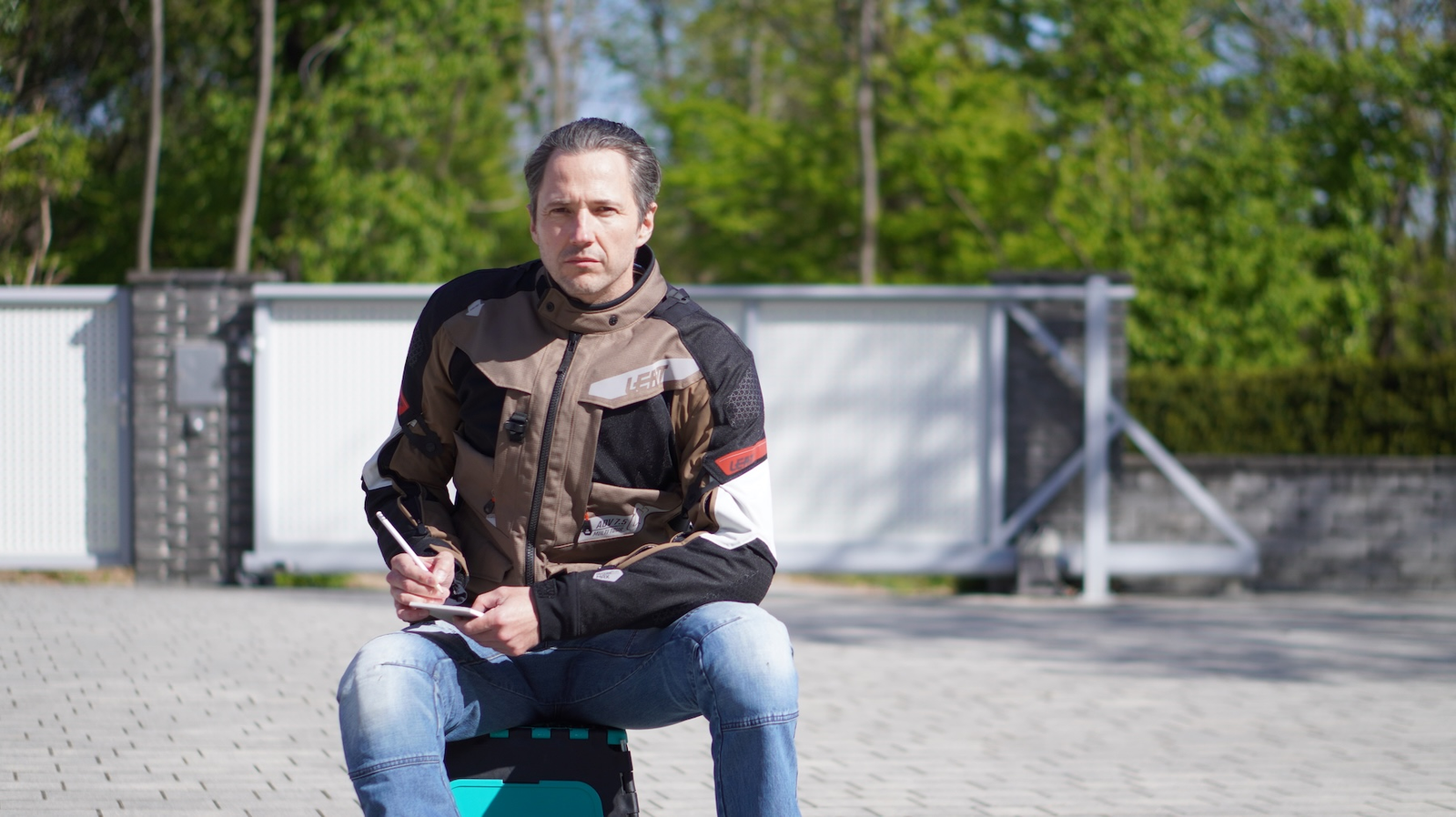
Swing a leg over and you sit tall and narrow, with real room to move; even at six-two there's no sense of being folded in. The bars fall to hand, the view runs out over car roofs, and the whole bike feels light underneath you the moment it starts rolling. Steering takes almost nothing. One push and it leans, then holds its line without fuss, so quick changes of direction in town feel natural rather than busy. At a cruise the twin sits smooth and unstressed beneath you. The one part that talks back is the gearbox, which shifts with a rough, notchy action you learn to time rather than rush. The pull to keep riding it, instead of parking it, is the strongest thing I can say about a day in this saddle.
Rated point by point — where it earns its keep
My own 0–100 score for this bike against the class, area by area — the marker on each bar is the class average.
Steering is the part that makes me grin. The bike falls into a lean off the lightest steer and then sits there, dead steady, so stringing together quick changes of direction never feels busy. Late corrections and tight, repeated turns track exactly where I aim them with no wrestling involved. There was one roundabout on my test loop I went around a second time for no reason other than to feel it drop in again. That tells you most of what you need.
This is the one area where the bike asks you to ride within a margin. Everyday slowing is fine; the front does what you want when you're just washing off pace into a corner or a junction. Lean on it hard, though, and the authority you're reaching for isn't quite there. The kind of sudden, fully committed stop you'd want when a car steps into your path is where it comes up short, so I give myself extra room and read the road earlier.
Where this bike earns its keep is that it never writes a check your hands can't cash. I rode a stretch a far stronger machine had been wrecked on not long before, and this one simply linked the corners together with no theatrics and nothing trying to get away from me. The power sits underneath you rather than ahead of you, which is exactly what you want when the road tightens up. It flatters the rider instead of testing them, and that's a genuine strength.
The motor's whole personality is that it never catches you out. It picks up gently and pulls in one clean line, with no sudden step in the delivery to unsettle you. Roll off partway through a bend and nothing lurches; the bike just eases its weight down and lets you tidy your line. For a twin this size it also keeps pulling higher than you'd expect, so the working range is broader than the displacement suggests.
As a tool for getting across town, this is one of the most natural things I've ridden. It's slim and easy to point, so working through stalled traffic reads as a relaxed weave rather than a chore, and a full commute went by without feeling like effort. The honesty comes on the open road. It steps up cleanly to an easy cruising pace and then quietly taps out; ask for more and the drive fades, so any overtake on faster roads wants thinking through first.
What stays with me is how much the riding position does for you. You sit high and open, with the kind of clear sightline that lets you plan your way through dense traffic well before it forces a decision. The stance never crowds you either. I'm taller than most riders and still had honest room to move around, and shorter riders get a seat they can actually manage. It's an easy bike to spend a full day on.
The Truth on the Trail
Across two decades I've tracked what KLE500 owners tell me, in paddock conversations, long email threads, and the notes riders send after living with the bike. The picture stays consistent: a cheap, easygoing dual-purpose twin happiest when you aren't asking much of it, with a couple of gripes that surface again and again.
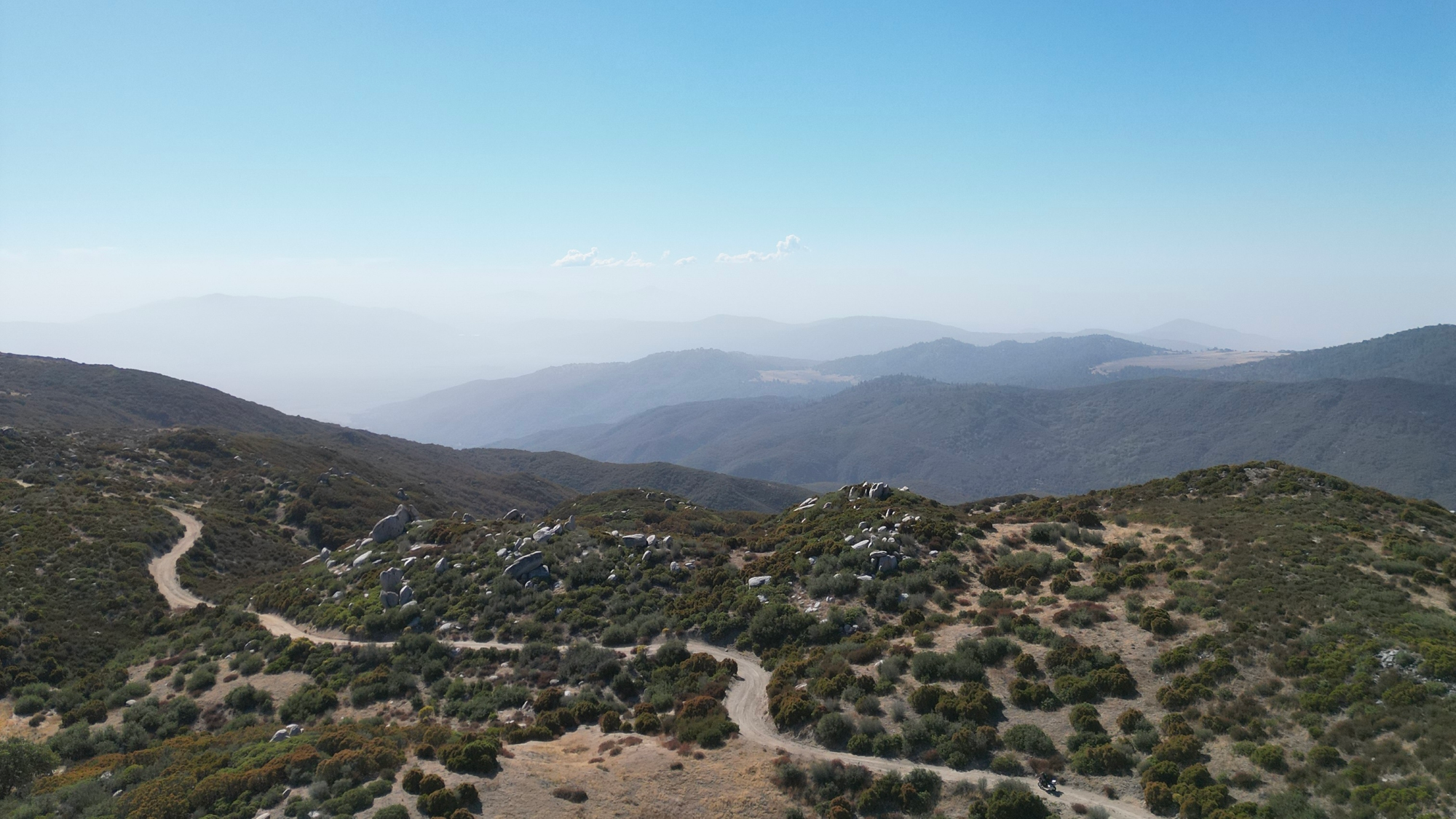
Friendly when the pavement ends
Riders consistently describe it as unintimidating once the going gets loose. It's light, narrow, and low to the ground, easy to pick up if it tips, and the upright stance makes standing on the pegs feel natural for newer riders on gravel. The other steady theme is cost. Owners point to the handguards, bash plate, and luggage rack in the package, plus low insurance and parts that stay easy to find, which keeps ownership cheap. A center stand was offered as an option.
The seat riders can't ignore
The loudest complaint by far is the saddle. Owners call it a plank, thinly padded, with discomfort setting in within an hour, so many fit an aftermarket seat or a gel pad. A second recurring gripe is how it feels as the pace climbs: the soft, non-adjustable suspension and tall front wheel leave the steering vague and the rider fighting buffeting on faster roads.
Known issues
High fuel consumption
Owners report 37–40 mpg (6.2 L/100km), which is poor for a 500cc twin, giving a tank range of barely 125 miles.
Clunky gearbox
The six-speed transmission suffers from a rough, notchy feel, making smooth upshifts difficult. This is a characteristic rather than a failure point.
Exhaust system rust
Header pipes and the collector box are prone to rust, often requiring replacement within a few years. ACF-50 or regular repainting can delay corrosion.
The Expert Benchmark
Where this Kawasaki KLE500 pulls ahead of — or falls behind — its rivals on the numbers, and the typical bike in its class on character.
What kind of bike this is — character vs. the class
Head-to-head: Kawasaki KLE500 vs. its rivals
Power
Torque
Displacement
Wet weight
Top speed
Seat height