Husqvarna WR 250 (MY2009) — Enduro
Husqvarna press archive

2009–2013 · Enduro · Buyer's Guide

WR 250 (MY2009)

4.5 / 5 NastyNils Rating · against its class

Two-Stroke Single-Track Specialist

The Machine's Character

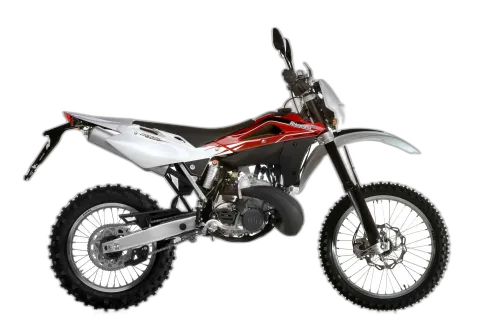
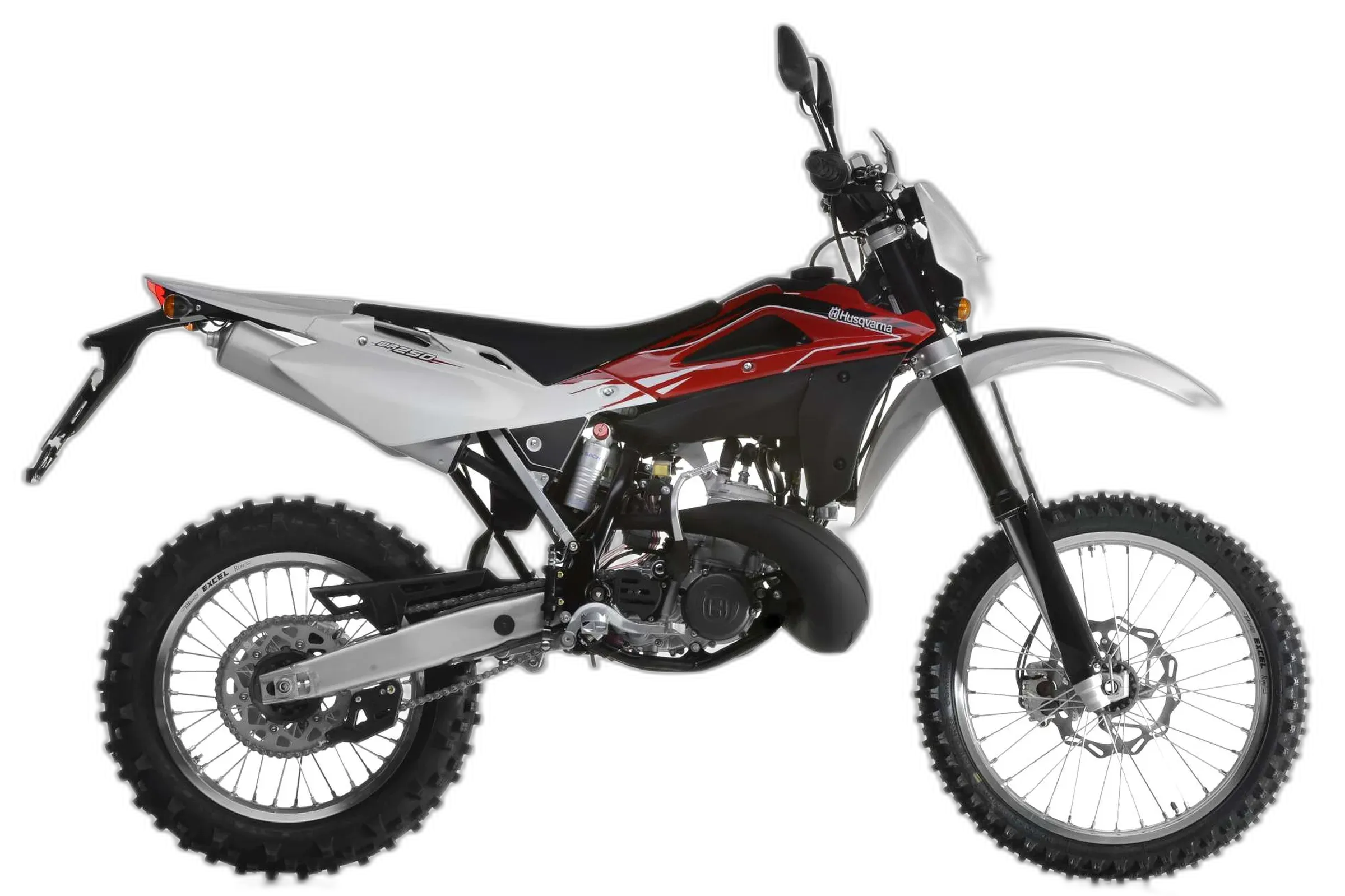
The 2009–2013 Husqvarna WR 250 is a 249 cc two-stroke single built for enduro, and it does that job without pretending to be anything else. The liquid-cooled engine breathes through a 1.5 in (38 mm) Mikuni TMX carb and a V-Force 3 reed valve and makes 49 hp. The peak number matters less than where the pull sits: low and in the middle, which is exactly where rocks and roots need it. The chassis is a steel single-cradle frame with an adjustable Marzocchi upside-down fork and an adjustable Sachs shock. They give you 11.8 in (300 mm) of travel up front and 12.6 in (320 mm) at the rear. It also looks the part.

In the dirt it steers precisely and stays light, so you carry momentum through tight singletrack instead of reaching for big throttle. It suits an experienced rider who wants a simple machine they can fix themselves. There are no electronics to fight, and there is plenty of aftermarket support. The honest caveat is that it asks you to stay involved. There's no electric start and no hydraulic clutch, the seat is a tall 38.4 in (975 mm), and the fork seals and damping need regular service to stay sharp. If you treat maintenance as part of owning it, the WR pays you back in the nastiest terrain.

Hard Numbers

Spec sheets don't ride bikes, but they set the baseline.

Show full specs & equipment Hide specs & equipment
Key specifications
Power 49 hp (36 kW)
Displacement 249 cc
Engine Single-cylinder
Cooling Liquid-cooled
Gearbox 5-speed
Final drive Chain
Fork Upside-down (USD)
Front tire 90/90-21
Rear tire 140/80-18
Ground clearance 13.6 in (345 mm)
Front travel 11.8 in (300 mm)
Rear travel 12.6 in (320 mm)
Seat height 38.4 in (975 mm)
Fuel capacity 2.5 gal (9.5 L)

Equipment check

Chassis

  • Front Suspension Adjustable Standard
  • Rear Suspension Adjustable Standard
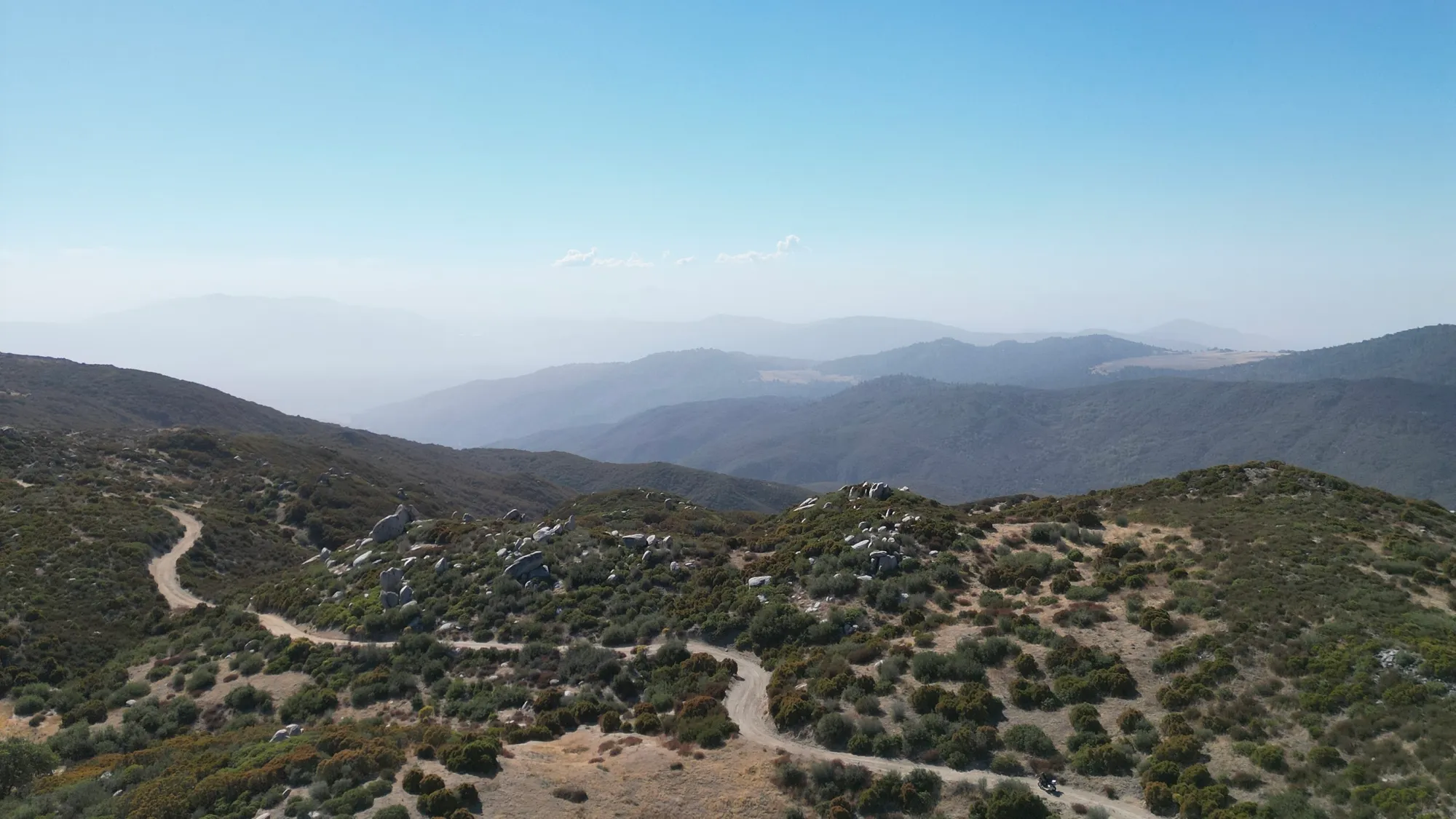
Aerial drone view of Palomar Divide Road winding through chaparral-covered mountain ridges in San Diego County. Multiple S-curve sections descend through sparse vegetation with distant valley views visible in the haze. Gravel and packed-earth surface.

The Truth on the Trail

Over the years I've collected a lot of owner feedback on the WR 250: paddock talk, owner chats at the trailhead, club-night conversations, and the messages riders send me directly. The pattern is consistent. Riders praise the engine's low-speed manners and the front end, and their complaints are about finish, comfort, and how slowly it covers long, fast stretches.

The motor that won't quit

Riders consistently describe an engine that pulls hard from low revs, and owners say it will chug down almost to idle without stalling. In technical terrain that means less clutch work. The front end gets the same steady praise. Owners say the front wheel stays planted and rarely washes out, and that gives them confidence in ruts and rocks. Some also point out that the air filter comes out in minutes without tools.

Firm seat, slow fire roads

The gripes come up less often. Some owners find the plastics and overall fit less refined than they expected, and they wish the cable clutch had a better feel. The seat is described as noticeably firm. With stock gearing, riders say the six-speed box tops out early, so long fire-road transfers feel slow.

Known issues

  • Suspension seal wear / soft damping

    suspension occasional

    Fork seals can leak and the suspension action may feel too soft over time, requiring more frequent service than some competitors. Regular oil changes and seal replacement restore performance.

  • Spark plug fouling during cold starts

    engine occasional

    If the choke is not released immediately after firing or too much throttle is applied during warm‑up, the plug can foul, leaving the rider stranded. This is primarily a technique issue rather than a component defect.

  • False neutrals and shifting difficulty

    drivetrain occasional

    Several owners report a tendency to hit false neutrals, especially between 3rd and 4th gear, along with vague shift feel. Improper clutch adjustment or a missing centre-case gasket can exacerbate the problem.

  • Clutch cover damage from gear lever

    engine occasional

    On this two-stroke the clutch sits on the left side of the engine, the reverse of the usual layout, which puts the gear lever directly over the clutch cover. In a fall the lever can be forced into the cover and crack it, letting transmission oil escape and potentially stranding the rider on the trail.

The Expert Benchmark

Where this Husqvarna WR 250 pulls ahead of — or falls behind — its rivals on the numbers, and the typical bike in its class on character.

What kind of bike this is — character vs. the class

This bike Class average

Head-to-head: Husqvarna WR 250 vs. its rivals

The 'Should I Buy It?' Score

Forget spec-sheet bragging. Here's who the WR 250 is actually built for.

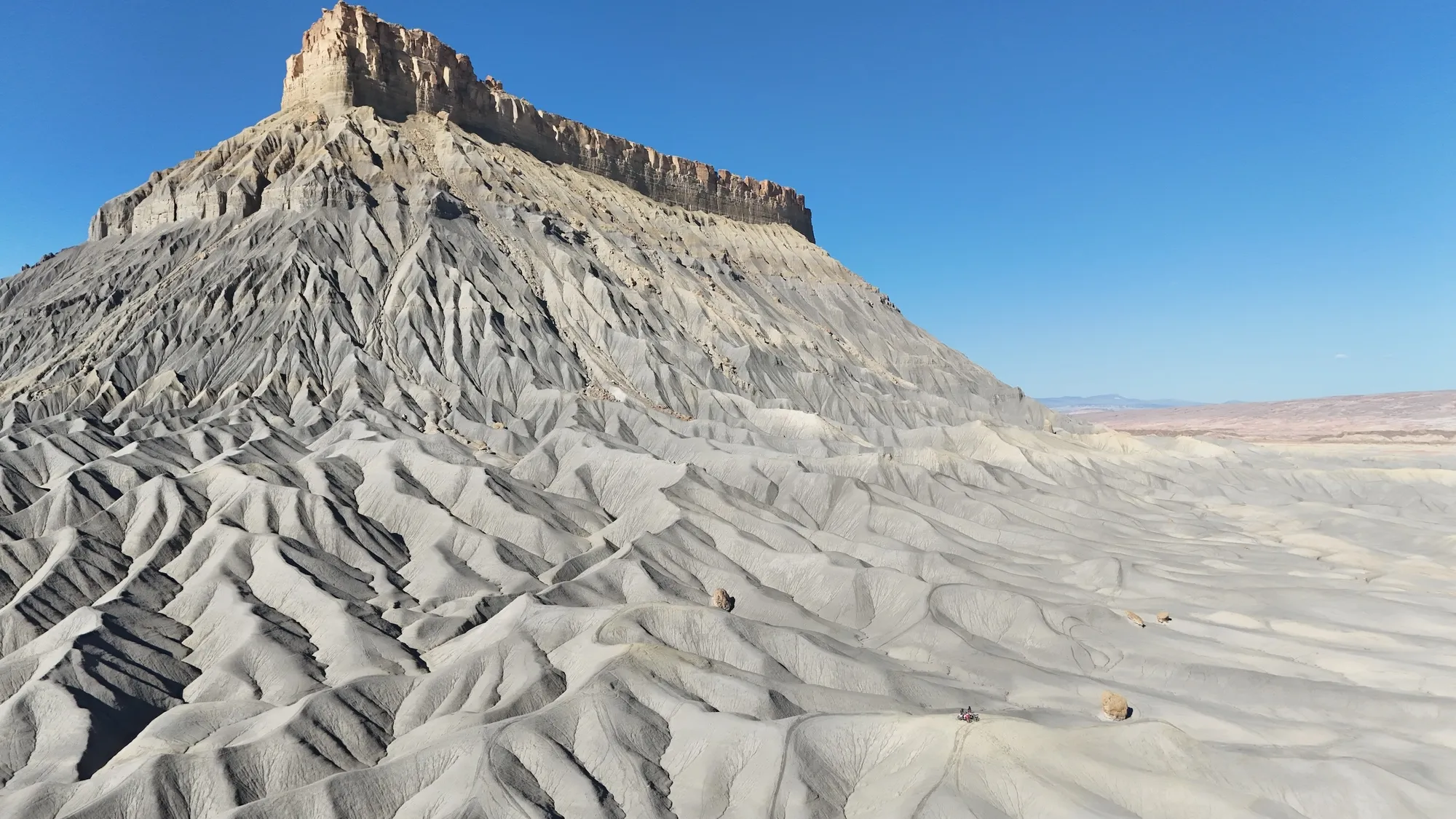
Factory Butte in Utah's high desert badlands, captured in daylight under clear blue sky. The formation's distinctive multi-colored strata and steep erosional gullies dominate the frame. Arid terrain with minimal vegetation stretches across the foreground and background. Typical American Southwest landscape.
NastyNils / Nastynils.com

Best motorcycle for Moab?

This is your bike. Light steering and strong low-end pull let you pick your way up ledges and through sand without drama. Just carry fuel, because 2.5 gal goes fast on long desert loops.

Made for Bar M / Kane Creek · Imperial Sand Dunes · Johnson Valley OHV Area
Best motocross bike for Loretta Lynns?

It will lap your local track and have fun doing it, but it's an enduro at heart. The power is tuned for terrain, not for holeshots. If racing MX is the whole point, it's a compromise.

Made for Carnegie State Vehicular Recreation Area · Fox Raceway at Pala · Glen Helen Raceway

Best motorcycle for BDR routes?

Honestly, this isn't a multi-day BDR machine. There's no luggage system, the seat is tall, and the tank is small. Take it for technical day loops off your base camp, not for the whole route.

Made for AZBDR — Arizona Backcountry Discovery Route · California BDR South · COBDR — Colorado Backcountry Discovery Route

Alternatives to the Husqvarna WR 250

If this one isn't quite the fit, these are the bikes worth riding back-to-back against it.

Any price note compares both bikes at the same age — the youngest age both have on the used market — against this Husqvarna WR 250. “cheaper/pricier” is what that bike costs second-hand, not how worn it is.