
Triumph Rocket III (MY2010) — Cruiser
Triumph Press

2010–2017 · Cruiser · Buyer's Guide

Rocket III (MY2010)

3.5 / 5 NastyNils Rating · against its class

163 Pounds of Ground-Shaking Torque

The Machine's Character

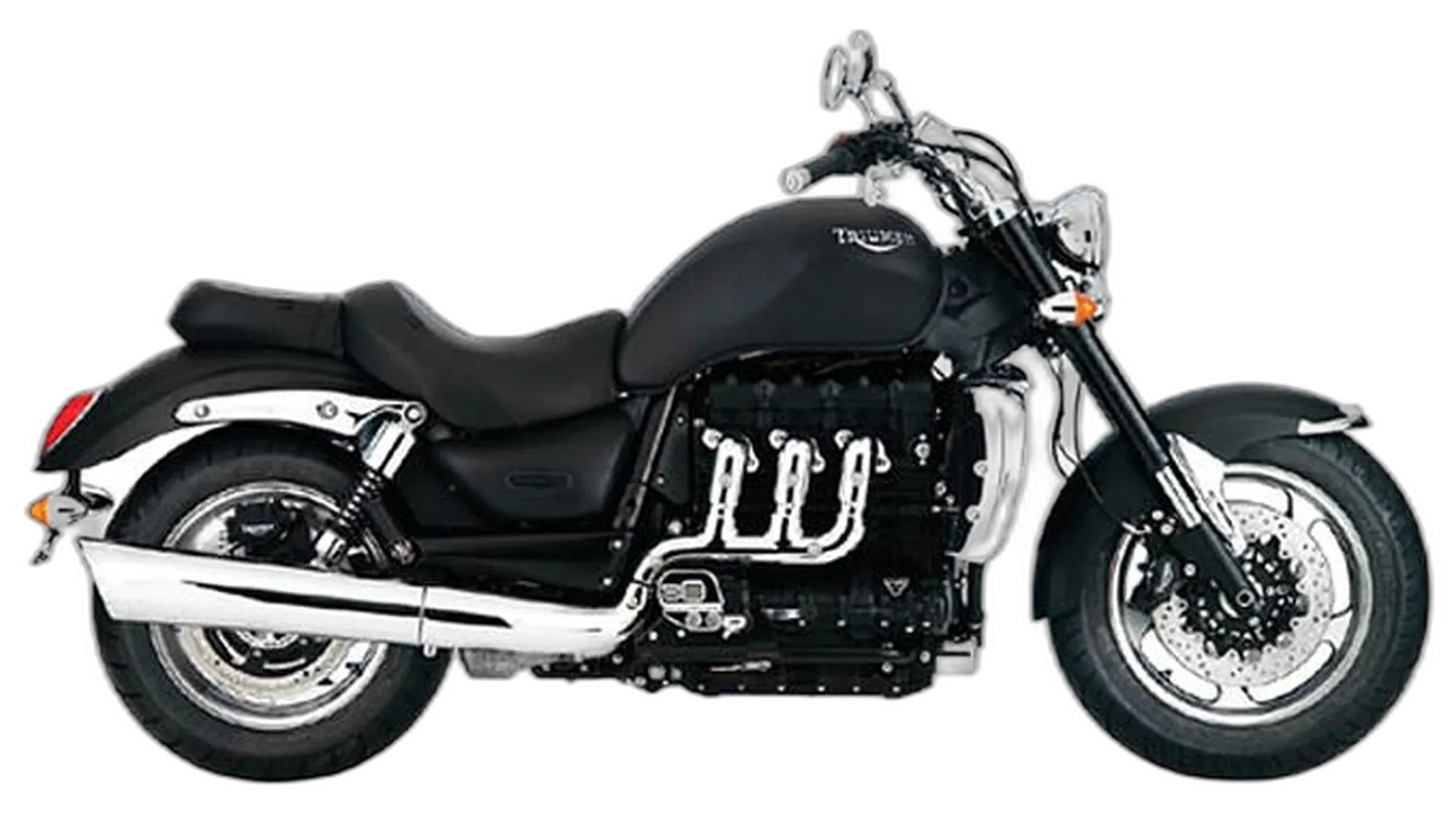
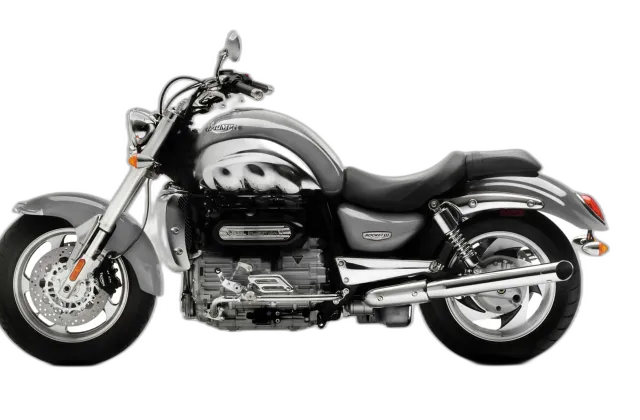
Triumph built this one around the engine and made no apology for it. The 2294 cc liquid-cooled inline-three makes 146 hp and 163 lb-ft, and it drives the rear wheel through a five-speed box and a shaft. The styling follows the same logic: blacked-out hardware, heavy metal left on show, a 240/50-16 rear tire anchoring the whole silhouette. In a class where character often gets faked with old technology, this generation earns it honestly. It reads as a power cruiser with a genuinely British engine note rather than an imitation of somebody else's formula.

On the road it feels far more sorted than 809 lb (367 kg) suggests. Steering is light off center, the 29.5 in (750 mm) seat gets most riders flat-footed at a stop, and at highway speed it settles into a line and stays there. ABS is standard. Traction control and ride modes are not, so your right wrist does the managing. This is a bike for riders who want presence and a mechanical event every time they ride. The honest caveat is running cost, because that torque and mass eat rear tires and rear pads faster than normal.

Hard Numbers

Spec sheets don't ride bikes, but they set the baseline.

Show full specs & equipment Hide specs & equipment
Key specifications
Power 146 hp (109 kW)
Torque 163 lb-ft (221 Nm)
Displacement 2294 cc
Engine Inline-three
Cooling Liquid-cooled
Gearbox 5-speed
Final drive Shaft
Front tire 150/80-17
Rear tire 240/50-16
Seat height 29.5 in (750 mm)
Wet weight 809 lb (367 kg)
Fuel capacity 6.3 gal (24 L)

Equipment check

Chassis

  • Rear Suspension Adjustable Standard

Safety

  • ABS Standard
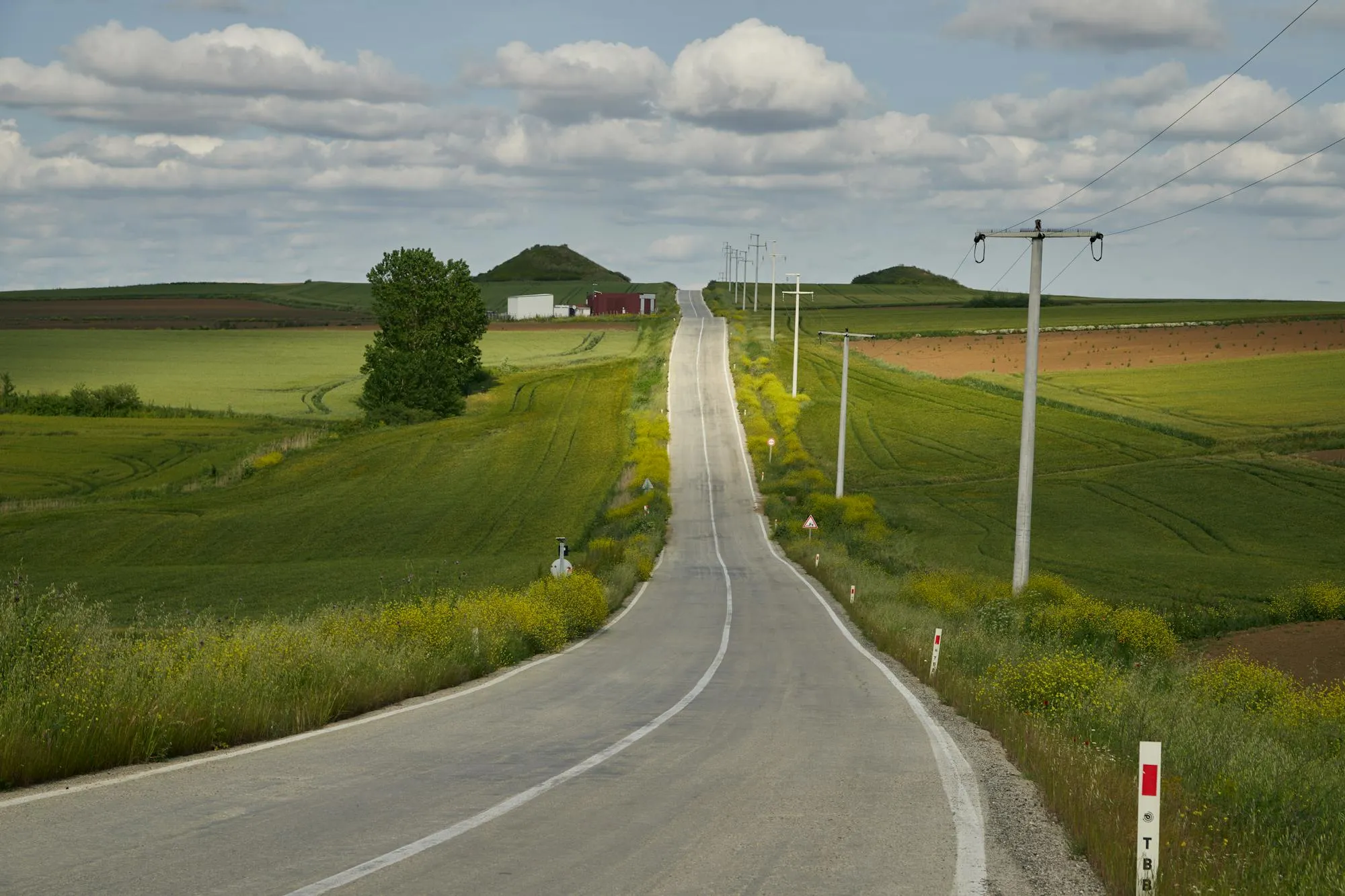
A long, straight paved road stretches toward the horizon through agricultural fields in Vermont. Power lines and a mailbox are visible along the roadside. Lush green vegetation, cumulus clouds, good daylight conditions. The landscape is flat to gently rolling. Asphalt pavement appears to be in good condition. Rural American setting.
Meric Tuna / Pexels

The Truth on the Street

Two decades of listening does most of the work here. Paddock conversations, owner meets, club nights, and the messages riders send me directly. On the Rocket III the chatter is unusually consistent: the engine comes up first, the handling second, and the low-speed wrestling third.

What Owners Bring Up First

Ask an owner what stands out and you get the pull. The report is the same everywhere: massive low-down grunt with genuine character to it, enough that riders stop planning an overtake and simply open the throttle. Cornering comes up almost as often. Owners say the bike hides its bulk once the road starts turning and feels stable, even nimble, in a way the spec sheet never suggests. Longtime Triumph riders also point to the footpegs sitting further back and down than on the earlier Rockets.

Where The Weight Announces Itself

The gripes sit in a narrow band. Parking lots, U-turns and walking pace are where the mass makes itself known, and that one surfaces in nearly every conversation. Riders who lean on it harder mention the peg feelers grounding out early, though they tend to shrug it off, since the feelers are replaceable.

Known issues

  • Ignition switch failure

    electrics occasional

    The ignition switch can cut out intermittently when the key is jiggled; often requires barrel replacement.

  • Accelerated rear brake pad and tyre wear

    brakes common

    The immense torque and weight cause faster than normal wear on rear brake pads and tyres.

  • Fork seal weep after storage

    suspension rare

    If the bike sits unused for long periods, fork seals may relax and weep a small amount of oil; usually self-corrects after a short ride.

The Expert Benchmark

Where this Triumph Rocket III pulls ahead of — or falls behind — its rivals on the numbers, and the typical bike in its class on character.

What kind of bike this is — character vs. the class

This bike Class average

The shape of the Triumph Rocket III — numbers and character vs. the average Cruiser

Head-to-head: Triumph Rocket III vs. its rivals

The 'Should I Buy It?' Score

Forget spec-sheet bragging. Here's who the Rocket III is actually built for.

Aerial view of a winding asphalt road cutting through volcanic terrain on La Gomera, Canary Islands. The road curves through sparse green vegetation with rocky volcanic peaks visible in the background and a settled valley to the left. Clear lane markings, dry climate, partly cloudy sky.

Best cruiser for Sturgis?

If the ride is about sound, stance and rolling into somewhere that matters, this delivers all three and never has to pretend. Expect to answer questions at every gas stop.

Made for A1A — Florida Atlantic Coast · Black Hills / Sturgis Rally Hub · Daytona Main Street / Bike Week
Best retro motorcycle for road trips?

Small towns and slow historic routes suit it well, and the look holds up everywhere you park. It is louder and heavier than the usual retro road-trip bike, so decide if that is your statement.

Made for Acadia National Park · Austin / Handbuilt Motorcycle Show · Blue Ridge Parkway

Best touring motorcycle for long distance?

Long days work here, it is stable at speed and the 6.3 gal (24 L) tank keeps fuel stops sensible. Two-up and fully loaded is where it asks more of you than a purpose-built tourer would.

Made for Beartooth Highway · Blue Ridge Parkway · Going-to-the-Sun Road

What's new versus the previous generation

If you're cross-shopping the older generation, here's what changed.

Triumph Rocket III (MY2004)

Previous generation · 2004–2008

Triumph Rocket III (MY2004)

Two Thousand CC's Of Intent

Compare to the previous model →

Alternatives to the Triumph Rocket III

If this one isn't quite the fit, these are the bikes worth riding back-to-back against it.

Any price note compares both bikes at the same age — the youngest age both have on the used market — against this Triumph Rocket III. “cheaper/pricier” is what that bike costs second-hand, not how worn it is.