
Harley-Davidson Softail Low Rider ST (MY2022) — Cruiser
Harley-Davidson press archive

2022–2024 · Cruiser · Buyer's Guide

Softail Low Rider ST (MY2022)

4 / 5 NastyNils Rating · against its class

Torque, Style, Infinite Options

The Machine's Character

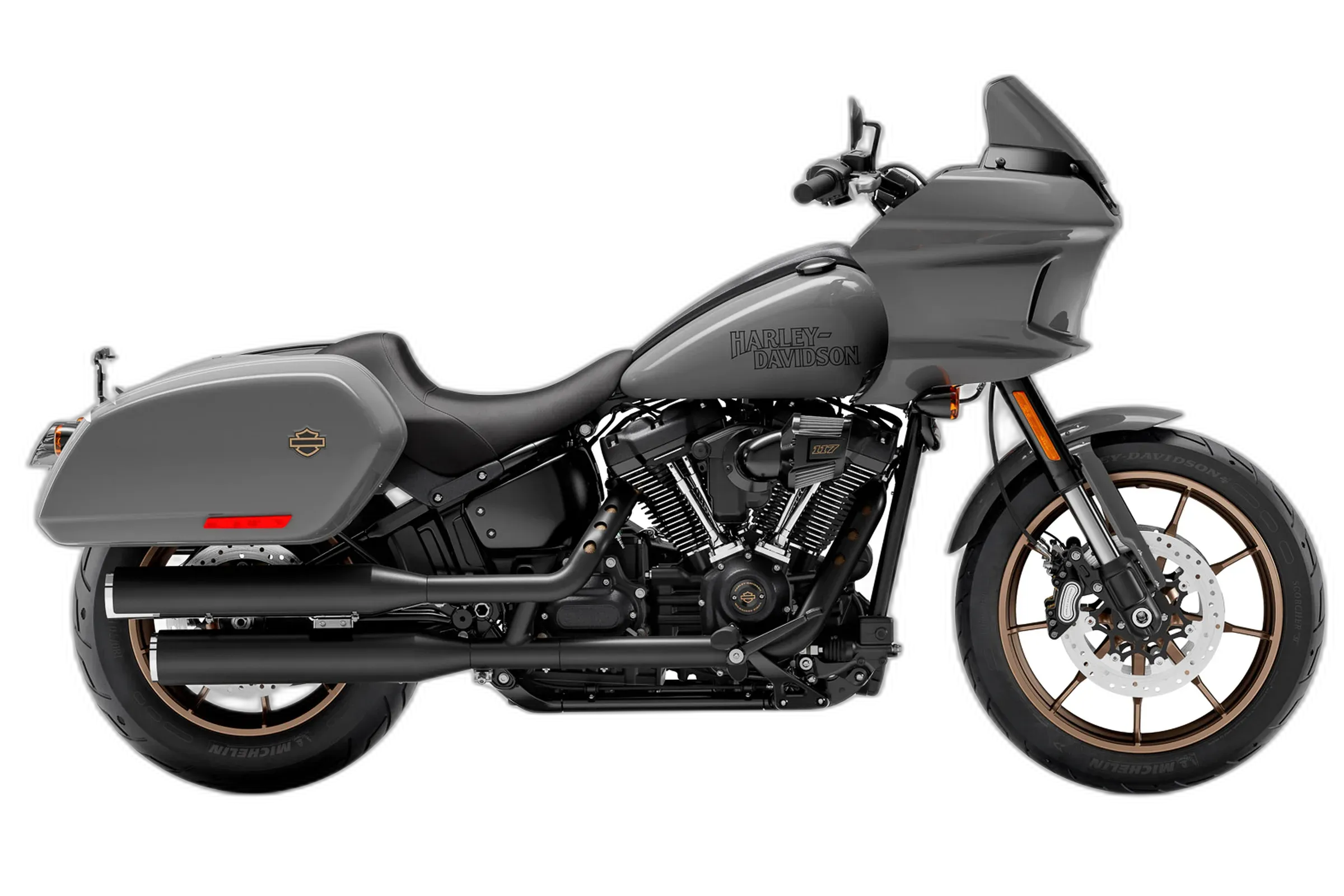
The Low Rider ST is the factory custom Harley built to actually cover ground. Its 1923 cc oil-cooled 45° V-twin makes 103 hp at 4,915 rpm and 125 lb-ft at 3,500 rpm, so the meat of it arrives long before you'd think to glance at the tach. A six-speed gearbox and belt final drive keep the delivery unhurried and quiet. Underneath sits the Softail chassis with an upside-down fork, a 63.6 in wheelbase and 721 lb (327 kg) of wet weight carried low. The rider-aid package is genuine: ABS, cruise control, slipper clutch.

This one earns its place through stance and reach at the same time, which is rarer in the segment than the spec sheet makes it look. Build quality holds up to close inspection, and the aftermarket around this platform is deep enough that most owners will have made the bike their own inside a year. It suits riders who want presence and a big-mile envelope in one machine rather than choosing between them. The honest caveat is mass. At 721 lb (327 kg) you plan your parking spots, and the front fork carries no adjustment at all, so what the factory gives you up front is what you live with.

Hard Numbers

Spec sheets don't ride bikes, but they set the baseline.

Show full specs & equipment Hide specs & equipment
Key specifications
Power 103 hp (77 kW) @ 4,915 rpm
Torque 125 lb-ft (169 Nm) @ 3,500 rpm
Displacement 1923 cc
Engine 45° V-twin
Cooling Oil-cooled
Gearbox 6-speed
Final drive Belt
Fork Upside-down (USD)
Front tire 110/90-19
Rear tire 180/70-16
Wheelbase 63.6 in (1615 mm)
Seat height 28.3 in (718 mm)
Wet weight 721 lb (327 kg)
Fuel capacity 5.0 gal (18.9 L)

Equipment check

Chassis

  • Rear Suspension Adjustable Standard
  • Cruise Control Standard

Comfort

  • Luggage System Standard

Connectivity

  • Keyless System Standard

Lighting

  • LED Headlight Standard

Safety

  • ABS Standard
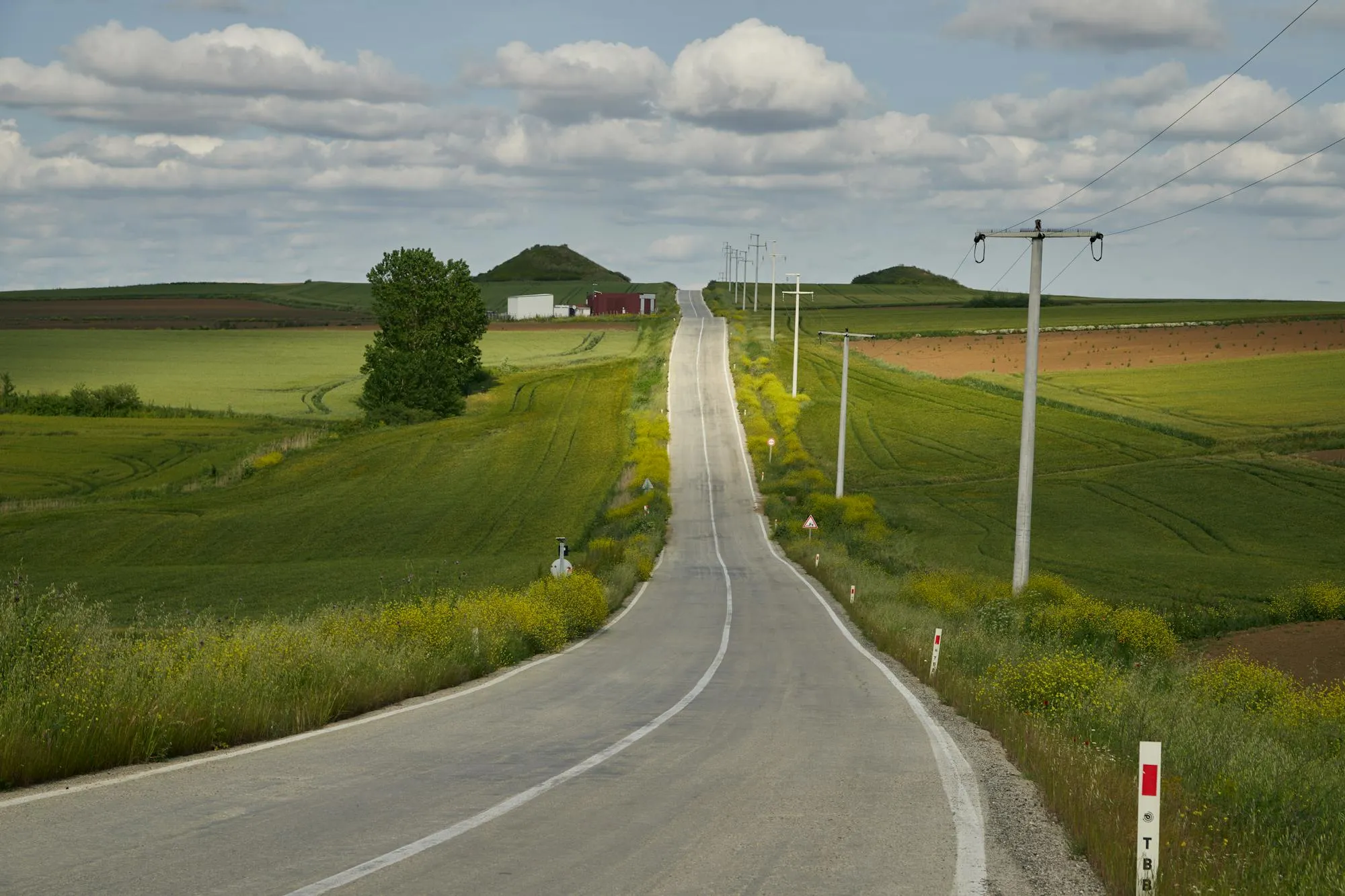
A long, straight paved road stretches toward the horizon through agricultural fields in Vermont. Power lines and a mailbox are visible along the roadside. Lush green vegetation, cumulus clouds, good daylight conditions. The landscape is flat to gently rolling. Asphalt pavement appears to be in good condition. Rural American setting.
Meric Tuna / Pexels

The Truth on the Street

This section is riders talking, not me. Two decades of workshop conversation, ride-day talk, and the mail that arrives after somebody has owned one through a full season. On the Low Rider ST, the praise points at the powertrain and chassis, the complaints at ergonomics and effort.

Torque First, Then Corner Speed

Riders start with the engine every time. The 117 High Output gets described as endlessly strong low down: acceleration that needs no planning, passing that stops being an event. It's the line owners draw between this bike and cruisers carrying less. Cornering follows behind, with riders committing to a line confidently and the firm suspension keeping things settled where the weight suggests otherwise.

What Wears On Owners

Height decides much of the criticism. Taller owners report a folded posture and pressure through the hands, and seat-and-bar swaps come up often enough that many treat them as part of the purchase. Lever effort is the other steady theme: a stiff clutch pull, a firm front brake, both blamed for tired hands in slow traffic. Riders pushing on twisty roads say the front brakes run short of what the engine offers. Lower down: the price, saddlebags too small for touring, and a speedo that's hard to read at a glance.

Known issues

  • Front brake line may chafe against fuel tank (Recall 0187)

    brakes rare Recall

    On certain 2022‑2024 Low Rider ST models, the front brake line can contact the fuel tank due to unintended bending during assembly. Over time this can rupture the brake line, causing fluid loss and reduced front braking.

The Expert Benchmark

Where this Harley-Davidson Softail Low Rider ST pulls ahead of — or falls behind — its rivals on the numbers, and the typical bike in its class on character.

What kind of bike this is — character vs. the class

This bike Class average

The shape of the Harley-Davidson Softail Low Rider ST — numbers and character vs. the average Cruiser

Head-to-head: Harley-Davidson Softail Low Rider ST vs. its rivals

The 'Should I Buy It?' Score

Forget spec-sheet bragging. Here's who the Softail Low Rider ST is actually built for.

Aerial view of a winding asphalt road cutting through volcanic terrain on La Gomera, Canary Islands. The road curves through sparse green vegetation with rocky volcanic peaks visible in the background and a settled valley to the left. Clear lane markings, dry climate, partly cloudy sky.

Best cruiser for Sturgis?

This is your bike, and not just for the parking-lot lineup. It has the sound and the stance the ritual demands, plus enough highway composure to make the ride out there part of the point.

Made for A1A — Florida Atlantic Coast · Black Hills / Sturgis Rally Hub · Daytona Main Street / Bike Week
Best touring motorcycle for long distance?

Cruise control, a settled chassis and torque everywhere make the long days work. But there's no heated grips, no adjustable screen and a 5.0 gal tank, so weather and range set your schedule.

Made for Beartooth Highway · Blue Ridge Parkway · Going-to-the-Sun Road

Best retro motorcycle for road trips?

It fits the small-town, slow-rhythm road trip well, and the character is all there. Just know you're bringing 721 lb into every village square and gravel pull-off you stop at.

Made for Acadia National Park · Austin / Handbuilt Motorcycle Show · Blue Ridge Parkway

Alternatives to the Harley-Davidson Softail Low Rider ST

If this one isn't quite the fit, these are the bikes worth riding back-to-back against it.

Any price note compares both bikes at the same age — the youngest age both have on the used market — against this Harley-Davidson Softail Low Rider ST. “cheaper/pricier” is what that bike costs second-hand, not how worn it is.