Triumph Tiger 1200 Rally (PV01-Explorer) — Adventure
Triumph Press

2022 · Adventure · A variant of the Tiger 1200 Rally

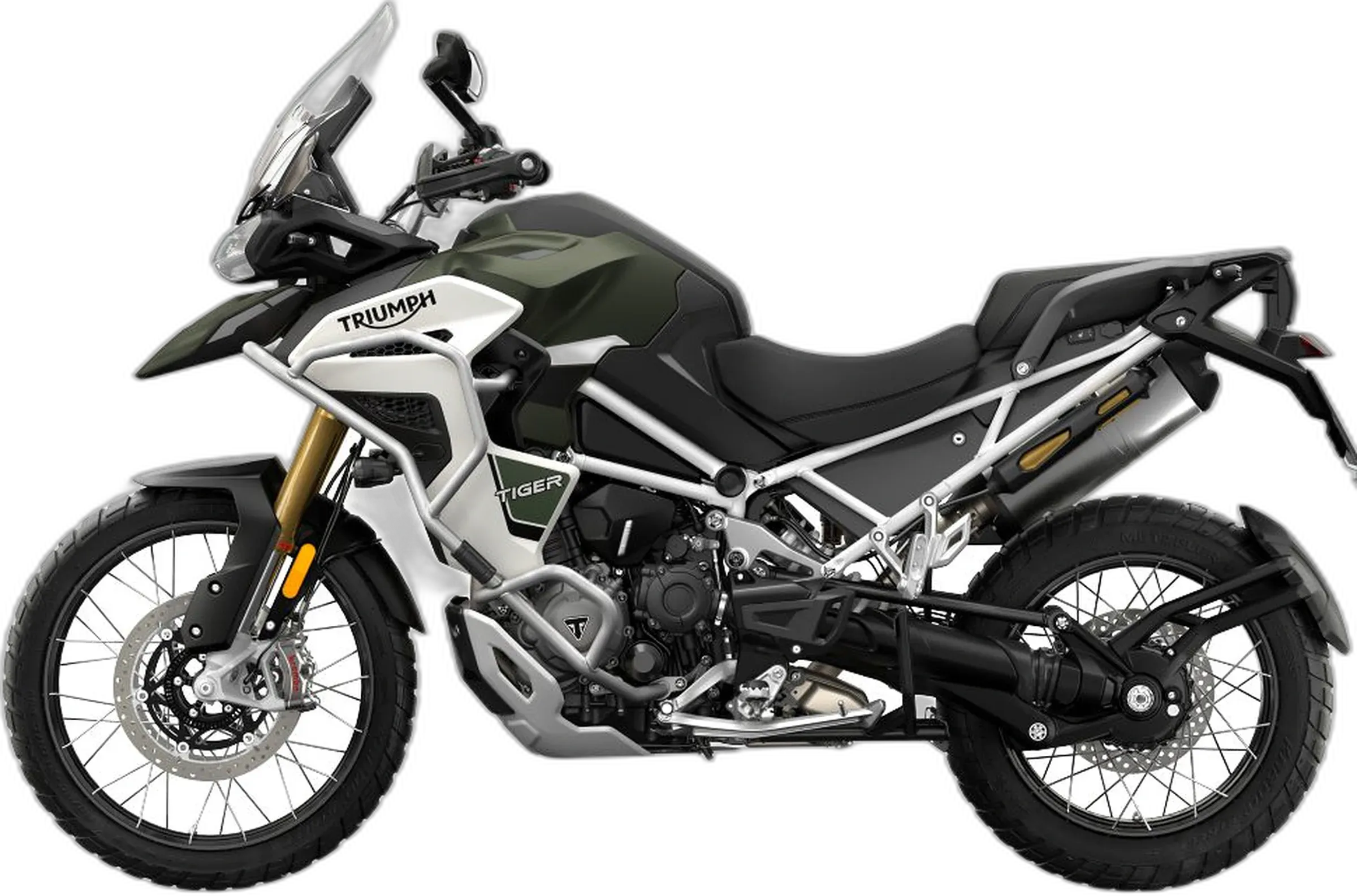
Tiger 1200 Rally Explorer (PV01-Explorer)

Differences between the standard Tiger 1200 Rally and the Explorer

5 / 5 NastyNils Rating · against its class

Triple Soul, Continental Range

The Machine's Character

Triumph built the Rally Explorer as the off-road end of the Tiger 1200 line, and the hardware says so plainly. A 21-inch front wheel, 8.7 inches of travel at both ends, 10.2 inches of ground clearance and a 7.9 gal (30 L) tank put it in genuine expedition territory. The 1160 cc inline-three runs a T-plane crank, so the 148 hp and 96 lb-ft arrive with a lumpy, tractable shove rather than turbine smoothness. Semi-active electronic suspension, cornering ABS, traction control, ride modes and a quickshifter both ways are standard, along with cruise control, heated grips, keyless ignition and TFT navigation.

It behaves like a big, calm traveler with real dirt credentials, not a dirt bike wearing luggage mounts. Long gravel days and 400-mile highway days both sit inside its comfort zone, and the fuel capacity turns route planning into a choice instead of a constraint. The honest part is size. Seat height is 34.4 in (875 mm) and wet weight 575 lb (261 kg), so tight technical ground and awkward parking need a plan. Early bikes also had teething trouble, and some original-fitment rear tires were subject to a recall. Buy this one on service history, not on mileage.

Hard Numbers

Spec sheets don't ride bikes, but they set the baseline.

Show full specs & equipment Hide specs & equipment
Key specifications
Power 148 hp (110 kW) @ 9,000 rpm
Torque 96 lb-ft (130 Nm) @ 7,000 rpm
Displacement 1160 cc
Engine Inline-three
Cooling Liquid-cooled
Gearbox 6-speed
Final drive Shaft
Fork Upside-down (USD)
Front brake 320 mm
Front tire 90/90-21
Rear tire 150/70-18
Wheelbase 61.4 in (1560 mm)
Ground clearance 10.2 in (260 mm)
Front travel 8.7 in (220 mm)
Rear travel 8.7 in (220 mm)
Seat height 34.4 in (875 mm)
Wet weight 575 lb (261 kg)
Fuel capacity 7.9 gal (30 L)

Equipment check

Chassis

  • Electronic Suspension Standard
  • Cruise Control Standard

Comfort

  • Heated Grips Standard
  • Adjustable Windscreen Standard
  • Adjustable Seat Height Standard

Connectivity

  • TFT Display Standard
  • Smartphone Connectivity Standard
  • Navigation Standard
  • USB Charging Port Standard
  • Tire Pressure Monitoring (TPMS) Standard

Drivetrain

  • Quickshifter Standard
  • Slipper Clutch Standard

Lighting

  • LED Headlight Standard

Safety

  • ABS Standard
  • Cornering ABS Standard
  • Traction Control Standard
  • Ride Modes Standard

What the Tiger 1200 Rally Explorer Adds — Differences vs the Standard Tiger 1200 Rally

The Tiger 1200 Rally Explorer (PV01-Explorer) builds on the standard Tiger 1200 Rally: the upgraded hardware, the key spec changes and where its character shifts. The full ride, specs, scoring and verdict are all right here on this page.

Equipment the Explorer adds vs the standard Tiger 1200 Rally

Added
USB Charging Port
Now standard
Tire Pressure Monitoring (TPMS)

Hard spec differences

SpecStandard Tiger 1200 RallyExplorerΔ
Wet weight 540 lb 575 lb +35 lb
Fuel capacity 5.3 gal 7.9 gal +2.6 gal

How the Explorer shifts the character

Where the Explorer does more
  • More miles between fuel stops
  • Better wind and weather protection up front
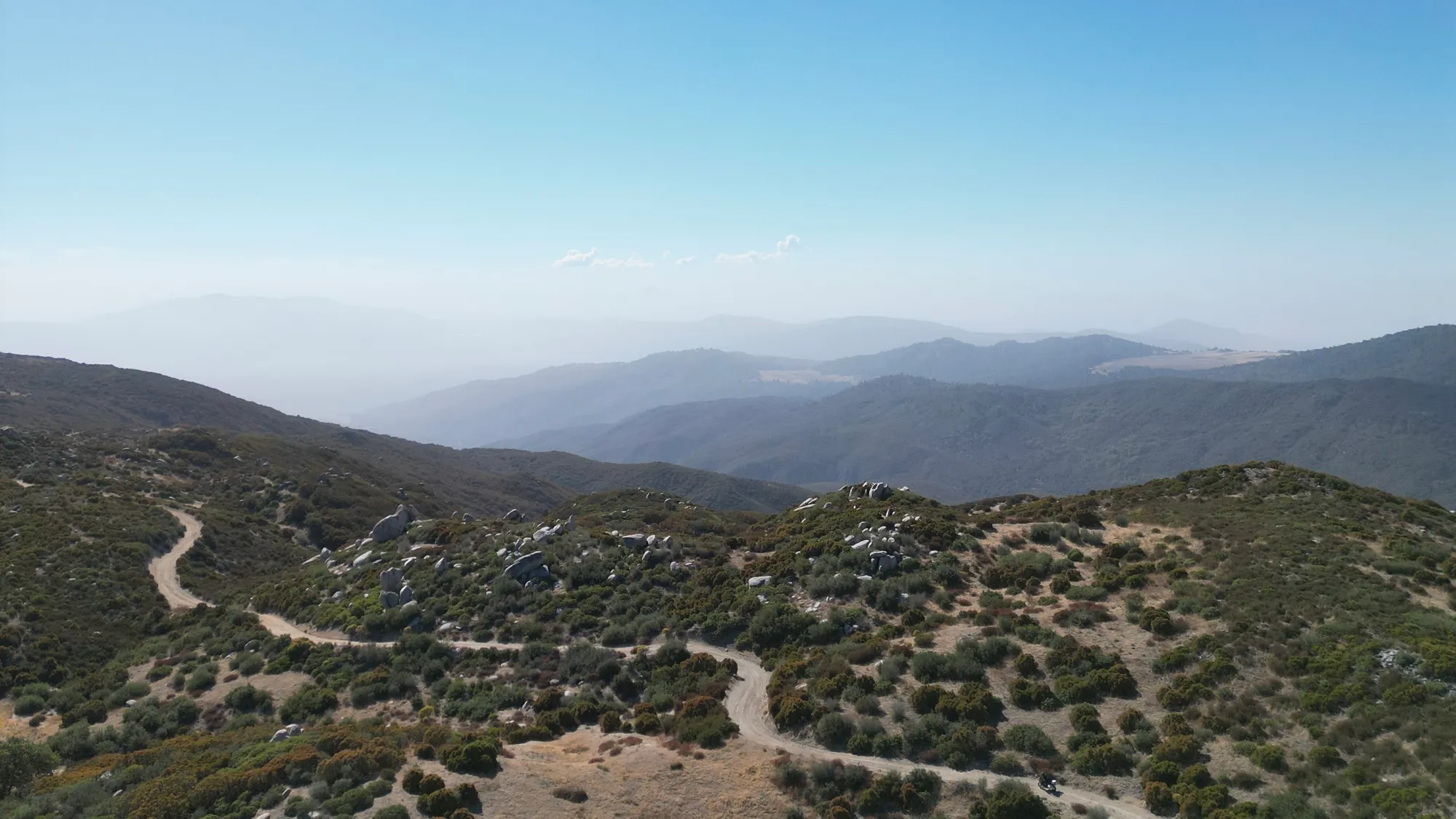
Aerial drone view of Palomar Divide Road winding through chaparral-covered mountain ridges in San Diego County. Multiple S-curve sections descend through sparse vegetation with distant valley views visible in the haze. Gravel and packed-earth surface.

The Truth on the Street

This section isn't my ride. It's what I've picked up from owners over the years: talk in the paddock, long chats at club nights and fuel stops, and the emails and messages riders send me after they've lived with the bike for a while. On the Tiger 1200 Rally, the pattern is clear. Riders keep coming back to the chassis and the triple, and when they complain, it's mostly about noise, vibration and the screen in front of them.

A big bike that steers small

The most consistent praise is about how the bike carries its size. Owners describe it as light and balanced, even on twisty tarmac, and many are surprised by that given the 21-inch front wheel and the long suspension travel. Riders who came off the previous Tiger 1200 say the new one feels noticeably lighter and more agile, on the road and off it. The semi-active suspension gets regular credit for a plush, controlled ride that soaks up bumps and stays composed when the road starts to bend. Off-road, riders like the upright stance, the wide bars and the slim seat, which let them shift their body around freely on rough ground.

The triple owners keep talking about

The T-plane triple is the other thing owners bring up again and again. They talk about a deep, grunty bottom end, a top end that revs freely, and a sound they simply enjoy living with. Several riders call it a genuine long-distance bike and point to the plush seat, relaxed upright ergonomics and wind protection that does its job. The electronics also earn steady approval. Owners say cornering ABS, traction control, multiple ride modes and a clear TFT make it feel like a modern, premium machine. Individual riders single out the Brembo brakes for strong stopping and good feel on a heavy bike, the two-way quickshifter for smooth changes at a relaxed pace and a quick one, and the fit and finish for its quality materials and attention to detail.

Noise, buzz and a fussy dash

Wind noise is the complaint riders raise most often. Owners say it gets intrusive at higher speeds even with the screen adjusted, and some find it tiring on long trips. Vibration through the bars and pegs at certain revs is the other common gripe. Some owners report numbness, though it doesn't seem to affect every bike equally. The dash takes steady criticism too: a slow boot-up, a big screen that feels under-used, and menus you have to scroll through for basics like the odometer. The navigation gets similar treatment. Owners say the directions lag behind where you actually are and there's no full map view, so several find it hard to rely on for serious touring. At walking pace in town, some riders find the bike top-heavy. Single owners add smaller notes: the optional aluminum panniers letting water in during heavy rain or washing, a heated seat that is slow to warm and never gets very hot, fog lights that switch off when you flash the high beam, valve ticking from new, visible wiring around the throttle, and a 150/70-18 rear tire size with only a handful of premium options.

Known issues

  • Engine stalling at low revs

    engine occasional

    Early bikes are prone to stalling when the throttle is closed abruptly, when coming to a stop, or during slow, gentle maneuvering, particularly when shifting into neutral. The cause lies in the fuel-injection and idle mapping at very low revs. Dealers typically resolve it with an engine control software reflash, and later software updates addressed the behavior.

  • Premature camshaft wear

    engine rare

    Some engines exhibit worn camshaft lobes at relatively low mileage (e.g., 13,000 mi (21,000 km)), potentially leading to rough running and expensive top-end repairs.

  • Clutch slipping / air in hydraulics

    drivetrain occasional

    Riders report clutch slip under hard acceleration and a need for periodic bleeding due to air entering the hydraulic system, indicating potential master or slave cylinder weakness.

  • Moisture inside TFT dashboard

    electrics occasional

    Condensation or fogging appears inside the instrument cluster, particularly after washing or riding in rain, risking long-term electronic damage.

The Expert Benchmark

Where this Triumph Tiger 1200 Rally pulls ahead of — or falls behind — its rivals on the numbers, and the typical bike in its class on character.

What kind of bike this is — character vs. the class

This bike Class average

The shape of the Triumph Tiger 1200 Rally — numbers and character vs. the average Adventure

Head-to-head: Triumph Tiger 1200 Rally vs. its rivals

The Long-Haul Verdict

Forget spec-sheet bragging. Here's who the Tiger 1200 Rally is actually built for.

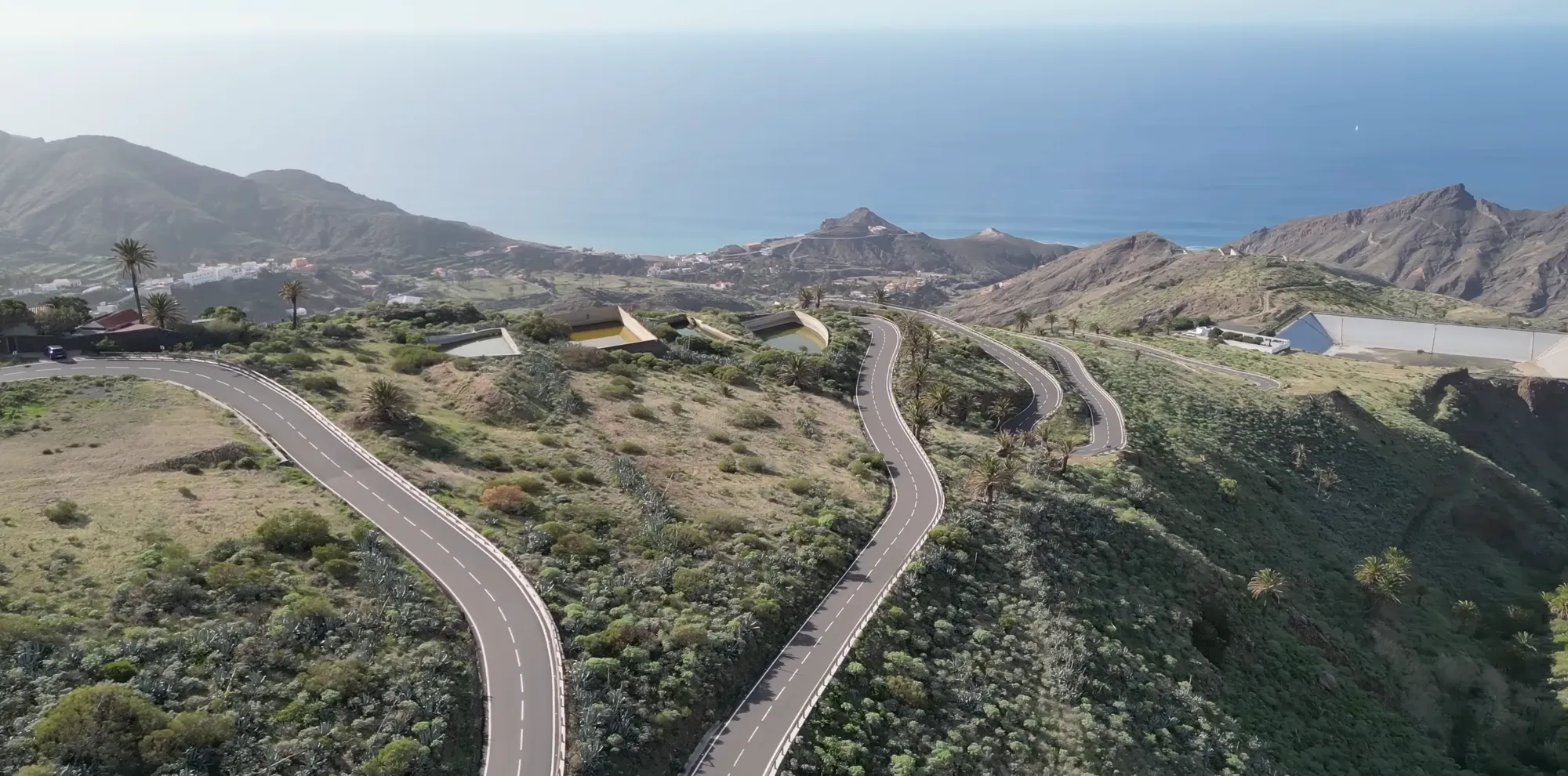
Aerial view of a winding asphalt road cutting through volcanic terrain on La Gomera, Canary Islands. The road curves through sparse green vegetation with rocky volcanic peaks visible in the background and a settled valley to the left. Clear lane markings, dry climate, partly cloudy sky.

Best motorcycle for Moab?

The front wheel, travel and clearance are the right ones for slickrock and sand. But this is 575 lb of motorcycle: it rewards real skill and punishes tired arms on tight technical ground.

Made for Bar M / Kane Creek · Imperial Sand Dunes · Johnson Valley OHV Area
Best motorcycle for Highway 1?

Long days on Blue Ridge or Highway 1 suit it. It holds a line at speed, leans further than you will, and the tank lets you ride the good road twice instead of hunting a gas station.

Made for Black Hills · Blue Ridge Parkway · Cherohala Skyway

Best touring motorcycle for long distance?

This is the job it was built for. Big tank, cruise control, heated grips, adjustable screen, and a chassis that stays calm loaded or two-up over Beartooth and Going-to-the-Sun.

Made for Beartooth Highway · Blue Ridge Parkway · Going-to-the-Sun Road

Alternatives to the Triumph Tiger 1200 Rally

If this one isn't quite the fit, these are the bikes worth riding back-to-back against it.

Any price note compares both bikes at the same age — the youngest age both have on the used market — against this Triumph Tiger 1200 Rally. “cheaper/pricier” is what that bike costs second-hand, not how worn it is.