Honda CRF1100L Africa Twin (SD 08 Mk 2-AdventureSportsDCT) — Adventure
Honda press archive

2024 · Adventure · A variant of the CRF1100L Africa Twin

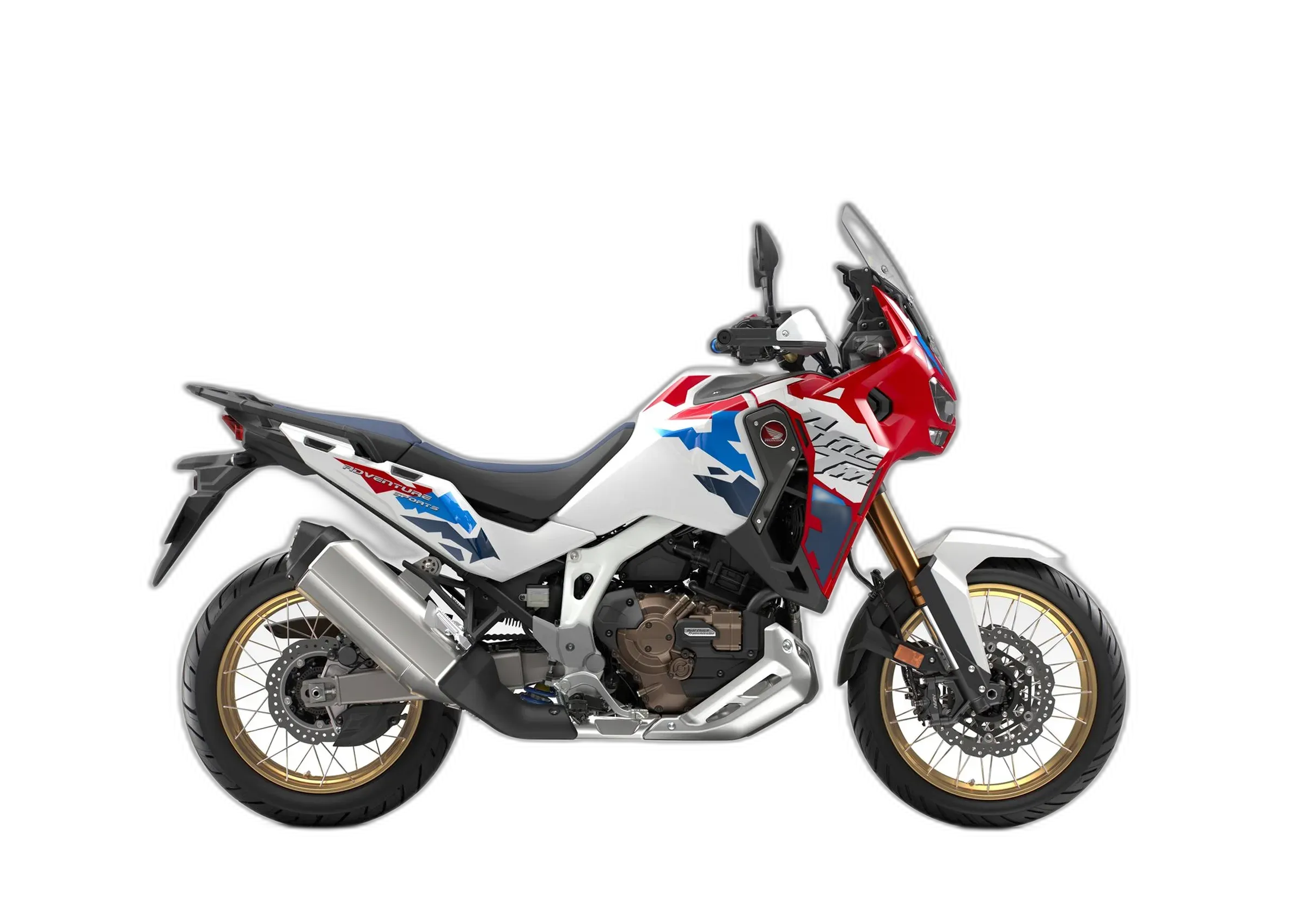
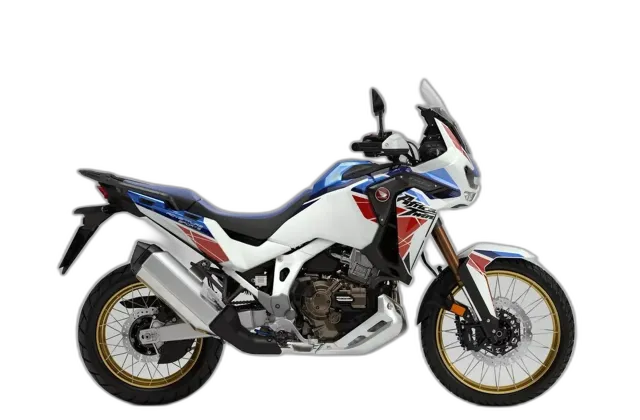
CRF1100L Africa Twin Adventure Sports DCT (SD 08 Mk 2-AdventureSportsDCT)

Differences between the standard CRF1100L Africa Twin and the Adventure Sports DCT

The Dependable Long-Haul Workhorse

The Machine's Character

The Adventure Sports DCT is the fully kitted end of the Africa Twin family, aimed at riders whose trips are measured in days, not hours. The 1084 cc parallel twin makes 102 hp and 83 lb-ft at 5,500 rpm, enough to move a loaded bike and a passenger without needing revs. On top of the standard model's rider aids it brings electronically controlled suspension, the dual-clutch transmission and heated grips. Add the 6.6 gal tank, a 19 in front wheel, 8.3 in of front travel and 8.7 in of ground clearance, and the brief is obvious: a road bike that treats dirt as part of the route.

Ownership is where it earns its keep. This is a bike built to start every morning and keep doing it long after the odometer stops being interesting, and the aftermarket support is deep enough that you can spec it around your own route. It fits the rider who covers real distance, often two-up or loaded, and who wants graded dirt and fire roads without swapping bikes. The caveats are honest ones. 558 lb wet is real weight when the ground turns loose, the 32.9 in seat asks for some inseam even with the height adjustment, and the TFT screen is the part of the package I would watch.

Hard Numbers

Spec sheets don't ride bikes, but they set the baseline.

Show full specs & equipment Hide specs & equipment
Key specifications
Power 102 hp (75 kW) @ 7,500 rpm
Torque 83 lb-ft (112 Nm) @ 5,500 rpm
Displacement 1084 cc
Engine Parallel twin
Cooling Liquid-cooled
Gearbox 6-speed
Final drive Chain
Fork Upside-down (USD)
Front tire 110/80-19
Rear tire 150/70-18
Ground clearance 8.7 in (220 mm)
Front travel 8.3 in (210 mm)
Rear travel 7.9 in (200 mm)
Seat height 32.9 in (835 mm)
Wet weight 558 lb (253 kg)
Fuel capacity 6.6 gal (24.8 L)

Equipment check

Chassis

  • Electronic Suspension Standard
  • Front Suspension Adjustable Standard
  • Rear Suspension Adjustable Standard
  • Cruise Control Standard

Comfort

  • Heated Grips Standard
  • Adjustable Windscreen Standard
  • Adjustable Seat Height Standard

Connectivity

  • TFT Display Standard
  • Smartphone Connectivity Standard
  • USB Charging Port Standard
  • Android Auto Standard

Drivetrain

  • Automatic Shift (DCT / ASA / AMT) Honda DCT (3rd generation) Clutchless ridingAutomatic gear selection Standard

Lighting

  • LED Headlight Standard

Safety

  • ABS Standard
  • Cornering ABS Standard
  • Traction Control Standard
  • Ride Modes Standard

The Voice of Experience

Portrait of NastyNils

The test ride

The first impression is scale. At the pump it stands tall and there is a lot of motorcycle behind you, so the 32.9 in seat asks for a deliberate swing over the back. Once you are on it, the width between your knees feels narrower than the numbers suggest. There is no clutch lever and nothing for your left foot, so your hands stay quiet on the bars and your attention goes to the road instead of the drill. The twin sends a low, even beat up through the pegs at cruising revs, present enough for company, never enough to numb your fingers. Bars come back toward you, the screen sits where you set it, the grips warm quickly on a cold start. At 70 mph the whole machine feels planted and unhurried, and the LED headlight throws a wide, clean pattern once the sun drops.

What the CRF1100L Africa Twin Adventure Sports DCT Adds — Differences vs the Standard CRF1100L Africa Twin

The CRF1100L Africa Twin Adventure Sports DCT (SD 08 Mk 2-AdventureSportsDCT) builds on the standard CRF1100L Africa Twin: the upgraded hardware, the key spec changes and where its character shifts. The full ride, specs, scoring and verdict are all right here on this page.

Equipment the Adventure Sports DCT adds vs the standard CRF1100L Africa Twin

Now standard
Automatic Shift (DCT / ASA / AMT)Heated Grips

Premium hardware the Adventure Sports DCT brings

  • Suspension Electronic Suspension Semi-active electronic suspension that adapts its damping on the move — the standard runs conventional, manually-set suspension.

Hard spec differences

SpecStandard CRF1100L Africa TwinAdventure Sports DCTΔ
Wet weight 505 lb 558 lb +53 lb
Seat height 34.3 in 32.9 in -1.4 in
Fuel capacity 5.0 gal 6.6 gal +1.6 gal

How the Adventure Sports DCT shifts the character

Where the Adventure Sports DCT does more
  • More miles between fuel stops
Where it does less
  • Less room for luggage and gear
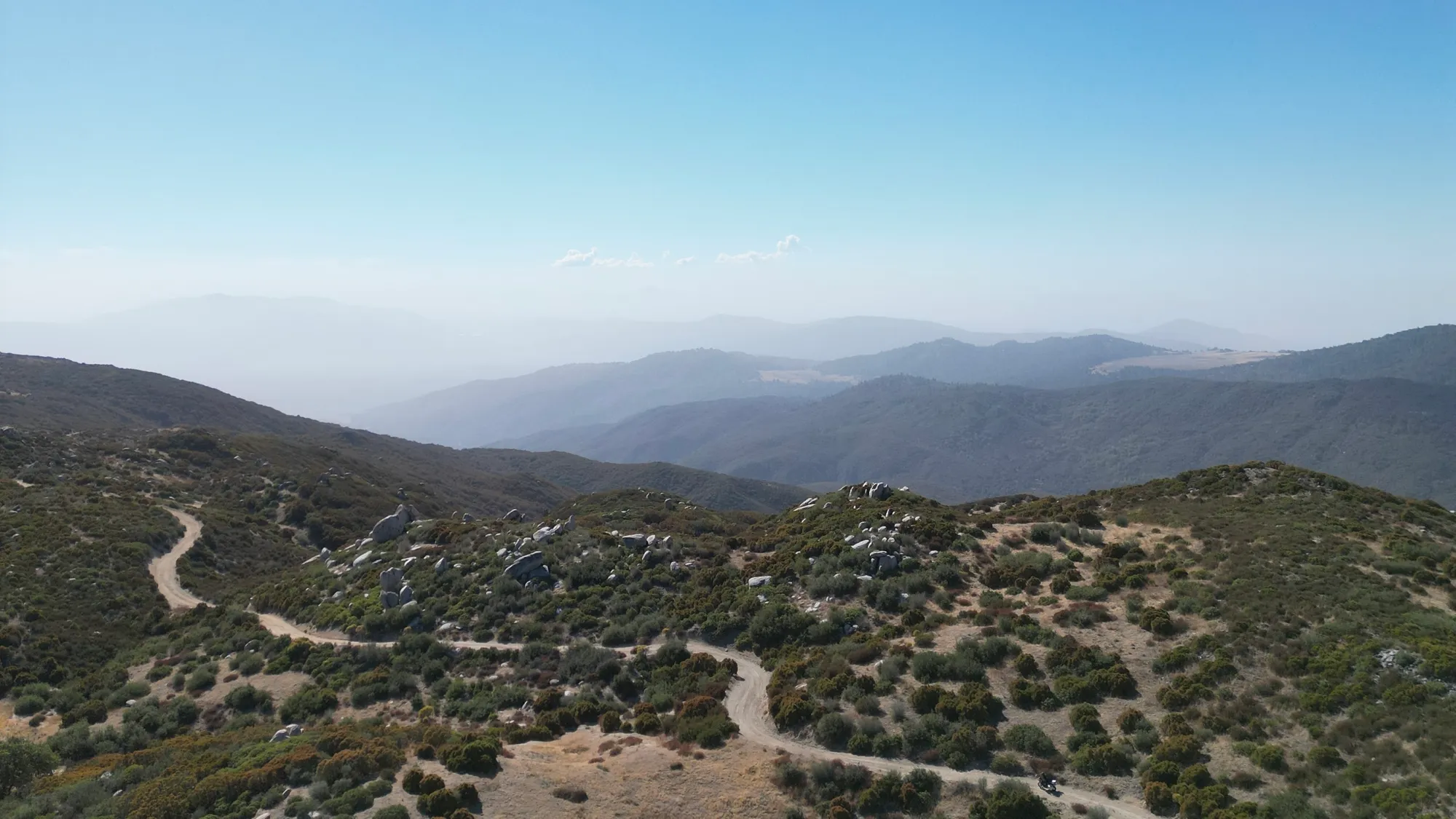
Aerial drone view of Palomar Divide Road winding through chaparral-covered mountain ridges in San Diego County. Multiple S-curve sections descend through sparse vegetation with distant valley views visible in the haze. Gravel and packed-earth surface.

The Truth on the Street

What follows was gathered slowly, over years of conversations rather than in an afternoon. Riders stop me at events, owners write in with long messages, and the same subjects come back at club nights and in passing talk after a demo. Pooled for this bike, the accounts line up well: the comfort side draws steady praise, and the reservations turn up when things slow down.

Comfort Comes Up First, Unprompted

Owners raise comfort before anything else, and they raise it without being asked. The upright seating, suspension that keeps the surface at arm's length, and weather protection that keeps the wind off get credited as one package rather than three separate things. Riders who cover real distance describe it as an all-day machine, the one they keep picking when a trip runs into the evening and then straight into the next morning. In these conversations, the comfort talk consistently outruns anything said about outright performance.

Where The Weight Makes Itself Known

The reservation that comes back most often has nothing to do with the bike at speed. Riders describe it as a lot of motorcycle to manage once things slow down: tight turns, low-speed maneuvering, the moments when you are moving it more than riding it. Add luggage for a trip and owners say the same effect gets stronger. It comes up less as a complaint than as something riders tell me you learn to plan around.

Known issues

  • Wheelie Control software recall (NHTSA 24V-882)

    electrics occasional Recall

    Due to improper FI-ECU programming, the traction control can miscalculate when Wheelie Control is enabled, causing engine hesitation or stalling. Risk of crash or injury. Honda will reprogram the ECU free of charge.

  • Left handlebar switch harness fretting corrosion (recall KS8/25V583)

    electrics occasional Recall

    Fretting wear at the terminal joints can cause corrosion, leading to intermittent loss of horn and headlight high beam function, posing a safety risk.

  • Engine oil leak due to faulty crankcase sealing bolt (recall KS2/25V358)

    engine rare Recall

    A manufacturing defect in the crankcase sealing bolt can cause engine oil to leak onto the rear tire, increasing the risk of a crash. Affected units should be inspected and repaired.

  • TFT display responsiveness and reliability concerns

    electrics occasional

    Owners report sluggish touchscreen response and occasional faults; Honda extended the TFT warranty to 2033, indicating awareness of potential issues.

  • TFT display failures

    electrics occasional

    Some owners experience blank or flickering TFT screens, often requiring replacement. Honda extended the warranty on the display until 2033, but the issue remains a concern for long-term reliability.

The Expert Benchmark

Where this Honda CRF1100L Africa Twin pulls ahead of — or falls behind — its rivals on the numbers, and the typical bike in its class on character.

What kind of bike this is — character vs. the class

This bike Class average

The shape of the Honda CRF1100L Africa Twin — numbers and character vs. the average Adventure

Head-to-head: Honda CRF1100L Africa Twin vs. its rivals

The Long-Haul Verdict

Forget spec-sheet bragging. Here's who the CRF1100L Africa Twin is actually built for.

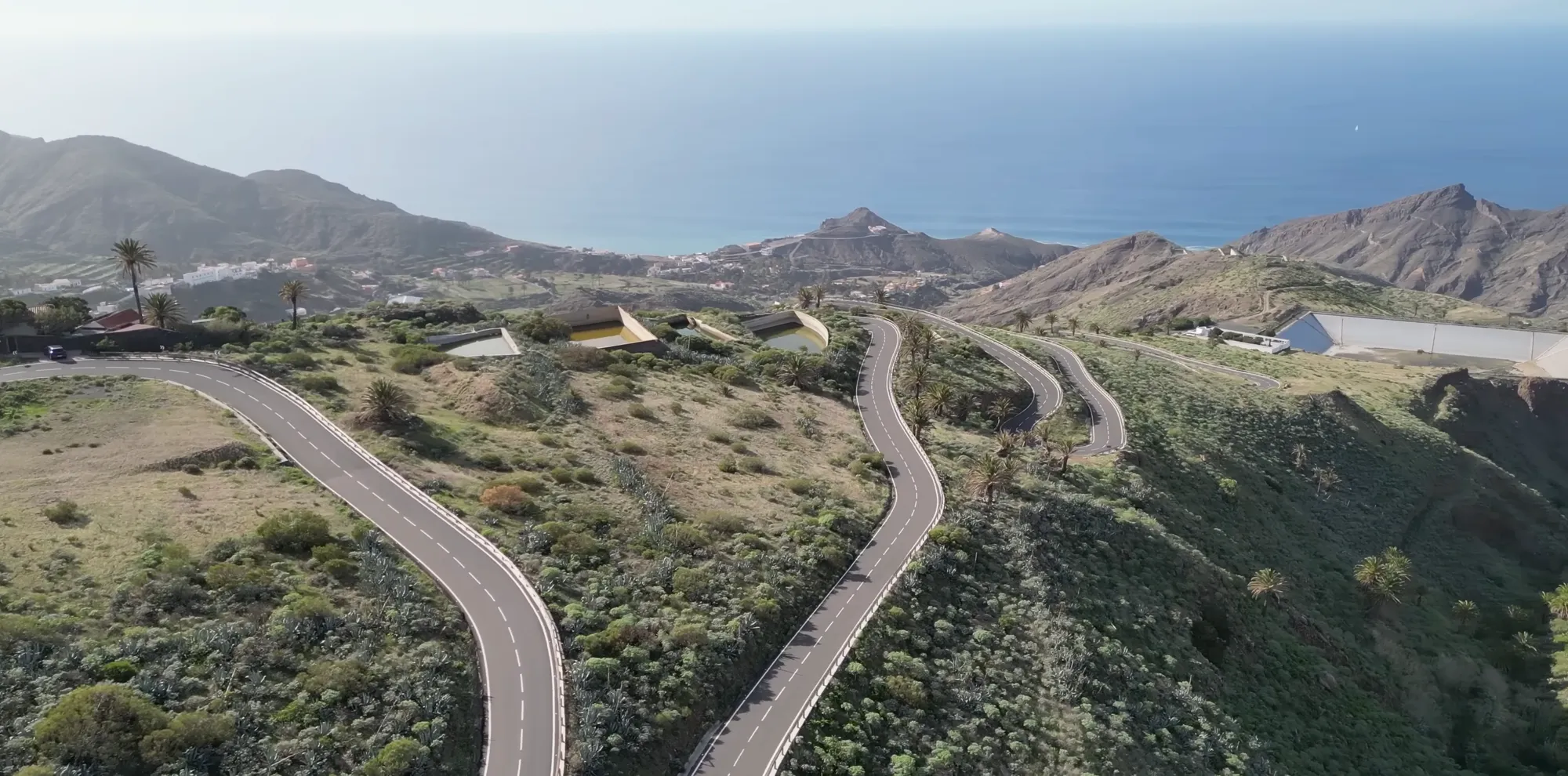
Aerial view of a winding asphalt road cutting through volcanic terrain on La Gomera, Canary Islands. The road curves through sparse green vegetation with rocky volcanic peaks visible in the background and a settled valley to the left. Clear lane markings, dry climate, partly cloudy sky.

Best motorcycle for Moab?

Slickrock and sand at a measured pace, yes: 8.3 in of front travel and 8.7 in of clearance are real. But 558 lb is a lot to wrestle in tight technical sections, and a lighter bike flatters your skills more.

Made for Bar M / Kane Creek · Imperial Sand Dunes · Johnson Valley OHV Area
Best touring motorcycle for long distance?

This is your bike. A 6.6 gal tank, cruise control and heated grips as standard, and stability that stays honest loaded and two-up through a full day of interstate and pass roads.

Made for Beartooth Highway · Blue Ridge Parkway · Going-to-the-Sun Road

Best motorcycle for Highway 1?

Plenty of machine for 200 to 400 mile days on good roads, with generous lean clearance and suspension you can set to the pace. It is taller and heavier than a pure road tourer, and you feel that parking it.

Made for Black Hills · Blue Ridge Parkway · Cherohala Skyway

What's new versus the previous generation

If you're cross-shopping the older generation, here's what changed.

Honda CRF1100L Africa Twin (SD 08-AdventureSportsDCT)

Previous generation · 2020–2023

Honda CRF1100L Africa Twin (SD 08-AdventureSportsDCT)

Heavy Tech That Actually Works

Compare to the previous model →

Alternatives to the Honda CRF1100L Africa Twin

If this one isn't quite the fit, these are the bikes worth riding back-to-back against it.

Any price note compares both bikes at the same age — the youngest age both have on the used market — against this Honda CRF1100L Africa Twin. “cheaper/pricier” is what that bike costs second-hand, not how worn it is.