By NastyNils·
Motorcycle comparison · Scooter
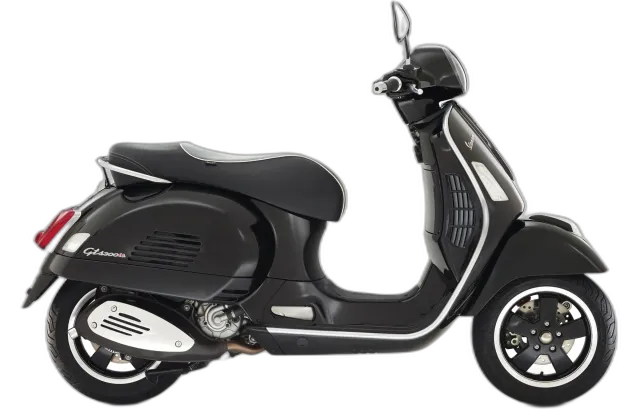
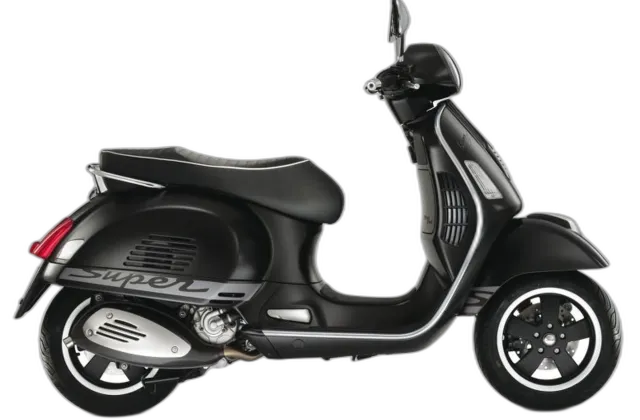
Vespa GTS 300 i.e. Super (MY2009) vs S 125 i.e (MY2009_S125ie)
Vespa GTS 300 i.e. Super vs S 125 i.e: which one to buy for your commute.
You'll feel the Vespa GTS 300 i.e. Super pull hard from low revs at a green light, and it doesn't strain as it climbs. On the Vespa S 125 i.e, the same twist of the grip brings a gentler build.
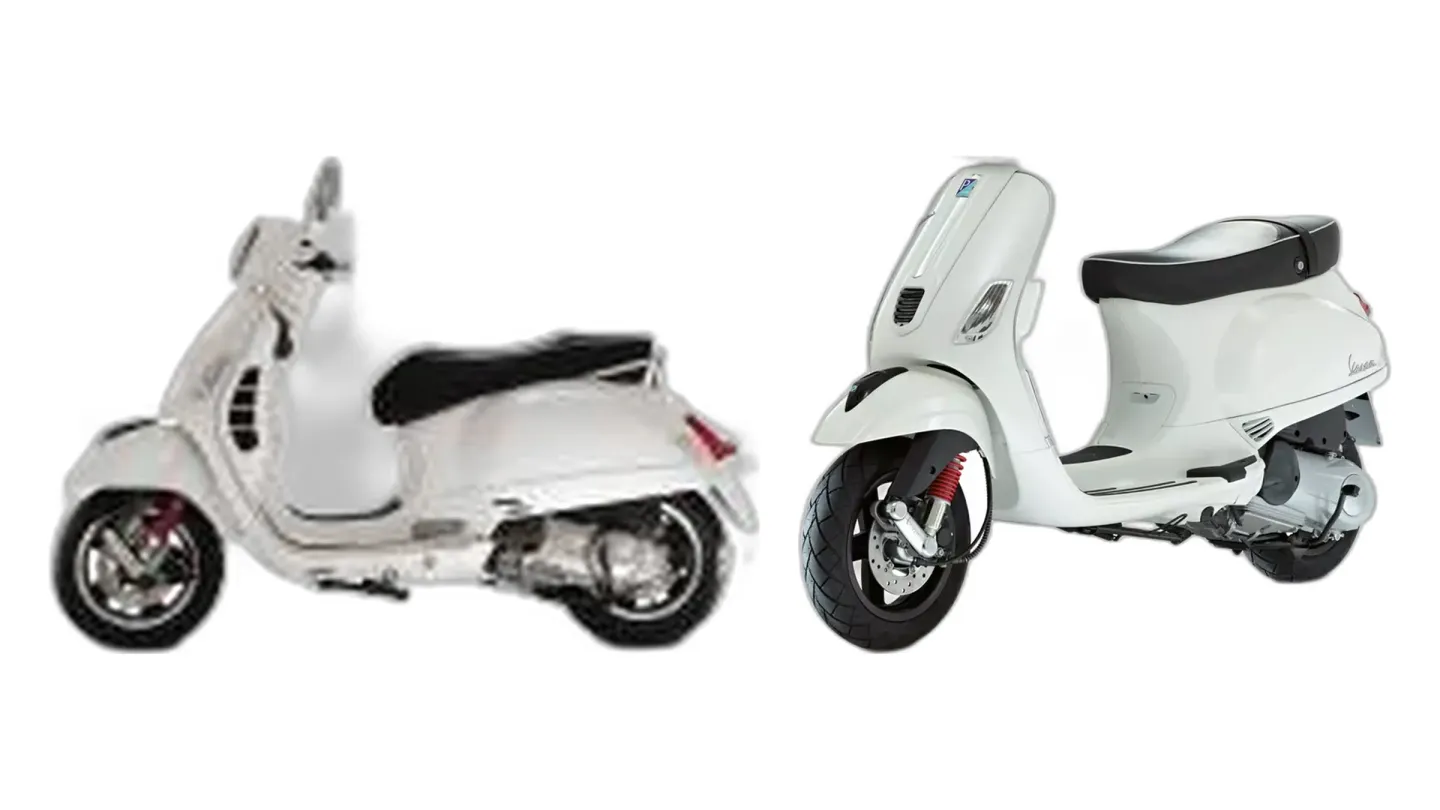
So which one do you buy?
The GTS 300 i.e. Super has the edge if…
Sporty riding on twisty roads
A touch ahead: GTS 300 i.e. Super
On a twisty road, the GTS 300 i.e. Super edges ahead. Credit a sportier chassis and better suspension. Not by enough to settle it alone.
The S 125 i.e has the edge if…
Keeping running costs low
Edges it: S 125 i.e
Day to day, the S 125 i.e works out slightly cheaper to own. The saving is small.
What makes each one tick
GTS 300 i.e. Super
On the highway, the GTS 300 i.e. Super's steel monocoque tracks steadily, and it's still quick to turn into tight city corners. A sharp bump doesn't knock the chassis around. The suspension settles it fast. The chrome on its metal body glints in any crowd.
S 125 i.e
Patched city pavement barely reaches the S 125 i.e's seat, since its steel shell and springs swallow the ripples. At 265 lb (120 kg), it doesn't need more than a nudge to tip into a corner. The air-cooled single's short of breath on steep hills. The exhaust hums its own note.
The Voice of Experience

What actually separates them
- The S 125 i.e has the lower wet weight: 265 lb (120 kg) vs 356 lb (162 kg).
- The GTS 300 i.e. Super makes more peak power: 22 hp (16 kW) vs 10 hp (7.4 kW).
- The GTS 300 i.e. Super makes more peak torque: 16 lb-ft (22 Nm) vs 7 lb-ft (9 Nm).
Which one for the way you ride
Comfortable long-distance riding
Wrong job for both
Both of these get tiring on a long day. A proper tourer will treat you better on big miles.
There's no real gap on commuting and a first bike. Sit on both and let fit and price decide.
Who each one is built for
What's good, and what you'll live with
GTS 300 i.e. Super
What owners say
Strengths
- Iconic Italian design
- Lively midrange punch
Trade-offs
- Premium price tag
S 125 i.e
What owners say
Strengths
- Iconic Italian design
- Comfortable and smooth ride
- Fuel efficient and cheap to run
Trade-offs
- Premium price and maintenance costs
- Underpowered for its capacity
Known problems to check before you buy
GTS 300 i.e. Super
- Fuel pump recall (NHTSA 15V-066) Recall 15V066000 Faulty impeller clearance in the Bitron fuel pump can cause swelling and interference, leading to pump failure. Symptoms include stalling or inability to restart after the engine is hot. This safety recall covered 2010–2011 GTS 300 models manufactured between January 2009 and July 2010, requiring pump replacement.
- Front‑end wobble on high‑mileage bikes Some well‑used examples develop a head‑shaking wobble at speed, often linked to incorrect bar‑end weights, unbalanced wheels or worn steering bearings.
- Exhaust gasket disintegration The standard exhaust gasket can burn out or disintegrate in as little as 3,000 miles, causing a loud exhaust leak. Replacement with a quality aftermarket part is a common remedy.
S 125 i.e
No confirmed faults on file yet. That's not the same as fault-free.
What they share
- Engine
- Single-cylinder
Where the spec sheets split
| GTS 300 i.e. Super | S 125 i.e | |
|---|---|---|
| Seat height | 31.1 in (790 mm) | 30.9 in (785 mm) |
| Wet weight | 356 lb (162 kg) | 265 lb (120 kg) |
| GTS 300 i.e. Super | S 125 i.e | |
|---|---|---|
| Displacement | 278 cc | 124 cc |
| Cooling | Liquid-cooled | Air-cooled |
| Power | 22 hp (16 kW) | 10 hp (7.4 kW) |
| Peak power at | 7,500 rpm | 8,000 rpm |
| Torque | 16 lb-ft (22 Nm) | 7 lb-ft (9 Nm) |
| Peak torque at | 5,000 rpm | 6,750 rpm |
| GTS 300 i.e. Super | S 125 i.e | |
|---|---|---|
| Fuel capacity | 2.4 US gal (9.1 L) | 2.2 US gal (8.5 L) |
| GTS 300 i.e. Super | S 125 i.e | |
|---|---|---|
| Front brake | 220 mm | 200 mm |
| Front tire | 120/70-12 | 110/70-11 |
| Rear tire | 130/70-12 | 120/70-10 |
| Wheelbase | 54.0 in (1372 mm) | 50.4 in (1280 mm) |
Head to head, area by area
Both bikes on the same scale, one area at a time.