By NastyNils·
Motorcycle comparison · Retro Classic vs Scrambler
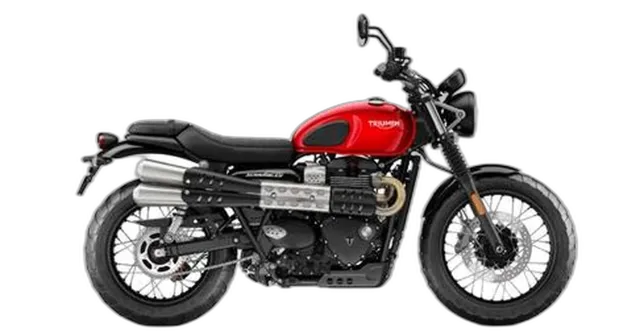
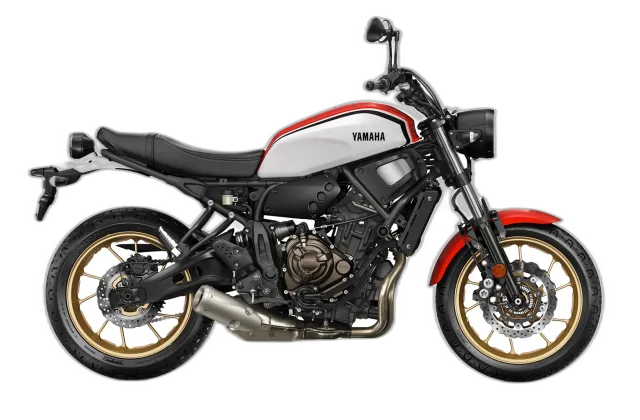
Yamaha XSR700 (RM11) vs Triumph Street Scrambler (DC04)
Yamaha XSR700 vs Triumph Street Scrambler: which one to buy once you're past the looks.
Tip the Yamaha XSR700 into a bend and it doesn't fuss: the front turns in exactly as far as you ask, and you're sitting square in the middle. The Triumph Street Scrambler's bars go light, and it's already leaning in low. Its plush suspension settles it through the arc.
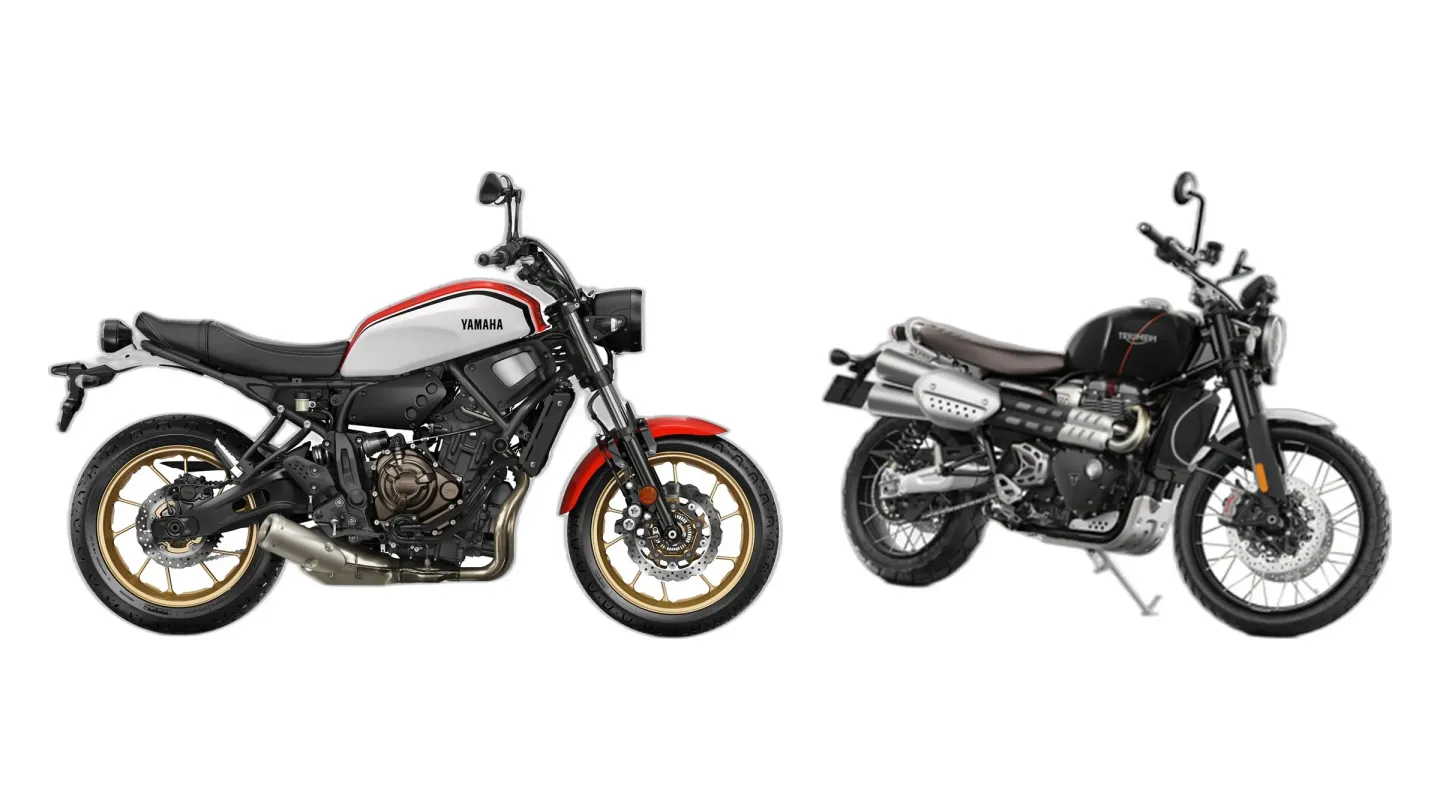
So which one do you buy?
Buy the Street Scrambler if…
Keeping running costs low
The pick: Street Scrambler
If you'd rather spend your money on gas and gear than at the shop, the Street Scrambler makes far more sense.
Which one's the smarter buy
Two different jobs
The XSR700 and Street Scrambler do different jobs, so neither is the clear better buy for the money. You're picking a retro classic or a scrambler, not a lower price tag.
What makes each one tick
XSR700
The XSR700's twin pulls cleanly the moment you open the throttle, and the gearbox snaps from one ratio to the next. There's nothing to fight in the riding position: the seat and pegs hold you upright, neither crouched forward nor slumped back. The brakes just work. Its nose pops skyward whenever you're in the mood.
Street Scrambler
The Street Scrambler's steering asks for very little on back roads, and it's fun to toss around. Each squeeze of the brake lever reins in 492 lb (223 kg) of bike. Its mass stays low. Down low, the twin doesn't wait for revs and shoves hard from the bottom. Its high pipes thump out every pulse of the crank.
The Voice of Experience

What actually separates them
- The Street Scrambler has the lower seat: 31.1 in (790 mm) vs 32.1 in (815 mm).
- The XSR700 has the lower wet weight: 410 lb (186 kg) vs 492 lb (223 kg).
- The XSR700 makes more peak power: 75 hp (55 kW) vs 64 hp (48 kW).
Which one for the way you ride
Comfortable long-distance riding
Not their thing
Long-haul comfort is a weak spot for both. If you tour, shop with that in mind.
Don't look for a gap on commuting, twisty roads, and a first bike: there isn't one. Go by how each one fits you.
Who each one is built for
What's good, and what you'll live with
XSR700
Strengths
- Handling You Trust Immediately
- Cheap To Keep Running
- A Genuine Blank Canvas
- Settled At Highway Speed
- Punchy, characterful CP2 engine
Trade-offs
- Occasional False Neutral
- Surface Rust Shows Early
- Sticky Starter Switch
- Wiring After Winter Storage
- Budget suspension limits fast riding
Street Scrambler
What owners say
Strengths
- Charming, easy-handling ride
- Classic scrambler style
Trade-offs
- Limited off-road ability
- Questionable build quality
Known problems to check before you buy
XSR700
- Swingarm and fastener corrosion Surface rust appears on the swingarm, frame welds, and zinc-plated fasteners, particularly when ridden in wet conditions or exposed to winter road salt.
Street Scrambler
- Alternator wiring may short and overheat Recall 24V785000 The connector system between the alternator and main harness can form an electrical bridge, causing overheating, deformation and risk of fire or crash. Triumph recall SRAN627 (NHTSA 24V785) applies to 2022 models; remedy fits a wire alignment clip.
What they cost used
These prices compare a 5-year-old XSR700 with a 5-year-old Street Scrambler.
- XSR700
- about $7,000
- Street Scrambler
- about $6,900
At five years old, the Yamaha XSR700 sits around $7,000 while the Triumph Street Scrambler lands near $6,900. That's no meaningful gap between the two. These are estimates from the used market, not live listings.
What they share
- Engine
- Parallel twin
- Cooling
- Liquid-cooled
- Fuel economy
- 55 mpg (US) / 4.3 L/100 km
- Final drive
- Chain
- Fork
- Telescopic
Where the spec sheets split
| XSR700 | Street Scrambler | |
|---|---|---|
| Seat height | 32.1 in (815 mm) | 31.1 in (790 mm) |
| Wet weight | 410 lb (186 kg) | 492 lb (223 kg) |
| XSR700 | Street Scrambler | |
|---|---|---|
| Displacement | 689 cc | 900 cc |
| Power | 75 hp (55 kW) | 64 hp (48 kW) |
| Torque | 50 lb-ft (68 Nm) | 59 lb-ft (80 Nm) |
| XSR700 | Street Scrambler | |
|---|---|---|
| Fuel capacity | 3.7 US gal (14 L) | 3.2 US gal (12 L) |
| XSR700 | Street Scrambler | |
|---|---|---|
| Gearbox | 6-speed | 5-speed |
| Front brake | 282 mm | 310 mm |
| Front tire | 120/70-17 | 100/90-19 |
| Rear tire | 180/55-17 | 150/70-17 |
| Wheelbase | 55.3 in (1405 mm) | 56.9 in (1445 mm) |
| Front travel | 5.1 in (130 mm) | 4.7 in (120 mm) |
| Rear travel | 5.1 in (130 mm) | 4.7 in (120 mm) |
What comes fitted, what costs extra
| XSR700 | Street Scrambler | |
|---|---|---|
| Traction Control | Not offered | Standard |
| Ride Modes | Not offered | Standard |
| Slipper Clutch | Not offered | Standard |
Head to head, area by area
Both bikes on the same scale, one area at a time.