By NastyNils·
Motorcycle comparison · Retro Classic
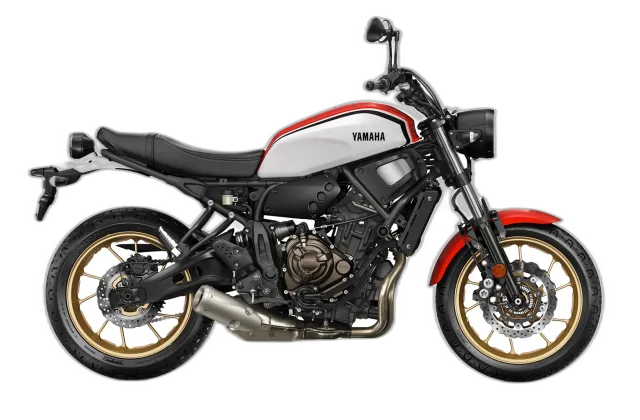
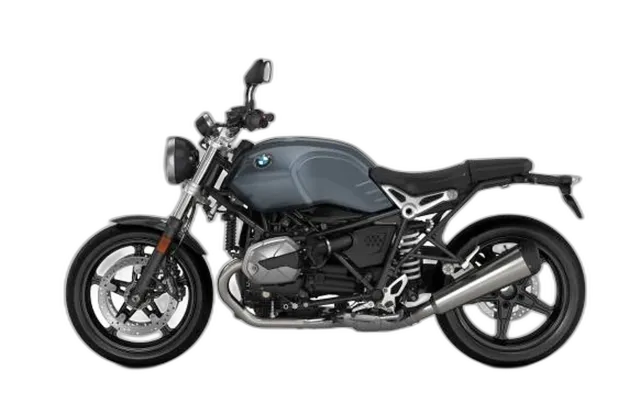
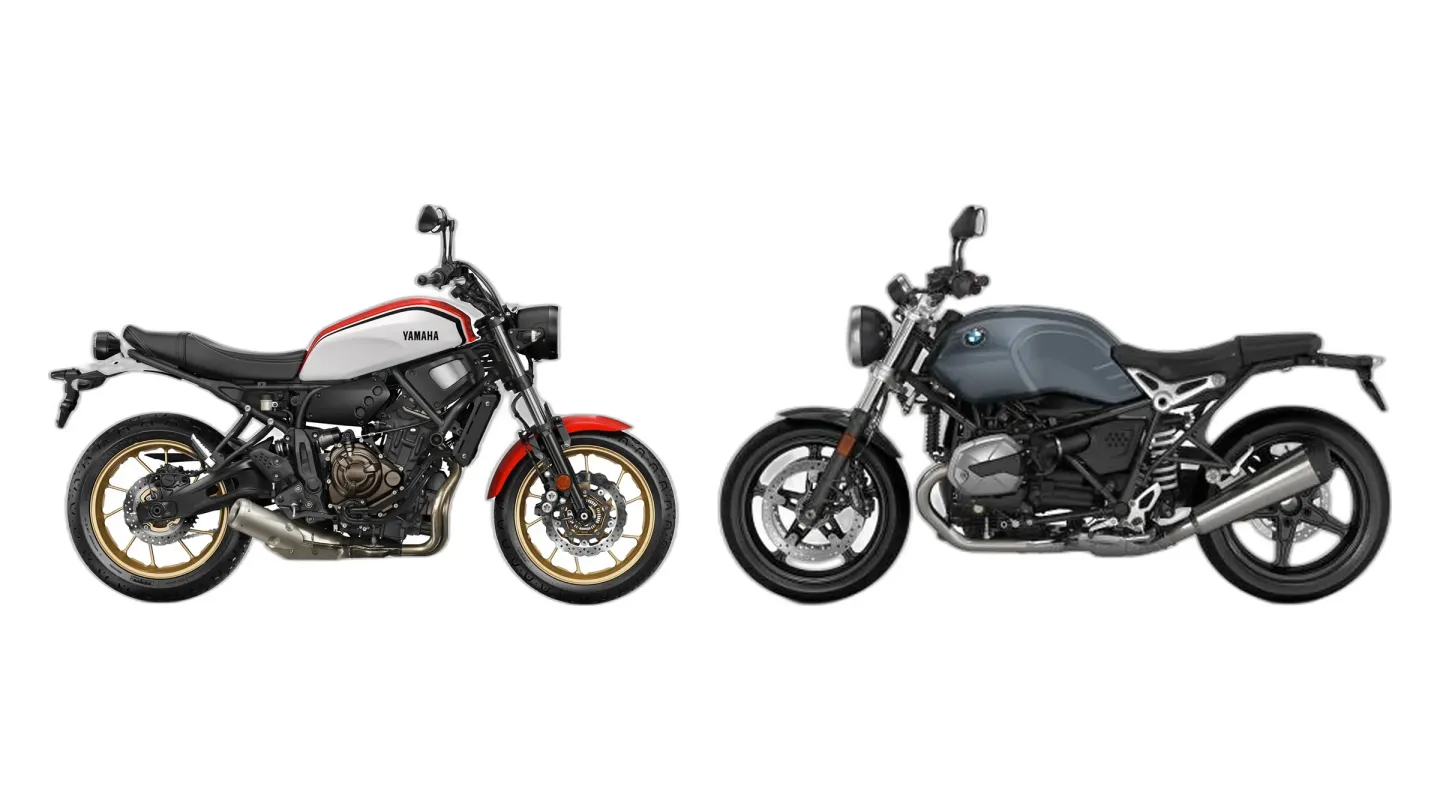
Yamaha XSR700 (RM11) vs BMW R nineT Pure (K22)
Yamaha XSR700 vs BMW R nineT Pure: which one to buy once you're past the looks.
At the turn-in for a tight bend, the Yamaha XSR700 doesn't fight you and goes exactly where you'd aim it. The BMW R nineT Pure settles onto its line and holds it there without a wobble. Then it keeps urging you toward more corner speed.
So which one do you buy?
The R nineT Pure has the edge if…
Keeping running costs low
By a nose: R nineT Pure
The R nineT Pure is a touch easier on the wallet to run. Condition still matters more than the model.
Character, looks and sound
Nose ahead: R nineT Pure
On character, the R nineT Pure edges it. Credit more distinctive styling and a better engine note. Your eyes get the final say.
Sporty riding on twisty roads
Slight edge: R nineT Pure
Through a string of corners, the R nineT Pure feels a little more eager. The reason: harder acceleration and stronger brakes. The gap is small, so ride both.
Which one's the smarter buy
No clear winner on value
Neither bike is the clear better buy at these used prices. The XSR700 costs less, but that doesn't make it the smarter spend.
What makes each one tick
XSR700
Light steering and a riding position that's neither front- nor rear-biased make the XSR700 easy to ride. There's a clean pull from the twin each time the throttle opens, and the gearbox snaps through its ratios with no fuss. At a track-day pace, the suspension runs out of room. The XSR700's front wheel pops up whenever you ask.
R nineT Pure
There's real punch in the R nineT Pure's air/oil-cooled boxer, and its exhaust wraps every gear in a twin-cylinder thrum. Over sharp bumps, the basic fork and rear shock pass the harshness straight up. The brake lever's the strong suit. Twin front discs haul it down, stop after stop.
The Voice of Experience
What actually separates them
- The XSR700 has the lower wet weight: 410 lb (186 kg) vs 489 lb (222 kg).
- The R nineT Pure makes more peak power: 109 hp (80 kW) vs 75 hp (55 kW).
- The R nineT Pure makes more peak torque: 86 lb-ft (116 Nm) vs 50 lb-ft (68 Nm).
Which one for the way you ride
Comfortable long-distance riding
Neither one fits
Long days aren't what these two do best. Plan shorter legs and plenty of stops.
Count commuting as a draw. The deal on the table and the condition of the bike matter more here.
Who each one is built for
What's good, and what you'll live with
XSR700
Strengths
- Handling You Trust Immediately
- Cheap To Keep Running
- A Genuine Blank Canvas
- Settled At Highway Speed
- Punchy, characterful CP2 engine
Trade-offs
- Occasional False Neutral
- Surface Rust Shows Early
- Sticky Starter Switch
- Wiring After Winter Storage
- Budget suspension limits fast riding
R nineT Pure
What owners say
Strengths
- Powerful, high-quality brakes
- Timeless retro styling
- Charismatic air/oil-cooled boxer engine
Trade-offs
- Budget suspension limits ride quality
- Uncomfortable seat on long rides
Known problems to check before you buy
XSR700
- Swingarm and fastener corrosion Surface rust appears on the swingarm, frame welds, and zinc-plated fasteners, particularly when ridden in wet conditions or exposed to winter road salt.
R nineT Pure
No confirmed faults on file yet. That's not the same as fault-free.
What they cost used
These prices compare a 6-year-old XSR700 with a 6-year-old R nineT Pure.
- XSR700
- about $6,900
- R nineT Pure
- about $7,800
At six years old, the Yamaha XSR700 sits around $6,900 while the BMW R nineT Pure runs about $7,800. That's a $900 gap in the XSR700's favor. These are US market estimates, not live listings.
What they share
- Gearbox
- 6-speed
- Fork
- Telescopic
- Front tire
- 120/70-17
- Rear tire
- 180/55-17
Where the spec sheets split
| XSR700 | R nineT Pure | |
|---|---|---|
| Seat height | 32.1 in (815 mm) | 31.7 in (805 mm) |
| Wet weight | 410 lb (186 kg) | 489 lb (222 kg) |
| XSR700 | R nineT Pure | |
|---|---|---|
| Displacement | 689 cc | 1170 cc |
| Engine | Parallel twin | Flat-twin (boxer) |
| Cooling | Liquid-cooled | Air/oil-cooled |
| Power | 75 hp (55 kW) | 109 hp (80 kW) |
| Peak power at | 9,000 rpm | 7,750 rpm |
| Torque | 50 lb-ft (68 Nm) | 86 lb-ft (116 Nm) |
| Peak torque at | 6,500 rpm | 6,000 rpm |
| XSR700 | R nineT Pure | |
|---|---|---|
| Fuel economy | 55 mpg (US) / 4.3 L/100 km | 46 mpg (US) / 5.1 L/100 km |
| Fuel capacity | 3.7 US gal (14 L) | 4.5 US gal (17 L) |
| XSR700 | R nineT Pure | |
|---|---|---|
| Final drive | Chain | Shaft |
| Front brake | 282 mm | 320 mm |
| Wheelbase | 55.3 in (1405 mm) | 58.1 in (1476 mm) |
What comes fitted, what costs extra
| XSR700 | R nineT Pure | |
|---|---|---|
| Traction Control | Not offered | Option |
| Heated Grips | Not offered | Option |
Head to head, area by area
Both bikes on the same scale, one area at a time.