By NastyNils·
Motorcycle comparison · Retro Classic
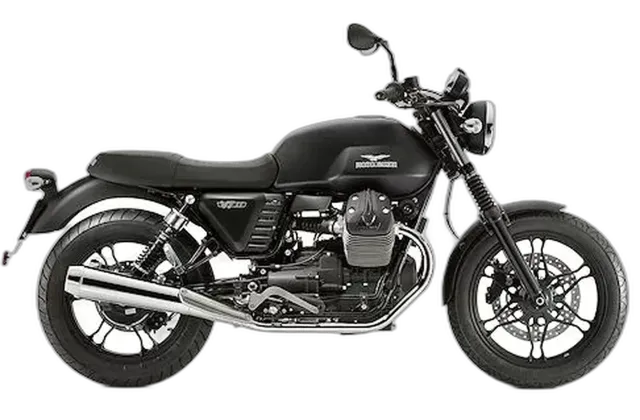
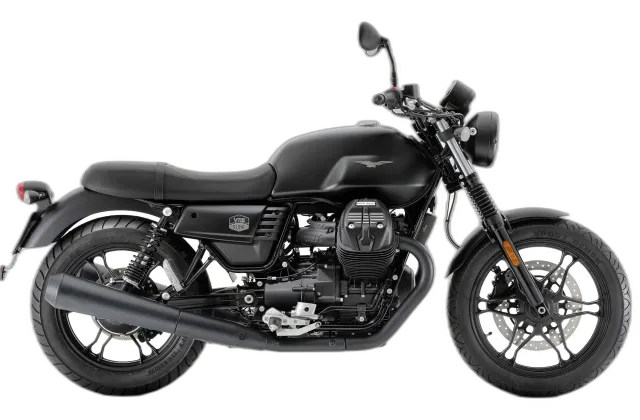
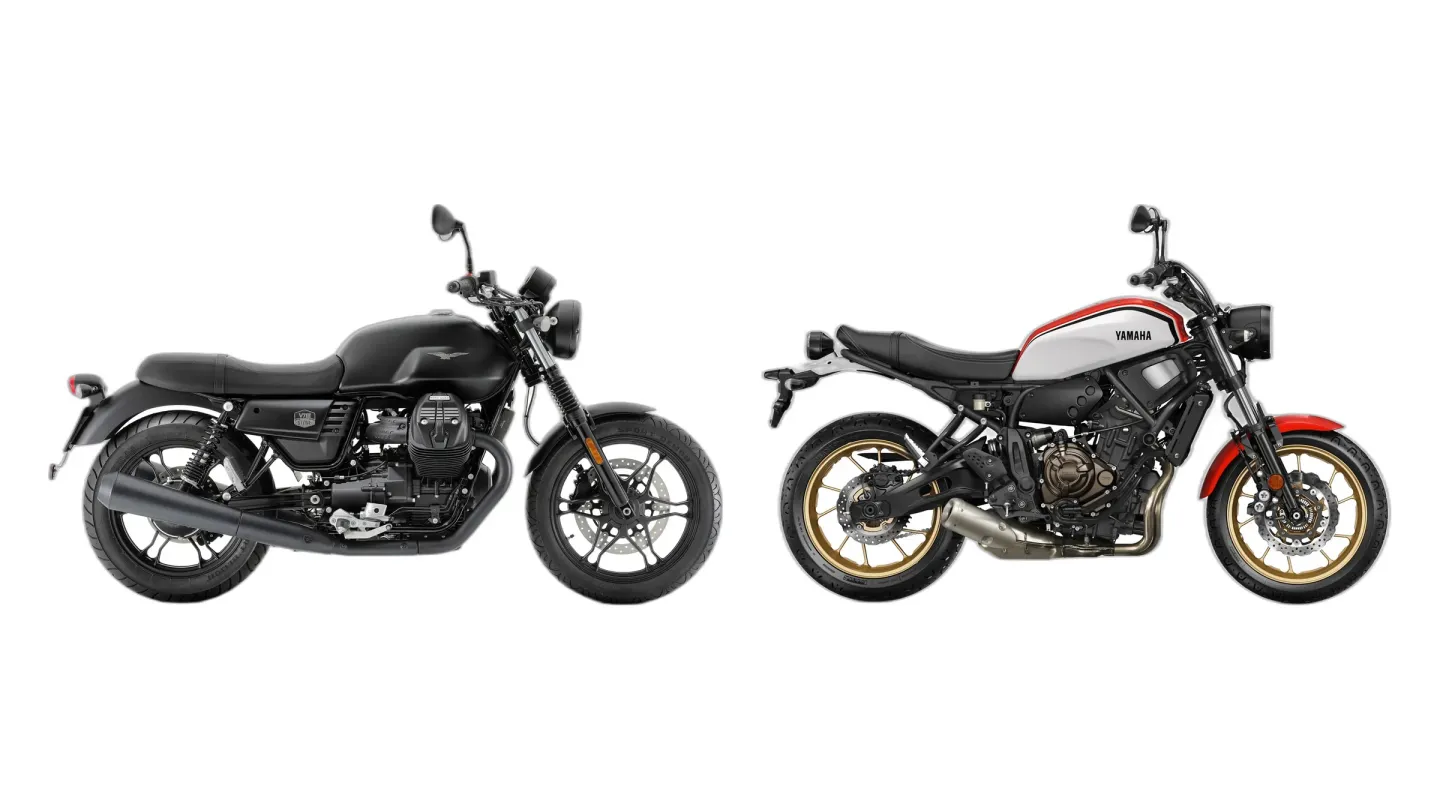
Moto Guzzi V7 III Stone (MY2017) vs Yamaha XSR700 (RM11)
Moto Guzzi V7 III Stone vs Yamaha XSR700: buy with your heart, but read this first.
You'll feel the Moto Guzzi V7 III Stone's V-twin thump and tug from barely off idle as you open the throttle, and its exhaust note isn't like anything else. On the Yamaha XSR700, the throttle brings a sober pull that doesn't surprise you. Its front wheel doesn't need much coaxing to lift.
So which one do you buy?
The V7 III Stone has the edge if…
Keeping running costs low
Slight edge: V7 III Stone
Running costs lean slightly toward the V7 III Stone. A well-kept example of either matters more.
Character, looks and sound
Nose ahead: V7 III Stone
On style, the V7 III Stone makes a slightly stronger case. That comes from more distinctive styling and more retro style. Go see both in person.
The XSR700 has the edge if…
Sporty riding on twisty roads
Inches ahead: XSR700
The XSR700 nudges ahead once the pavement starts to wiggle. Most of that is harder acceleration and stronger brakes. Don't expect a night-and-day difference.
Daily commuting & city riding
By a nose: XSR700
On the way to work, the XSR700 asks a little less of you. It's down to lighter steering and friendlier manners. Close enough that the test ride should settle it.
Which one's the smarter buy
Money won't decide it
The V7 III Stone costs less, but that gap doesn't make it the better buy. Neither bike is the clear winner on value.
What makes each one tick
V7 III Stone
Both boots go flat at a stop on the V7 III Stone, whose 30.3 in (770 mm) seat sits low and whose clutch lever doesn't ask for much of a squeeze. On broken pavement at a harder pace, the soft rear shocks don't settle, and the chassis bounces. Revved out, the pegs buzz. The wide bar levers it into each bend.
XSR700
You sit dead center on the XSR700, neither tipped onto the bar nor slumped back. The throttle answers with an engine that's still winding up toward 75 hp (55 kW) at 9,000 rpm. Pushed harder or on a track day, the suspension's out of room and cornering clearance runs short. Each shift snaps home.
The Voice of Experience

What actually separates them
- The V7 III Stone has the lower seat: 30.3 in (770 mm) vs 32.1 in (815 mm).
- The XSR700 has the lower wet weight: 410 lb (186 kg) vs 461 lb (209 kg).
- The XSR700 makes more peak power: 75 hp (55 kW) vs 52 hp (38 kW).
Which one for the way you ride
Comfortable long-distance riding
Not built for this
Neither one is built for long-haul comfort. For big miles, look at a proper tourer or sport tourer.
Who each one is built for
What's good, and what you'll live with
V7 III Stone
What owners say
Strengths
- Stylish, authentic retro design
- Characterful air-cooled V-twin engine
Trade-offs
- Basic, underdamped rear suspension
- Vibration at higher revs
XSR700
Strengths
- Handling You Trust Immediately
- Cheap To Keep Running
- A Genuine Blank Canvas
- Settled At Highway Speed
- Punchy, characterful CP2 engine
Trade-offs
- Occasional False Neutral
- Surface Rust Shows Early
- Sticky Starter Switch
- Wiring After Winter Storage
- Budget suspension limits fast riding
Known problems to check before you buy
V7 III Stone
- Front ABS brake hose abrasion (recall 17V380000) Recall 17V380000 The front ABS brake hose can rub against the engine's secondary air system connection, potentially causing a brake fluid leak. This affects 2016-2017 V7 III models. Recall repair involves securing or replacing the hose.
XSR700
- Swingarm and fastener corrosion Surface rust appears on the swingarm, frame welds, and zinc-plated fasteners, particularly when ridden in wet conditions or exposed to winter road salt.
What they cost used
These prices compare a 6-year-old V7 III Stone with a 6-year-old XSR700.
- V7 III Stone
- $5,700
- XSR700
- $6,900
At six years old, the Moto Guzzi V7 III Stone sits around $5,700 while the Yamaha XSR700 runs about $6,900. That's a $1,200 gap in the V7 III Stone's favor. These figures aren't live listings; they're recorded from earlier US market data.
What they share
- Gearbox
- 6-speed
- Fork
- Telescopic
Where the spec sheets split
| V7 III Stone | XSR700 | |
|---|---|---|
| Seat height | 30.3 in (770 mm) | 32.1 in (815 mm) |
| Wet weight | 461 lb (209 kg) | 410 lb (186 kg) |
| V7 III Stone | XSR700 | |
|---|---|---|
| Displacement | 744 cc | 689 cc |
| Engine | 90° V-twin | Parallel twin |
| Cooling | Air-cooled | Liquid-cooled |
| Power | 52 hp (38 kW) | 75 hp (55 kW) |
| Peak power at | 6,200 rpm | 9,000 rpm |
| Torque | 44 lb-ft (60 Nm) | 50 lb-ft (68 Nm) |
| Peak torque at | 4,900 rpm | 6,500 rpm |
| V7 III Stone | XSR700 | |
|---|---|---|
| Fuel economy | 48 mpg (US) / 4.9 L/100 km | 55 mpg (US) / 4.3 L/100 km |
| Fuel capacity | 5.5 US gal (21 L) | 3.7 US gal (14 L) |
| V7 III Stone | XSR700 | |
|---|---|---|
| Final drive | Shaft | Chain |
| Front brake | 320 mm | 282 mm |
| Front tire | 100/90-18 | 120/70-17 |
| Rear tire | 130/80-17 | 180/55-17 |
| Wheelbase | 57.6 in (1463 mm) | 55.3 in (1405 mm) |
What comes fitted, what costs extra
| V7 III Stone | XSR700 | |
|---|---|---|
| Traction Control | Standard | Not offered |
| Smartphone Connectivity | Option | Not offered |
Head to head, area by area
Both bikes on the same scale, one area at a time.