By NastyNils·
Motorcycle comparison · Naked Bike
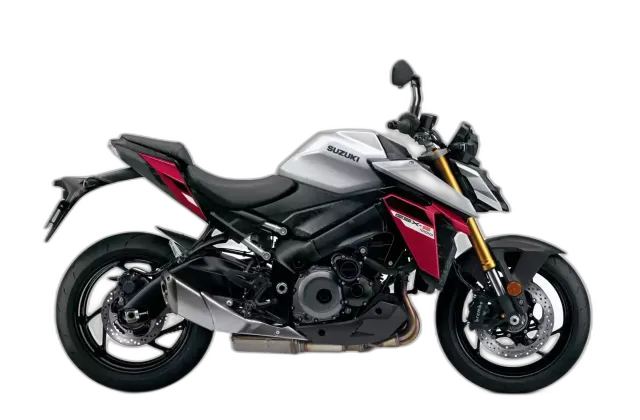
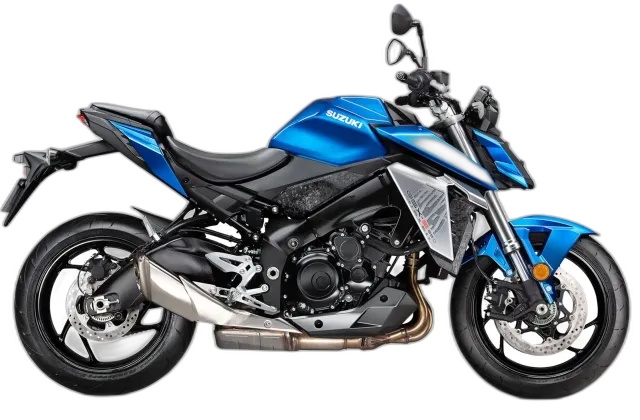
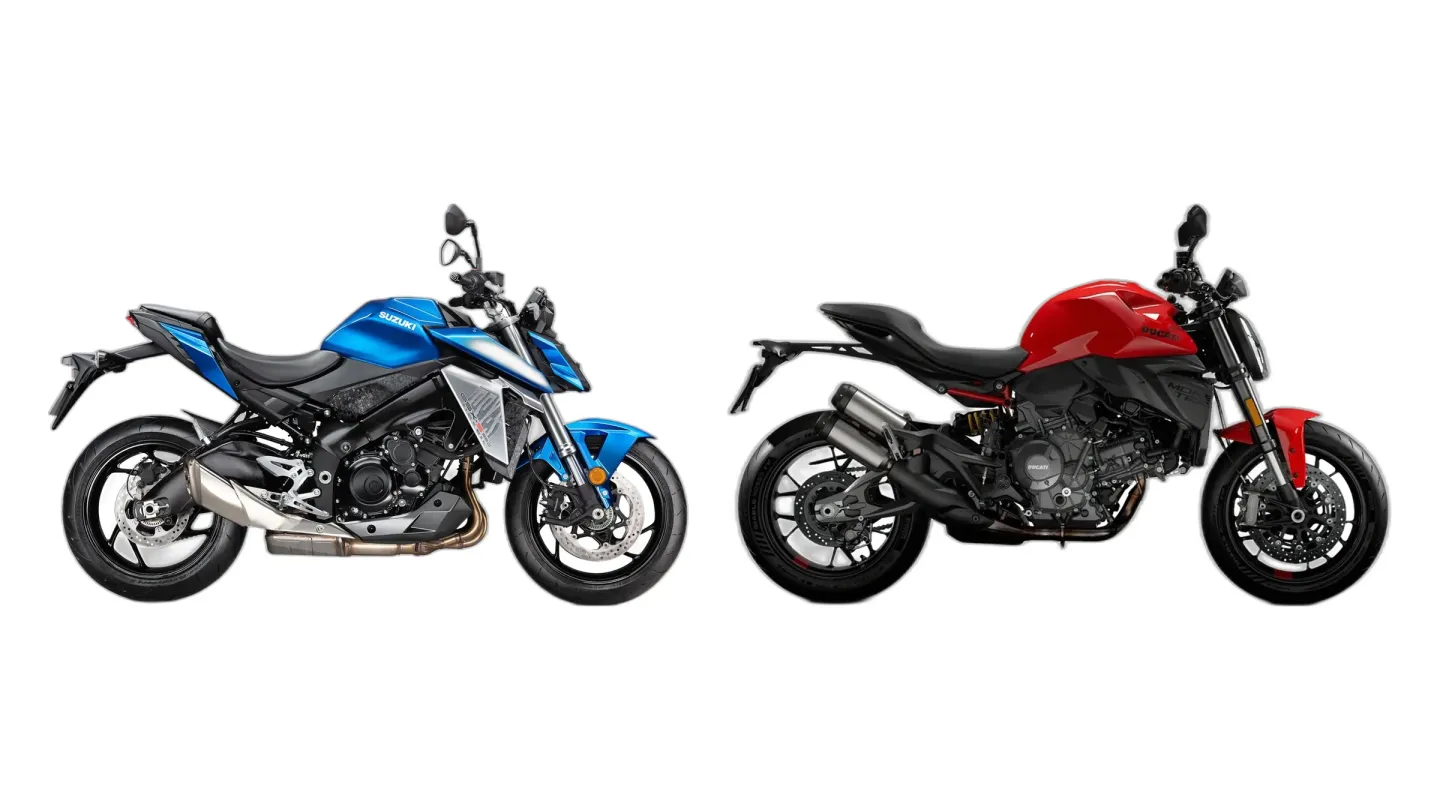
Suzuki GSX-S950 (MY2021) vs Ducati Monster (MY2021)
Suzuki GSX-S950 vs Ducati Monster: no fairing, no excuses. Here's how to pick.
You'll hear the gap first: the Suzuki GSX-S950's inline-four snarls and pulls from low revs the instant you roll on the throttle. The Ducati Monster's stock L-twin doesn't raise its voice.
So which one do you buy?
The Monster has the edge if…
Sporty riding on twisty roads
A touch ahead: Monster
The Monster is a touch more fun when the road starts bending. What tips it: stronger brakes.
Daily commuting & city riding
Small edge: Monster
Day in, day out, the Monster nudges ahead in traffic. It isn't a big enough gap to plan around.
What makes each one tick
GSX-S950
The GSX-S950's bars carry a big-bore naked's heft through slow bends, with 472 lb (214 kg) wet on the scale. Its engine shoves hard from low down, and city crawls and quick passes don't take much effort. Higher up, the throttle doesn't find much new power. Its punch lives in the middle of the tach.
Monster
Direction changes come fast on the Monster, and U-turns take almost no work at the bars. There's a pulse to the engine low down, then it smooths out and turns urgent near the top. The brake lever brings it to a stop with cornering ABS working even while you're leaned over. The engine holds up the rear.
Nils rode the Monster in 2021 (NastyNils Testride).
The Voice of Experience

What actually separates them
- The Monster has the lower wet weight: 414 lb (188 kg) vs 472 lb (214 kg).
- The Monster makes more peak power: 111 hp (82 kW) vs 95 hp (70 kW).
- The GSX-S950 has the larger engine: 999 cc vs 937 cc.
Which one for the way you ride
Comfortable long-distance riding
Not their thing
Long days aren't what these two do best. Plan shorter legs and plenty of stops.
A confidence-building first motorcycle
Not built for this
As first bikes, both are a stretch. Starting smaller isn't a step down.
There's no real gap on running costs. Sit on both and let fit and price decide.
Who each one is built for
What's good, and what you'll live with
GSX-S950
What owners say
Strengths
- Gutsy midrange pull
- Packing a proper superbike bark
Trade-offs
- Feels restricted by law
- Portly super naked feel
- Pricey A2 entry point
Monster
What owners say
Strengths
- Exceptionally agile handling
- Comprehensive electronics package
- Strong mid-range torque
- Reliable engine platform
Trade-offs
- Significant engine heat in traffic
- Missing cruise control
- Muted stock exhaust note
- No wind protection
- Seat discomfort on long rides
Known problems to check before you buy
GSX-S950
No confirmed faults on file yet. That's not the same as fault-free.
Monster
- Stock KYB suspension too soft / harsh for dynamic riding The base model's KYB suspension is widely described as adequate for commuting but insufficient for spirited or sport riding. The fork can feel both too soft in compression (dive under braking) and harsh over sharp bumps — a common symptom of budget suspension without proper valving. The SP model with Öhlins was introduced in MY2023 specifically to address this shortcoming. Aftermarket solutions (fork spring upgrades, Andreani/Matris cartridge kits) are common.
- Excessive engine and exhaust heat affecting rider comfort The liquid-cooled Testastretta twin sends noticeable heat onto the rider's legs and inner thighs at low speed and in stop-and-go traffic. It is worst when the radiator fan runs and the exhaust header area is fully heat-soaked. The effect is strongest in hot weather and slow urban riding and fades once the bike is moving freely. This is a characteristic of the compact liquid-cooled V-twin packaging, not a progressive mechanical defect.
- Rough, jerky throttle response at low engine speeds At low RPM (city riding, 1st–2nd gear), the Monster 937 exhibits an abrupt, on-off throttle response — particularly when rolling off and re-applying throttle. This is a characteristic of Ducati's Testastretta 11° engine with Euro 5 mapping, not a malfunction. Riders coming from inline-four motorcycles often perceive this as a problem. The Touring and Urban ride modes mitigate it somewhat.
What they share
- Cooling
- Liquid-cooled
- Gearbox
- 6-speed
- Final drive
- Chain
- Fork
- Upside-down (USD)
- Front tire
- 120/70-17
Where the spec sheets split
| GSX-S950 | Monster | |
|---|---|---|
| Seat height | 31.9 in (810 mm) | 32.3 in (820 mm) |
| Wet weight | 472 lb (214 kg) | 414 lb (188 kg) |
| GSX-S950 | Monster | |
|---|---|---|
| Displacement | 999 cc | 937 cc |
| Engine | Inline-four | 90° V-twin |
| Power | 95 hp (70 kW) | 111 hp (82 kW) |
| Torque | 68 lb-ft (92 Nm) | 69 lb-ft (93 Nm) |
| GSX-S950 | Monster | |
|---|---|---|
| Fuel economy | 39 mpg (US) / 6.1 L/100 km | 36 mpg (US) / 6.5 L/100 km |
| Fuel capacity | 5.0 US gal (19 L) | 3.7 US gal (14 L) |
| GSX-S950 | Monster | |
|---|---|---|
| Rear tire | 190/50-17 | 180/55-17 |
| Wheelbase | 57.5 in (1460 mm) | 58.0 in (1474 mm) |
What comes fitted, what costs extra
| GSX-S950 | Monster | |
|---|---|---|
| Ride Modes | Not offered | Standard |
| Quickshifter | Not offered | Standard |
| TFT Display | Not offered | Standard |
| Smartphone Connectivity | Not offered | Option |
Head to head, area by area
Both bikes on the same scale, one area at a time.