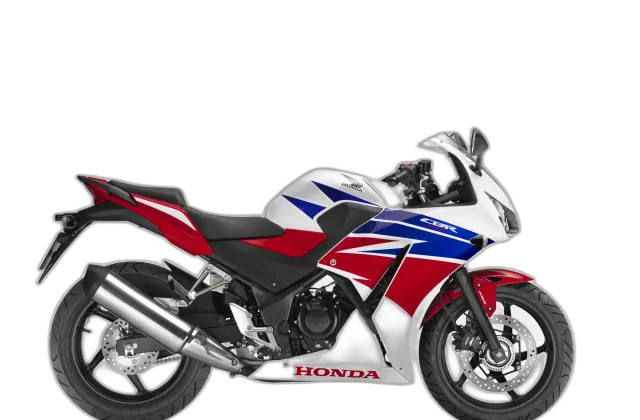
By NastyNils·
Motorcycle comparison · Naked Bike vs Supersport
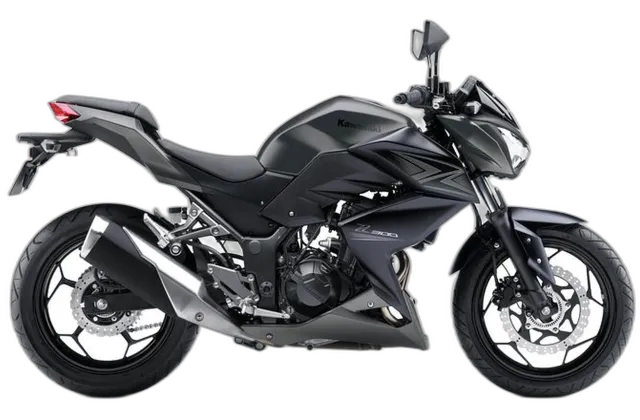
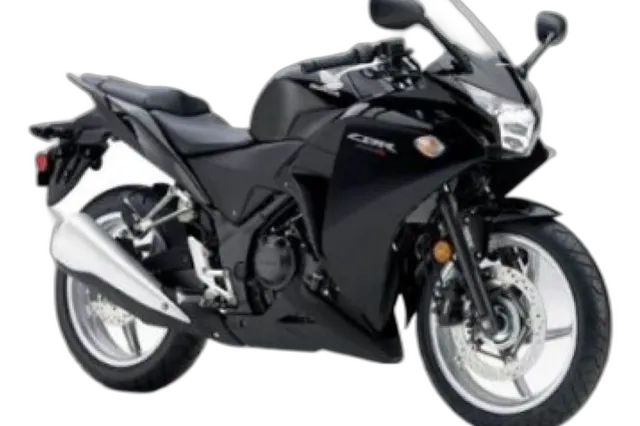
Kawasaki Z250SL (MY2015) vs Honda CBR 300 R (CBR300R)
Kawasaki Z250SL vs Honda CBR 300 R: different classes, one choice. Here's how to make it.
Roll it open and the Kawasaki Z250SL's engine won't stop chasing the limiter. The Honda CBR 300 R's pull swells evenly, never sudden.
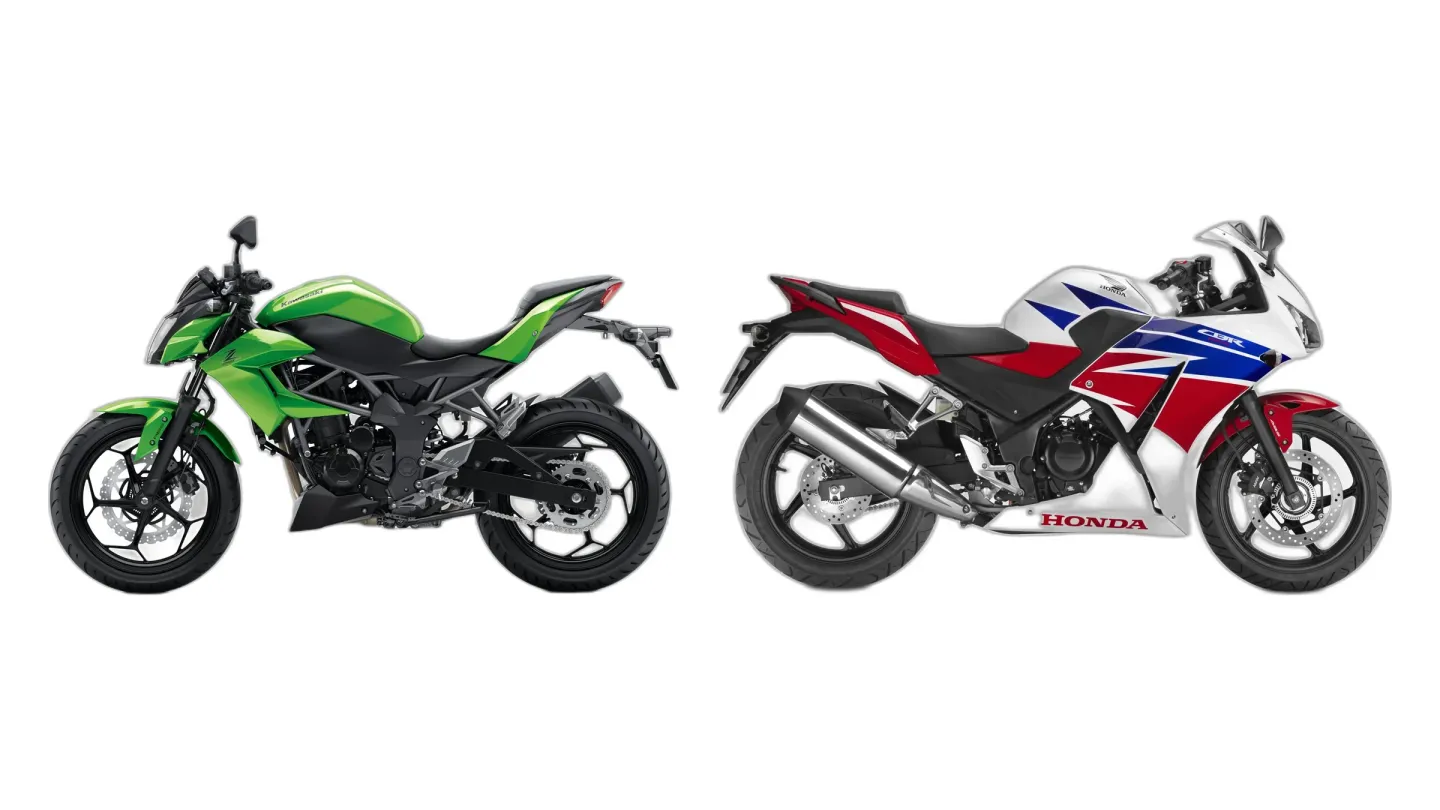
So which one do you buy?
The Z250SL has the edge if…
Daily commuting & city riding
Nose ahead: Z250SL
Your daily ride leans slightly toward the Z250SL. Fit and price can easily outweigh that.
The CBR 300 R has the edge if…
Traveling with luggage
Small edge: CBR 300 R
The CBR 300 R feels a little more at home with bags on. Thank more range per tank and better wind protection for that. It's a fine margin, so test both loaded if you can.
Sporty riding on twisty roads
Narrow edge: CBR 300 R
The CBR 300 R nudges ahead once the pavement starts to wiggle. Put it down to more feel through the bars. Don't expect a night-and-day difference.
A confidence-building first motorcycle
A touch ahead: CBR 300 R
As a starter bike, the CBR 300 R comes out a touch ahead. Small enough that a better fit on the other one would outweigh it.
What makes each one tick
Z250SL
Every twist of the throttle comes back smooth: the single's gear-driven balancer shaft doesn't let the usual shake through. Low revs aren't a weak spot. The petal disc bites and the front tire digs in.
CBR 300 R
The CBR 300 R wears the full fairing and sporty crouch of Honda's bigger CBRs. At highway speed it holds its line well, and there's only a faint buzz coming up through the bars. There's torque enough for commuting. The single feeds in its torque without a jolt.
The Voice of Experience

What actually separates them
- The Z250SL has the lower wet weight: 324 lb (147 kg) vs 357 lb (162 kg).
- The CBR 300 R makes more peak power: 31 hp (23 kW) vs 28 hp (21 kW).
- The CBR 300 R makes more peak torque: 20 lb-ft (27 Nm) vs 17 lb-ft (23 Nm).
Which one for the way you ride
Comfortable long-distance riding
Wrong job for both
Big miles aren't where either one shines. You'll be watching for the next rest stop.
Who each one is built for
What's good, and what you'll live with
Z250SL
What owners say
Strengths
- Smooth, rev‑happy engine
- Superlight and agile handling
- Excellent build quality and reliability
- Powerful, communicative brakes
CBR 300 R
What owners say
Strengths
- Forgiving and manageable power delivery
- Surprisingly stable at highway speeds
Known problems to check before you buy
Z250SL
No confirmed faults on file yet. That's not the same as fault-free.
CBR 300 R
- Crankshaft bearing retainer failure (recall) Recall 16V528000 A manufacturing defect in the crankshaft can cause the connecting rod bearing retainer plating to wear prematurely, leading to corrosion and potential engine stall. Honda recalled all 2015–2016 models (NHTSA 16V-528) to replace the crankshaft assembly. Symptoms include abnormal noise, sudden power loss, and inability to restart.
What they share
- Engine
- Single-cylinder
- Cooling
- Liquid-cooled
- Gearbox
- 6-speed
- Final drive
- Chain
- Fork
- Telescopic
Where the spec sheets split
| Z250SL | CBR 300 R | |
|---|---|---|
| Seat height | 30.9 in (785 mm) | 30.7 in (780 mm) |
| Wet weight | 324 lb (147 kg) | 357 lb (162 kg) |
| Z250SL | CBR 300 R | |
|---|---|---|
| Displacement | 249 cc | 286 cc |
| Power | 28 hp (21 kW) | 31 hp (23 kW) |
| Peak power at | 9,700 rpm | 8,500 rpm |
| Torque | 17 lb-ft (23 Nm) | 20 lb-ft (27 Nm) |
| Peak torque at | 8,200 rpm | 7,250 rpm |
| Z250SL | CBR 300 R | |
|---|---|---|
| Fuel capacity | 2.9 US gal (11 L) | 3.4 US gal (13 L) |
| Z250SL | CBR 300 R | |
|---|---|---|
| Front brake | 290 mm | 296 mm |
| Front tire | 100/80-17 | 110/70-17 |
| Rear tire | 130/70-17 | 140/70-17 |
Head to head, area by area
Both bikes on the same scale, one area at a time.