By NastyNils·
Motorcycle comparison · Naked Bike vs Adventure
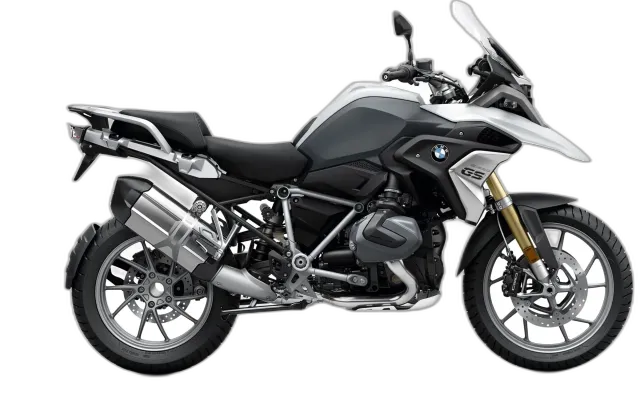
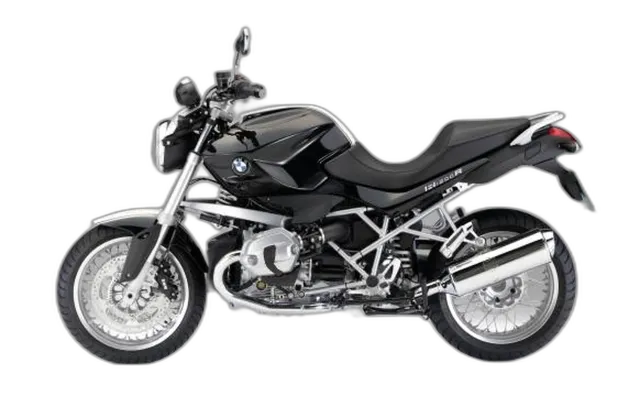
BMW R 1200 R Classic (MY2011) vs R 1200 GS (K50)
BMW R 1200 R Classic vs R 1200 GS: different classes, one choice. Here's how to make it.
Deep on the brake lever, the BMW R 1200 R Classic's nose won't dive, and the whole bike stays level. The BMW R 1200 GS doesn't mind a fistful of lever at the very last moment. It's composed and holds a clean line in.
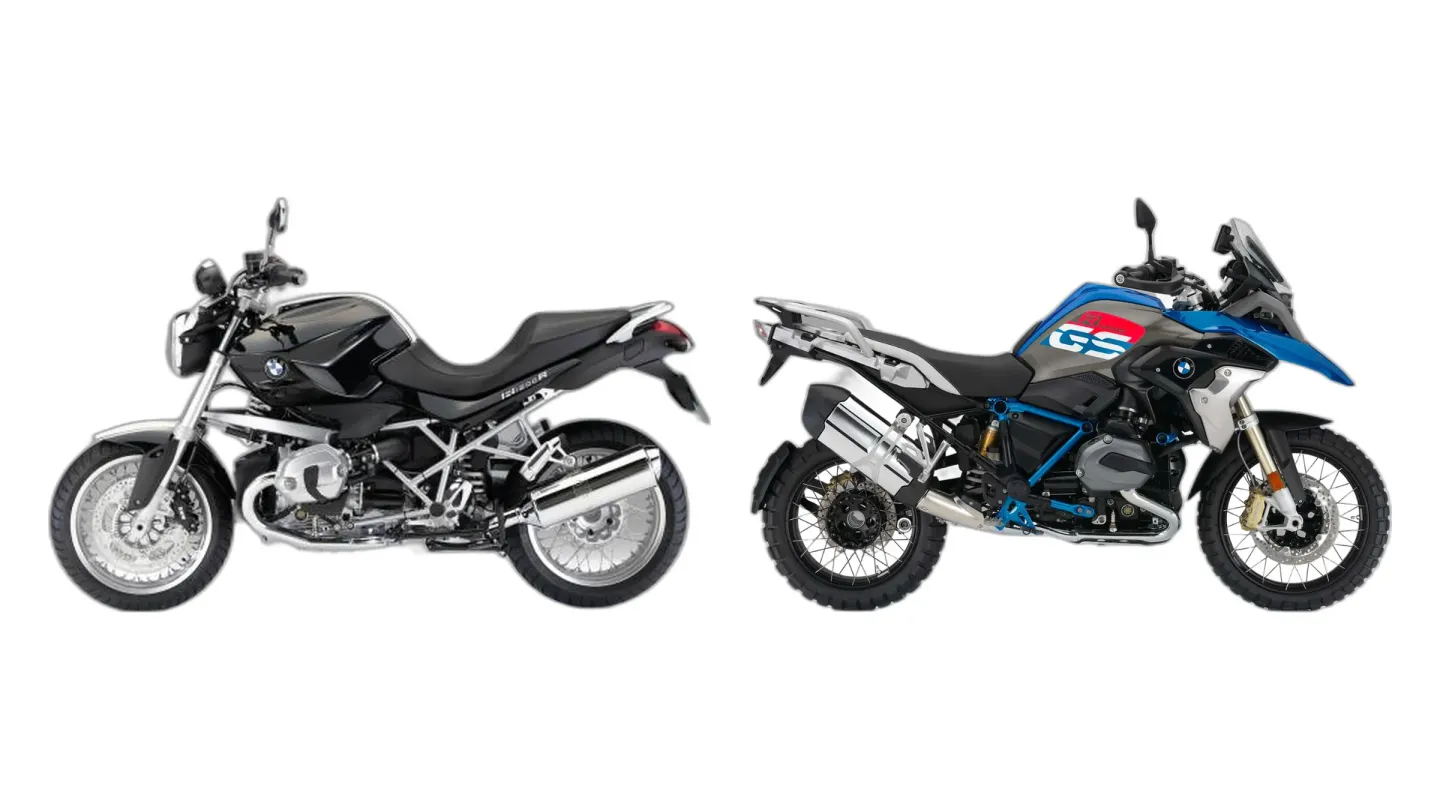
So which one do you buy?
The R 1200 R Classic has the edge if…
Daily commuting & city riding
A touch ahead: R 1200 R Classic
On the way to work, the R 1200 R Classic asks a little less of you. Close enough that the test ride should settle it.
The R 1200 GS has the edge if…
Traveling with luggage
Slight edge: R 1200 GS
Packed for a long trip, the R 1200 GS is a little better at it. The difference is more comfort on long stints and a better passenger seat.
Sporty riding on twisty roads
Nose ahead: R 1200 GS
On a winding road, the R 1200 GS comes out a touch ahead. Thank a sportier chassis and better suspension for that. You wouldn't bet much on a gap like that.
What makes each one tick
R 1200 R Classic
Low in the revs, the R 1200 R Classic's boxer pulls with real weight, and there's a harder Camhead rush up top. A sharp-edged pothole jolts straight up into the seat. Rolling backroad bumps don't get that far. The Telelever fork swallows them first.
R 1200 GS
Hectic riding doesn't suit the R 1200 GS, because its boxer's big pull sits right at the bottom of the rev range. There's enough shove from a light crack of throttle in a tall gear to get it moving quick. Tight turns suit it. The front falls toward each apex almost on its own.
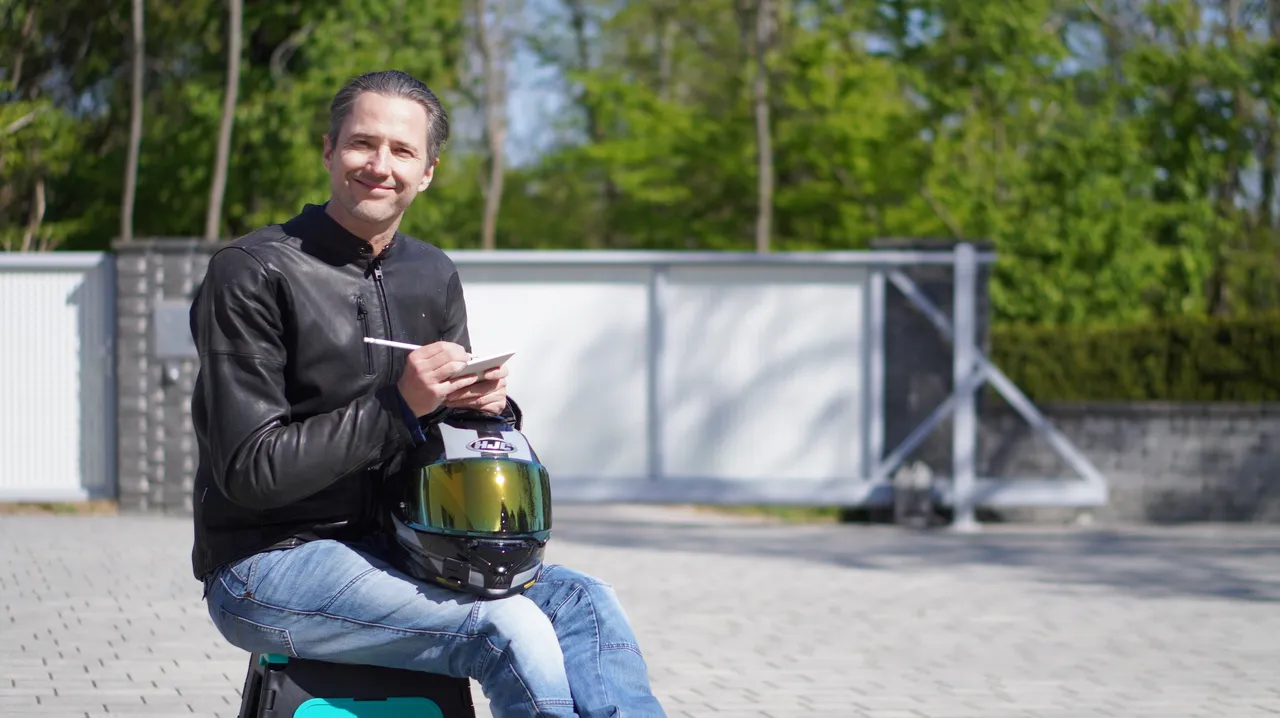
Nils rode the R 1200 GS in Andalusia and Croatia/Dalmatia in 2013, in Austria in 2015, and in 2016 (NastyNils Testride).
The Voice of Experience
What actually separates them
- The R 1200 R Classic has the lower seat: 31.3 in (795 mm) vs 33.5 in (850 mm).
- The R 1200 R Classic has the lower wet weight: 492 lb (223 kg) vs 525 lb (238 kg).
- The R 1200 GS makes more peak power: 125 hp (92 kW) vs 110 hp (81 kW).
Which one for the way you ride
Comfortable long-distance riding
Sits this out: R 1200 R Classic
The R 1200 R Classic gets left out of the long-distance question. It's built for a different kind of day.
A confidence-building first motorcycle
Not built for this
A first bike should forgive mistakes, and these two don't do that well enough. Come back to them later.
Who each one is built for
What's good, and what you'll live with
R 1200 R Classic
What owners say
Strengths
- Torquey, characterful boxer engine
- Stable and compliant Telelever front end
- Low-maintenance shaft drive
Trade-offs
- Inconsistent build quality and early issues
- Harsh suspension over sharp bumps
R 1200 GS
Strengths
- ABS works so finely you forget it's there
- Finds the line almost by itself in tight corners
- Huge low-rpm pull rewards a calm, lugging style
- Late, hard braking with a stable front end
- Track-capable in the morning, Alpine passes home in the evening
Trade-offs
- Runs out of revs and shifting is awkward at big lean
- Heavy weight off-road
- High cost to buy and maintain
- Wind protection falls short of expectations
Known problems to check before you buy
R 1200 R Classic
- Fuel pump flange cracking and recall Recall 21V060000 The fuel pump flange can develop cracks over time, leading to fuel leaks. BMW issued a safety recall (NHTSA campaign 21V-060) for affected 2011-2014 models to reinforce or replace the pump.
- Fuel strip sensor failure The film-type fuel level sensor strip inside the tank commonly fails, causing the fuel gauge and remaining-range display to read erratically, drop to empty, or stop working altogether, often with a fuel warning shown on the instrument cluster. Replacement strips frequently fail again, so the fault tends to recur over the life of the bike.
- Rusting fuel filler neck Water can accumulate around the fuel filler cap area due to poor drainage, leading to rust.
R 1200 GS
- Shaft drive U-joint corrosion The cardan shaft U-joints can exhibit premature rust, particularly on bikes used in wet conditions or not regularly lubricated, leading to driveline lash or failure.
- Fuel pump cracking On bikes built between 2013 and 2014, the fuel pump unit can crack due to a stressed support washer, leading to fuel leaks and engine hesitation.
- Water pump failure Early water-cooled GS models are prone to water pump failure, often requiring replacement around 20,000–30,000 miles. Symptoms include coolant leaks and overheating.
- Clunky gearbox The transmission can feel harsh, especially shifting between 1st and 2nd gears, with a noticeable clunk. Some owners report difficulty finding neutral.
What they cost used
These prices compare a 12-year-old R 1200 R Classic with a 12-year-old R 1200 GS.
- R 1200 R Classic
- about $7,800
- R 1200 GS
- about $8,600
At 12 years old, the BMW R 1200 R Classic sits around $7,800 while the BMW R 1200 GS runs about $8,600. That's no meaningful gap between the two. These are estimates from the used market, not live listings.
What they share
- Displacement
- 1170 cc
- Engine
- Flat-twin (boxer)
- Gearbox
- 6-speed
- Final drive
- Shaft
- Fork
- Telelever
Where the spec sheets split
| R 1200 R Classic | R 1200 GS | |
|---|---|---|
| Seat height | 31.3 in (795 mm) | 33.5 in (850 mm) |
| Wet weight | 492 lb (223 kg) | 525 lb (238 kg) |
| R 1200 R Classic | R 1200 GS | |
|---|---|---|
| Cooling | Air/oil-cooled | Air/liquid-cooled |
| Power | 110 hp (81 kW) | 125 hp (92 kW) |
| Peak power at | 7,750 rpm | 7,700 rpm |
| Torque | 88 lb-ft (119 Nm) | 92 lb-ft (125 Nm) |
| Peak torque at | 6,000 rpm | 6,500 rpm |
| Top speed | 130 mph (209 km/h) | 132 mph (213 km/h) |
| R 1200 R Classic | R 1200 GS | |
|---|---|---|
| Fuel economy | 47 mpg (US) / 5 L/100 km | 35 mpg (US) / 6.7 L/100 km |
| Fuel capacity | 4.8 US gal (18 L) | 5.3 US gal (20 L) |
| R 1200 R Classic | R 1200 GS | |
|---|---|---|
| Front brake | 320 mm | 305 mm |
| Front tire | 120/70-17 | 120/70-19 |
| Rear tire | 180/55-17 | 170/60-17 |
| Wheelbase | 58.9 in (1495 mm) | 59.3 in (1507 mm) |
| Front travel | 4.7 in (120 mm) | 7.5 in (190 mm) |
| Rear travel | 5.5 in (140 mm) | 7.9 in (200 mm) |
What comes fitted, what costs extra
| R 1200 R Classic | R 1200 GS | |
|---|---|---|
| ABS | Option | Standard (from 2016) |
| Cornering ABS | Not offered | Option |
| Traction Control | Option | Standard |
| Ride Modes | Not offered | Standard |
| Quickshifter | Not offered | Option (from 2014) |
| Slipper Clutch | Not offered | Standard |
| TFT Display | Not offered | Option |
| Smartphone Connectivity | Not offered | Option |
| Navigation | Not offered | Option |
| Tire Pressure Monitoring (TPMS) | Not offered | Option |
| Cruise Control | Not offered | Option |
| Adjustable Windscreen | Not offered | Standard |
| Adjustable Seat Height | Option | Standard |
| LED Headlight | Not offered | Option |
Head to head, area by area
Both bikes on the same scale, one area at a time.