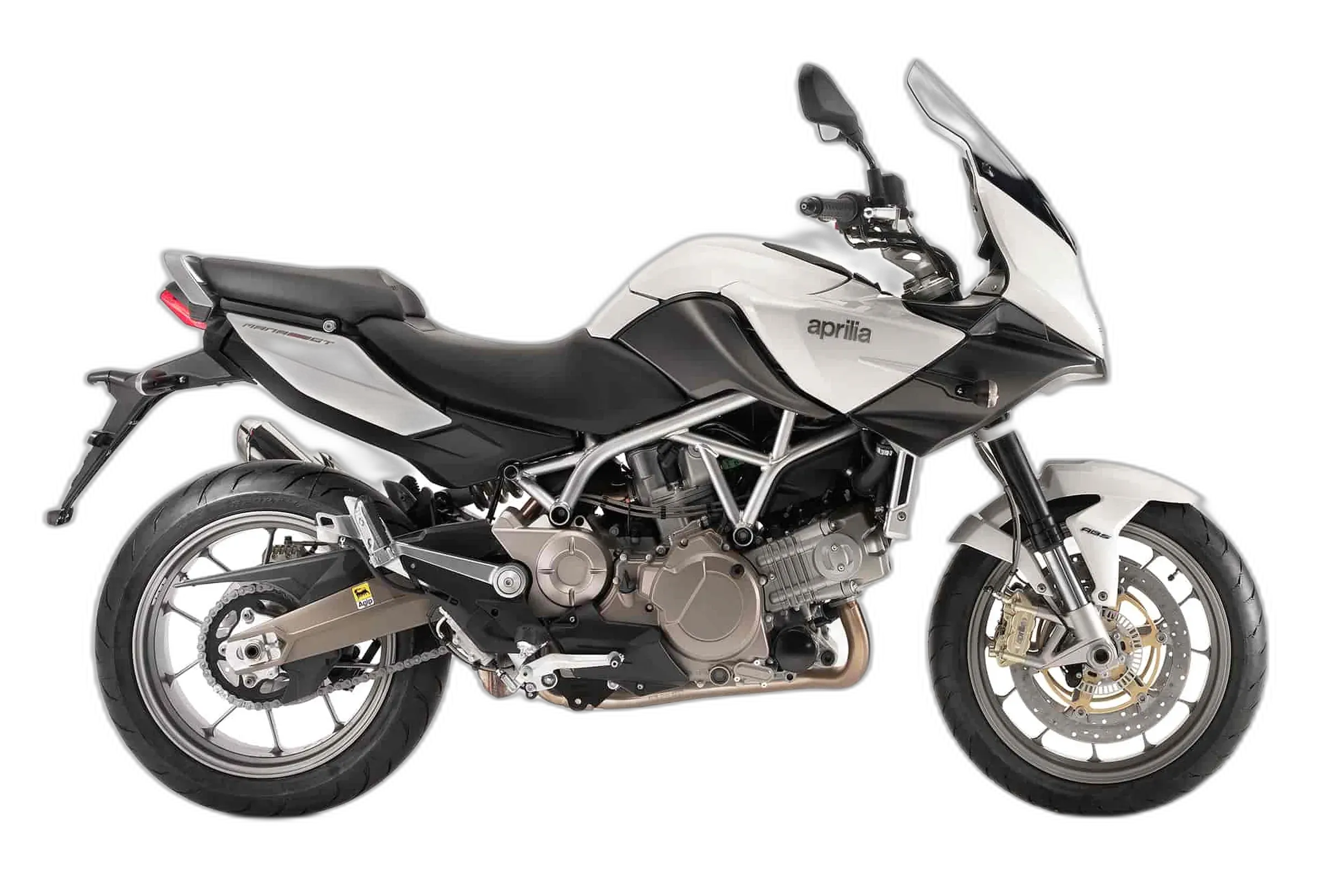

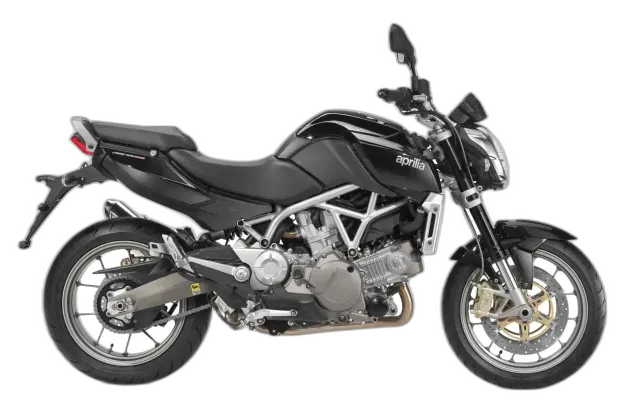
Aprilia Mana 850 (MY2012-GT) — Tourer
Aprilia Press

2012–2018 · Tourer · A variant of the Mana 850

Mana 850 GT (MY2012-GT)

Differences between the standard Mana 850 and the GT

3.5 / 5 NastyNils Rating · against its class

The Touring V-Twin With No Clutch

The Machine's Character

What sets the Mana 850 GT apart is its transmission: a continuously variable unit paired with an Italian V-twin. Leave it in full automatic and you choose between Touring, Sport and Rain maps. Switch to manual and you get seven virtual gears, shifted by paddle buttons or a conventional foot lever. The engine is an 839 cc liquid-cooled 90° V-twin making 76 hp at 8,000 rpm and 54 lb-ft (73 Nm) at 5,000 rpm. It sits in a steel trellis frame with a 1.7 in (43 mm) upside-down fork, and ABS is standard. It's an Italian V-twin that shifts itself.

On paper this is a tourer built around ease more than outright pace. Upright ergonomics, a wide handlebar and a half fairing with windscreen point to long days in the saddle. The 31.5 in (800 mm) seat is a moderate figure for this category. The fork isn't adjustable, the rear shock is adjustable, and a 180-section rear tire hints at more cornering intent than the automatic suggests. Chain final drive and a 4.2 gal (16 L) tank are the practical facts. It's built for you if you want V-twin torque without the shifting work. Scooter ease, motorcycle hardware!

Hard Numbers

Spec sheets don't ride bikes, but they set the baseline.

Show full specs & equipment Hide specs & equipment
Key specifications
Power 76 hp (56 kW) @ 8,000 rpm
Torque 54 lb-ft (73 Nm) @ 5,000 rpm
Displacement 839 cc
Engine 90° V-twin
Cooling Liquid-cooled
Gearbox 7-speed
Final drive Chain
Fork Upside-down (USD)
Front tire 120/70-17
Rear tire 180/55-17
Seat height 31.5 in (800 mm)
Fuel capacity 4.2 gal (16 L)

Equipment check

Chassis

  • Rear Suspension Adjustable Standard

Comfort

  • Luggage System Optional

Safety

  • ABS Standard
  • Ride Modes Standard

What the Mana 850 GT Adds — Differences vs the Standard Mana 850

The Mana 850 GT (MY2012-GT) builds on the standard Mana 850: the upgraded hardware, the key spec changes and where its character shifts. The full ride, specs, scoring and verdict are all right here on this page.

Hard spec differences

SpecStandard Mana 850GTΔ
Torque 58 lb-ft 54 lb-ft -4 lb-ft
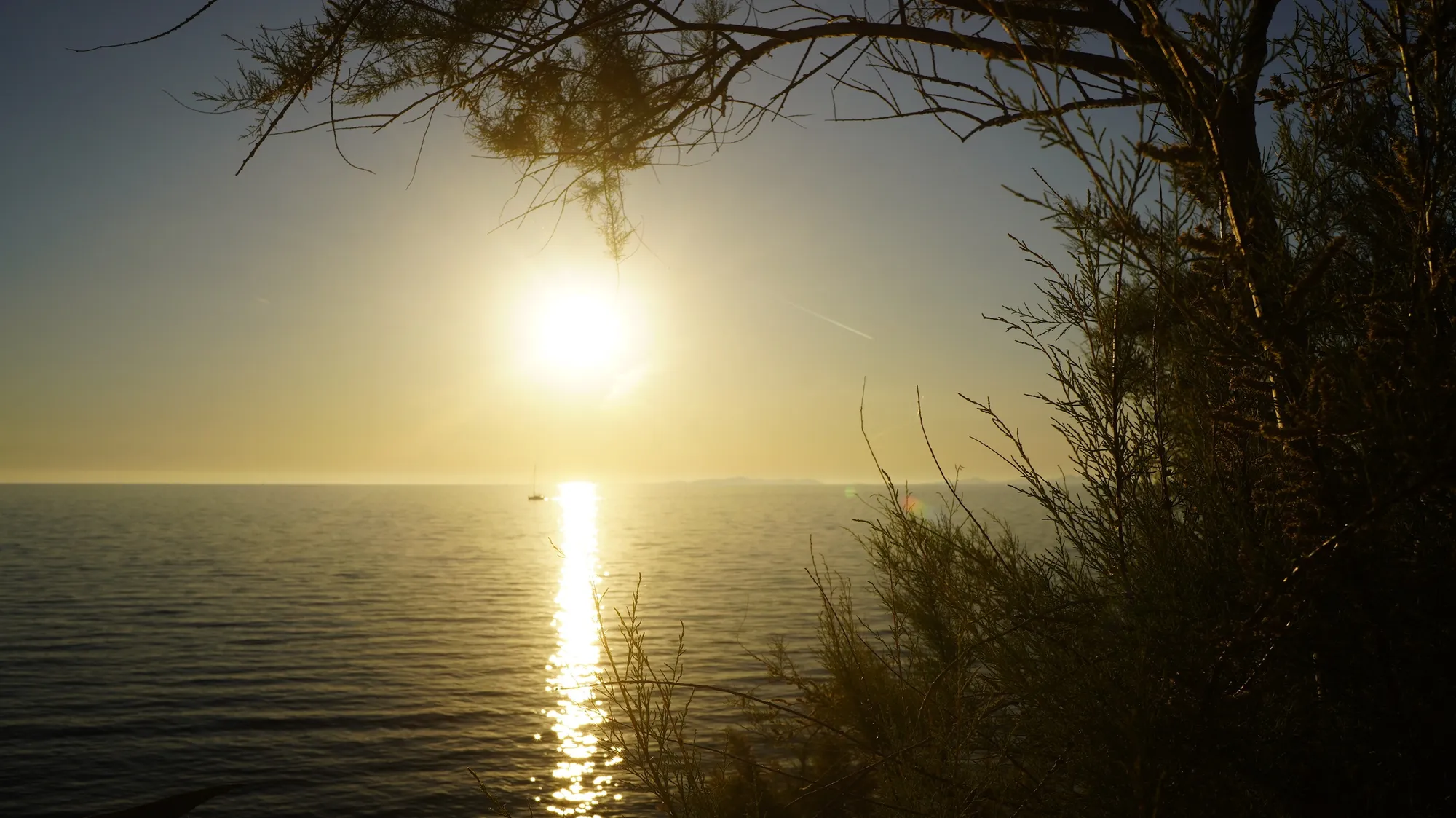
Sunset over the Adriatic Sea near Primosten, Croatia. Golden hour light bathes calm water in warm tones, with a small sailboat on the distant horizon. Rocky vegetation frames the right foreground. Clear skies and gentle conditions.

The Truth on the Street

I've listened to Mana owners for years: in paddocks, at club nights, in owner chats, and in the emails and messages riders send me directly. For the Mana 850 GT the chatter is remarkably consistent. Riders praise the engine, the transmission and the comfort almost in one breath, and the gripes that come up most often are about getting the bike serviced.

The V-twin and CVT pairing

The engine is what owners bring up first. They describe a V-twin with character: smooth, strong from low revs, linear in its response, and with an exhaust note they enjoy listening to. The transmission gets the same amount of praise. Riders consistently call it seamless, and several point out that there's no driveline lash at all. It's in town that the automatic mode earns the most credit: stop-and-go traffic is described as stress-free. Owners who want more involvement say the manual mode gives it to them when they're in the mood. Not everyone is fully sold on the engine at speed, though. Some owners mention a vibey feel during sustained high-rpm highway cruising, and even they don't agree on whether it bothers them. Opinions differ there.

Long days and a hidden helmet locker

Comfort is the other big theme. Riders report long days in the saddle without fatigue, and they credit the spacious ergonomics and a seat they call well padded: firm, but supportive. The fairing's wind protection is rated as decent, with one caveat that surfaces now and then: the stock windscreen can cause noticeable buffeting at highway speed, and taller riders in particular talk about swapping it for an aftermarket one. Then there's the detail owners love to show off. The dummy tank hides a lockable compartment that takes a full-face helmet, and riders call it rare and highly practical. On winding roads the tone turns to surprise: many didn't expect a touring bike to feel this agile and flickable, and the brakes are described as strong and confidence-inspiring. Riders like being surprised that way.

Sparse dealers, pricey belt service

The most repeated complaint has nothing to do with how the bike rides. Owners describe a thin Aprilia dealer network, in North America especially, and the consequences come up again and again: parts are hard to get, qualified servicing is hard to find, and warranty work is a challenge. Some say even arranging a test ride was difficult. A smaller group raises running costs. The CVT belt service comes due every 12,000 miles (19,300 km), and the owners who mention it put the bill at around $900, done at a dealer because it requires special tools. High-mileage riders describe it as a significant recurring expense. And it's dealer work, which leads back to the first complaint.

Known issues

  • CVT shifting failure at high mileage

    drivetrain occasional

    After 20,000-30,000 miles, the CVT can intermittently stop shifting, displaying 'GEAR' on the dash with no error code. The issue may require replacing worn variator bushings or sensors, and can recur if not fully resolved.

  • Electrical corrosion from weather exposure

    electrics rare

    Riding in wet conditions without proper maintenance can lead to corrosion in electrical connectors, causing false ECU faults and potentially expensive repair bills. Regular application of dielectric grease or protective spray is recommended.

  • Intermittent gear‑mode display dropout / shifting failure

    electrics occasional

    Some owners report the transmission mode indicator (Sport/Touring/Rain) disappears from the dash after pulling away from a stop, accompanied by a refusal to upshift. Cycling the ignition resets the fault. Cause often traced to poor electrical connections or corrosion.

The Expert Benchmark

Where this Aprilia Mana 850 pulls ahead of — or falls behind — its rivals on the numbers, and the typical bike in its class on character.

What kind of bike this is — character vs. the class

This bike Class average

The shape of the Aprilia Mana 850 — numbers and character vs. the average Tourer

Head-to-head: Aprilia Mana 850 vs. its rivals

The Long-Haul Verdict

Forget spec-sheet bragging. Here's who the Mana 850 is actually built for.

Aerial view of a winding asphalt road cutting through volcanic terrain on La Gomera, Canary Islands. The road curves through sparse green vegetation with rocky volcanic peaks visible in the background and a settled valley to the left. Clear lane markings, dry climate, partly cloudy sky.

Best motorcycle for Tail of the Dragon?

Closest match of the three, with a catch: the trellis frame and 17-inch tires suit tight corners, but a CVT takes clutch and shifting out of your skill work. Manual mode gives you seven steps to play with.

Made for Tail of the Dragon · Back of the Dragon · Blue Ridge Parkway
Best touring motorcycle for long distance?

Upright ergonomics, a half fairing and an automatic take the work out of long days. For two-up, fully loaded crossings, 76 hp and a 4.2 gal (16 L) tank set the limits.

Made for Beartooth Highway · Blue Ridge Parkway · Going-to-the-Sun Road

Best motorcycle for Highway 1?

For 200 to 400 mi (320 to 640 km) days mixing curves and scenery, the hardware lines up: upright seat, windscreen, V-twin torque, no clutch work. You'll plan fuel stops around 4.2 gal (16 L).

Made for Highway 1 / Big Sur · Black Hills · Blue Ridge Parkway

What's new versus the previous generation

If you're cross-shopping the older generation, here's what changed.

Aprilia Mana 850 (MY2008)

Previous generation · 2008–2009

Aprilia Mana 850 (MY2008)

Automatic Gearbox, Real Motorcycle

Compare to the previous model →

Alternatives to the Aprilia Mana 850

If this one isn't quite the fit, these are the bikes worth riding back-to-back against it.

Any price note compares both bikes at the same age — the youngest age both have on the used market — against this Aprilia Mana 850. “cheaper/pricier” is what that bike costs second-hand, not how worn it is.