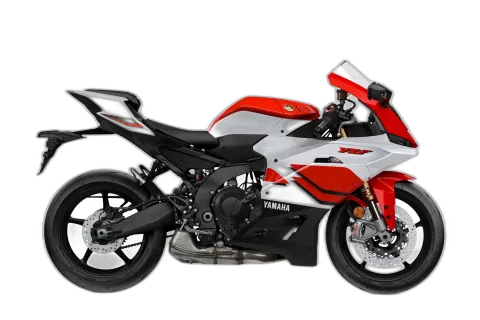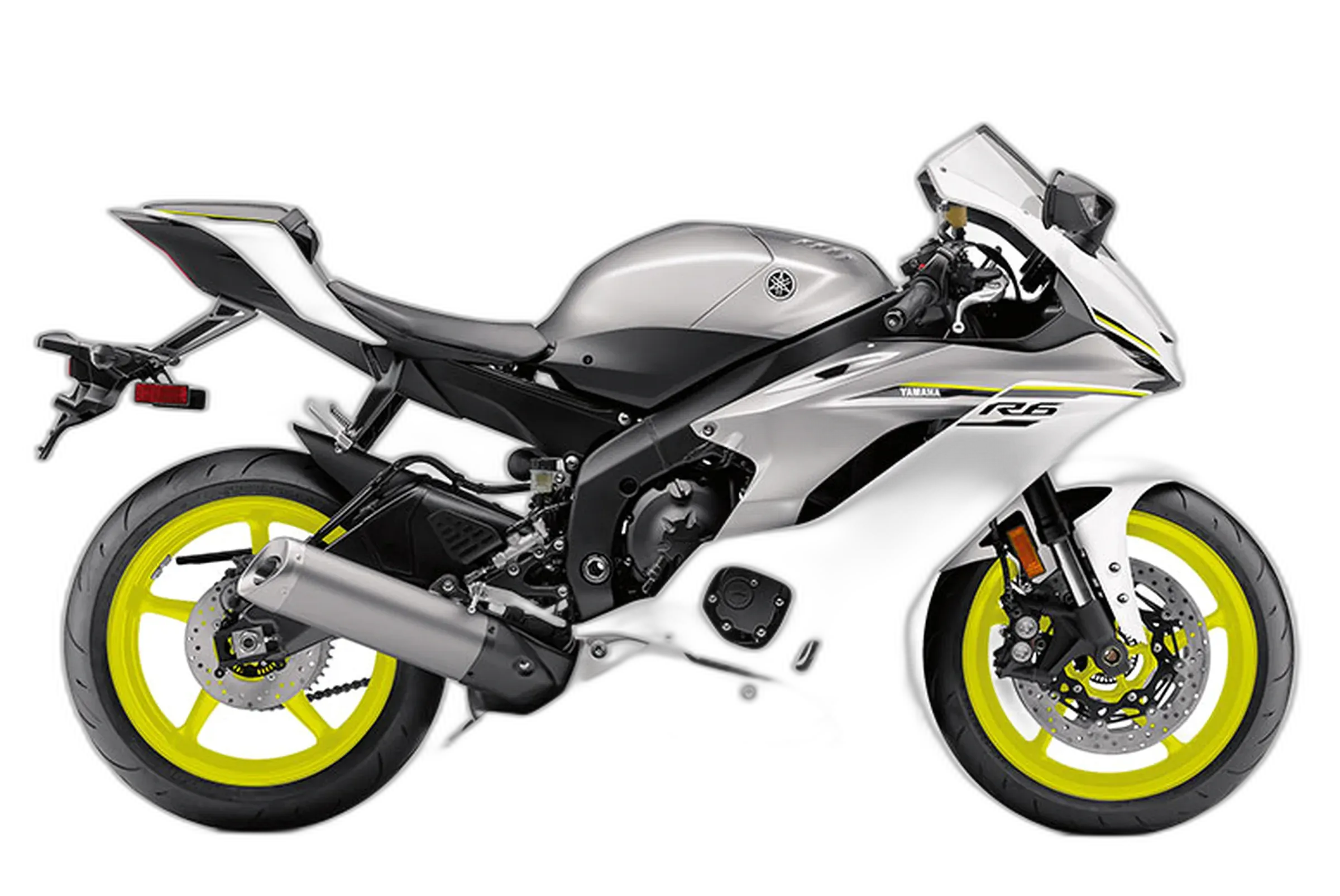
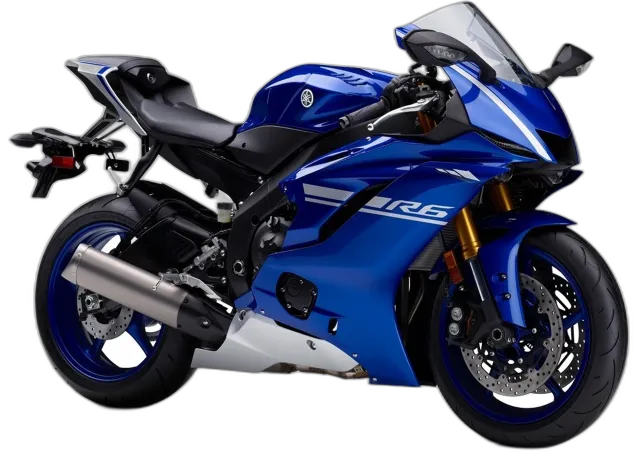
Yamaha YZF-R6 (BN6) — Supersport
NastyNils / Yamaha press archive

2017–2020 · Supersport · Buyer's Guide

YZF-R6 (BN6)

The 600 That Lives At Redline

The Machine's Character

The R6 is a supersport built around the top of its rev range. The 599 cc inline-four makes 118 hp, and almost all of it lives high, spinning hard past 14,000 rpm before it signs off. Yamaha's YCC-T throttle keeps that delivery clean and metered, so the power arrives predictably even when you're chasing the redline. What sets this generation apart is the chassis. It turns in light, holds a line with real precision, and carries corner speed most 600s only promise. This is one of the last true Japanese track-bred supersports of its era, and it rides like it.

On the road it rewards commitment and punishes laziness. Below about 5,000 rpm the engine feels flat, so around-town riding asks for constant gear changes to stay in the meat of the powerband. Riders who use it the way it wants tend to keep it for years; reliability is genuinely strong once you learn its cold-natured warm-up habits. Who is it for? Riders who value precision over easy pace, who want a machine that carves rather than cruises. If you want low-effort torque and all-day comfort, look elsewhere. If you want a scalpel, this is one of the sharpest around.

Hard Numbers

Spec sheets don't ride bikes, but they set the baseline.

Show full specs & equipment Hide specs & equipment
Key specifications
Power 118 hp (87 kW) @ 14,500 rpm
Torque 46 lb-ft (62 Nm) @ 10,500 rpm
Displacement 599 cc
Engine Inline-four
Cooling Liquid-cooled
Gearbox 6-speed
Final drive Chain
Fork Upside-down (USD)
Front tire 120/70 ZR17
Rear tire 180/55 ZR17
Wheelbase 54.1 in (1375 mm)
Seat height 33.5 in (850 mm)
Wet weight 419 lb (190 kg)
Fuel capacity 4.5 gal (17 L)

Equipment check

Chassis

  • Front Suspension Adjustable Standard
  • Rear Suspension Adjustable Standard

Drivetrain

  • Slipper Clutch Standard

Lighting

  • LED Headlight Standard

Safety

  • ABS Standard
  • Traction Control Standard
  • Ride Modes Yamaha YCC-T (Chip Controlled Throttle) Refined throttle responseSelectable ride modes Standard

The Voice of Experience

Portrait of NastyNils

The test ride

Settle onto the R6 and the riding position tells you its priorities before you've moved. The seat sits tall at 33.5 in, the clip-ons are low, and your weight loads onto your wrists the moment you stop. At walking pace it feels like work. Get it rolling and the whole bike shrinks around you. Wind it out and the inline-four hardens into a metallic wail that fills your helmet as the tach sweeps toward five figures. The chassis is the star of the seat time. The front end telegraphs exactly what the tire is doing, so you trust it early and lean it far. Ground clearance is effectively bottomless; you run out of nerve long before you run out of angle. At real road pace it stays composed and planted, never nervous, always talking back to you.

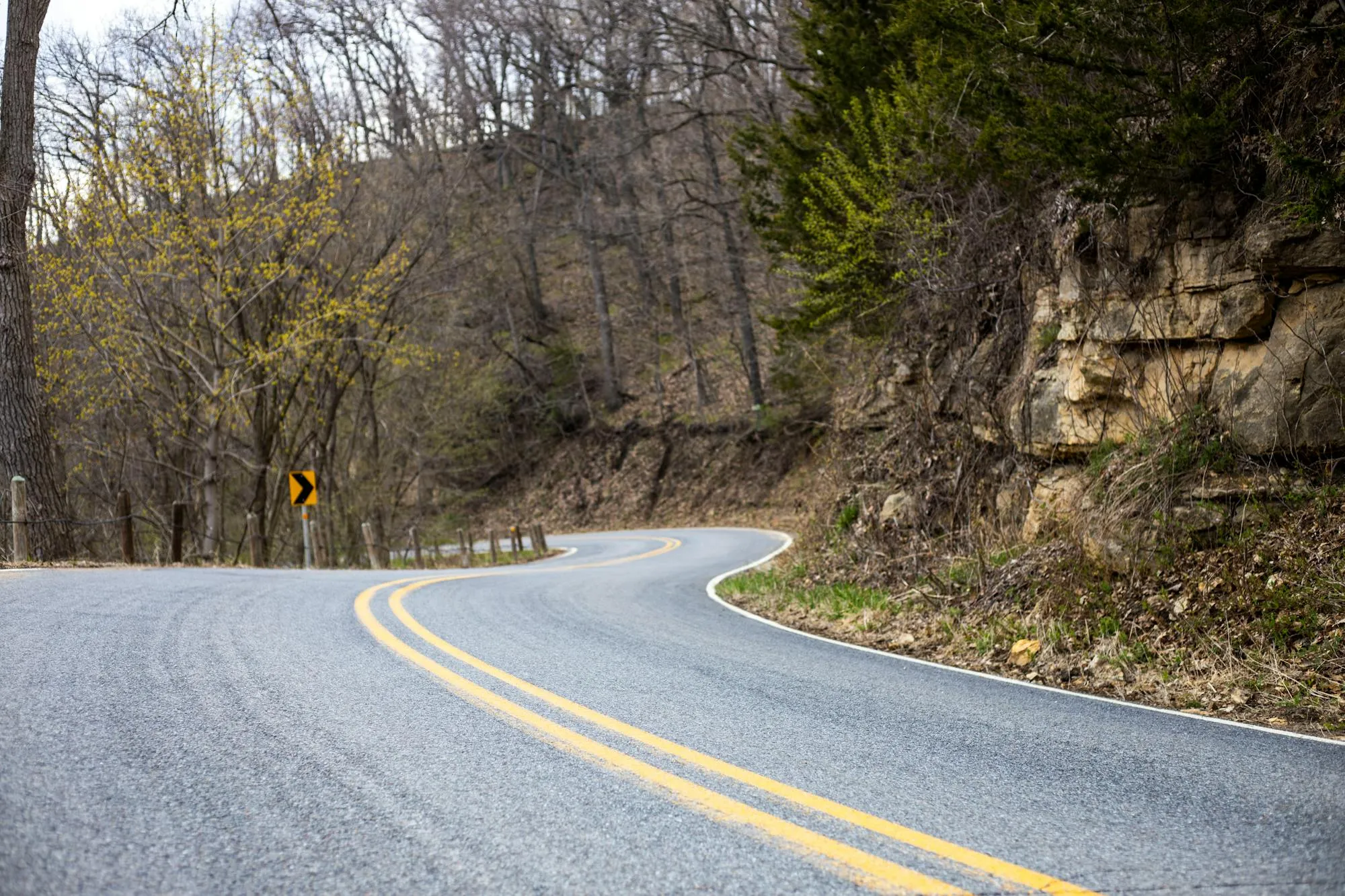
A winding two-lane asphalt road in the Appalachian mountains, photographed in dry daylight. Yellow double-center line markings guide through a series of tight left-hand curves. Dense deciduous and evergreen forest flanks both sides; a rock cut is visible on the right. The road surface and geometry suggest a technical, high-traffic riding corridor popular with motorcyclists.
Chris Flaten / Pexels

The Truth on the Street

None of what follows is my own lap time. It is the collected voice of riders I have heard from over the years, through direct messages, long conversations at events, and the accounts owners share once they have put real miles on one. For this generation of R6 the feedback lines up in a clear pattern. The strongest praise centers on how the bike responds when ridden hard, while the recurring frustration is about how much it demands everywhere else.

How it responds when ridden hard

Riders consistently single out the front end. They describe handling that stays precise and planted through a corner, turn-in that feels quick, and a chassis they trust at speed. The engine's character up high draws its own following, that hard top-end pull as the revs climb and the exhaust note that rides with it. Many rate the brakes highly, with strong stopping power and real feel. The traction control earns steady credit for staying unobtrusive and simple to tune while riding. Underneath it all, owners report the bike holding up with few problems over long mileage, and several are surprised how much varied, all-weather use it absorbed for something so track-focused. Its record in production racing comes up often as proof the platform works.

What it asks of you

The gripes are just as consistent. The one raised most is the lack of usable power down low; until the engine wakes up it feels weak, so ordinary riding means working the gearbox to keep it alive. The riding position takes its share too, aggressive enough that longer stints wear on riders who aren't conditioned for it. Track-focused owners flag the ABS, which stays on with no way to disable it and can step in during hard braking when they would rather it did not. Some feel this version gave up a little of the old top-end ferocity. The instruments draw complaints for looking dated beside rivals, with no fuel gauge at all. And a number return to the price, hard to justify for a bike that only truly comes alive on a circuit.

Known issues

  • EXUP servo motor seizes/sticks

    exhaustoccasional

    The EXUP exhaust valve servo motor can seize or stick, particularly on bikes that sit unused for extended periods. Triggers Error Code 18 on the instrument panel. The valve mechanism that controls exhaust flow optimization becomes inoperable. Failure can occur from corrosion, lack of use, or age.

  • Cold start difficulties / rough idle when cold

    fuel systemoccasional

    The engine can struggle to start or idle rough immediately after cold start, particularly in cold weather. Once up to operating temperature, the issue resolves. Yamaha acknowledged this with a 2017-2018 technical service bulletin (TSB). ECU cold-start enrichment map may need optimization.

The Expert Benchmark

Where this Yamaha YZF-R6 pulls ahead of — or falls behind — its rivals on the numbers, and the typical bike in its class on character.

What kind of bike this is — character vs. the class

This bike Class average

The shape of the Yamaha YZF-R6 — numbers and character vs. the average Supersport

Head-to-head: Yamaha YZF-R6 vs. its rivals

The Handshake Score

Forget spec-sheet bragging. Here's who the YZF-R6 is actually built for.

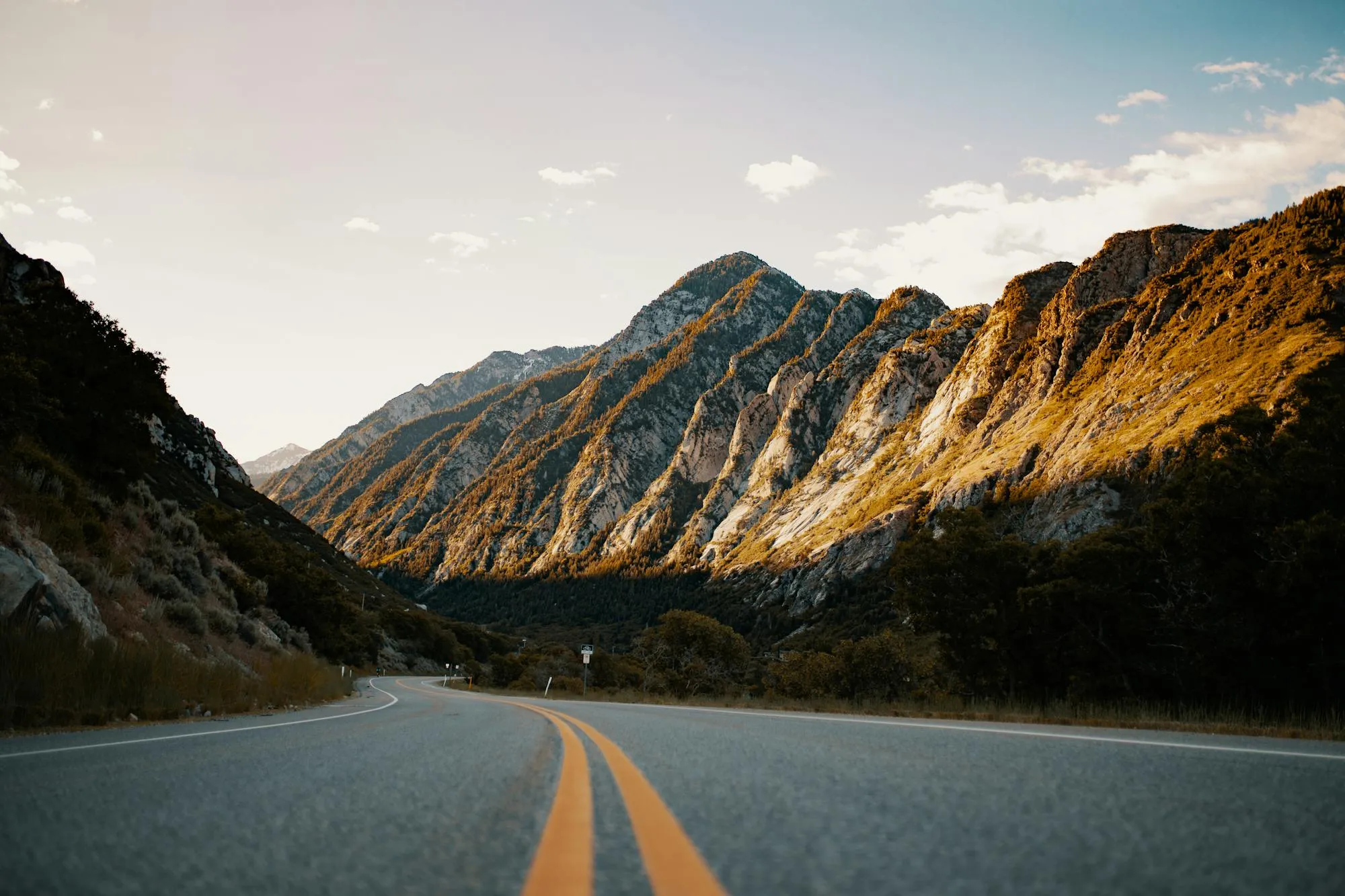
A scenic view of Angeles Crest Highway winding through rugged Southern California canyon terrain. Rocky mountainsides with golden earth tones frame the asphalt road with tight sweeping curves. Double yellow center line visible, sparse vegetation along the shoulders, clear blue sky with white clouds. Daylight, dry conditions. Iconic location for canyon-road enthusiasts.
Josh Sorenson / Pexels

Best motorcycle for Angeles Crest?

On Angeles Crest this bike is in its element: light, precise and endlessly leanable. Just know it wants revs and commitment, so lazy canyon cruising isn't its language.

Made for Angeles Crest Highway · Coronado Trail / US 191 · Highway 1 / Big Sur
Best motorcycle for Laguna Seca?

This is exactly what you're after. A pure track tool with surgical turn-in, huge lean angle and a front end that lets you brake deep and nail the apex with confidence.

Made for Barber Motorsports Park · WeatherTech Raceway Laguna Seca · Circuit of the Americas

Best motorcycle for Tail of the Dragon?

For tight work on the Dragon and Blue Ridge it rewards clean inputs and skill over speed. Keep it spinning and it carves the technical stuff beautifully.

Made for Back of the Dragon · Blue Ridge Parkway · Cherohala Skyway

What's new versus the previous generation

If you're cross-shopping the older generation, here's what changed.

Yamaha YZF-R6 (13S)

Previous generation · 2008–2016

Yamaha YZF-R6 (13S)

Track Weapon, Street Optional

Compare to the previous model →

Alternatives to the Yamaha YZF-R6

If this one isn't quite the fit, these are the bikes worth riding back-to-back against it.

Any price note compares both bikes at the same age — the youngest age both have on the used market — against this Yamaha YZF-R6. “cheaper/pricier” is what that bike costs second-hand, not how worn it is.