KTM 1190 RC8 R (MY2012) — Supersport
NastyNils / KTM Press

2012–2015 · Supersport · Buyer's Guide

1190 RC8 R (MY2012)

Torque, Trellis, Zero Compromise

The Machine's Character

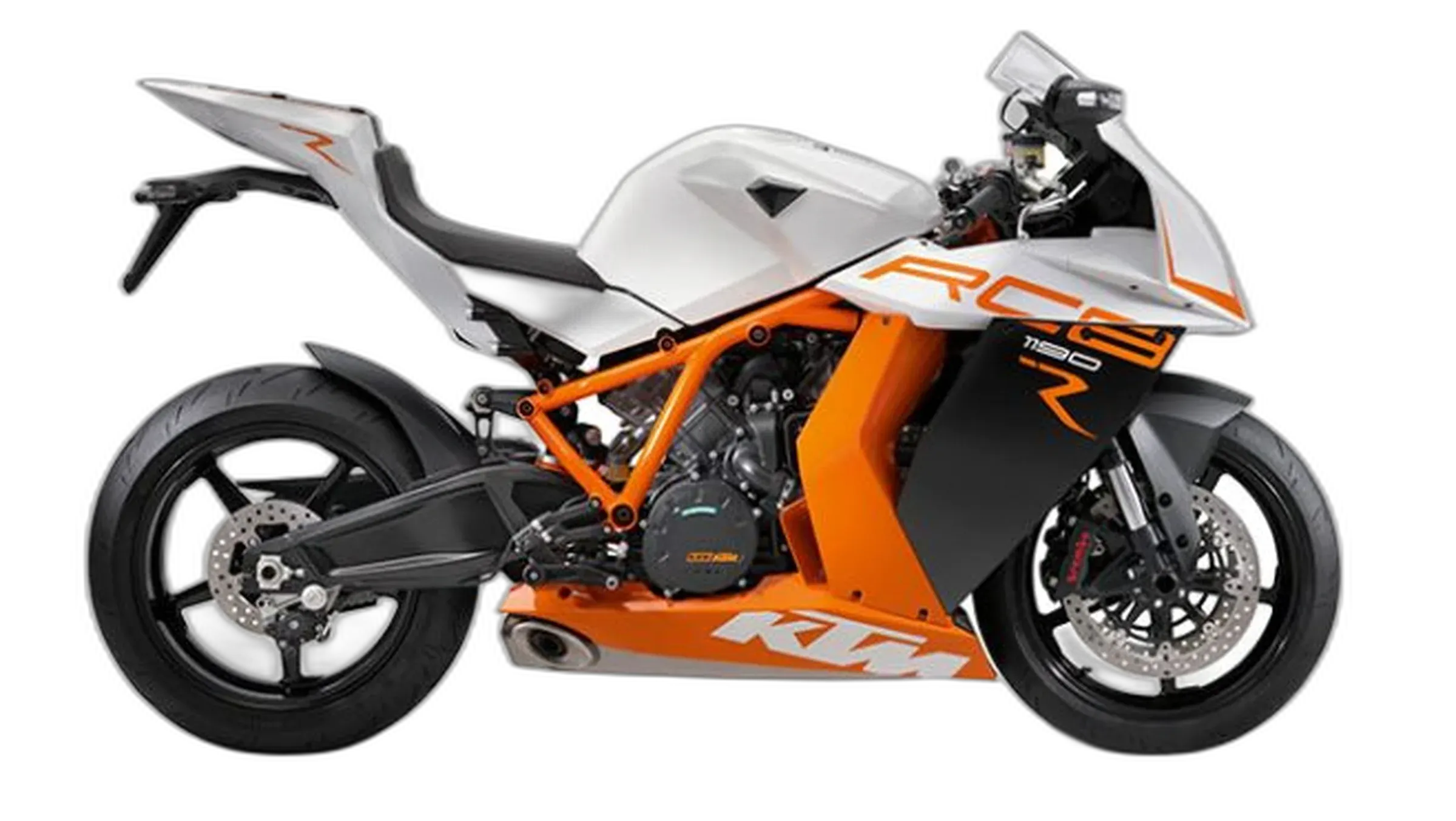
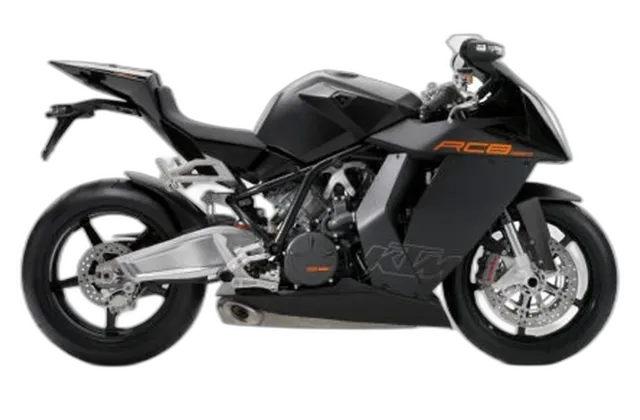
KTM built exactly one superbike, and this is it. The 1195 cc 75° V-twin puts 175 hp and 94 lb-ft into a steel trellis frame wrapped in fully adjustable WP suspension, and the whole thing is tuned for feedback rather than insulation. Where the class chases peak revs, the RC8 R leans on a wall of low-rpm torque that makes it feel bigger than the numbers read. A slipper clutch and twin-spark heads sharpen the package. What it skips is the deep electronics suite the class now runs, and that absence shapes its whole character.

This is a machine for the rider who wants to feel the front tire working and let torque handle the corner-exit math. It rewards technical, tight roads and circuits where drive off the apex matters more than terminal speed. The engine is tractable enough for real street use, so mountain-road Saturdays don't punish you. The honest caveat: on a fast, open layout the top end runs thin against the quickest bikes in the class, and the thin rider-aid package leaves more responsibility on you. Buy it for intensity, not for insulation.

Hard Numbers

Spec sheets don't ride bikes, but they set the baseline.

Show full specs & equipment Hide specs & equipment
Key specifications
Power 175 hp (129 kW) @ 10,250 rpm
Torque 94 lb-ft (127 Nm) @ 8,000 rpm
Displacement 1195 cc
Engine 75° V-twin
Cooling Liquid-cooled
Gearbox 6-speed
Final drive Chain
Fork Upside-down (USD)
Front brake 320 mm
Front tire 120/70-17
Rear tire 190/55-17
Wheelbase 56.1 in (1425 mm)
Seat height 31.7 in (805 mm)
Fuel capacity 4.4 gal (16.5 L)

Equipment check

Chassis

  • Front Suspension Adjustable Standard
  • Rear Suspension Adjustable Standard
  • Steering Damper Standard

Drivetrain

  • Slipper Clutch Standard

Safety

  • ABS Optional

The Voice of Experience

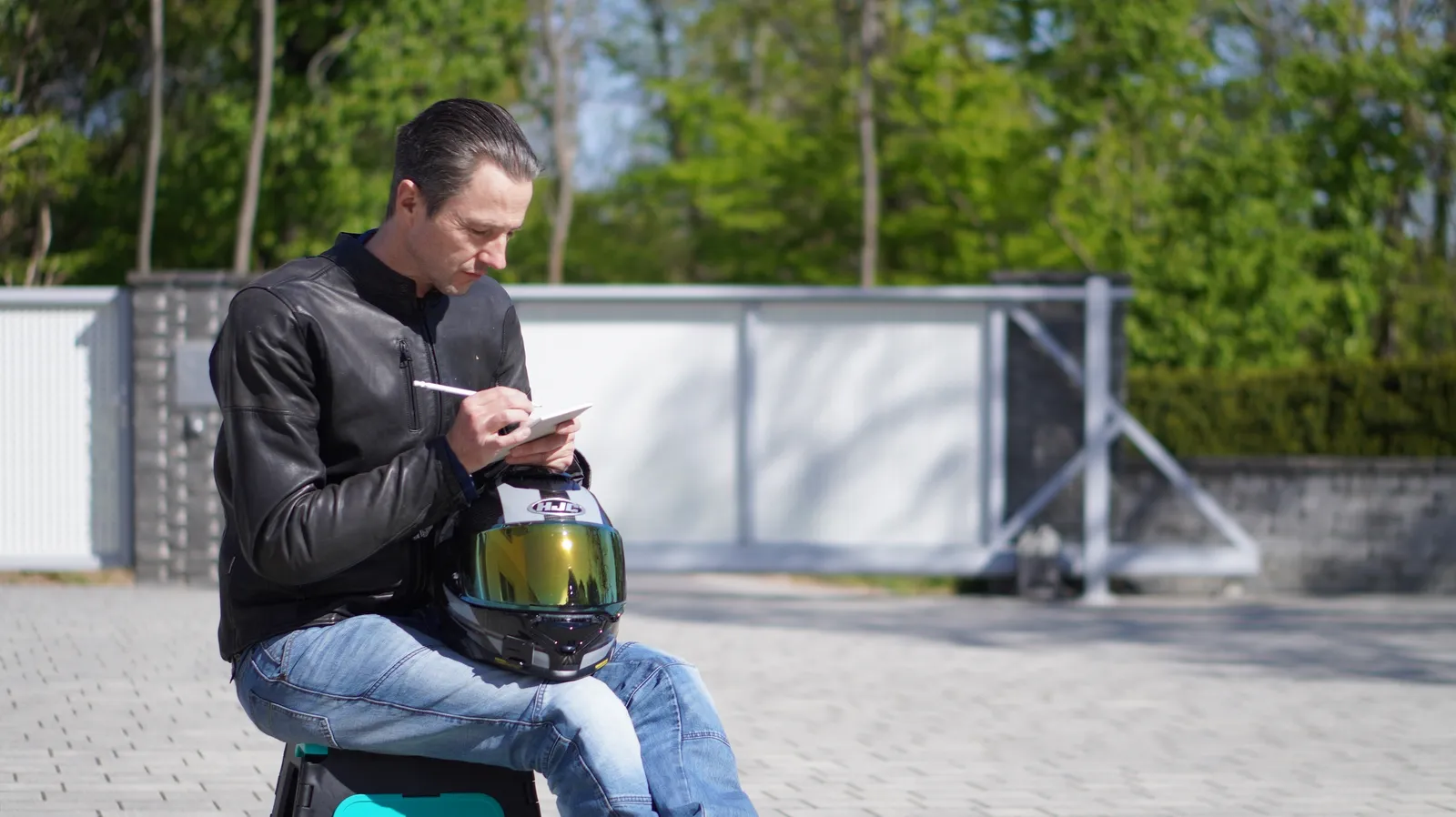
Portrait of NastyNils

The test ride

Swing a leg over and the first thing you notice is how upright and reasonable it feels for a superbike. That road-friendly position pays off over a long day on back roads, though on a circuit you sit taller than you'd like. The V-twin fills the space with a hard, uneven bark and a pulse you feel through the pegs and tank, mechanical and alive rather than sanitized. Flick it into a chicane and it drops in light on its feet, following your body without argument. Seat height and footpeg position both adjust in minutes, so dialing in the fit costs you almost nothing. The one thing that nags on track is the short gearing, which keeps your left foot busy far more than you'd expect.

Rated point by point — where it earns its keep

My own 0–100 score for this bike against the class, area by area — the marker on each bar is the class average.

The chassis is the part of this bike I trust most. The WP setup is calibrated with real thought, so it sits settled when you load it and stays completely readable about what the tires are doing, yet it still changes direction the instant you ask. Thread it through a tight radius and it stays composed; carry speed and it holds its line without going vague, and the move between those two states is predictable enough that you stop thinking about it. In a quick chicane it drops from one lean to the other lightly and hits the mark, which is exactly what a technical circuit rewards. The one wall I found is ground clearance. Push at genuine track pace and the geometry runs out before you do; a fast rider will scrape the pegs and want more room to lean harder. On the road that never once comes up.

This is where the V-twin pays you back. Out of a corner the rear digs in the instant you crack the throttle, and the blend of that drive and real grip means fast exits come almost on their own; you're not fighting for them, they just show up. There's genuine breadth on top of that. The motor is civilized enough to enjoy across a wide range of conditions, so a rider who spends more Saturdays on a good mountain road than at a circuit still comes away well served by it.

What I keep coming back to on the RC8 R is the shape of the power. The V-twin leans on a fat wedge of low-rev torque and shoves you forward from almost anywhere in the range, so the motor feels bigger and stronger than the peak numbers suggest. That character is tailor-made for tight, technical work, where you're driving off the bottom rather than chasing revs. The honest limit lives up high. Against the quickest bikes in the class the KTM runs out of road on anything with a real straight, and once the speed climbs they walk away from you. On a short, twisty layout the gap barely registers. Give the track room to breathe and you feel it plainly, and there's no way around it.

The brakes themselves I have no complaint with; they earned solid marks for stopping power and feel. The catch shows up in the chassis rather than the calipers. Drive deep into a stop with real intent and the bike gives up a little of its composure, picking up a slight nervousness right where you're loading it hardest. It never turned dramatic and it never got away from me, but it's consistent enough that I clocked it every time I was truly on the anchors.

For a superbike this thing treats you kindly. The riding position is relaxed and reasonable, which is a real asset on a long day threading back roads, and it stays genuinely comfortable in a way this class rarely bothers with. That same geometry works against you once the pace turns serious on a circuit, where you want to sit lower and more aggressive over the front. I read it as a built-in trade-off, not a flaw: the ergonomics that make it pleasant on the road are the ones that hold you back at track speed. What softens the compromise is how quickly the bike adapts to you. Seat height and footpeg position both reset with a few minutes of work and no tools, so you can move the whole fit toward your body or your riding style before you ever turn a wheel. For anyone splitting time between road and circuit, that flexibility earns its keep.

Two things ask more of you here than the class standard does. For a company with this reputation the rider-aid suite is notably sparse; you feel its thinness most in the moment you want to lean on it and find little there. The gearbox is the other one, stacked short so a track session has you working the lever nonstop to hold the motor in its sweet spot. Neither bothers you much on the street, but both hand you work the faster bikes simply don't.

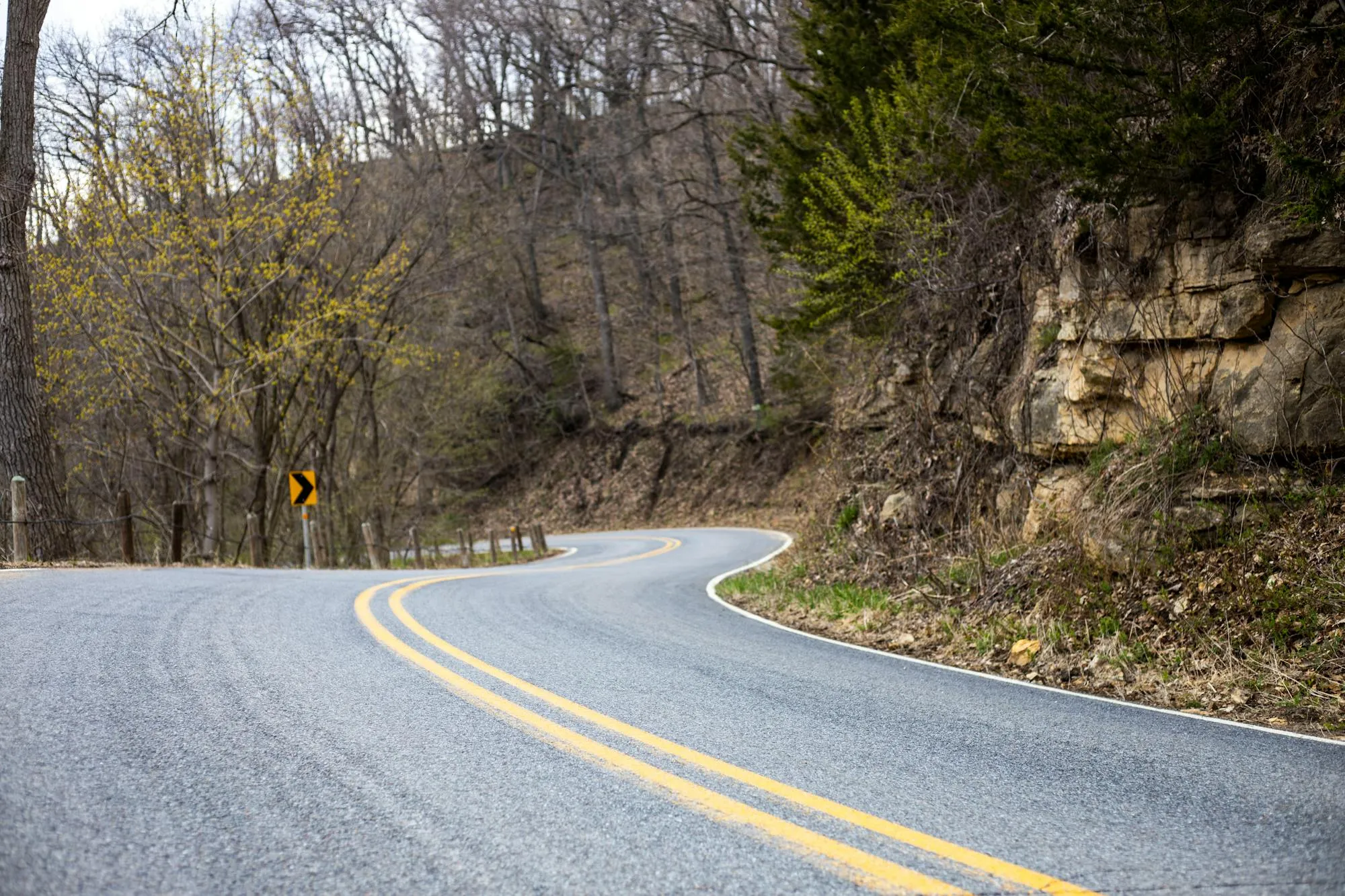
A winding two-lane asphalt road in the Appalachian mountains, photographed in dry daylight. Yellow double-center line markings guide through a series of tight left-hand curves. Dense deciduous and evergreen forest flanks both sides; a rock cut is visible on the right. The road surface and geometry suggest a technical, high-traffic riding corridor popular with motorcyclists.
Chris Flaten / Pexels

The Truth on the Street

This read doesn't come from a single test day. It's stitched together from years of listening to riders: the online discussions I follow, paddock conversations, and the emails and messages owners send me directly. For the RC8 R the chatter settles in a consistent place, with the praise and the gripes both landing in the same spots year after year.

What riders keep praising

Two notes dominate the praise. Riders trust the chassis, describing sharp, agile steering with real stability and enough forgiveness to work on the road as much as on a track day. The V-twin draws the same enthusiasm for how hard it pulls and how freely it revs, and owners single out that character as the bike's highlight. Close behind is the look: they call the sharp bodywork and exposed orange frame genuinely distinctive next to conventional fully-faired machines, a bike that still turns heads.

Where the gripes cluster

The complaints are just as steady. The loudest is the electronics: no ride modes, no traction control, no modern dash, which riders regularly note leaves it behind newer rivals. Some owners flag the seat, calling the padding thin and firm enough to punish a long ride. A smaller group points at running costs, noting that servicing gets intricate, wants a KTM-trained hand, and that the valve checks run expensive.

Known issues

  • Plastic fuel quick-connector failure

    fuel systemoccasional

    The plastic fuel line quick-disconnect can become brittle and snap, causing sudden fuel loss. Many owners replace it with a metal aftermarket coupling as a preventative measure.

  • Sprag clutch damage from weak battery

    enginerare

    Insufficient battery voltage during starting can damage the sprag clutch, resulting in a squealing noise on startup. Ensuring a healthy battery is critical.

  • False neutrals and imprecise shifting

    drivetrainoccasional

    Aggressive upshifts at high rpm often result in false neutrals; the issue is exacerbated by a weak shift star. Aftermarket spindle braces and upgrade kits are common fixes.

  • Excessive oil consumption during break-in

    engineoccasional

    Some new engines consume a notable amount of oil during the first few thousand km, requiring careful monitoring. The issue typically subsides after thorough run-in.

  • Coolant reservoir cap leak

    coolingrare

    The cap and hose on the coolant reservoir can become loose, leading to minor coolant weeping. Securing with zip ties or replacing the cap is a simple fix.

The Expert Benchmark

Where this KTM 1190 RC8 R pulls ahead of — or falls behind — its rivals on the numbers, and the typical bike in its class on character.

What kind of bike this is — character vs. the class

This bike Class average

The shape of the KTM 1190 RC8 R — numbers and character vs. the average Supersport

Head-to-head: KTM 1190 RC8 R vs. its rivals

The Handshake Score

Forget spec-sheet bragging. Here's who the 1190 RC8 R is actually built for.

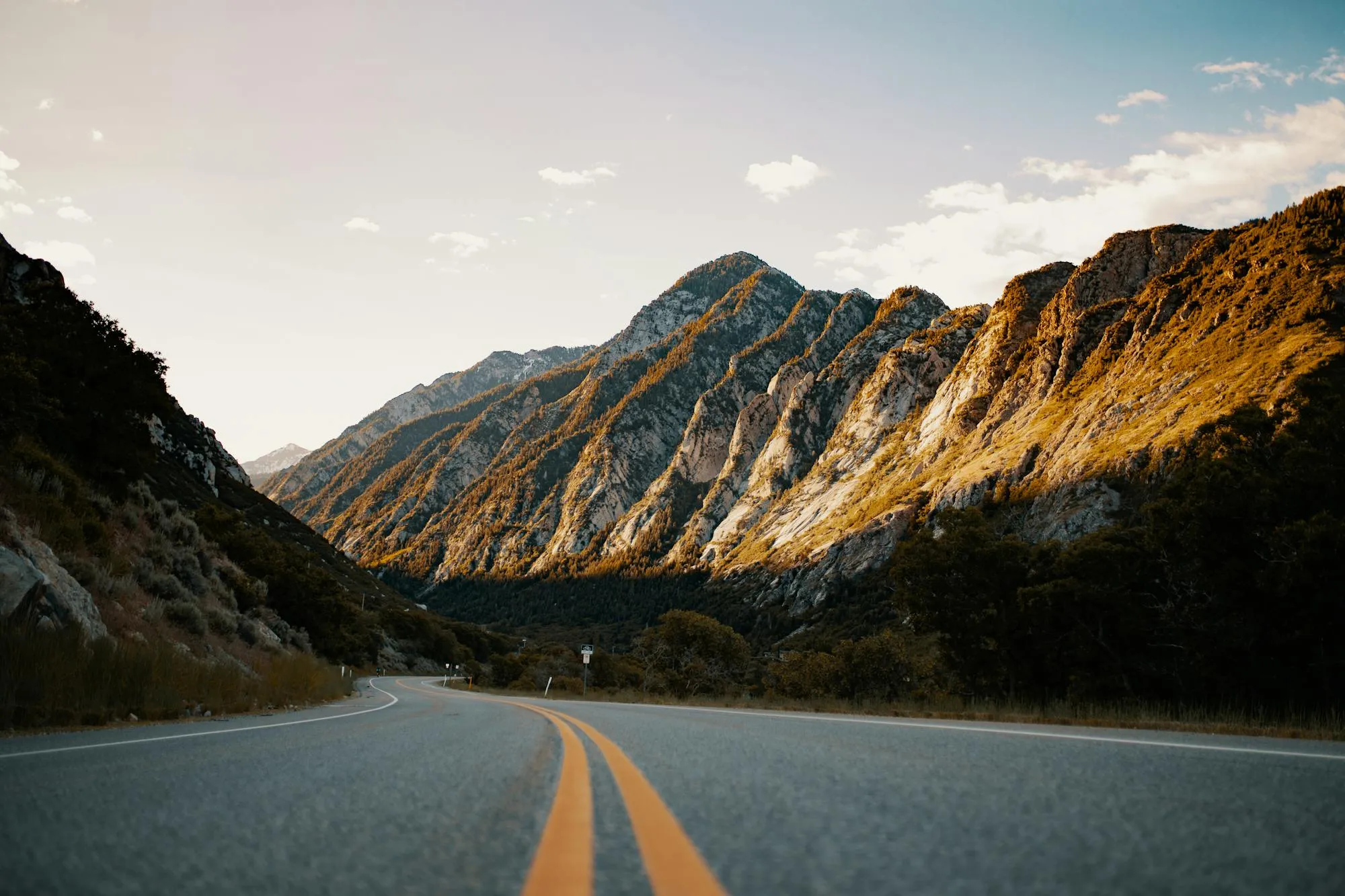
A scenic view of Angeles Crest Highway winding through rugged Southern California canyon terrain. Rocky mountainsides with golden earth tones frame the asphalt road with tight sweeping curves. Double yellow center line visible, sparse vegetation along the shoulders, clear blue sky with white clouds. Daylight, dry conditions. Iconic location for canyon-road enthusiasts.
Josh Sorenson / Pexels

Best motorcycle for Angeles Crest?

For your canyon Saturdays this KTM is right at home: torque-rich, precise, and quick to change direction. You'll love the drive off tight corners, and the road-friendly position keeps a long day pleasant.

Made for Angeles Crest Highway · Coronado Trail / US 191 · Highway 1 / Big Sur
Best motorcycle for Tail of the Dragon?

This is your kind of road: tight, technical, precision over speed. The RC8 R flicks between radii easily and drives hard off slow corners, and the road-friendly position makes a full day on the twisties doable.

Made for Back of the Dragon · Blue Ridge Parkway · Cherohala Skyway

Best motorcycle for Laguna Seca?

On a tight, technical track the drive and agility reward you. Push hard, though, and you'll find the peg feelers, thin rider aids, and a top end the fastest bikes stretch away from. Better for skill work than lap-time wars.

Made for Barber Motorsports Park · WeatherTech Raceway Laguna Seca · Circuit of the Americas

What's new versus the previous generation

If you're cross-shopping the older generation, here's what changed.

KTM 1190 RC8 R (MY2009)

Previous generation · 2009

KTM 1190 RC8 R (MY2009)

Orange Attack, Zero Filter

Compare to the previous model →

Alternatives to the KTM 1190 RC8 R

If this one isn't quite the fit, these are the bikes worth riding back-to-back against it.

Any price note compares both bikes at the same age — the youngest age both have on the used market — against this KTM 1190 RC8 R. “cheaper/pricier” is what that bike costs second-hand, not how worn it is.