Kawasaki Ninja 125 (MY2019) — Supersport
Kawasaki press archive

2019 · Supersport · Buyer's Guide

Ninja 125 (MY2019)

3.5 / 5 NastyNils Rating · against its class

The Full-Size Learner Starter

The Machine's Character

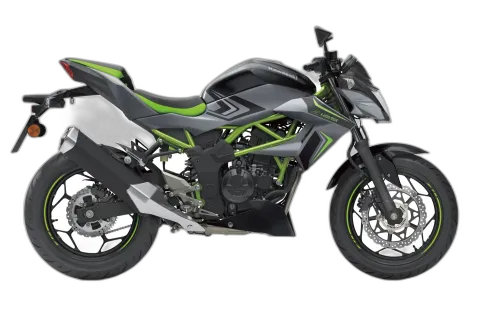
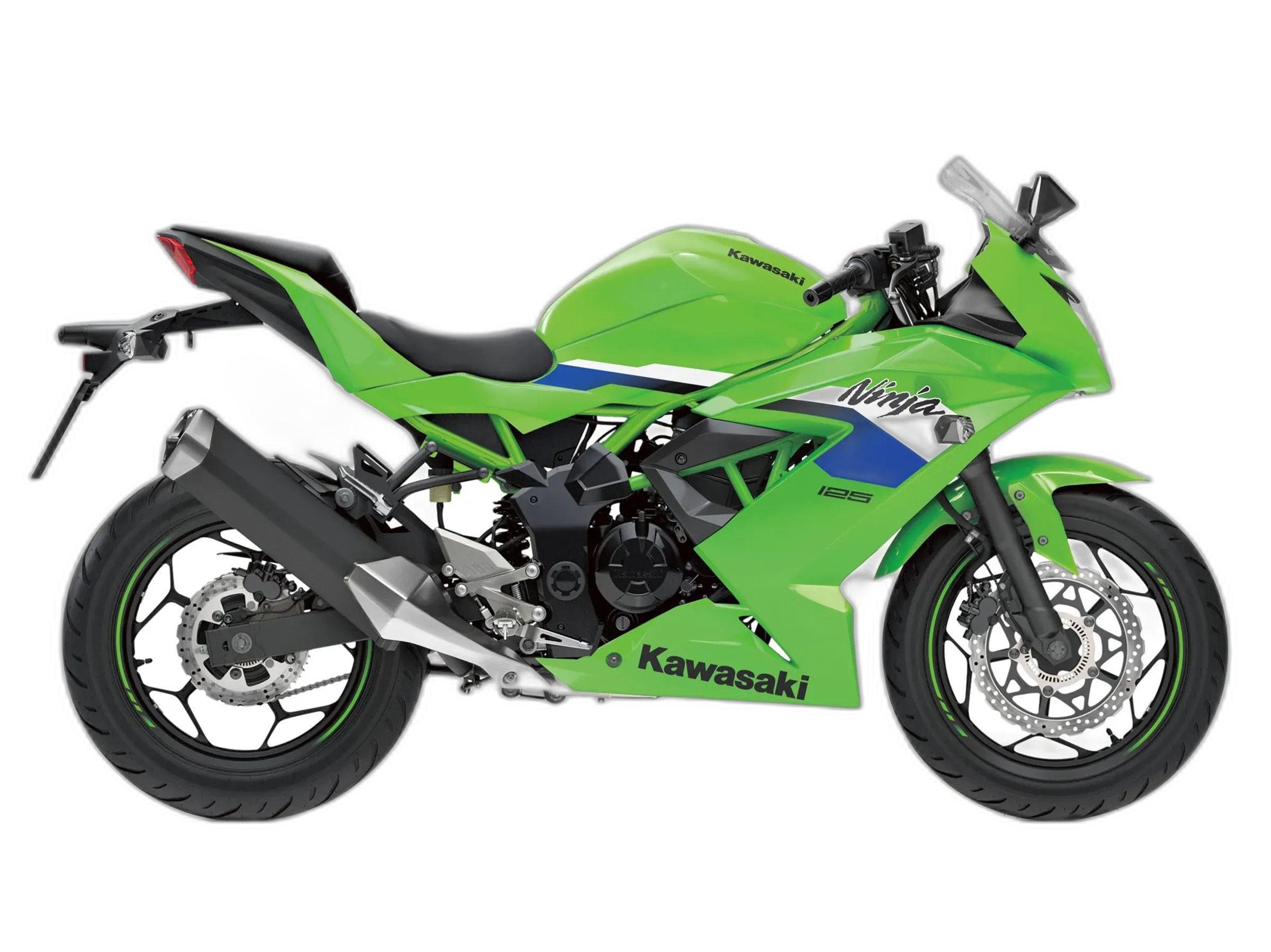
Kawasaki built this one on a full-size chassis rather than a shrunken one, and that decision defines it. The 125 cc liquid-cooled single makes 15 hp at 10,000 rpm and 9 lb-ft at 7,700 rpm through a 6-speed box, sitting in a frame that carries proper 17-inch wheels with a 100/80 front and 130/70 rear. Wet weight is 326 lb, seat height 30.9 in. The engine is the same unit that powers the naked Z125. Electronics stay deliberately plain: ABS is standard, and there is nothing else to scroll through. From twenty feet it reads as a Ninja, and for most buyers that counts.

It ages the way small Kawasakis usually do, which is to say quietly. The rear shock takes preload, so you set it for your weight; the fork is fixed and asks nothing of you. Running costs stay low, the 2.9 gal tank lasts at this output, and parts support is deep enough that people keep changing things on these bikes for years. This is for the rider who wants real sportbike shape and geometry without a heavy or expensive machine underneath it. The honest caveat is the 15 hp ceiling. You plan your overtakes, and a long freeway leg is work rather than travel.

Hard Numbers

Spec sheets don't ride bikes, but they set the baseline.

Show full specs & equipment Hide specs & equipment
Key specifications
Power 15 hp (11 kW) @ 10,000 rpm
Torque 9 lb-ft (12 Nm) @ 7,700 rpm
Displacement 125 cc
Engine Single-cylinder
Cooling Liquid-cooled
Gearbox 6-speed
Front tire 100/80-17
Rear tire 130/70-17
Seat height 30.9 in (785 mm)
Wet weight 326 lb (148 kg)
Fuel capacity 2.9 gal (11 L)

Equipment check

Chassis

  • Rear Suspension Adjustable Standard

Safety

  • ABS Standard
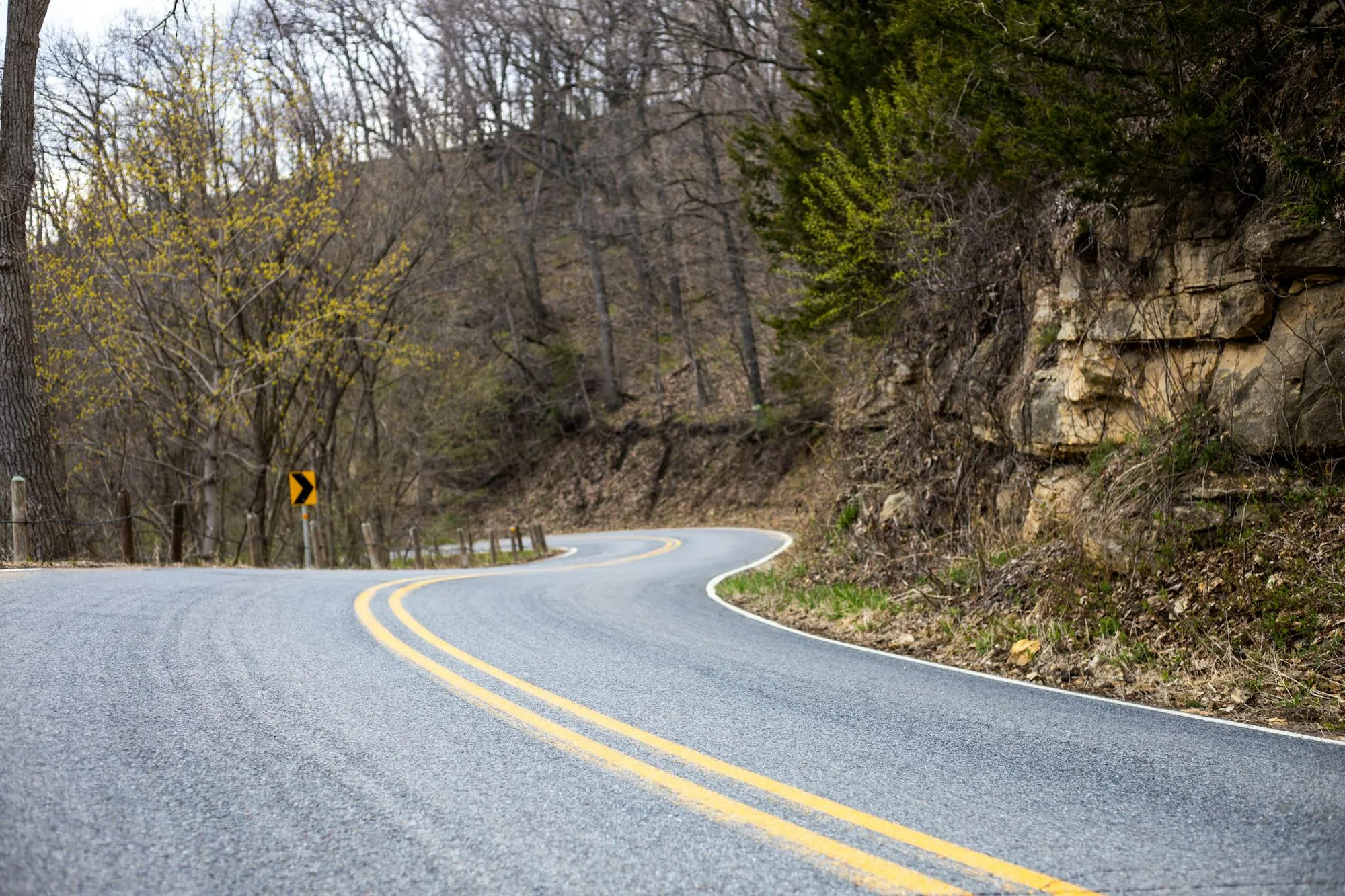
A winding two-lane asphalt road in the Appalachian mountains, photographed in dry daylight. Yellow double-center line markings guide through a series of tight left-hand curves. Dense deciduous and evergreen forest flanks both sides; a rock cut is visible on the right. The road surface and geometry suggest a technical, high-traffic riding corridor popular with motorcyclists.
Chris Flaten / Pexels

The Truth on the Street

This isn't my test note. It's what riders have told me over the years: paddock talk, club-night conversations, and the messages owners send me directly. On the Ninja 125 the chatter runs consistent. What comes up first is almost always the engine, and how it wants to be worked.

The engine rewards a busy right hand

The strongest recurring note is that the engine wants revs and only pays out at the top of the range. Owners call it lively and eager up there, and they ride it that way on purpose. Riders also report a chassis that holds its line without punishing them over broken pavement, sporty but still compliant. Durability comes up repeatedly: owners with real miles say the motor simply keeps running.

Where the complaints cluster

The gripes are fewer and quieter. Some owners single out a harmonic drone around 7,000 rpm, a noise a few describe as siren-like. Others mention how flat it feels below 6,500 rpm, and how keeping pace on open roads turns into constant downshifting and thrashing that wears on you over distance. The dash draws occasional criticism as well, dated in look and without a gear indicator or shift light.

Known issues

  • Intermittent starting problem

    electrics rare

    Some owners report the bike sometimes fails to start, with a rapid clicking sound (potential starter relay or wiring fault).

  • Early paint fading on steering yoke and ignition barrel

    bodywork occasional

    Some owners report that the paint on the steering yoke and around the ignition barrel can fade prematurely, even on low-mileage bikes.

The Expert Benchmark

Where this Kawasaki Ninja 125 pulls ahead of — or falls behind — its rivals on the numbers, and the typical bike in its class on character.

What kind of bike this is — character vs. the class

This bike Class average

The shape of the Kawasaki Ninja 125 — numbers and character vs. the average Supersport

Head-to-head: Kawasaki Ninja 125 vs. its rivals

The Handshake Score

Forget spec-sheet bragging. Here's who the Ninja 125 is actually built for.

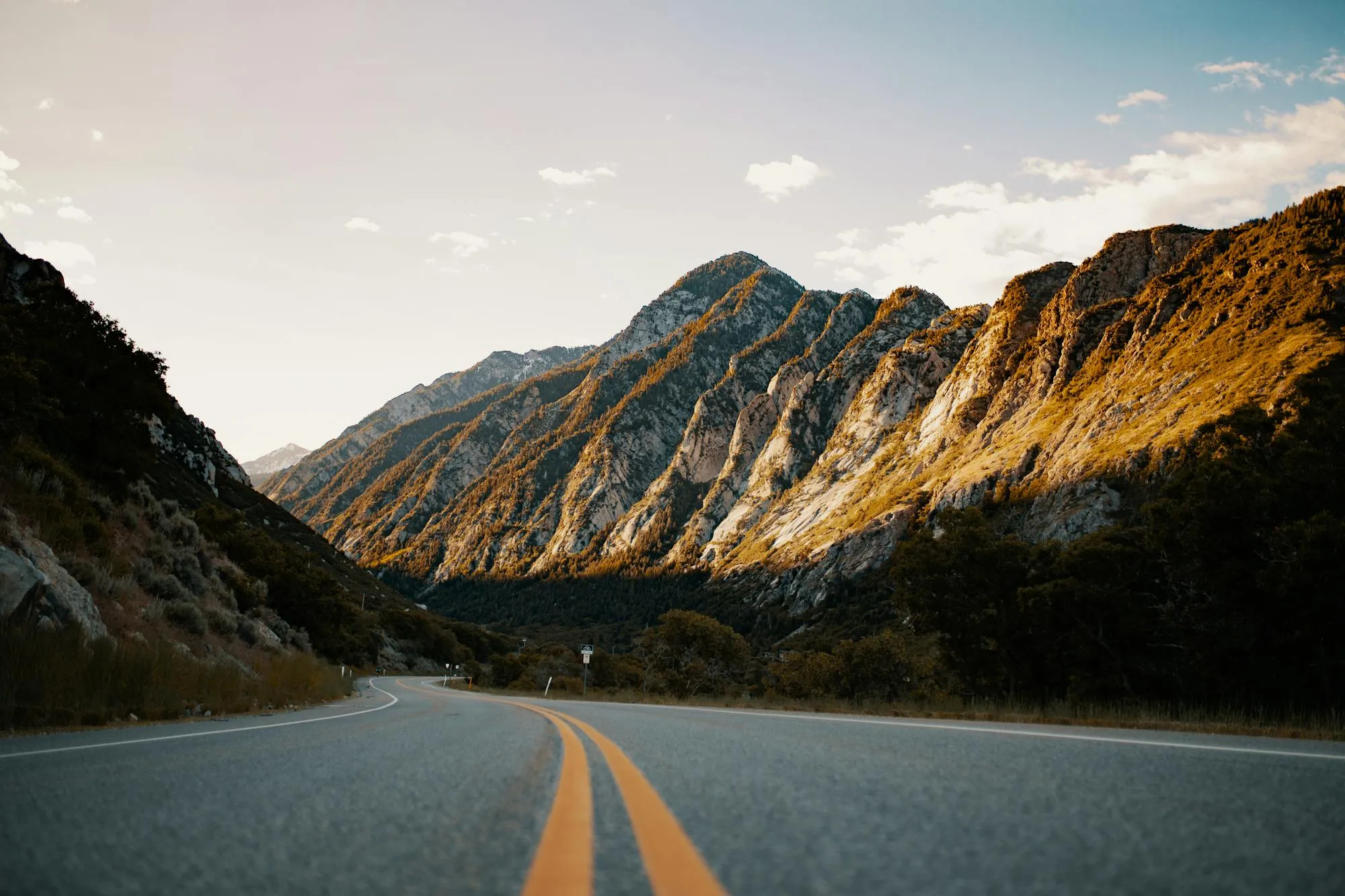
A scenic view of Angeles Crest Highway winding through rugged Southern California canyon terrain. Rocky mountainsides with golden earth tones frame the asphalt road with tight sweeping curves. Double yellow center line visible, sparse vegetation along the shoulders, clear blue sky with white clouds. Daylight, dry conditions. Iconic location for canyon-road enthusiasts.
Josh Sorenson / Pexels

Best motorcycle for Angeles Crest?

On Angeles Crest you'll carry more corner speed than the spec sheet suggests, but you will get dropped on every straight and on the climb out of town. A fine skill bike, not a match for fast canyon company.

Made for Angeles Crest Highway · Coronado Trail / US 191 · Highway 1 / Big Sur
Best motorcycle for Tail of the Dragon?

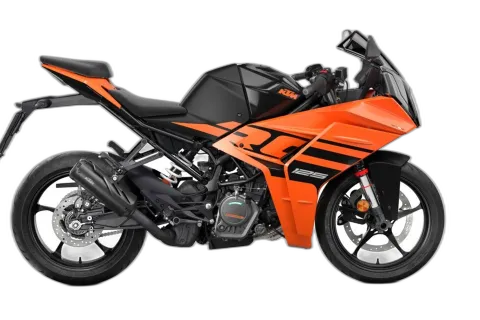
This is the right tool for working on lines, brake release and corner speed at the Dragon, because it rewards precision instead of horsepower. Getting there from Atlanta or Charlotte is the hard part.

Made for Back of the Dragon · Blue Ridge Parkway · Cherohala Skyway

Best motorcycle for Texas Hill Country?

It suits the tighter Hill Country loops and costs next to nothing to keep on the road. The long open Texas miles between the good roads are where 15 hp starts to feel like a long afternoon.

Made for Austin / Texas Hill Country · Twisted Sisters · Austin / Handbuilt Motorcycle Show