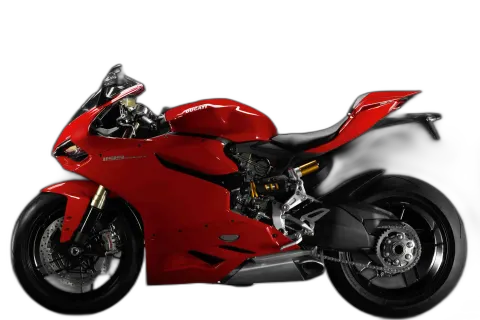
Ducati 1198 R Corse (MY2010) — Supersport
Ducati Press

2010–2011 · Supersport · Buyer's Guide

1198 R Corse (MY2010)

Homologation Special, No Compromises

The Machine's Character

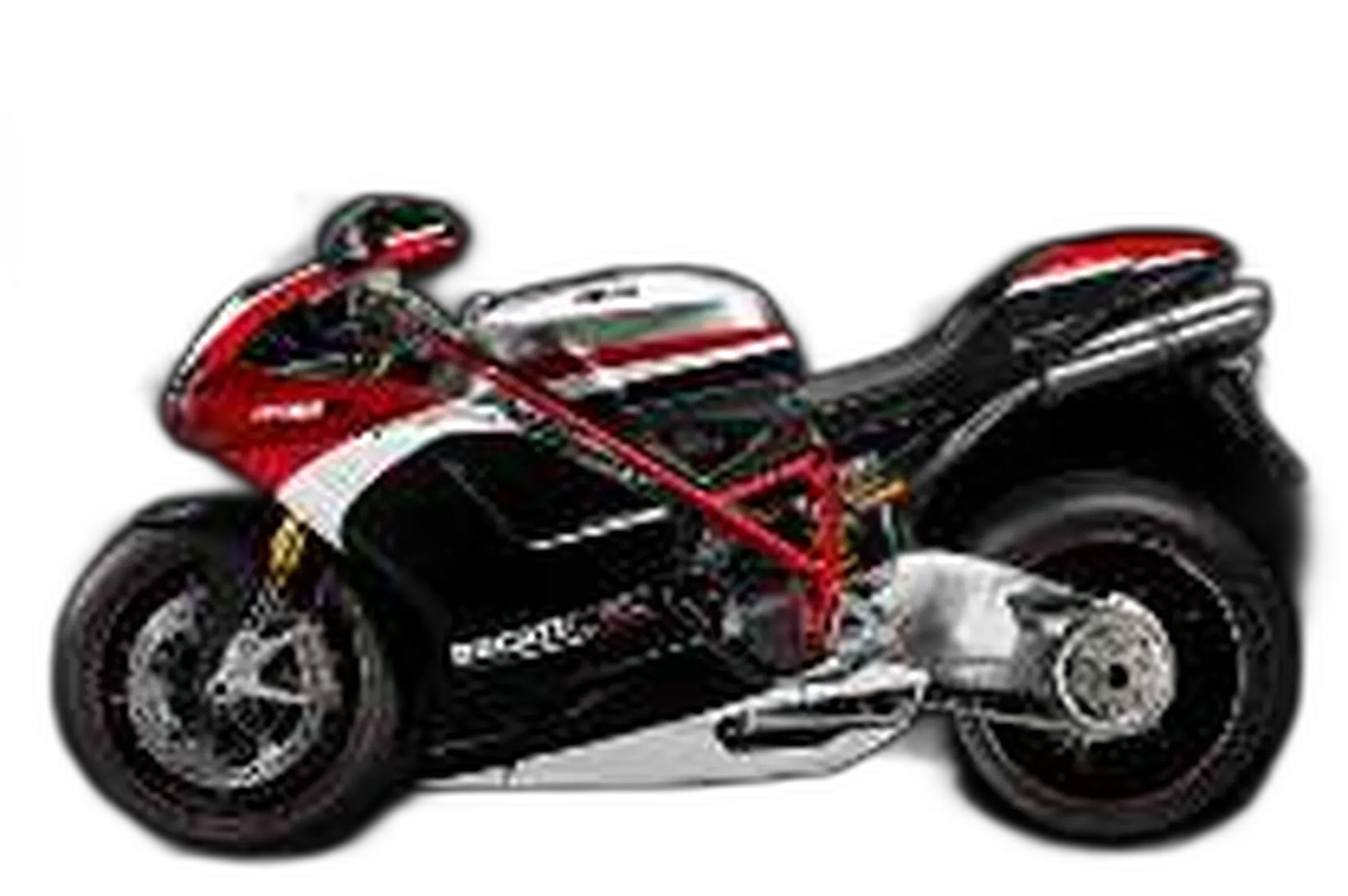
The 1198 R Corse is the sharp end of Ducati's 1198 line, built in a run of just 70 machines. The 1198 cc L-twin makes 180 hp and 99 lb-ft, and it does that with a shove that feels bigger than the numbers read on paper. Fully adjustable Öhlins suspension, a 330 mm front brake setup, a slipper clutch and a steering damper come as standard, and the eight-level traction control is there to keep the drive tidy rather than to babysit you. At 406 lb wet, it carries WSBK homologation intent in a road-legal shell.

This is a bike that rewards commitment. The chassis is quick to take a line and holds it, lean clearance is effectively bottomless, and the feedback through the front is honest enough that you always know what the tire is doing. It suits an experienced rider who spends real time on track or on serious canyon roads, and who enjoys setting suspension rather than leaving it alone. The honest caveat: ownership is not casual. The charging system, the fuel pump relay and the clutch slave cylinder all have form, and 27 mpg with a 4.8 gal tank means short legs between stops.

Hard Numbers

Spec sheets don't ride bikes, but they set the baseline.

Show full specs & equipment Hide specs & equipment
Key specifications
Power 180 hp (132 kW)
Torque 99 lb-ft (134 Nm)
Displacement 1198 cc
Engine L-twin
Cooling Liquid-cooled
Gearbox 6-speed
Final drive Chain
Fork Upside-down (USD)
Front brake 330 mm
Front tire 120/70-17
Rear tire 190/55-17
Seat height 32.3 in (820 mm)
Wet weight 406 lb (184 kg)
Fuel capacity 4.8 gal (18 L)
Top speed 185 mph (298 km/h)
Fuel economy 27 mpg (US)

Equipment check

Chassis

  • Front Suspension Adjustable Standard
  • Rear Suspension Adjustable Standard
  • Steering Damper Standard

Drivetrain

  • Slipper Clutch Standard

Safety

  • Traction Control Standard

The Voice of Experience

Portrait of NastyNils

The test ride

Thumb the starter and the L-twin fires with a hard, uneven bark that settles into a mechanical clatter you feel through the tank. The sound alone is worth the price of the ticket. Riding position is uncompromising: 32.3 in seat, weight through your wrists, knees folded tight into the tail. At town speeds it feels like a caged animal, hot and impatient, with the twin's pulse thumping through the pegs. Once the road opens up it transforms. Everything settles, the vibration turns into rhythm, and the bike shrinks around you. There is real texture in what your hands feel, not the sanitized numbness some fast bikes give you. It is physically demanding over a long day, but every input you make comes back with an answer. Fuel gets used quickly when you ride it the way it wants to be ridden.

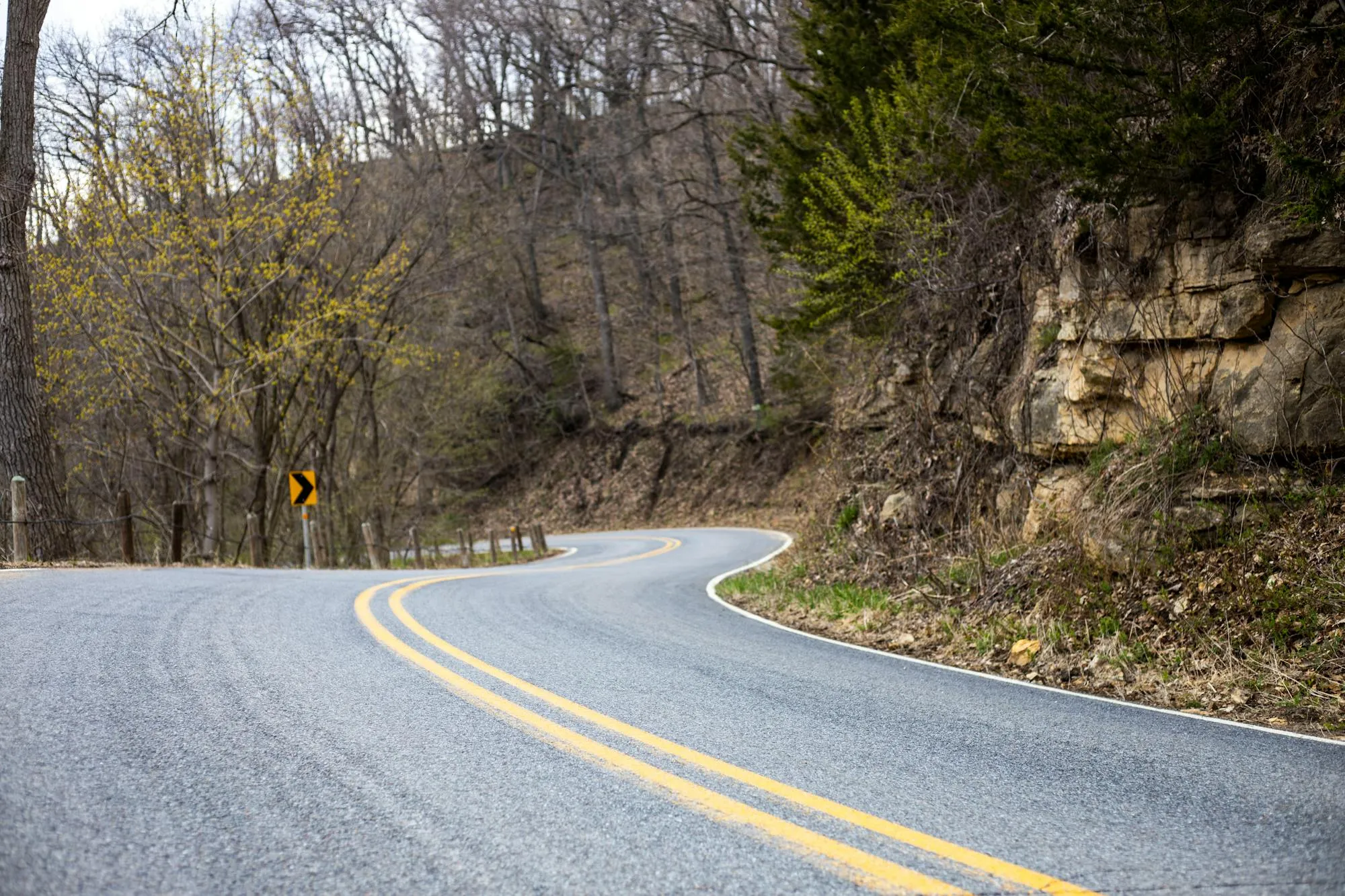
A winding two-lane asphalt road in the Appalachian mountains, photographed in dry daylight. Yellow double-center line markings guide through a series of tight left-hand curves. Dense deciduous and evergreen forest flanks both sides; a rock cut is visible on the right. The road surface and geometry suggest a technical, high-traffic riding corridor popular with motorcyclists.
Chris Flaten / Pexels

The Truth on the Street

The picture here comes from years of listening: paddock conversations, club nights, owner talk at fuel stops, and the messages riders send me directly. For this bike the chatter is unusually consistent. Deep respect for what the engine and the brakes do, and no attempt to hide what the thing costs in comfort and running money.

The engine everybody talks about first

Riders come back to the L-twin before anything else. The recurring description is thunderous thrust from low revs that keeps building into a top-end rush, and owners regularly rank it among the most exciting engines they have ridden. The brakes get named almost as often: immense stopping power with the kind of feel that lets riders lean on them hard, on track and on the road.

What owners warn you about

The complaints are just as consistent. Running costs lead them, with valve services and belt changes costing well beyond what Japanese four-cylinder rivals ask. The throttle comes up next. Riders describe a delivery direct enough to catch out anyone still learning, and the word passed around is respect. The riding position draws steady grumbling once a street ride stretches out, and a few owners mention heat building on the right leg in slow traffic.

Known issues

  • Sprag clutch wear from weak battery

    engine occasional

    The high-compression engine can damage the sprag clutch if starting is attempted with a low battery, leading to a rattling noise and potential failure.

  • Regulator/rectifier failure

    electrics occasional

    The charging system's regulator/rectifier can overheat and fail, causing battery drain and dash flickering. Replacement with an upgraded unit is common.

  • Fuel pump relay failure

    fuel system occasional

    The fuel pump relay is prone to sudden failure, leaving the bike stranded. Many owners replace it preventively at every service.

  • Front brake judder from rust on disc carriers

    brakes occasional

    The semi-floating front brake discs can develop rust on the carrier, causing a juddering sensation under braking. Regular cleaning or replacement of the carriers may be required.

  • Radiator leaking at top left mount

    cooling occasional

    A common issue where the radiator develops a leak at the top left hard mounting point, requiring repair or replacement.

  • Shifter return spring failure

    drivetrain rare

    The gear shift return spring can break, leading to sloppy shifting and the need for replacement.

  • Slave cylinder leaking

    drivetrain occasional

    The hydraulic clutch slave cylinder can develop leaks, causing clutch drag and fluid loss.

The Expert Benchmark

Where this Ducati 1198 R Corse pulls ahead of — or falls behind — its rivals on the numbers, and the typical bike in its class on character.

What kind of bike this is — character vs. the class

This bike Class average

The shape of the Ducati 1198 R Corse — numbers and character vs. the average Supersport

Head-to-head: Ducati 1198 R Corse vs. its rivals

The Handshake Score

Forget spec-sheet bragging. Here's who the 1198 R Corse is actually built for.

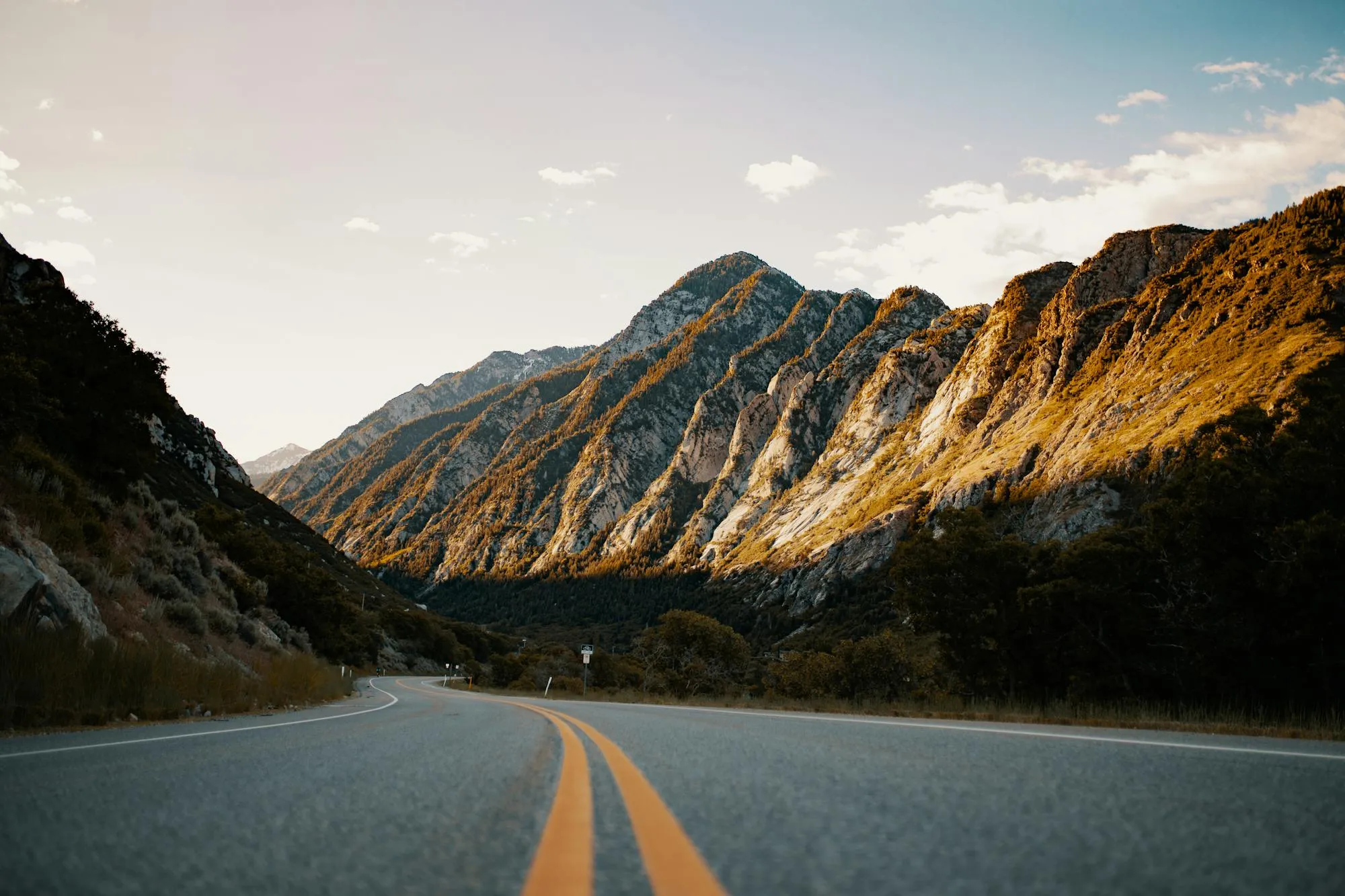
A scenic view of Angeles Crest Highway winding through rugged Southern California canyon terrain. Rocky mountainsides with golden earth tones frame the asphalt road with tight sweeping curves. Double yellow center line visible, sparse vegetation along the shoulders, clear blue sky with white clouds. Daylight, dry conditions. Iconic location for canyon-road enthusiasts.
Josh Sorenson / Pexels

Best motorcycle for Laguna Seca?

This is your bike if you want a race-bred twin under you on track days. Lean clearance and Öhlins reward a proper setup session, but budget time for maintenance between sessions.

Made for Barber Motorsports Park · WeatherTech Raceway Laguna Seca · Circuit of the Americas
Best motorcycle for Angeles Crest?

On Angeles Crest it is superb: precise, communicative, endlessly leanable. The LA traffic getting there is the hard part, and the 4.8 gal tank keeps your loops short.

Made for Angeles Crest Highway · Coronado Trail / US 191 · Highway 1 / Big Sur

Best motorcycle for Tail of the Dragon?

For technical Dragon and Cherohala work the front-end feedback is exactly what you want. Just know the riding position and the ownership demands make it a committed choice, not a casual one.

Made for Back of the Dragon · Blue Ridge Parkway · Cherohala Skyway

Alternatives to the Ducati 1198 R Corse

If this one isn't quite the fit, these are the bikes worth riding back-to-back against it.

Any price note compares both bikes at the same age — the youngest age both have on the used market — against this Ducati 1198 R Corse. “cheaper/pricier” is what that bike costs second-hand, not how worn it is.