BMW M 1000 RR (MY2025) — Supersport

2025 · Supersport · Buyer's Guide

M 1000 RR (MY2025)

Controlled Brutality at Track-Day Ready

The Machine's Character

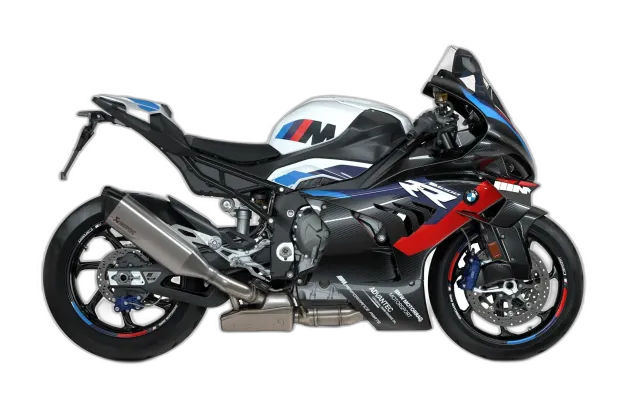
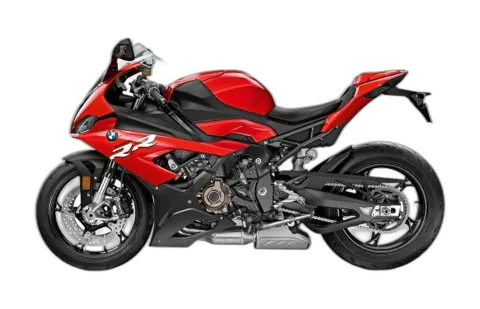
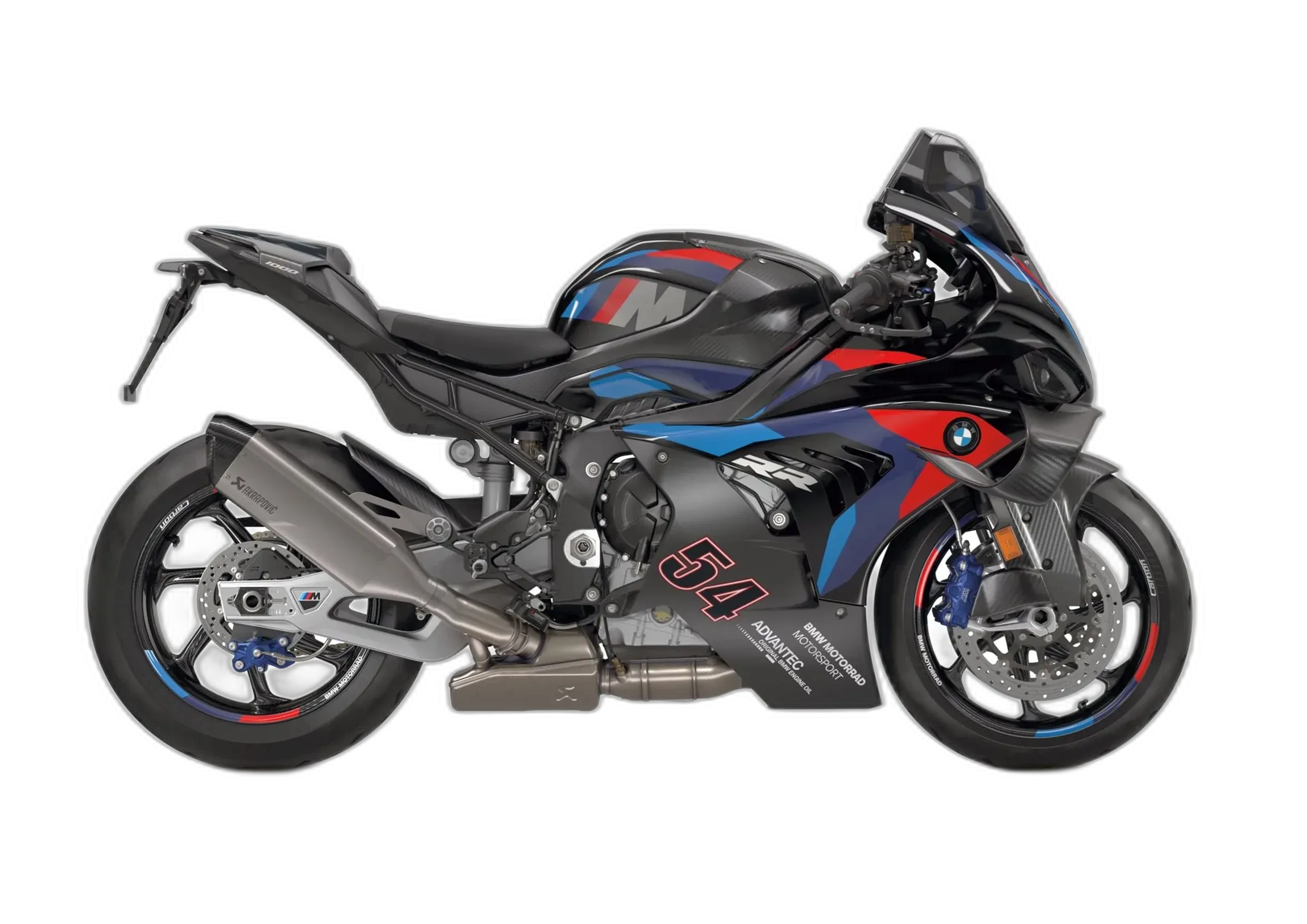
The M 1000 RR is BMW's racing program compressed into something you can put a plate on. The 999 cc inline-four makes 218 hp and 83 lb-ft, runs to 195 mph, and it arrives with M Carbon Wheels, cornering ABS, traction control, wheelie control, launch control, adjustable suspension at both ends, a steering damper and a quickshifter that works both ways. At 423 lb wet it sits at the sharp end of the supersport class. What separates it isn't the dyno number. It's how completely the rest of the bike is built to carry that number.

It rides the way BMW builds things: composed, precise, never nervous. The chassis stays settled at a pace you'd call moderate, and it stays settled long after you stop calling it that, which is what makes 218 hp usable instead of intimidating. This is a bike for an experienced rider who spends real days at speed, on track or on roads that genuinely open up. The honest caveat sits on the ownership side. Early production bikes have suffered catastrophic engine failures linked to rod bearings or a loose connecting rod cap, and BMW has refused warranty coverage in some of those cases. Check the service history before you sign anything.

Hard Numbers

Spec sheets don't ride bikes, but they set the baseline.

Show full specs & equipment Hide specs & equipment
Key specifications
Power 218 hp (160 kW)
Torque 83 lb-ft (113 Nm)
Displacement 999 cc
Engine Inline-four
Cooling Liquid-cooled
Gearbox 6-speed
Front tire 120/70 ZR17
Rear tire 200/55 ZR17
Seat height 32.8 in (832 mm)
Wet weight 423 lb (192 kg)
Fuel capacity 4.4 gal (16.5 L)
Top speed 195 mph (314 km/h)

Equipment check

Chassis

  • Front Suspension Adjustable Standard
  • Rear Suspension Adjustable Standard
  • Steering Damper Standard

Connectivity

  • TFT Display Standard

Drivetrain

  • Quickshifter Standard
  • Slipper Clutch Standard

Lighting

  • LED Headlight Standard

Safety

  • ABS Standard
  • Cornering ABS Standard
  • Traction Control Standard
  • Ride Modes Standard
  • Wheelie Control Standard
  • Launch Control Standard

Signature Tech

The named systems that set this bike apart — and what each one does for you.

Wheels

  • BMW M Carbon Wheels Standard
    • Reduced unsprung rotating mass
    • Agile weight reduction
    • Brake fade resistance

The Voice of Experience

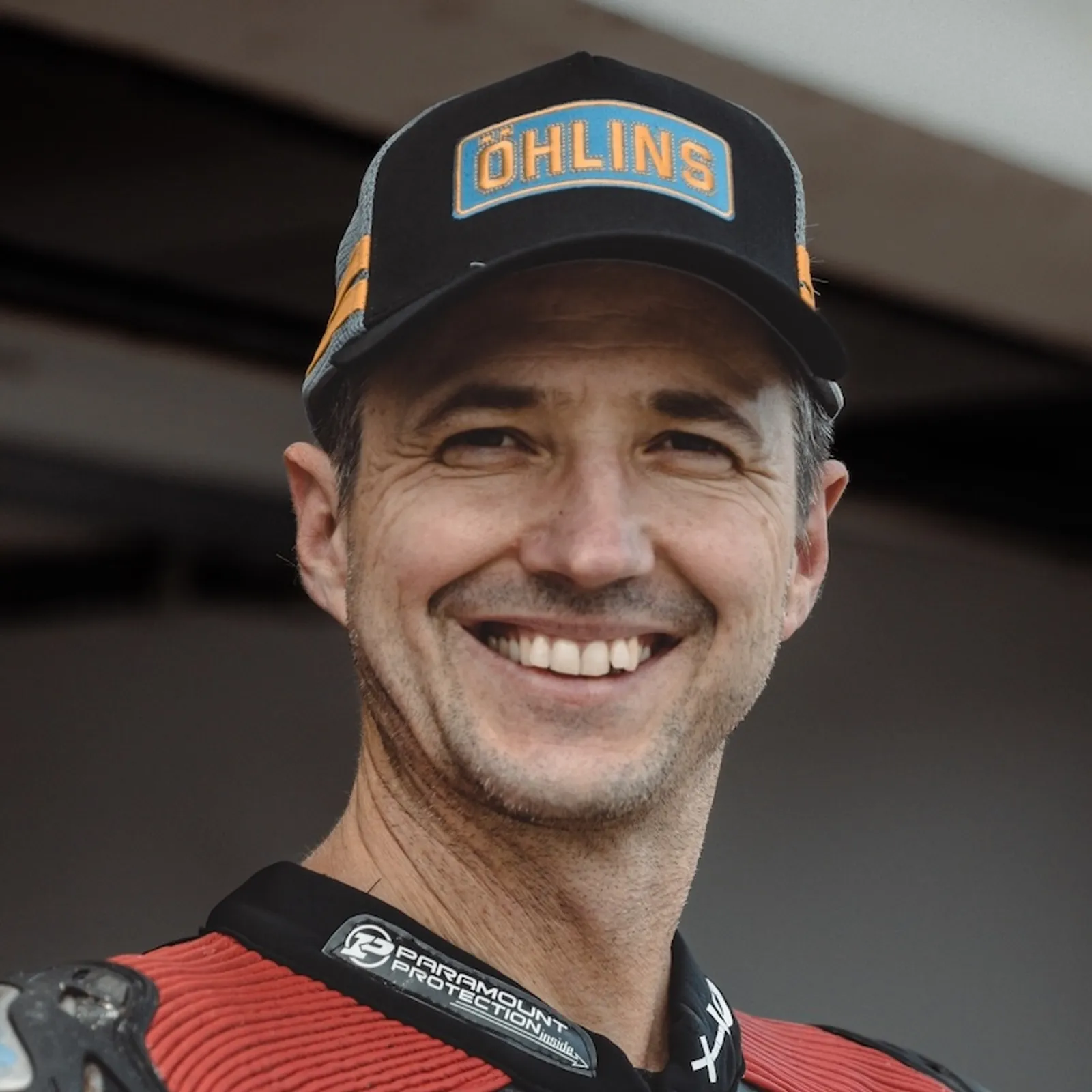
Portrait of NastyNils

The test ride

Sit on it and the numbers go quiet. The 32.8 in seat puts you in a committed but familiar sportbike position, wrists loaded, knees tucked in, and the left bar cluster falls under your thumb so you can change settings without hunting for a button. Below the range it actually wants, the inline-four is smooth and almost polite, the induction note kept civil. Let the revs climb and it becomes a different machine acoustically, hard and metallic, the kind of sound that stays with you all the way down a straight. It feels lighter under you than 423 lb suggests, and it moves where you point it rather than arguing about it. At ordinary road pace nothing about it wears you down, which is unusual for something built to do what this does.

Rated point by point — where it earns its keep

My own 0–100 score for this bike against the class, area by area — the marker on each bar is the class average.

What I keep coming back to is how much ground this chassis covers without ever changing its personality. At warm-up pace it hands you nothing to be nervous about. Steering is honest, the bike sits flat, and nothing in the way it moves warns you about what it's holding in reserve. Then you raise the pace and the ledger flips. Every extra bit of commitment I fed it came back as more grip and a cleaner line. It doesn't merely tolerate being pushed. It gets better.

The margin here isn't measured in tenths. Line this bike up against what typically shows up for a normal track day and the advantage is structural. On a long straight, or anywhere you can hold it open through a hard drive, you're not getting past people because you rode that section better than they did. You simply brought far more reserve to the party, and the bike spends it for you.

Nothing about the way this bike stops is polite. Braking force is brutal, and after two decades of doing this the first proper stop of the day still landed in my neck, my arms, my lower back. That abruptness takes some acclimatization before you can genuinely lean on all of it. Once you can, the braking zone stops being something you survive and becomes the place where you take time out of people.

My one real complaint with this motor lives in the middle of the rev range. It's so unruffled through there that your ear tells you the work is being done, and your foot goes looking for the next gear before it should. I lost sessions to that before the penny dropped, riding a far more ordinary bike than the one I'd actually turned up on. Get it into the range BMW built it around and the acceleration is enormous, yet measured enough that you place it at corner exit instead of just hanging on.

Here's the odd complaint that comes with building a bike this thoroughly. Personalizing it mostly makes it worse. Every factory part has been chosen well enough that fitting an aftermarket alternative means paying money to move backwards. If you already know the brake feel you want, or trust a particular suspension setup, or care about a specific exhaust note, you're better served starting from a stripped-down base variant. More sorting up front, but the result belongs to you rather than to BMW.

Setup is the part of this bike I'd call genuinely easy to live with. Throttle map, traction, ABS, wheelie control and engine braking all move under my left thumb in a handful of inputs, with no menu archaeology between sessions. What matters more is that the machine underneath honors the request. I've ridden plenty of bikes that let you pick a setting and then quietly carry on doing whatever they were going to do. This one executes exactly what you asked for.

Very few fast bikes ask nothing of you before they're ready. I rode this one plated and exactly as it left the factory: no suspension work, no brake upgrade, no fiddling of any kind. It sat comfortably at the front of a quick session. Turning up genuinely finished is rarer than it should be, and it saves you a season of sorting parts before you get around to enjoying the thing.

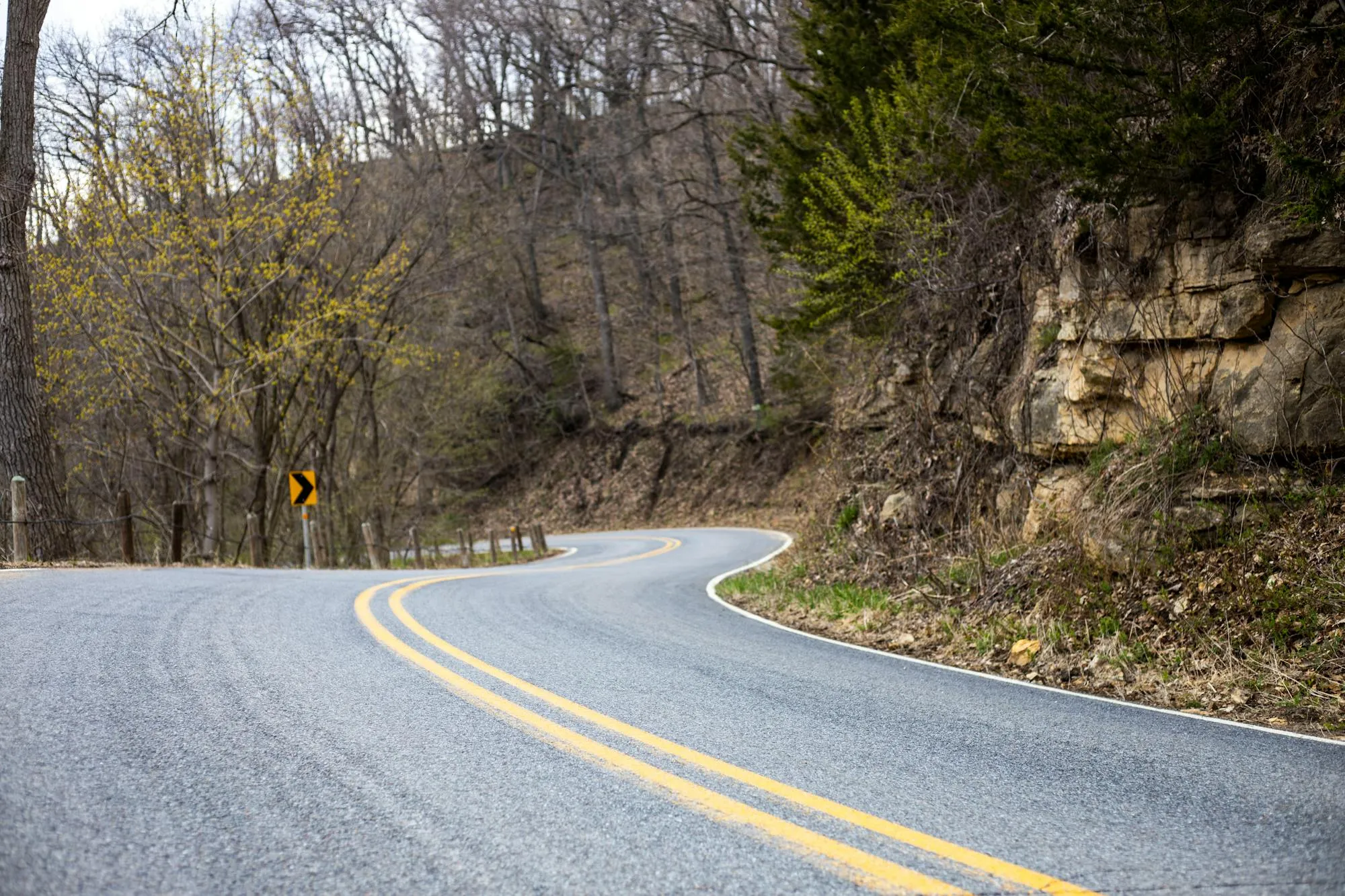
A winding two-lane asphalt road in the Appalachian mountains, photographed in dry daylight. Yellow double-center line markings guide through a series of tight left-hand curves. Dense deciduous and evergreen forest flanks both sides; a rock cut is visible on the right. The road surface and geometry suggest a technical, high-traffic riding corridor popular with motorcyclists.
Chris Flaten / Pexels

The Truth on the Street

Known issues

  • Engine bearing failures and warranty disputes

    engine occasional

    A number of early production M 1000 RRs have suffered catastrophic engine failures, often linked to rod bearing issues or a loose connecting rod cap. BMW has in some cases refused warranty coverage, citing a minor over-rev or non-authorised removal of the break-in rev limiter, leading to contentious disputes with owners.

The Expert Benchmark

Where this BMW M 1000 RR pulls ahead of — or falls behind — its rivals on the numbers, and the typical bike in its class on character.

What kind of bike this is — character vs. the class

This bike Class average

The shape of the BMW M 1000 RR — numbers and character vs. the average Supersport

Head-to-head: BMW M 1000 RR vs. its rivals

The Handshake Score

Forget spec-sheet bragging. Here's who the M 1000 RR is actually built for.

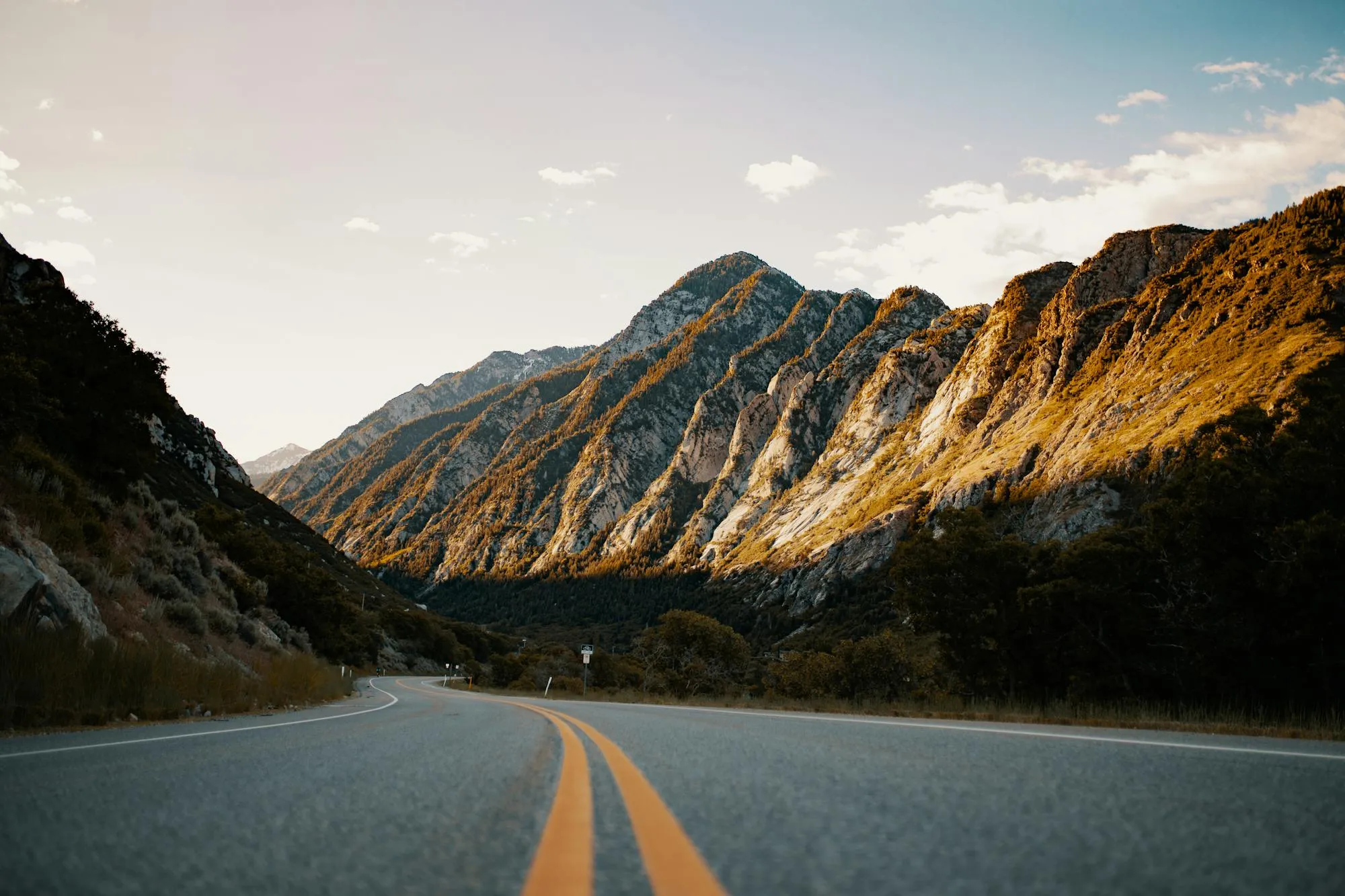
A scenic view of Angeles Crest Highway winding through rugged Southern California canyon terrain. Rocky mountainsides with golden earth tones frame the asphalt road with tight sweeping curves. Double yellow center line visible, sparse vegetation along the shoulders, clear blue sky with white clouds. Daylight, dry conditions. Iconic location for canyon-road enthusiasts.
Josh Sorenson / Pexels

Best motorcycle for Laguna Seca?

This is your bike as it leaves the crate. Nothing needs changing before your first session, and the aids let you peel back support at the same rate your braking points move later.

Made for Barber Motorsports Park · WeatherTech Raceway Laguna Seca · Circuit of the Americas

Best motorcycle for Angeles Crest?

It works on a canyon road, but you'll only ever touch a slice of 218 hp there. Buy it if track days are part of the plan; otherwise you're paying for reserve you can't legally spend.

Made for Angeles Crest Highway · Coronado Trail / US 191 · Highway 1 / Big Sur

Best motorcycle for Tail of the Dragon?

Tight East Coast corners suit the chassis, and the neutral turn-in makes repeat runs easy work. The engine, though, stays mostly parked on roads that never really open up.

Made for Back of the Dragon · Blue Ridge Parkway · Cherohala Skyway

What's new versus the previous generation

If you're cross-shopping the older generation, here's what changed.

BMW M 1000 RR (MY2023)

Previous generation · 2023–2024

BMW M 1000 RR (MY2023)

Aero-Planted Race Weapon

Compare to the previous model →

Alternatives to the BMW M 1000 RR

If this one isn't quite the fit, these are the bikes worth riding back-to-back against it.