Aprilia RSV4 RF (MY2015) — Supersport
NastyNils / Aprilia Press

2015–2020 · Supersport · Buyer's Guide

RSV4 RF (MY2015)

Corner Entry, Full Stop

The Machine's Character

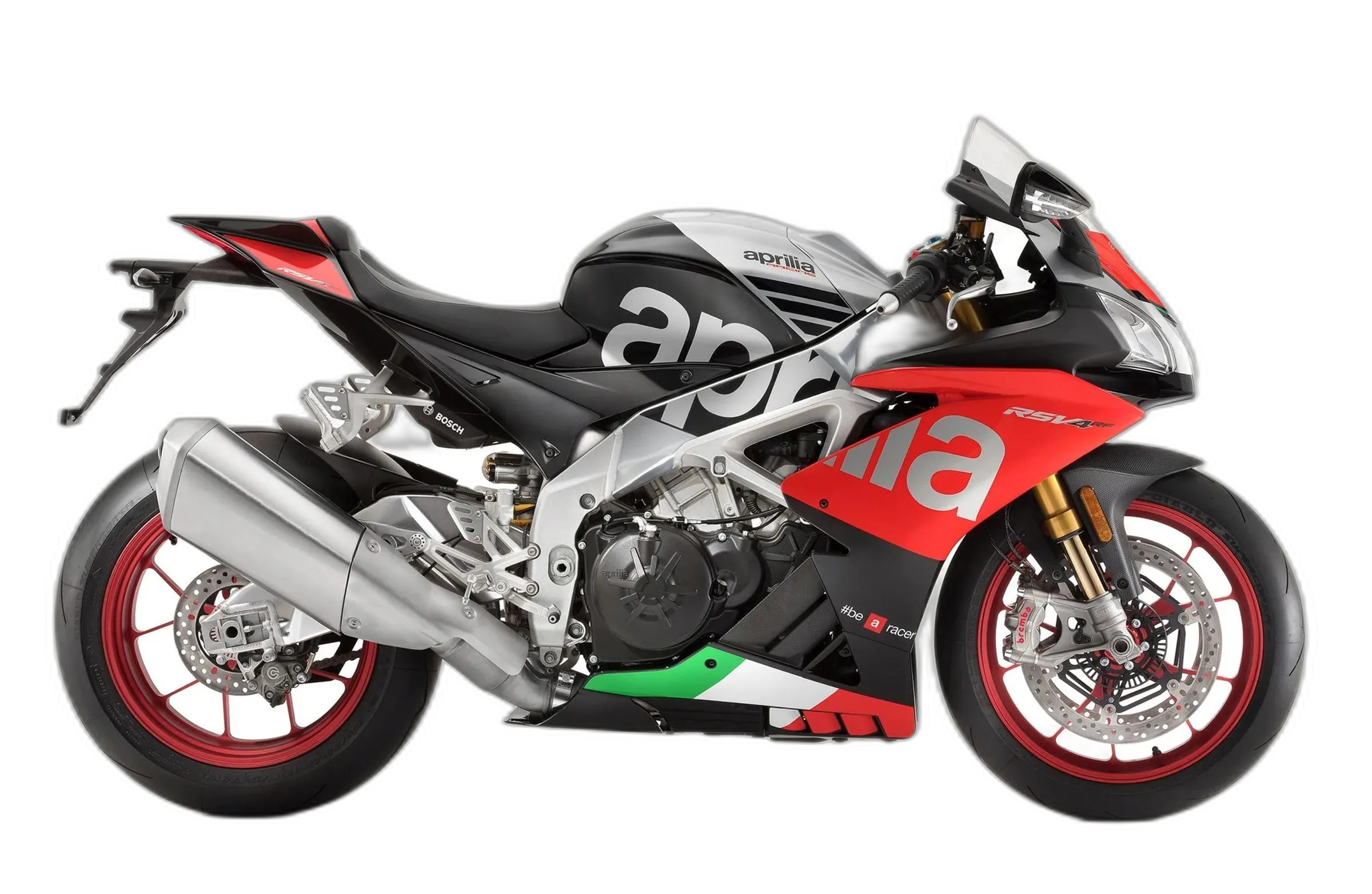
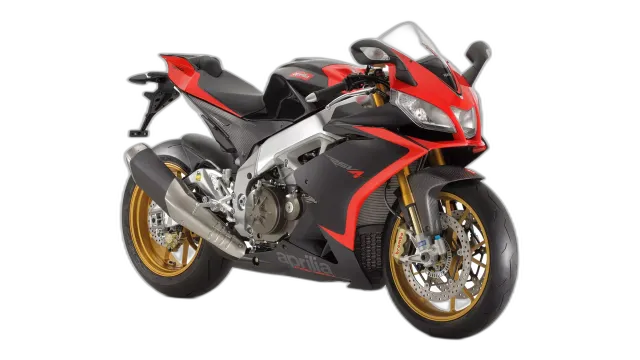
The RSV4 RF runs a compact 65° V4 that makes 201 hp, and every part of the package is built to put that number on the ground without drama. The APRC ride-by-wire system gives you three switchable maps, the forged aluminum wheels cut the mass the chassis has to manage, and the whole machine is tuned around one idea: getting into a corner sooner than anything this fast should. It sits at the sharp, uncompromising end of the class, a proper Superbike-paddock tool rather than a road bike dressed up to look like one.

On the right surface it feels close to untouchable, and the 2015 tuning makes it genuinely quick for a wider band of riders, not only the ones already near the front of a grid. It lives as a focused track weapon, so the honest caveat is stability. The chassis rewards a careful setup and turns fussy the moment you experiment with harder compounds or geometry. On smooth pavement none of that bothers you. Push it onto bumpier ground and how it holds up becomes a fair question. This one is for riders who want feedback and bite, not comfort.

Hard Numbers

Spec sheets don't ride bikes, but they set the baseline.

Show full specs & equipment Hide specs & equipment
Key specifications
Power 201 hp (148 kW) @ 13,000 rpm
Torque 86 lb-ft (117 Nm) @ 10,500 rpm
Displacement 1000 cc
Engine V4
Cooling Liquid-cooled
Gearbox 6-speed
Final drive Chain
Fork Upside-down (USD)
Front brake 320 mm
Front tire 120/70-17
Rear tire 200/55-17
Seat height 33.1 in (840 mm)
Fuel capacity 4.9 gal (18.5 L)

Equipment check

Chassis

  • Front Suspension Adjustable Standard
  • Rear Suspension Adjustable Standard
  • Steering Damper Standard

Connectivity

  • Smartphone Connectivity Optional

Drivetrain

  • Slipper Clutch Standard

Safety

  • ABS Standard
  • Traction Control Standard
  • Ride Modes Aprilia APRC Ride-by-Wire (three switchable maps) Selectable ride modesRefined throttle response Standard
  • Wheelie Control Standard
  • Launch Control Standard

Signature Tech

The named systems that set this bike apart — and what each one does for you.

Wheels

  • Aprilia Forged Aluminum WheelsStandard
    • Reduced unsprung rotating mass
    • Agile weight reduction

The Voice of Experience

Portrait of NastyNils

The test ride

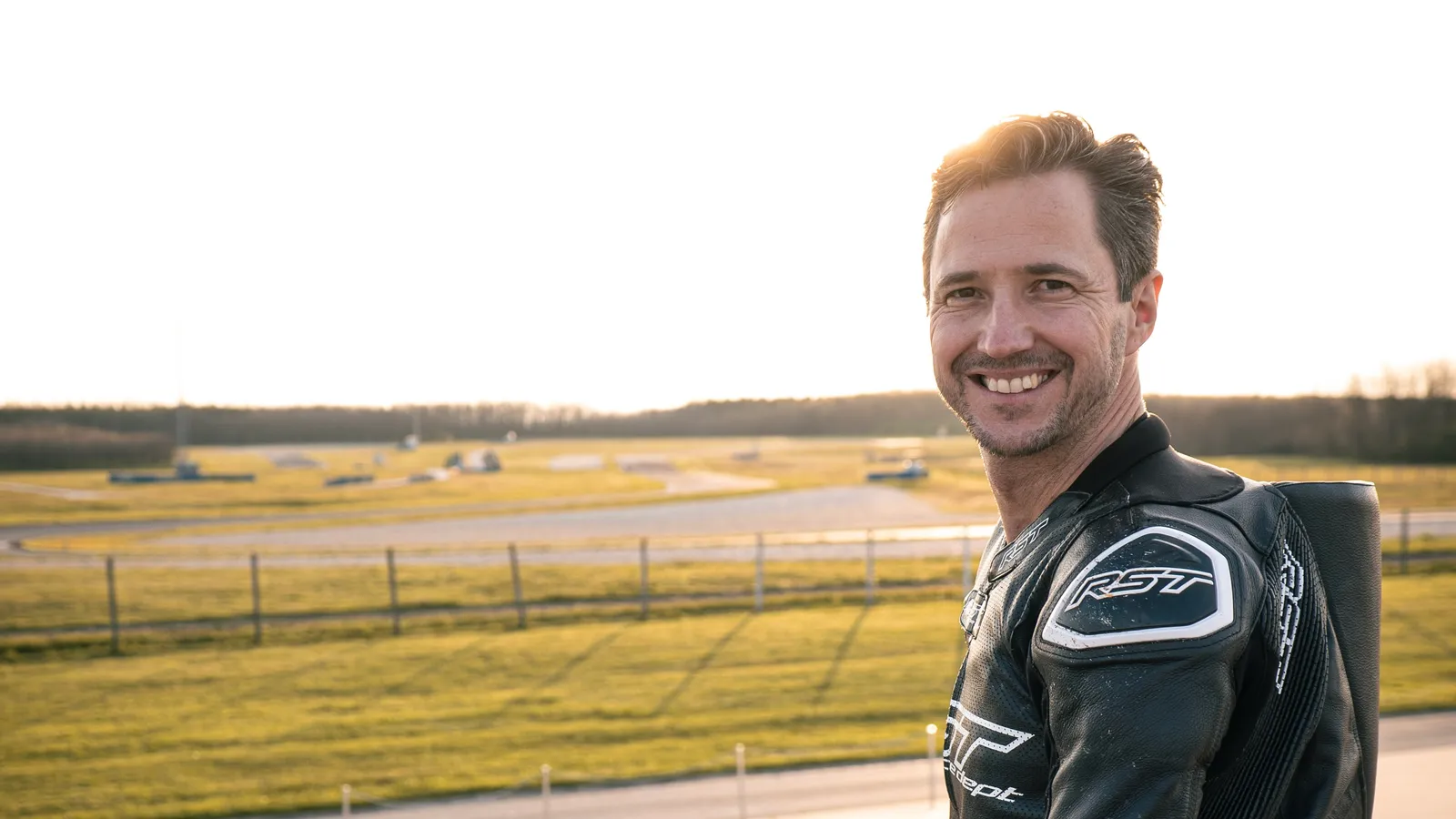
First thing that lands is the noise. The V4 has an acoustic signature nothing else at this level produces, and it fills the cockpit every time you crack the throttle open. The riding position is low and committed, weight stacked over the front, exactly where a bike like this wants you sitting. What really sells it, though, is confidence. You dial the eight-stage traction control with thumb and index finger at the left bar end while you're moving, no menus and no glance down, and the front keeps telling you clearly what the contact patch is doing. There's a real safety net underneath all of it. On a day when seven riders had gone down on this circuit in one earlier session, this time nobody did. You end up trusting it far sooner than you planned to.

Rated point by point — where it earns its keep

My own 0–100 score for this bike against the class, area by area — the marker on each bar is the class average.

The steering is the whole story for me. I haven't ridden anything in this class that will change line so willingly; the front loads up with what feels like bottomless grip, and I keep finishing corners ahead of my own internal clock, so the opening laps were mostly about checking my ambition before I clipped the inside curbing. That eagerness pays twice over, because pointing the nose down the next straight sooner than the field puts me on the throttle sooner too. The limits are honest ones. On stickier race rubber the fastest sweepers carry a mild edginess, never enough to shift my line but always there in my hands. And the chassis prefers a settled setup to a curious one; move away from the proven spec toward firmer compounds or altered geometry and it wants a patient hand. On genuinely smooth pavement I'd stake it against anything, but how it copes once the surface turns rough is the one question I still can't close out.

What this bike really expands is the margin I get to ride inside. The traction control and a chassis that stays composed under real load work as a pair, building a cushion beneath everything I do at speed. I can commit hard without constantly interrogating where grip runs out, and that missing second-guessing is worth more than it sounds; it's the difference between riding my limit and nibbling cautiously below it. What the electronics really give back is permission to keep leaning on the bike, and that is the whole point here.

This is where the generation earns its keep for me. Hard on the anchors, the front refuses to get flustered the way earlier RSV4s would, and that steadiness rewrites how the braking phase feels. Instead of burning effort keeping the front settled deep into the stop, I can pour all of that concentration into the corner I'm about to open. It's a real step forward, and it's why I get to carry a plan into the entry rather than simply react to what the bike is doing.

The real change for me is how it slows, not how hard it pulls. The revised ride-by-wire lets engine braking read revs and gear properly, so the motor no longer scrubs off speed while I'm still leaned mid-turn. Riders who didn't come up racing feel that most: less to tidy on the way to the brakes, more attention left for the entry. At full send it concedes a touch to the hardest hitters up top, but peak rarely settles a lap here, and its way into a corner buys back more than it gives.

On a machine this focused, comfort comes down to how hard it makes me work, and the honest answer is less than I expected. The big shift is accessibility. Where older RSV4s released their speed only to the very quickest hands, the 2015 revisions hand that pace to a far wider range of riders, and they manage it without sanding down any of the menace in how the thing looks and sits. I can lean on it lap after lap and still climb off with my concentration intact rather than wrung out.

Practicality on a track tool like this means the kit that earns its place on a track day, and the standout is the MP V4 app, an optional add-on rather than standard fitment. Pair a phone and it reads your position on the circuit through GPS, then dials a separate traction-control setting for every section, easing the aids where grip is plentiful and tightening them where a slide would hurt. It keeps sharpening those choices lap after lap on its own, and I hadn't worked a bike's electronics this way before. It genuinely opens a new door.

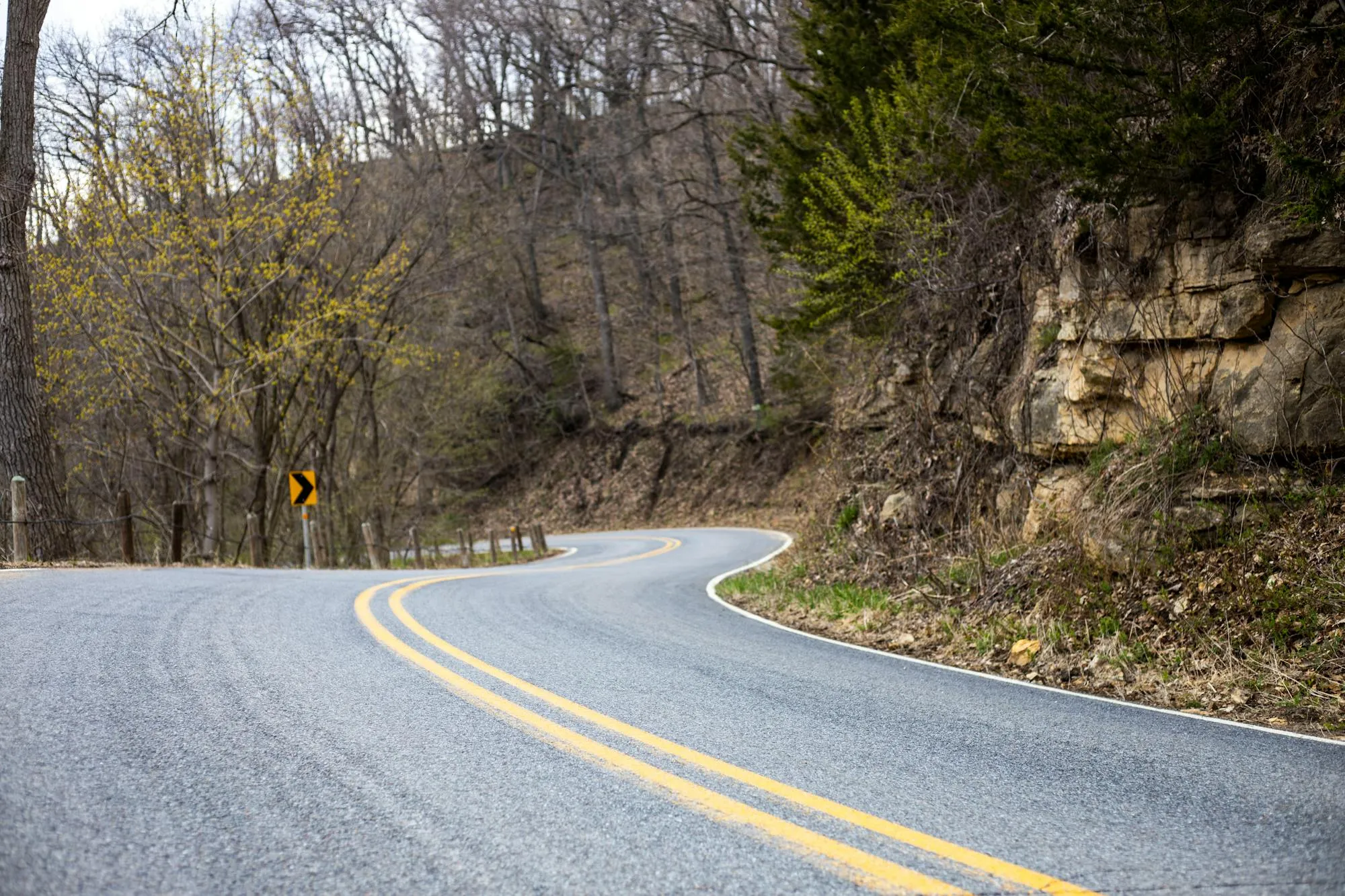
A winding two-lane asphalt road in the Appalachian mountains, photographed in dry daylight. Yellow double-center line markings guide through a series of tight left-hand curves. Dense deciduous and evergreen forest flanks both sides; a rock cut is visible on the right. The road surface and geometry suggest a technical, high-traffic riding corridor popular with motorcyclists.
Chris Flaten / Pexels

The Truth on the Street

The read here is built the slow way, out of years spent paying attention to owners: the back-and-forth among riders, pit-lane chatter, and the messages that arrive after someone has put a full season on one. For the RSV4 RF that chatter runs unusually consistent, mostly praise, circling one nagging exception.

Praise that shows up again and again

The trait owners name first is agility. They describe a featherweight chassis and steering sharp enough to hold big corner speed with the assurance of a racebike. Braking earns close to equal billing, with the Brembo setup credited for raw stopping force and clarity at the lever. The V4's high-rpm charge keeps its own devoted crowd, while the fully adjustable Öhlins gets rated for handing riders real control over setup. Owners also value the APRC aids for how finely each one can be dialed, and the polished frame and swingarm for a finish that borders on hand-built.

The recurring sticking point

One knock keeps surfacing. The quickshifter wins fans for clean clutchless upshifts, yet it won't blip the downshifts, and a fair share of owners feel a superbike positioned this high ought to.

Known issues

  • Brembo front master cylinder may fail (recall)

    brakesoccasionalRecall

    On 2016-2017 RSV4 RF models, the Brembo PR16 radial master cylinder piston could crack under racing use or frequent ABS intervention, causing front brake loss. Aprilia recalled affected units to replace the master cylinder piston.

  • Front brake pad friction material detachment (recall)

    brakesoccasionalRecall

    On 2017-2018 RSV4 RF models, corrosion could cause front brake pad friction material to separate from the backing plate, reducing braking efficiency. Factory recall replaced pads.

The Expert Benchmark

Where this Aprilia RSV4 RF pulls ahead of — or falls behind — its rivals on the numbers, and the typical bike in its class on character.

What kind of bike this is — character vs. the class

This bike Class average

The shape of the Aprilia RSV4 RF — numbers and character vs. the average Supersport

Head-to-head: Aprilia RSV4 RF vs. its rivals

The Handshake Score

Forget spec-sheet bragging. Here's who the RSV4 RF is actually built for.

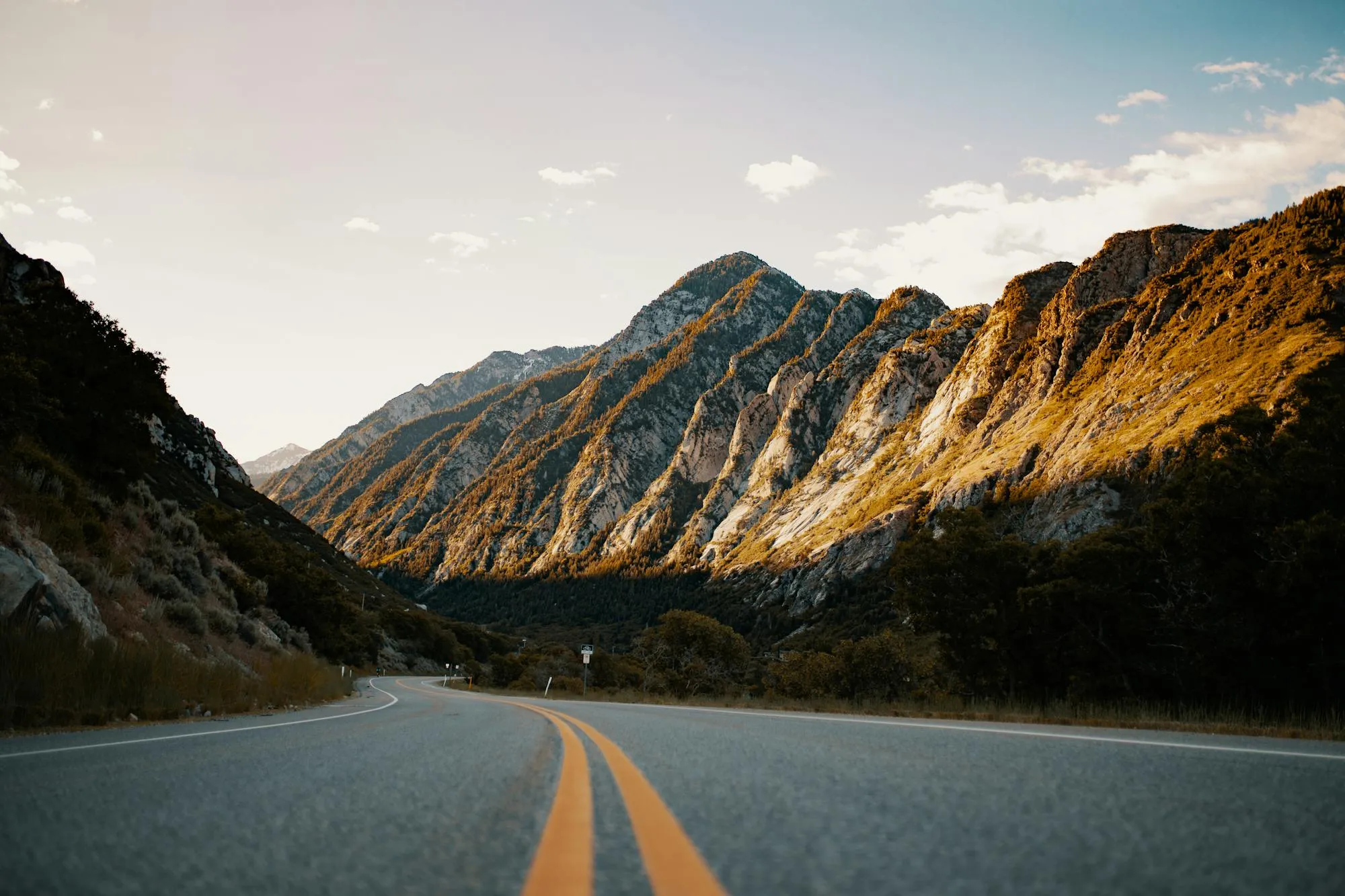
A scenic view of Angeles Crest Highway winding through rugged Southern California canyon terrain. Rocky mountainsides with golden earth tones frame the asphalt road with tight sweeping curves. Double yellow center line visible, sparse vegetation along the shoulders, clear blue sky with white clouds. Daylight, dry conditions. Iconic location for canyon-road enthusiasts.
Josh Sorenson / Pexels

Best motorcycle for Angeles Crest?

For Angeles Crest and the LA canyons this is a lot of bike, but its corner-entry precision and front-end feel are exactly what a skilled canyon rider chases. Keep it for the good pavement and dry weekends.

Made for Angeles Crest Highway · Coronado Trail / US 191 · Highway 1 / Big Sur
Best motorcycle for Laguna Seca?

This is your tool. It rewards clean braking and sharp apex work, the electronics keep all 201 hp usable, and it flatters your skill without dumbing anything down. Bring a careful setup for bumpier tracks.

Made for Barber Motorsports Park · WeatherTech Raceway Laguna Seca · Circuit of the Americas

Best motorcycle for Tail of the Dragon?

On the Dragon and the Blue Ridge twisties its eager turn-in suits your skill-over-speed approach, though the committed track focus asks a lot over a long tight day. Best taken in short, hard doses.

Made for Back of the Dragon · Blue Ridge Parkway · Cherohala Skyway

What's new versus the previous generation

If you're cross-shopping the older generation, here's what changed.

Aprilia RSV4 Factory APRC ABS (MY2011)

Previous generation · 2011–2014

Aprilia RSV4 Factory APRC ABS (MY2011)

Raw V4 With Real Depth

Compare to the previous model →

Alternatives to the Aprilia RSV4 RF

If this one isn't quite the fit, these are the bikes worth riding back-to-back against it.

Any price note compares both bikes at the same age — the youngest age both have on the used market — against this Aprilia RSV4 RF. “cheaper/pricier” is what that bike costs second-hand, not how worn it is.