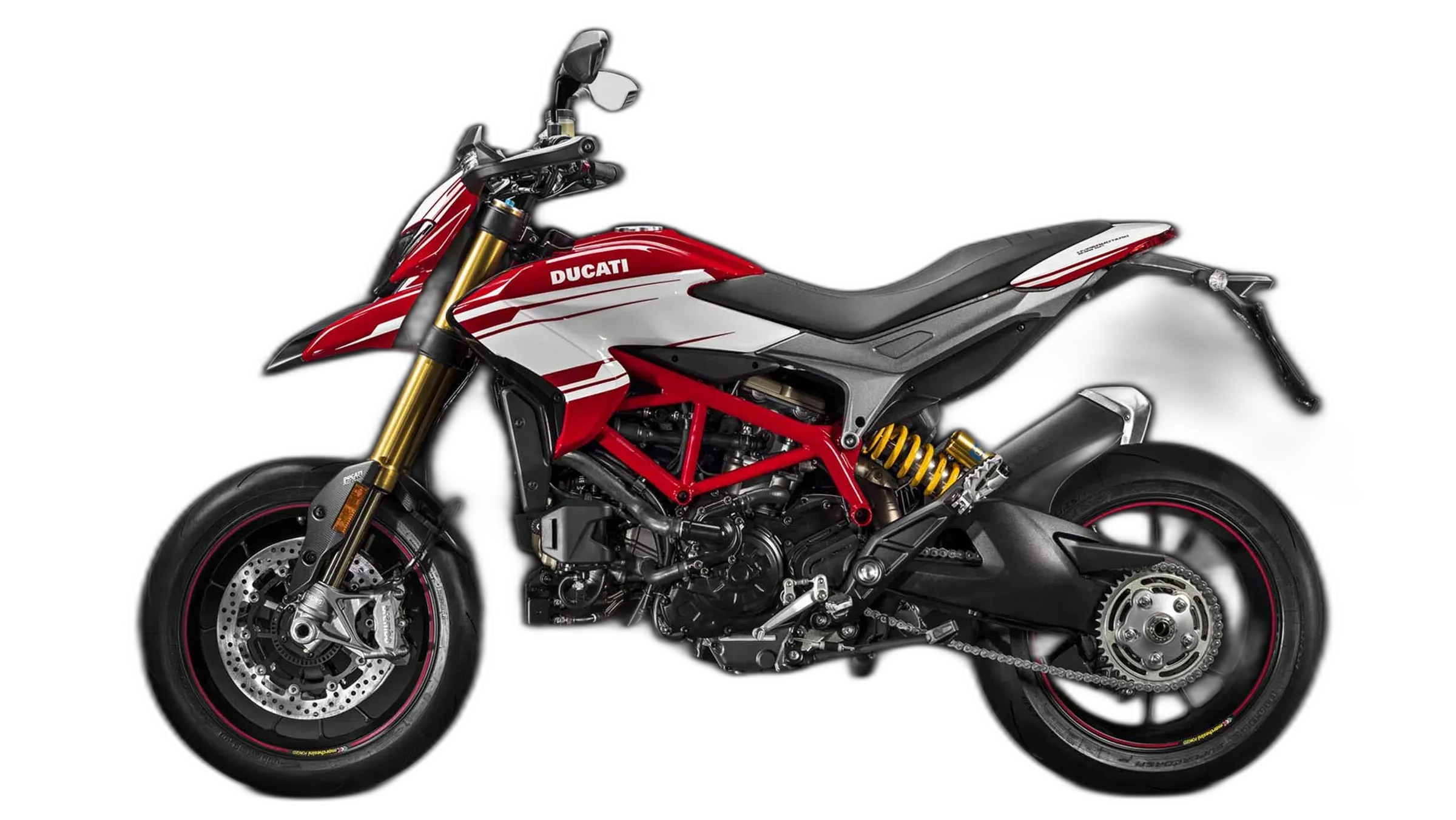


Ducati Hypermotard 939 (MY2016-SP) — Supermoto
Ducati press archive

2016–2018 · Supermoto · A variant of the Hypermotard 939

Hypermotard 939 SP (MY2016-SP)

Differences between the standard Hypermotard 939 and the SP

4 / 5 NastyNils Rating · against its class

Italian Supermoto At Its Sharpest

The Machine's Character

The Hypermotard 939 SP takes the supermoto recipe and gives it the full Ducati treatment. At its heart sits the liquid-cooled 937 cc Testastretta 11° L-twin, making 113 hp at 9,000 rpm and 72 lb-ft at 7,500 rpm. That is serious muscle for a bike weighing 448 lb wet. The electronics keep it in check: ABS, traction control and Ducati Ride-by-Wire Power Modes come standard, along with a slipper clutch. The SP builds on the standard bike with an adjustable fork to go with the adjustable shock. It looks the part, too. The styling is as sharp and modern as anything in the class, and unmistakably Ducati.

Point it at a twisty road and it does exactly what a supermoto should. It carves corners with real precision, lean clearance is huge, and the twin pulls hard from low in the rev range. This is a bike for experienced riders who want their weekends to feel gloriously reckless, while the power modes calm it down enough for daily traffic. Now the caveats. Fueling at small throttle openings between 4,000 and 6,000 rpm can get snatchy, the 35.0 in seat asks for long legs, and any 2016–2018 bike needs its recall work confirmed. Build quality is good, and a well-documented example with the recalls done is the one to buy.

Hard Numbers

Spec sheets don't ride bikes, but they set the baseline.

Show full specs & equipment Hide specs & equipment
Key specifications
Power 113 hp (83 kW) @ 9,000 rpm
Torque 72 lb-ft (98 Nm) @ 7,500 rpm
Displacement 937 cc
Engine L-twin
Cooling Liquid-cooled
Gearbox 6-speed
Final drive Chain
Fork Upside-down (USD)
Front tire 120/70-17
Rear tire 180/55-17
Ground clearance 8.3 in (210 mm)
Front travel 7.3 in (185 mm)
Rear travel 6.9 in (175 mm)
Seat height 35.0 in (890 mm)
Wet weight 448 lb (203 kg)
Fuel capacity 4.2 gal (16 L)

Equipment check

Chassis

  • Front Suspension Adjustable Standard
  • Rear Suspension Adjustable Standard

Drivetrain

  • Slipper Clutch Standard

Safety

  • ABS Standard
  • Traction Control Standard
  • Ride Modes Ducati Ride-by-Wire Power Modes Selectable ride modesRefined throttle response Standard

The Voice of Experience

Portrait of NastyNils

The test ride

Swing a leg over and the first thing you notice is the height. The seat sits at 35.0 in, and once you're up there the riding position is upright and commanding, with a clear view over the traffic around you. Thumb the starter and the L-twin settles into a deep, uneven beat that tells you straight away this is a Ducati. That sound stays with you the whole ride, hardening into a proper bark when you open it up. At a brisk road pace the bike feels alive under you. Small changes in the surface come back through the bars and the seat, and the front end goes light the moment you get greedy with the throttle. You never feel like a passenger. The bike wants you involved, and it is hard to ride it slowly for long.

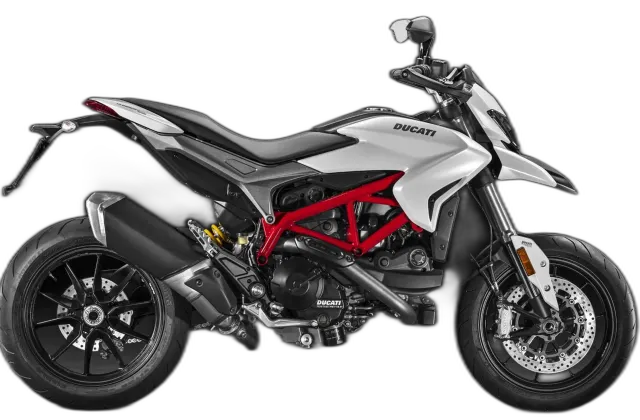
What the Hypermotard 939 SP Adds — Differences vs the Standard Hypermotard 939

The Hypermotard 939 SP (MY2016-SP) builds on the standard Hypermotard 939: the upgraded hardware, the key spec changes and where its character shifts. The full ride, specs, scoring and verdict are all right here on this page.

Premium hardware the SP brings

  • Suspension Front Suspension Adjustable Fully adjustable forks to dial in preload and damping, where the standard front end is preset.

Hard spec differences

SpecStandard Hypermotard 939SPΔ
Power 110 hp 113 hp +3 hp
Seat height 34.3 in 35.0 in +0.8 in
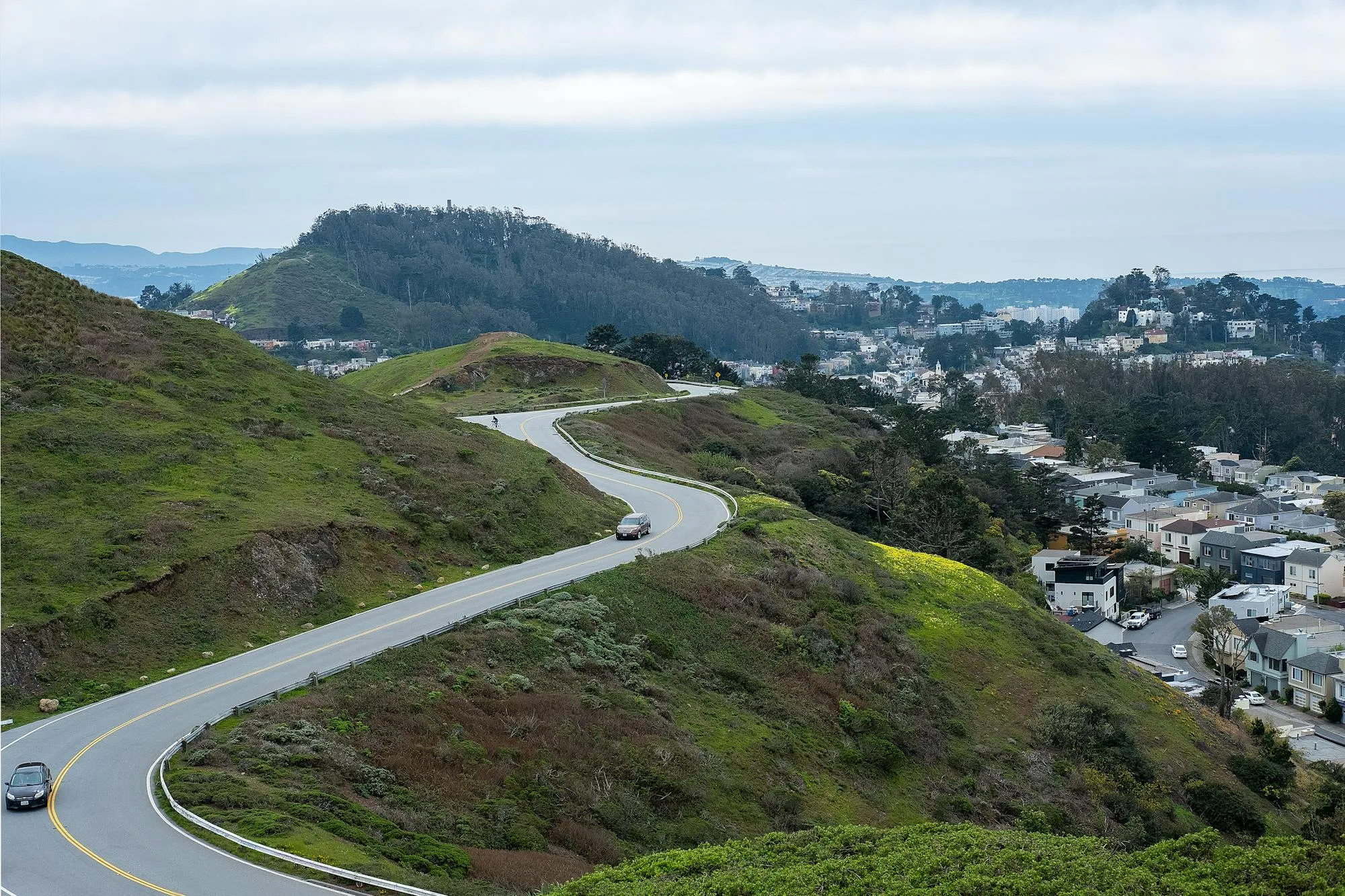
Aerial view of a winding asphalt road traversing rolling green hills in the Bay Area, likely Skyline Boulevard. The road curves through lush grassland with residential development visible in the distance.
David Mcelwee / Pexels

The Truth on the Trail

Riders have been telling me about this Hypermotard for years: in paddock conversations, at club nights, over coffee after a ride, and in the messages owners send once the honeymoon is over. Listen long enough and two threads come through clearly. Owners trust the way this Ducati stops and steers. Their remaining grievances sit where rider meets machine, in the controls under their feet and the fueling at low speed.

Brakes and steering owners trust

The brakes draw praise more consistently than almost anything else on the bike. Riders describe the dual discs and four-piston Brembo monobloc calipers as delivering immense stopping power, and they mention the modulation just as often as the bite. Steering earns the same kind of loyalty. Owners describe it as light and precise despite the long-travel suspension, and they say the bike stays planted mid-corner and rewards riders who push. On the SP, owners give much of the credit to the fully adjustable Öhlins fork and shock and the lightweight forged Marchesini wheels. Those are the parts they point to when they call the handling razor sharp.

Slippery pegs and a stubborn throttle

The complaints in this group are narrower, but they're specific. One rider found the stock footpegs slippery when cornering hard. The same rider called the rear brake pedal numb and noted there's no way to adjust it. The fueling gripe comes with a follow-up that owners bring up often. Plenty have tried aftermarket fixes for the low-speed snatchiness, and they say it gets better. None of them say it goes away completely.

Known issues

  • Rear brake pad separation (2018 recall)

    brakes occasional Recall

    On 2018 models, the rear brake pads can experience friction material separation from the backing plate, leading to reduced braking effectiveness. Recall campaign 18V480 addressed this safety defect.

  • Oil cooler hose may leak oil

    engine rare Recall

    The two oil cooler hoses can contact each other and become damaged, potentially causing an oil leak onto the rear tire. NHTSA recall 22V704 covers 2016-2018 models.

  • Poor low-speed / part-throttle fueling

    fuel system common

    Engine hesitates, surges, or feels lean between 4,000–6,000 rpm at small throttle openings, leading to jerky progress. Often described as 'fluffy' or 'snatchy'. Common across 939 models; independent owners and forum threads report it. ECU reflash or aftermarket tuners (Termi T800, BoosterPlug) can improve but not fully cure the issue.

The Expert Benchmark

Where this Ducati Hypermotard 939 pulls ahead of — or falls behind — its rivals on the numbers, and the typical bike in its class on character.

What kind of bike this is — character vs. the class

This bike Class average

Head-to-head: Ducati Hypermotard 939 vs. its rivals

The 'Should I Buy It?' Score

Forget spec-sheet bragging. Here's who the Hypermotard 939 is actually built for.

Aerial photograph of downtown Austin, Texas, showing modern high-rise buildings against a clear blue sky. Urban infrastructure, highways, and parking structures visible in the foreground.
Thomas Balabaud / Pexels

Best motorcycle for Angeles Crest?

On Angeles Crest weekends this bike fits you well: huge lean clearance, precise carving and a twin that punches out of every bend. The tall seat and snatchy small-throttle fueling make the LA traffic leg less fun.

Made for Angeles Crest Highway · Coronado Trail / US 191 · Highway 1 / Big Sur
Best motorcycle for Tail of the Dragon?

On the Dragon and Cherohala it's in its element. The chassis talks clearly and carves tight bends with precision. Just be ready to manage the fueling on small throttle in the slow, tight stuff.

Made for Back of the Dragon · Blue Ridge Parkway · Cherohala Skyway

Best motorcycle for Texas Hill Country?

The Twisted Sisters will put a big grin on your face. For the long run out there, though, the 4.2 gal tank and tall supermoto stance make this more of a day-ride bike than a mile-eater.

Made for Austin / Texas Hill Country · Twisted Sisters · Austin / Handbuilt Motorcycle Show