Yamaha FZS 1000 Fazer (FZS1000) — Sport Tourer
Yamaha press archive

2002–2005 · Sport Tourer · Buyer's Guide

FZS 1000 Fazer (FZS1000)

3.5 / 5 NastyNils Rating · against its class

R1 Engine, Street Soul

The Machine's Character

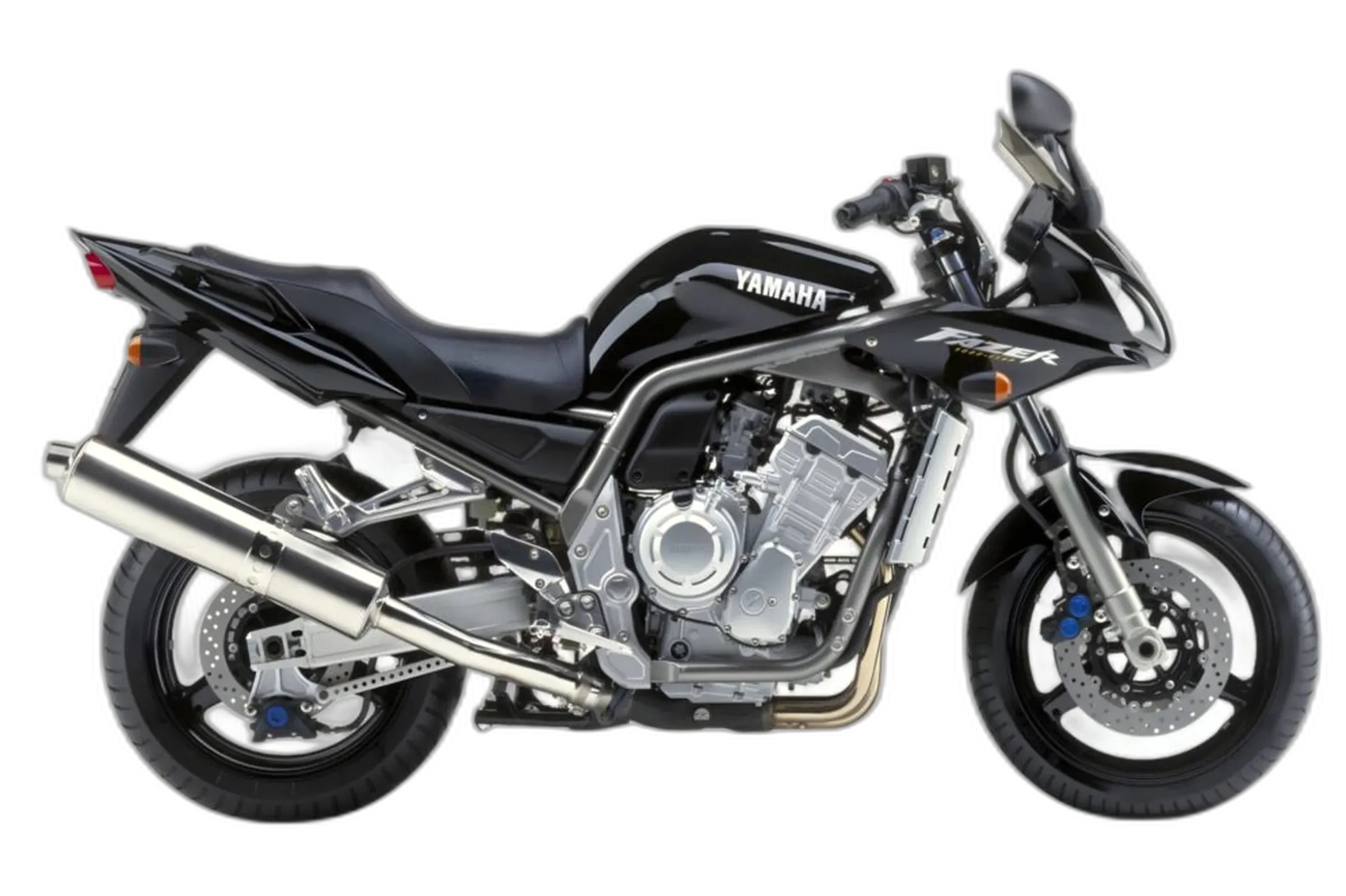
Yamaha took the 998 cc inline-four out of the R1 and rebuilt it for the road: smaller carburetors, a heavier flywheel, reworked cams. You still get 145 hp and 78 lb-ft, but delivered with midrange you can actually use at legal speeds, and the top-end rush is still waiting when you want it. Around it sits a steel double cradle frame, roomy upright ergonomics, a 5.5 gal (21 L) tank and a sharp half fairing with twin headlights. That puts the FZS1000 in sport-touring territory rather than pure sport, superbike hardware wearing clothes you can live with all day.

On the road it behaves like a big, willing four that never nags you. The controls are straightforward, the chassis is forgiving enough that riding quickly comes easily, and there's lean angle in reserve when the road opens up. Mechanically it ages well, but this is a period machine and it shows. Paint flakes off the cases and frame rails, wheel bearings can go early, the EXUP valve wants regular cleaning, and the clutch is a wear item. There's no traction control, no cruise control. Buy on condition and service history.

Hard Numbers

Spec sheets don't ride bikes, but they set the baseline.

Show full specs & equipment Hide specs & equipment
Key specifications
Power 145 hp (107 kW) @ 10,000 rpm
Torque 78 lb-ft (106 Nm) @ 7,500 rpm
Displacement 998 cc
Engine Inline-four
Cooling Liquid-cooled
Gearbox 6-speed
Final drive Chain
Fork Telescopic
Front tire 120/70-17
Rear tire 180/55-17
Seat height 32.1 in (815 mm)
Wet weight 507 lb (230 kg)
Fuel capacity 5.5 gal (21 L)
Top speed 160 mph (257 km/h)
Fuel economy 43 mpg (US)

Equipment check

Chassis

  • Front Suspension Adjustable Standard
  • Rear Suspension Adjustable Standard
Sunset over the Adriatic Sea near Primosten, Croatia. Golden hour light bathes calm water in warm tones, with a small sailboat on the distant horizon. Rocky vegetation frames the right foreground. Clear skies and gentle conditions.

The Truth on the Street

None of this is my own test ride. It's what has come back to me over years of listening to riders: paddock conversations, owner chats, club-night talk, and the messages that land in my inbox. For the FZS1000 that chatter lines up neatly. The engine and the comfort get the praise, and the suspension gets the complaint.

The engine riders talk about first

The R1-derived four leads every conversation. Owners describe it as explosive but tractable, with strong midrange torque and a top-end rush they rate as a standout in the class. Comfort is the next thing they raise: upright seating, generous leg room, a seat that holds up on long days. Value runs close behind, with riders pointing to low used prices against that performance.

Where the suspension runs out

The suspension is the recurring complaint. Riders call the front forks too soft and say the rear shock loses damping quickly, which shows up as wallowing when the pace rises, and the advice owners pass around is to upgrade. Styling draws a quieter grumble from a few who find it plain next to rivals of the era.

Known issues

  • EXUP valve sticking

    exhaust occasional

    The exhaust power valve (EXUP) can seize if not regularly cleaned and lubricated, causing poor low-end response and backfiring.

  • Clutch wear under power

    drivetrain occasional

    The clutch can wear quickly, especially on tuned bikes; slipping or dragging often necessitates replacement of plates and springs.

  • Wheel bearing premature failure

    chassis common

    Front and rear wheel bearings may fail earlier than on rival models, requiring replacement.

  • Engine paint flaking and corrosion

    engine common

    Paint on the engine cases and frame rails is prone to flaking, with corrosion appearing on fasteners and exposed surfaces.

  • Exhaust header discoloration

    exhaust occasional

    Poor-quality header pipes on early models cause premature 'blueing' of the downpipes; Yamaha replaced them under warranty on request.

The Expert Benchmark

Where this Yamaha FZS 1000 Fazer pulls ahead of — or falls behind — its rivals on the numbers, and the typical bike in its class on character.

What kind of bike this is — character vs. the class

This bike Class average

The shape of the Yamaha FZS 1000 Fazer — numbers and character vs. the average Sport Tourer

Head-to-head: Yamaha FZS 1000 Fazer vs. its rivals

The Long-Haul Verdict

Forget spec-sheet bragging. Here's who the FZS 1000 Fazer is actually built for.

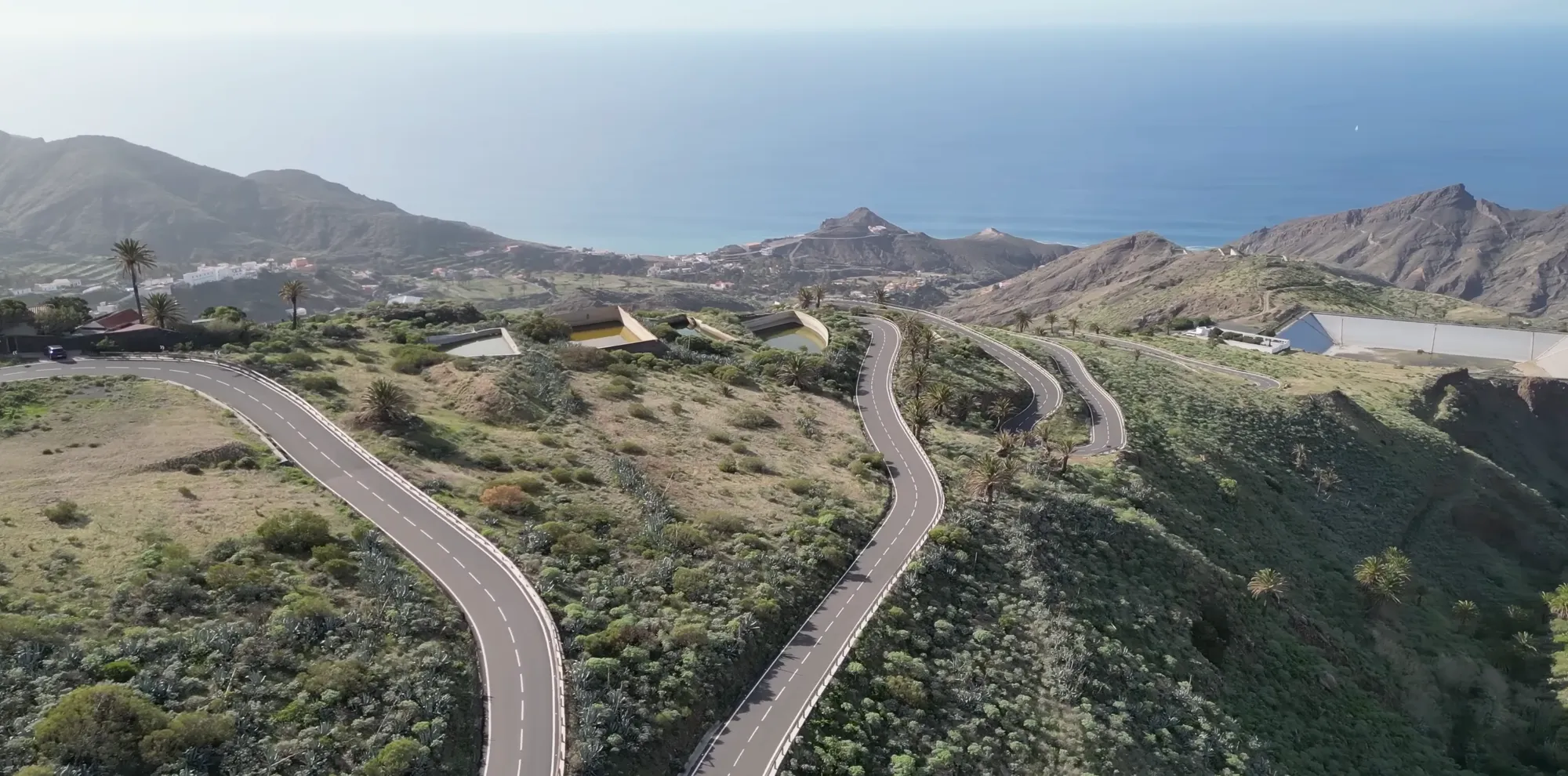
Aerial view of a winding asphalt road cutting through volcanic terrain on La Gomera, Canary Islands. The road curves through sparse green vegetation with rocky volcanic peaks visible in the background and a settled valley to the left. Clear lane markings, dry climate, partly cloudy sky.

Best motorcycle for Highway 1?

This is your bike. A big tank, upright seating and a four that cruises without strain make 200 to 400 mile days on the Blue Ridge or Highway 1 straightforward. Just buy one that's been looked after.

Made for Black Hills · Blue Ridge Parkway · Cherohala Skyway
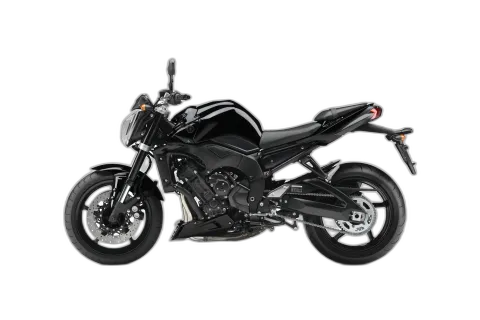
Best motorcycle for Tail of the Dragon?

If you run the Dragon and Cherohala to sharpen technique, the Fazer is honest company: forgiving chassis, lean angle to spare, and enough comfort that the ride in from Atlanta or Knoxville doesn't cost you.

Made for Back of the Dragon · Blue Ridge Parkway · Cherohala Skyway
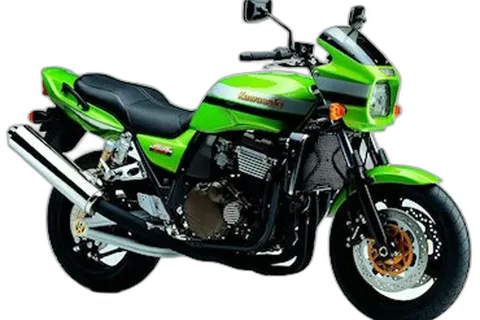
Best motorcycle for Angeles Crest?

Angeles Crest suits it. There's real speed and ground clearance on hand, though it's a heavier, roomier machine than a sharp-edged sportbike, so you ride it with flow rather than aggression.

Made for Angeles Crest Highway · Coronado Trail / US 191 · Highway 1 / Big Sur