·

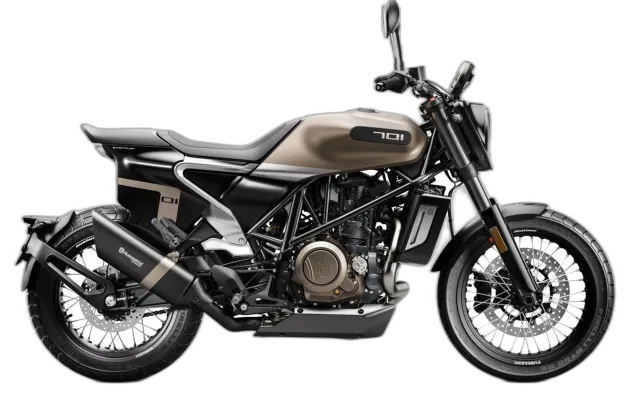
Husqvarna Svartpilen 801 (MY2024) — Scrambler
NastyNils / Husqvarna press archive

2024 · Scrambler · Buyer's Guide

Svartpilen 801 (MY2024)

Sport Chassis, Scrambler Costume

The Machine's Character

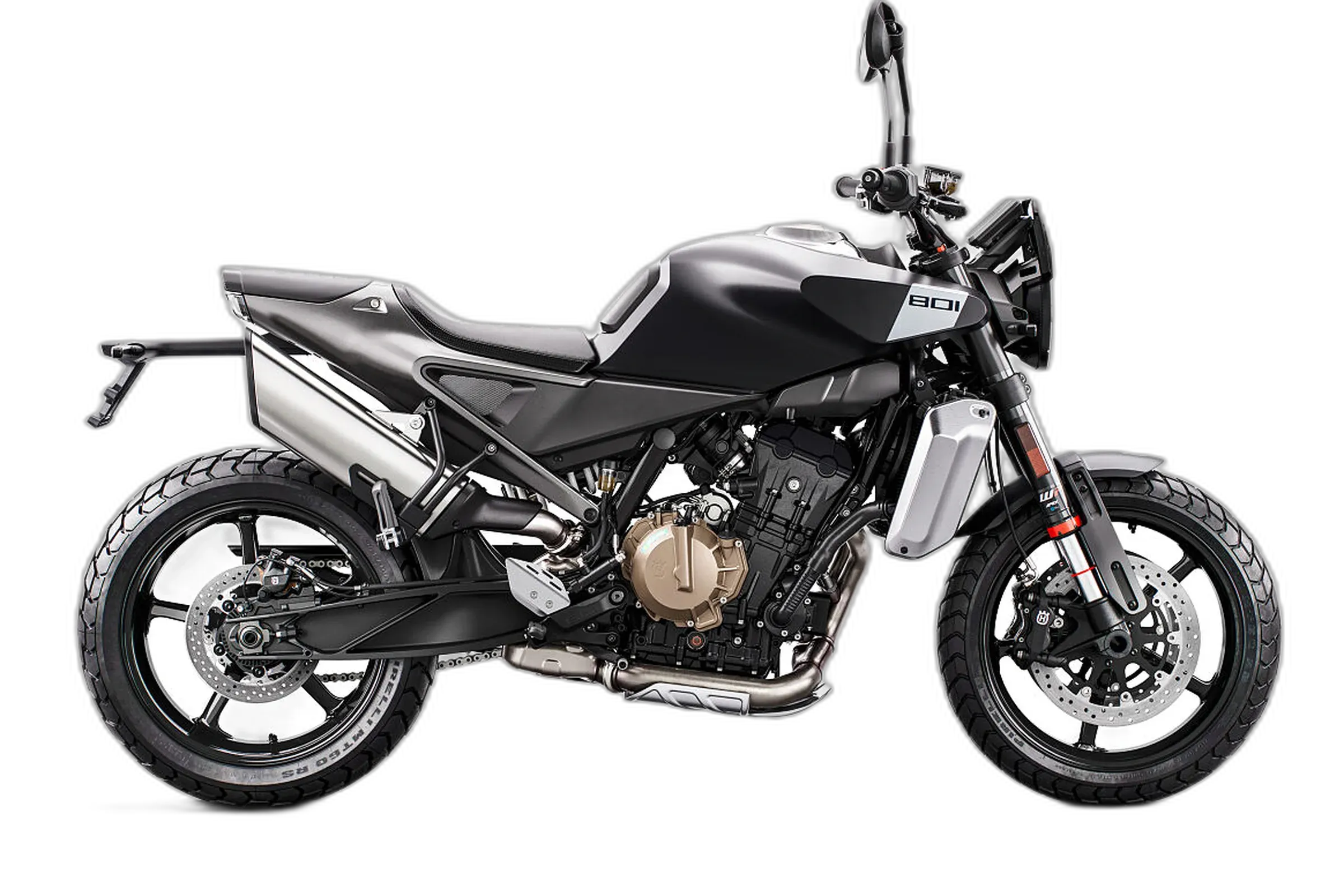
The Svartpilen 801 is the moment Husqvarna's flat-track styling stopped writing checks the engine couldn't cash. Under the scrambler silhouette sits the 799 cc LC8c parallel twin, putting 105 hp and 64 lb-ft through a steel trellis frame, WP APEX suspension and a full six-axis IMU. Cornering ABS, cornering traction control and three ride modes come standard, a serious electronic safety net for a bike styled like a weekend café piece. It reads retro from ten feet away and behaves like a sport-naked the second you start moving. That gap between how it looks and how it rides is the whole point.

On the road it splits cleanly into two machines. At a relaxed pace it steers light, forgives lazy inputs and stays planted. Wind it up and it tightens into something genuinely fast and precise. It suits a rider who wants real sporting ability without a committed riding position, and it carries its proportions so well that the looks are part of the appeal. The honest caveat: the seat is firm, the twin gets fussy lugging around town at low throttle, and the silhouette can't take a top case or bags without falling apart. Plan on a backpack if you need to carry gear.

Hard Numbers

Spec sheets don't ride bikes, but they set the baseline.

Show full specs & equipment Hide specs & equipment
Key specifications
Power 105 hp (77 kW) @ 9,250 rpm
Torque 64 lb-ft (87 Nm) @ 8,000 rpm
Displacement 799 cc
Engine Parallel twin
Bore × stroke 88 × 65.7 mm
Compression 12.7:1
Cooling Liquid-cooled
Fuel system EFI, ride-by-wire
Gearbox 6-speed
Final drive Chain
Frame Steel trellis
Fork Upside-down (USD)
Front brake 300 mm
Rear brake 240 mm
Front tire 110/70 R17 Pirelli MT60 RS
Rear tire 180/55 R17 Pirelli MT60 RS
Wheelbase 57.8 in (1467 mm)
Ground clearance 7.2 in (184 mm)
Front travel 5.5 in (140 mm)
Rear travel 5.9 in (150 mm)
Seat height 32.3 in (820 mm)
Fuel capacity 3.7 gal (14 L)
Fuel economy 52 mpg (US)

Equipment check

Chassis

  • Front Suspension Adjustable Standard
  • Rear Suspension Adjustable Standard
  • Cruise Control Optional

Comfort

  • Heated Grips Optional

Connectivity

  • TFT Display Standard
  • Smartphone Connectivity Standard

Drivetrain

  • Slipper Clutch Standard

Lighting

  • LED Headlight Standard

Safety

  • ABS Standard
  • Cornering ABS Standard
  • Traction Control Standard
  • Ride Modes Standard

The Voice of Experience

Portrait of NastyNils

The test ride

Throw a leg over and the first thing you notice is how unintimidating it feels at a standstill. Seat height and ready-to-ride weight land where most riders can paddle around without that knife-edge moment at the first parking lot stop. The bar sits high and wide, opening your chest and keeping the lean gentle, so a full day in the saddle leaves your knees and lower back alone. The quickshifter is light enough under your boot that you stop reaching for the clutch. Where it asks for patience is the seat, which is stiff and feeds every pothole straight up through you, and the low-mounted mirrors, which pull your gaze down off the road in traffic. The semi-knobby tires hum on hot tarmac and hold on better than their tread suggests.

Rated point by point — where it earns its keep

My own 0–100 score for this bike against the class, area by area — the marker on each bar is the class average.

What surprised me most is how little the styling tells you about the way it goes. The chunky tires and rangy stance hint at something soft, but the moment you're moving it carves a line with genuine conviction and sits squarely in sportbike country. Treat the rugged look as a costume. The stiff suspension is doing the real work, keeping the bike calm through a corner and leaving me certain of what the front tire is up to instead of hoping. Fast direction changes that should make a machine built like this lurch about stay tidy and obedient, following my hands without protest. The whole package leans sporting, yet it never punishes you for using it on an ordinary day, and that breadth is what stuck with me after a week of mixed roads.

The front does its best work on long, repeated days in the mountains, where it stayed strong and predictable pass after pass without ever going vague on me. The control is the standout. Pressure builds smoothly as you squeeze, so there's no sudden grab at the top of the lever, and I could lean on the brake well into a turn while still placing the apex exactly where I wanted. The cornering ABS proved its worth on a couple of genuinely sketchy stretches, wet passes and once when the light was gone entirely, the sort of moment where a blunter setup turns a small mistake into a big one. Newer riders should give it a few miles, though. That initial bite is sharper than they will expect, and it rewards a light, deliberate hand over a fistful.

The character that wins me over is how completely it changes once you uncork it. At a casual roll the twin is calm and easygoing, and I rarely felt any push to chase revs. Get it on the boil, though, and that mellow streak vanishes; wound right out it holds its own against the standard hundred-horsepower middleweights and feels every bit that quick. The gearbox deserves its own mention. Under real pressure on a tight technical course the quickshifter let me grab the right gear for every corner cleanly, up or down, without unsettling the bike, and in normal riding the upshifts are so light I stopped thinking about the lever at all. Where it shows its limits is crawling pace. This is not a motor that enjoys downtown patience, and it makes that plain the moment you ask it to amble.

On a normal week this bike behaves like a proper daily tool. The tall bar and open stance keep me sitting up and relaxed, so a commute or a long run of backroads doesn't leave me climbing off stiff. Slow maneuvering stays calm, with no nervous moment the first time I paddle it around at walking pace, and the width across the bars keeps my upper body open and my knees happy deep into a long stage. The honest tradeoff arrives when you ask for more. The relaxed geometry loads the front lightly, so at a hard pace the bars feed back less than I'd want. It never feels unsafe, just quiet on information. The cushion is firm as well, and broken surfaces reach you without much mercy by the end of a rough day.

What this bike does for your head is the thing I didn't expect to be writing about. The riding stays engaging the whole time without ever tipping into hard work, a steady, measured load on the senses that quietly pulls your head out of wherever it was. Twenty minutes aboard and a grinding workday simply stops mattering somewhere in the first few miles; of everything I ride in this style, that effect is more pronounced here than usual. Part of it is the range it covers. It will match a sporting mood when you're in one and genuinely back off when you're not, and neither setting feels like the consolation prize. It lives in a real gap between sharp and relaxed, and the longer I spent on it the more I valued that it never forced me to pick a side.

Treat this as a one-bike-does-most answer and it mostly delivers. The factory semi-knobby tires look like they'd flounder anywhere serious, yet they grip honestly through lean on pavement and take gravel and broken back roads in stride. They sit more planted and less eager to drop into a corner than pure sport rubber, and hard surfaces are clearly where they're happiest, but when the tarmac runs out you're not left stranded. That breadth is the practical win here. The real limit is carrying anything. The proportions are judged so tightly that the shape falls apart the second you add bags or a top case, factory or not, and a backpack becomes your only honest option for hauling gear. For a bike with this much sporting intent, I call that a fair price for reaching surfaces most rivals won't touch.

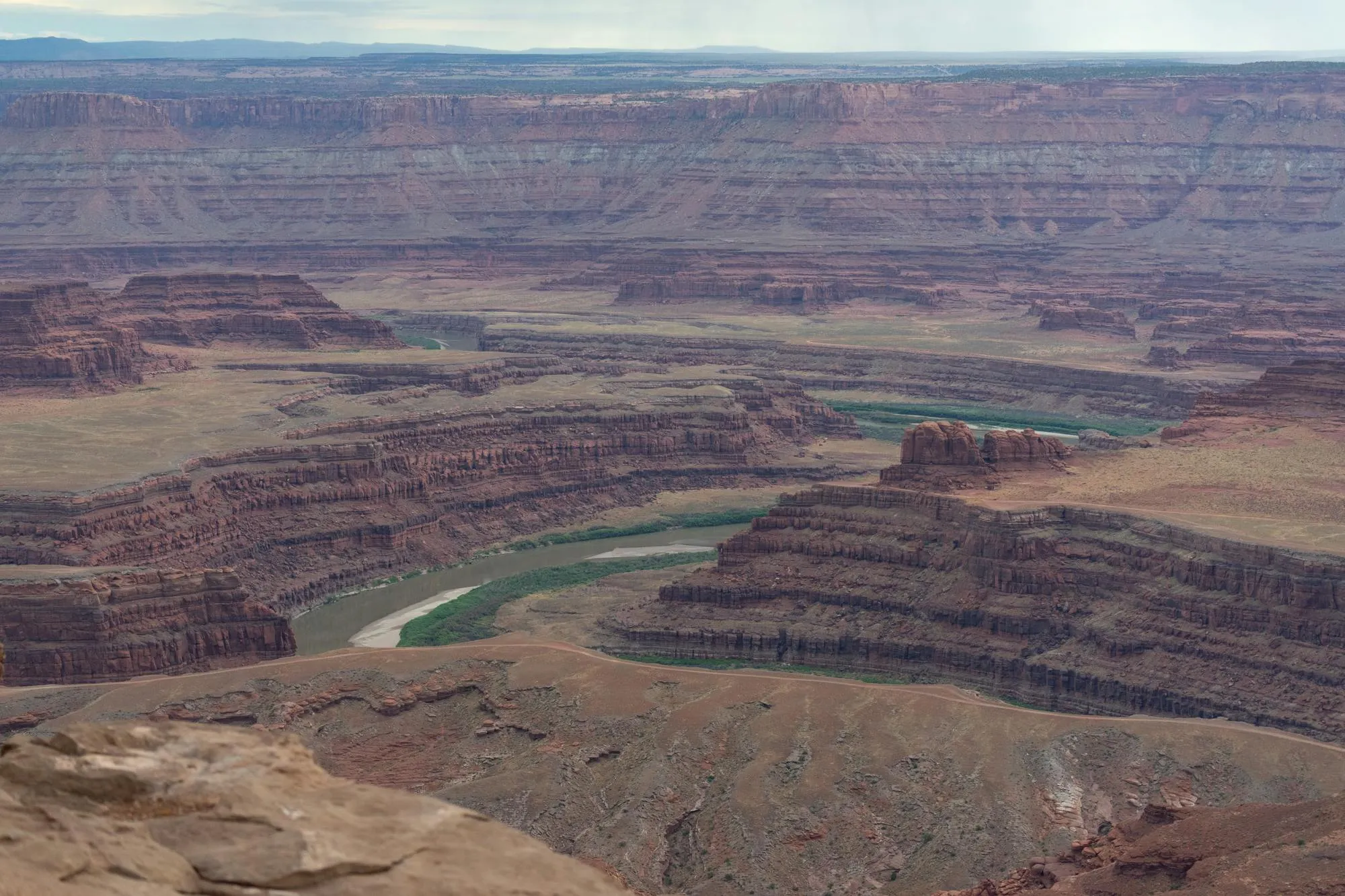
Aerial panoramic view of Dead Horse Point State Park near Moab, Utah. The Colorado River winds through deeply layered red-rock canyons and mesas characteristic of the high desert terrain. The arid landscape extends toward distant mountains under a partly cloudy sky. No motorcycle or rider visible. Daylight conditions, good visibility. Stock photograph by Drew Burks from Pexels.
Drew Burks / Pexels

The Truth on the Street

This isn't my own test verdict. It's what I've pieced together over years of reading YouTube comments, following forum threads, swapping notes with owners in the paddock, and the messages riders send straight to my inbox. On the Svartpilen 801 that crowd lands on a clear pattern: real admiration for the way it goes down a road, shadowed by a couple of gripes that keep resurfacing.

What riders keep praising

The engine pulls the most votes by a wide margin. Owners describe the 799cc parallel twin as clean and willing down low and hungry for revs up top, with a sharp 105 hp (77 kW) peak that pushed the Svartpilen out of its single-cylinder past into genuine middleweight pace. The chassis draws nearly as much attention. Riders keep noting how the scrambler look hides naked-bike reflexes, crediting the steel trellis frame, the fully adjustable WP APEX suspension and the 17-inch wheels for handling that stays light and sharp. The full cornering electronics package earns steady credit too, since cornering ABS, traction control, slip regulation and three ride modes hand a retro-styled bike a safety net the segment usually skips. The flat-track styling and bar-end mirrors come up again and again as what sets it apart, and early owners single out tidy build quality on a twin most now treat as proven.

The gripes that keep surfacing

The complaints repeat just as reliably. The slim flat-track seat tops the list, with riders finding comfort fades around the hour mark and longer days cut short. Close behind is irritation that the up/down quickshifter and the wider set of ride modes show up as paid extras on a bike priced this high, when more of the field now folds them in. The dual-purpose tires earn their own recurring note, looking the part while trimming wet-weather confidence and outright cornering grip next to proper sport rubber. A smaller group reports the soft suspension running short of travel and bottoming over sharp hits, usually with a passenger or luggage aboard.

Known issues

  • Early-production quickshifter calibration glitches

    electricsoccasional

    Some owners of MY2024 units report inconsistent Easy Shift behaviour, particularly on downshifts at low rpm; typically resolved by an ECU update at the dealer.

  • TFT display Bluetooth pairing drops

    electricsoccasional

    Reports of the Husqvarna Ride app losing Bluetooth pairing to the 5-inch TFT, requiring re-pairing; software-side issue addressed in app updates.

The Expert Benchmark

Where this Husqvarna Svartpilen 801 pulls ahead of — or falls behind — its rivals on the numbers, and the typical bike in its class on character.

What kind of bike this is — character vs. the class

This bike Class average

Head-to-head: Husqvarna Svartpilen 801 vs. its rivals

The 'Should I Buy It?' Score

Forget spec-sheet bragging. Here's who the Svartpilen 801 is actually built for.

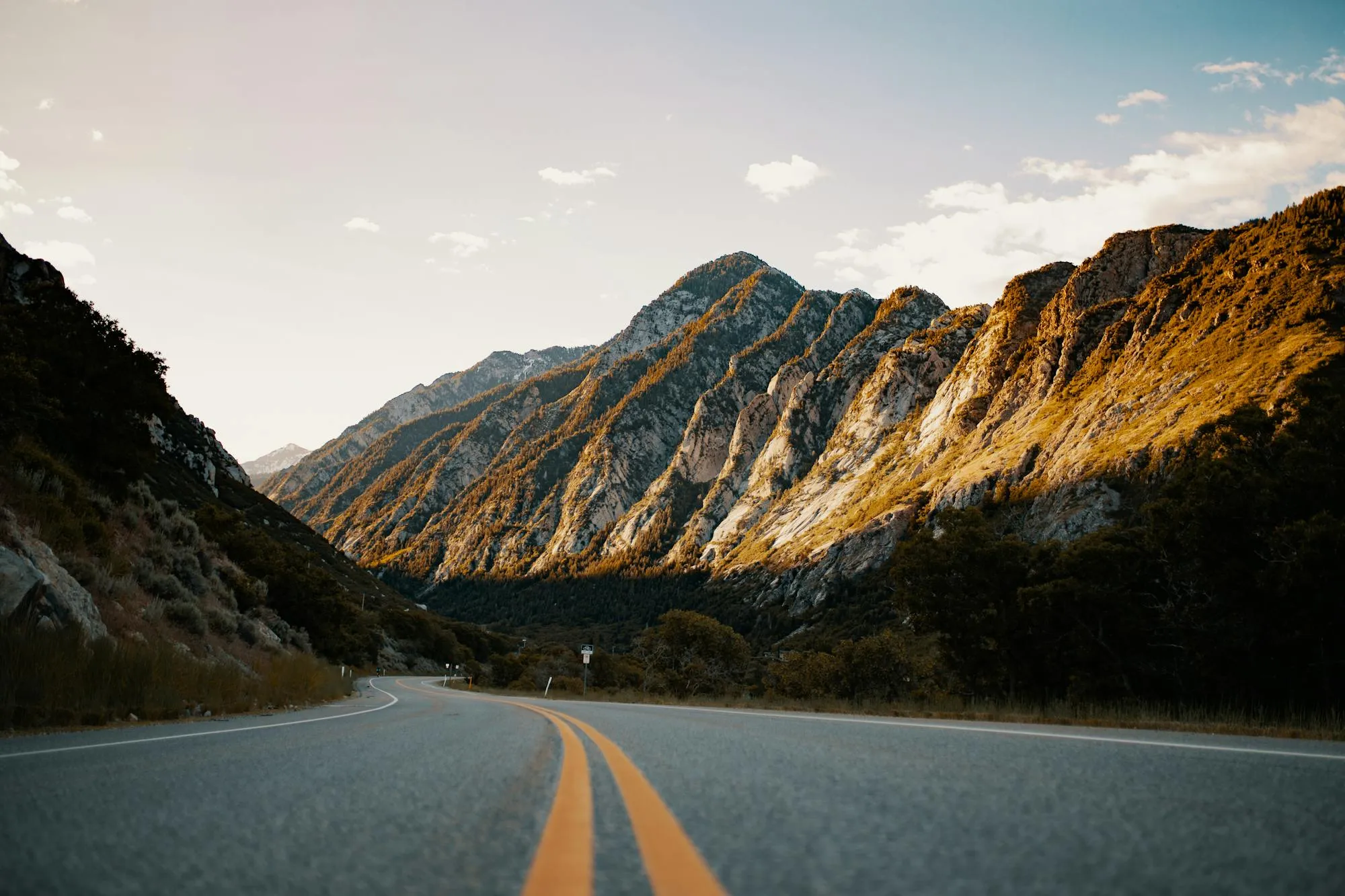
A scenic view of Angeles Crest Highway winding through rugged Southern California canyon terrain. Rocky mountainsides with golden earth tones frame the asphalt road with tight sweeping curves. Double yellow center line visible, sparse vegetation along the shoulders, clear blue sky with white clouds. Daylight, dry conditions. No motorcycle or rider visible. Iconic location for canyon-road enthusiasts.
Josh Sorenson / Pexels

Best motorcycle for Texas Hill Country?

If your weekends are sweepers and switchbacks out of Austin or San Antonio, this is right in its element. It loves a high-held engine through long curves. Just plan on a backpack, because it won't take luggage.

Made for Austin / Texas Hill Country · Twisted Sisters · Austin / Handbuilt Motorcycle Show
Best motorcycle for Bay Area?

Built for exactly your mix of city commuting and weekend Skyline runs. The design earns the parking-lot attention and the modern electronics back it up, though the firm seat and low mirrors are your daily compromises.

Made for Bay Area Ridge Roads · San Francisco / Bay Area · Skyline Boulevard / Alice's Restaurant

Best retro motorcycle for road trips?

The classic silhouette fits the heritage-route mood, but be honest about the rhythm. This twin wants revs and a sporting pace, gets fussy at a casual crawl, and won't carry road-trip luggage.

Made for Acadia National Park · Austin / Handbuilt Motorcycle Show · Blue Ridge Parkway