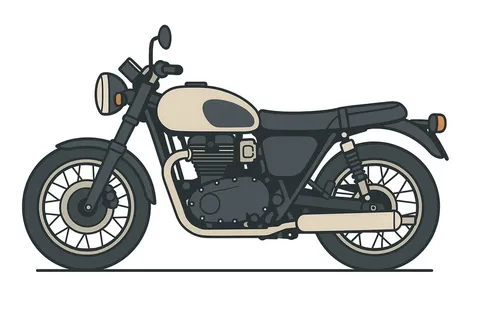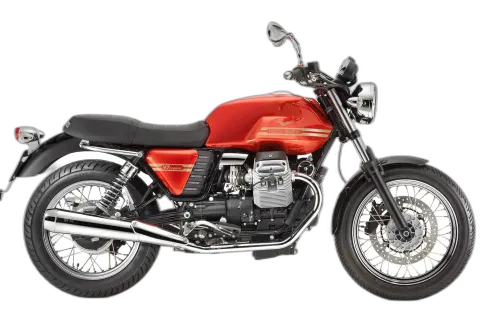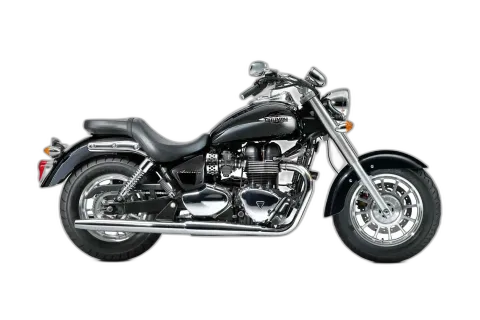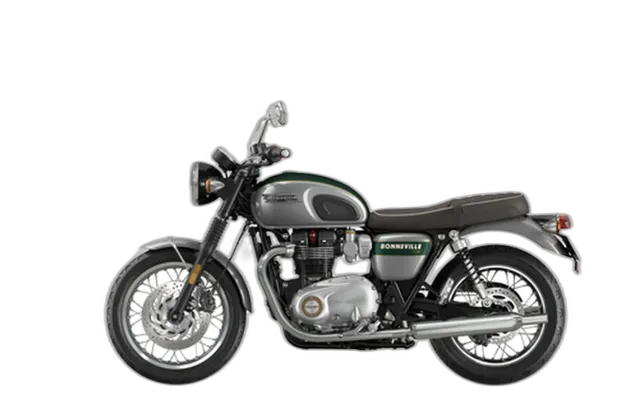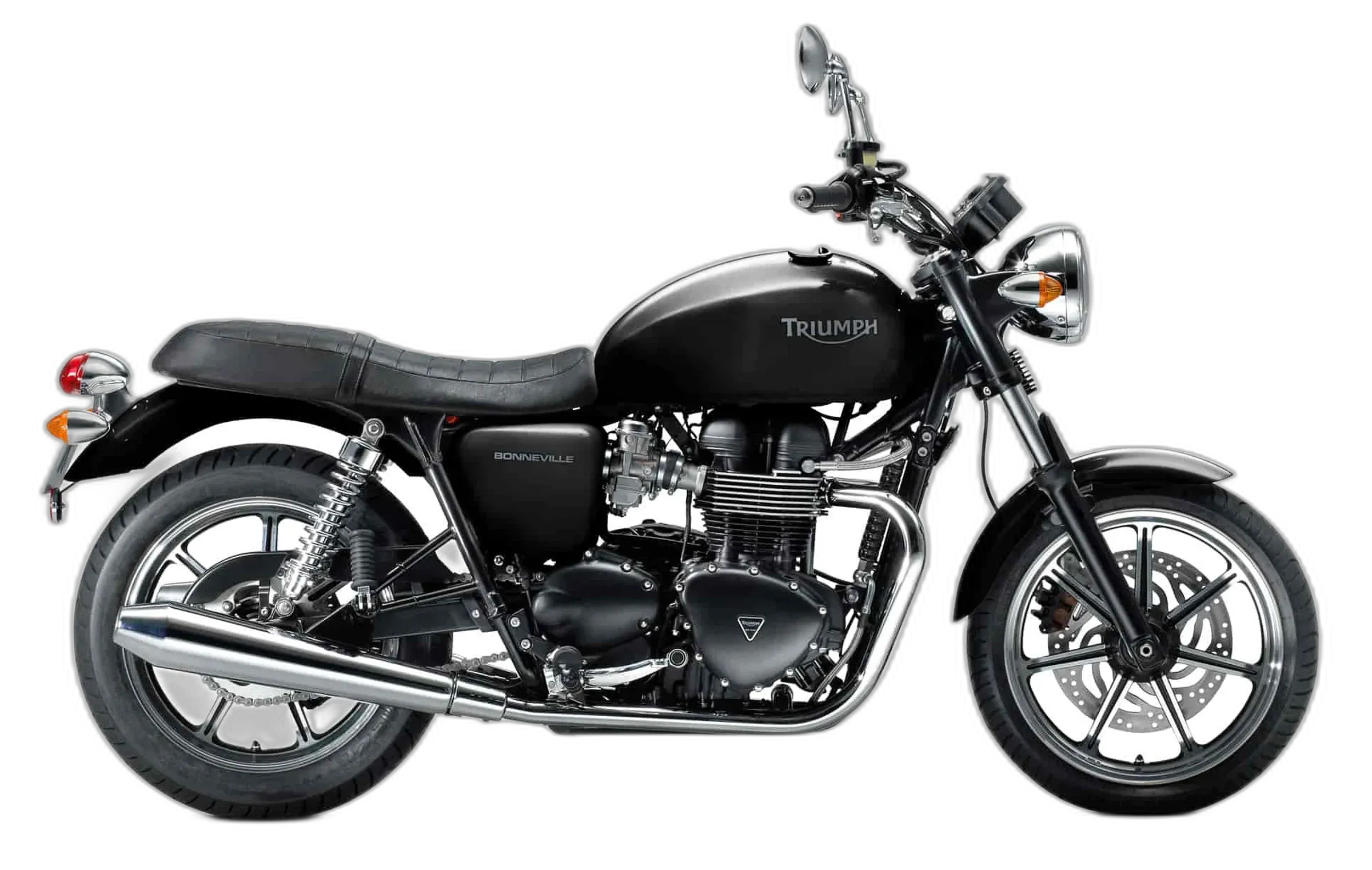

Triumph Bonneville (MY2007-SE) — Retro Classic
Triumph Press

2008–2013 · Retro Classic · A variant of the Bonneville

Bonneville SE (MY2007-SE)

Differences between the standard Bonneville and the SE

3.5 / 5 NastyNils Rating · against its class

Pure Retro, Zero Pretense

The Machine's Character

The Bonneville SE is built around an air-cooled 865 cc parallel twin with a 360-degree crank and fuel injection, tuned so the useful part of the powerband shows up early and stays flat. 66 hp and 52 lb-ft don't read as dramatic on paper, and that is exactly the intent: the numbers are there when you ask, and they never demand anything back. Around that engine sits a steel double cradle frame, a five-speed box and chain drive, wrapped in a shape that holds up under close inspection. This is the reference point for the whole modern classic idea, styling first, engineering kept quiet.

It rides the way it looks, unhurried and honest, happiest between town speed and a steady highway cruise. It ages honestly too. The mechanical layout is simple, the finishes stay presentable, and the aftermarket behind this bike is deep enough that keeping one right, or making it yours, is rarely a project. This is for the rider who buys with their eyes and their gut, then wants the technology to stay invisible. The caveat is equipment. There is no ABS and no traction control, the fork offers no adjustment at all, and the rear shock gives you preload and nothing more.

Hard Numbers

Spec sheets don't ride bikes, but they set the baseline.

Show full specs & equipment Hide specs & equipment
Key specifications
Power 66 hp (49 kW) @ 7,200 rpm
Torque 52 lb-ft (70 Nm) @ 6,000 rpm
Displacement 865 cc
Engine Parallel twin
Cooling Air-cooled
Gearbox 5-speed
Final drive Chain
Fork Telescopic
Front brake 310 mm
Front tire 110/70-17
Rear tire 130/80-17
Wheelbase 57.2 in (1453 mm)
Seat height 29.5 in (749 mm)
Wet weight 496 lb (225 kg)
Fuel capacity 4.2 gal (15.9 L)

Equipment check

Chassis

  • Rear Suspension Adjustable Standard

Comfort

  • Heated Grips Optional
  • Luggage System Optional

What the Bonneville SE Adds — Differences vs the Standard Bonneville

The Bonneville SE (MY2007-SE) builds on the standard Bonneville: the upgraded hardware, the key spec changes and where its character shifts. The full ride, specs, scoring and verdict are all right here on this page.

Hard spec differences

SpecStandard BonnevilleSEΔ
Seat height 30.5 in 29.5 in -1.0 in
Fuel capacity 4.4 gal 4.2 gal -0.2 gal
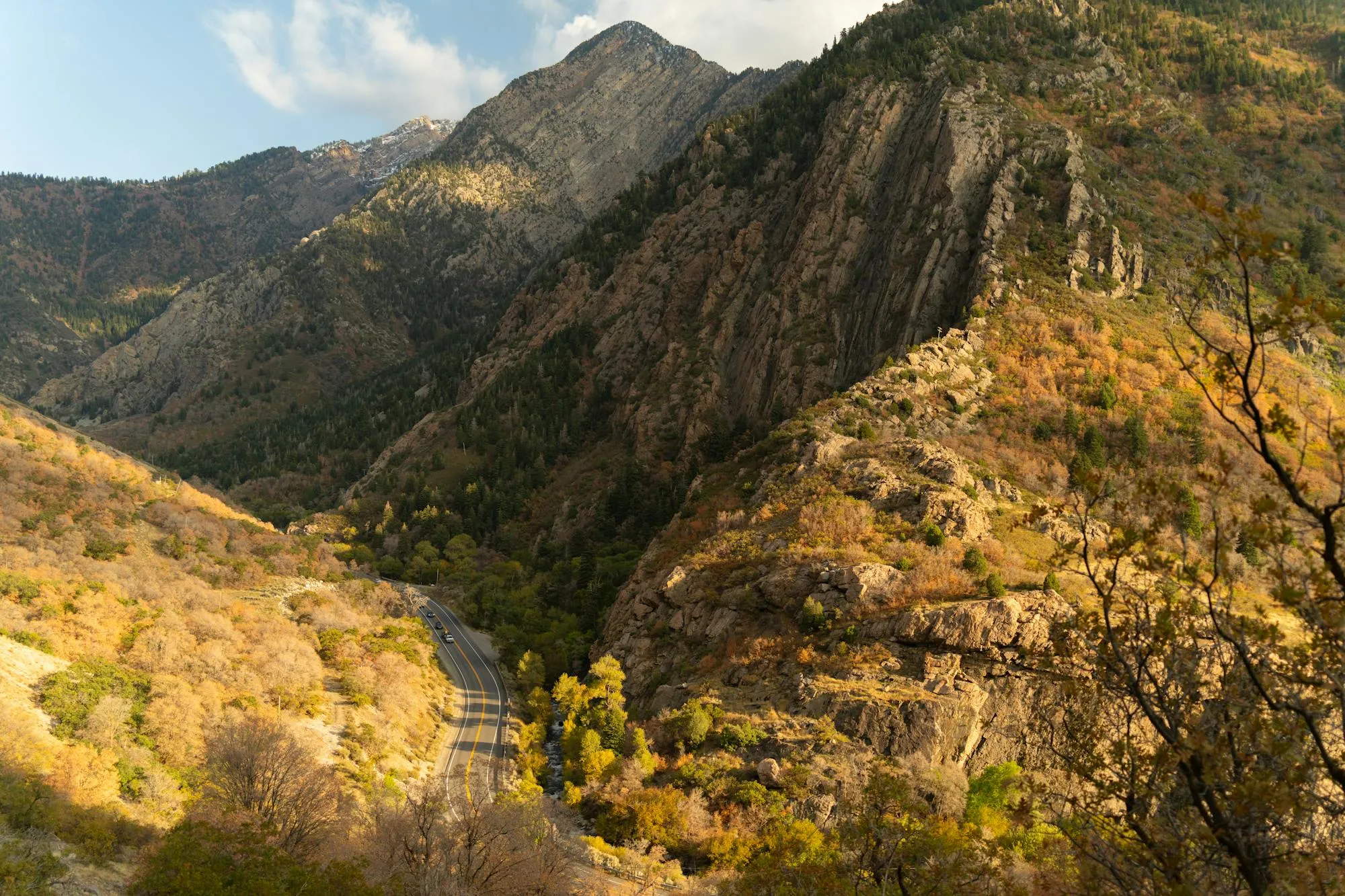
An elevated view of a deep autumn canyon, likely Big Cottonwood Canyon, Utah. Steep rocky cliff faces and forested mountain ridges frame a narrow valley where a winding two-lane road passes below. Deciduous trees display full autumn color — gold, orange, and amber — interspersed with green conifers on the steep slopes. A single dark vehicle is visible far below on the road. Snow-dusted mountain peaks rise in the background under a partly cloudy sky.
Alex Moliski / Pexels

The Truth on the Street

Two decades of listening adds up. Paddock conversations, owners catching me at club nights, and the emails and messages riders send in have built a clear picture of this one. The praise lands in the same places nearly every time: how it looks, how the twin pulls, and how long it keeps running. The complaints are narrower, and they gather around the front brake and the parts your body touches.

Looks That Hold Their Value

Riders come back to the styling first. The homage to the 1960s Bonneville reads as faithful to them, wire wheels included, and SE owners single out paint and chrome quality in particular. Nobody in these conversations reports getting tired of the shape. That sentiment shows up in money too: owners consistently find used examples hold their value, which they put down to steady demand and the name on the tank.

Easy To Ride, Hard To Kill

The engine draws praise for what it doesn't do. Riders describe relaxed, linear power with a strong midrange, easy at town speed and still willing when they want to push on. The riding position gets the same treatment: upright, wide bar, low seat, a fit that suits a broad range of riders on a commute or a full day out. Then there's durability. Owners report these motors running past 100,000 miles on basic maintenance, and they treat that as normal rather than remarkable.

The Front Brake Comes Up First

The single front disc is the gripe that comes up almost every time. Riders describe a firm pull for not much in return, vague feel, a wooden response, and plenty call it the most dated thing on the bike. The stock seat is next, firm and thinly padded, with enough owners moving to a gel or aftermarket unit that it reads as a pattern for longer days. A few mention clutch effort wearing on them in stop-and-go traffic. Some note that passing at higher speeds takes planning. Owners who keep theirs looking right point out that chrome and polished alloy pit and corrode if they aren't cleaned regularly.

Known issues

  • Ignition coil failure

    electrics occasional

    Coil packs can fail, causing misfires or the engine cutting out. Often traced to heat cycling or moisture ingress; replacement resolves it.

  • Crank position sensor failure

    electrics rare

    The crank position sensor can fail without warning, leaving the bike unable to start. Part is shared with many modern vehicles and readily available.

  • Water ingress on spark plug leads

    engine rare

    Heavy rain can let water pool around spark plug boots, causing temporary rough running. Dielectric grease on the boots usually prevents the problem.

  • Fuel pump noise

    fuel system occasional

    Some owners report an audible squeal from the fuel pump, especially after the tank has been removed. It typically does not affect performance.

  • Water intrusion causing misfire

    engine occasional

    Heavy rain can allow water to collect around the spark plug boots, leading to rough running or misfires; applying dielectric grease fixes it.

  • Rectifier/regulator failure

    electrics occasional

    Prone to overheating and failure, particularly on earlier models, leading to charging system problems; reported on the closely related America model.

  • Cam cover gasket leak

    engine occasional

    Oil seepage from the cam cover gasket is a common cosmetic issue; an upgraded aftermarket gasket typically resolves it permanently.

The Expert Benchmark

Where this Triumph Bonneville pulls ahead of — or falls behind — its rivals on the numbers, and the typical bike in its class on character.

What kind of bike this is — character vs. the class

This bike Class average

Head-to-head: Triumph Bonneville vs. its rivals

The 'Should I Buy It?' Score

Forget spec-sheet bragging. Here's who the Bonneville is actually built for.

A scenic view of Angeles Crest Highway winding through rugged Southern California canyon terrain. Rocky mountainsides with golden earth tones frame the asphalt road with tight sweeping curves. Double yellow center line visible, sparse vegetation along the shoulders, clear blue sky with white clouds. Daylight, dry conditions. Iconic location for canyon-road enthusiasts.
Josh Sorenson / Pexels

Best retro motorcycle for road trips?

This is your bike, full stop. Small towns, unhurried pace, and a shape that looks right parked outside every diner and overlook. Pack light, though: luggage is an option here, not standard equipment.

Made for Acadia National Park · Austin / Handbuilt Motorcycle Show · Blue Ridge Parkway
Best cruiser for Sturgis?

You get real identity and a bike people walk over to look at. Just know this is a lean British twin, not a low, heavy, big-inch cruiser, so the rally soundtrack and stance are a different flavor.

Made for Black Hills / Sturgis Rally Hub · A1A — Florida Atlantic Coast · Daytona Main Street / Bike Week

Best motorcycle for Texas Hill Country?

Great company on relaxed loops and long lunch stops, and it stays planted on the highway run out there. Push hard through fast sweepers and the soft suspension and 66 hp will cap your pace.

Made for Austin / Texas Hill Country · Texas Hill Country BDR-X · Twisted Sisters

What's new versus the previous generation

If you're cross-shopping the older generation, here's what changed.

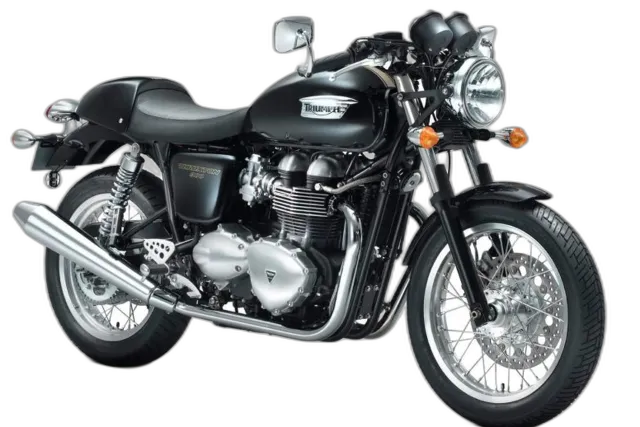
Triumph Bonneville T100 (908MD)

Previous generation · 2002–2004

Triumph Bonneville T100 (908MD)

The Real Bonneville Returns

Compare to the previous model →

Alternatives to the Triumph Bonneville

If this one isn't quite the fit, these are the bikes worth riding back-to-back against it.

Any price note compares both bikes at the same age — the youngest age both have on the used market — against this Triumph Bonneville. “cheaper/pricier” is what that bike costs second-hand, not how worn it is.