Suzuki SV 1000 (2nd Gen) — Naked Bike

2003–2007 · Naked Bike · Buyer's Guide

SV 1000 (2nd Gen)

Big V-Twin, Surprisingly Civilized

The Machine's Character

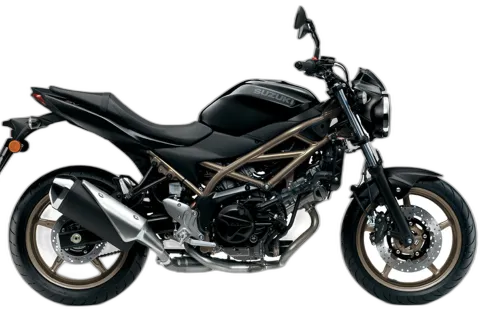
The SV1000 takes Suzuki's 996cc, 90° V-twin and hands it to riders who want charisma without theater. It makes 120 hp and 74 lb-ft, and the meat of that torque shows up early, so the bike pulls hard from just off idle instead of making you chase the tach. It's the same characterful V-twin family that powered the TL1000S, wrapped here in a light trellis frame and an upright, roomy naked stance. That puts it squarely in the honest-substance corner of the class: quick where it counts, easy to place, and built to be ridden every day rather than admired in a showroom.

On the road it ages like a tool, not a trophy. The core engine and gearbox are dependable, and the riding position stays comfortable through long backroad days. Where the budget shows is in the details. The suspension and brakes are competent rather than sharp, and the finish needs looking after if you want it to stay clean. This is the bike for a rider who values return on every dollar over badge shine. If you want cutting-edge electronics or flawless plating out of the crate, look elsewhere. If you want a torquey twin that just works, it delivers.

Hard Numbers

Spec sheets don't ride bikes, but they set the baseline.

Show full specs & equipment Hide specs & equipment
Key specifications
Power 120 hp (88 kW) @ 9,000 rpm
Torque 74 lb-ft (101 Nm) @ 7,200 rpm
Displacement 996 cc
Engine 90° V-twin
Cooling Liquid-cooled
Gearbox 6-speed
Final drive Chain
Fork Telescopic
Front brake 310 mm
Front tire 120/70-17
Rear tire 180/55-17
Wheelbase 56.9 in (1445 mm)
Seat height 31.5 in (800 mm)
Wet weight 459 lb (208 kg)
Fuel capacity 4.5 gal (17 L)
Top speed 149 mph (240 km/h)
Fuel economy 41 mpg (US)

Equipment check

Chassis

  • Front Suspension Adjustable Standard
  • Rear Suspension Adjustable Standard

The Voice of Experience

Portrait of NastyNils

The test ride

Swing a leg over and the first thing you notice is how unintimidating it feels for a liter twin. The seat sits at 31.5 inches and the 459-pound wet weight carries low, so the bike settles into your hands instead of fighting them. Fire it up and the V-twin thumps through the exhaust with a deep, offbeat voice you feel as much as hear, and there's an honest mechanical buzz through the pegs and bars that reminds you what's under you. The bars are wide, the tank is easy to grip with your knees, and the upright stance gives you air. That wind pressure builds fast and does clever work: it makes ordinary speeds feel eventful and keeps your right wrist honest without draining the fun. Roomy, planted, and easy to read at real road pace.

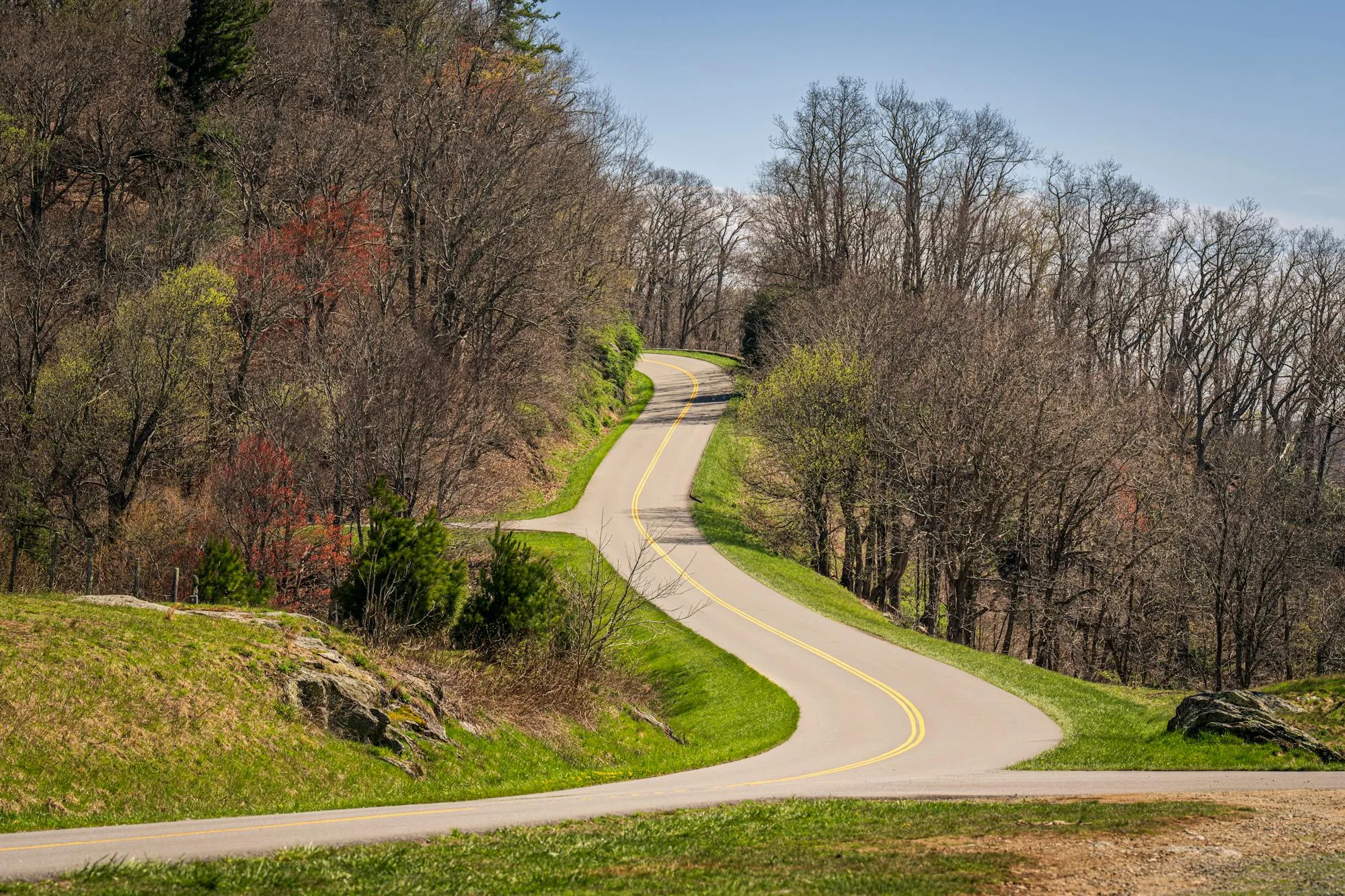
A winding asphalt road descending through the Appalachian Mountains, likely the famous Tail of the Dragon section in Tennessee and North Carolina. Multiple technical right-hand and left-hand curves are visible in this aerial perspective, surrounded by deciduous forest in spring foliage. Clear sunny conditions, well-maintained asphalt with yellow center lines marking the curves.
Mark Stebnicki / Pexels

The Truth on the Street

None of what follows is my own test ride. It's the sentiment I've collected from riders over the years, from long email threads, direct messages, and the kind of paddock talk that follows a bike around. Pool all of it for the SV1000 and one pattern holds steady: a lot of honest V-twin for the money, judged on what it does far more than how it looks.

The Value Riders Keep Coming Back To

The steadiest praise is price. Many owners still call it one of the cheapest routes to a big-bore V-twin, and they tie that value straight to the engine, a tractable 90-degree twin with a satisfying wave of torque and a voice they enjoy at any pace. From there the talk turns practical. The relaxed delivery and light handling make it as content commuting through town as it is out for the weekend, and taller riders regularly bring up the roomy seat and legroom that keep long days comfortable.

The Rough Edges Owners Live With

The recurring gripe is that the suspension and brakes feel built to a budget, short on the feel and precision of pricier rivals, with a soft rear spring that some find bottoms out when pushed hard or loaded two-up. A steady number also mention corrosion, with fasteners, discs, radiator, and paint prone to rust if the bike lives outside. Heavy clutch action comes up often too, along with grab or judder off the line. A smaller group adds that the styling has dated next to its Italian rivals.

Known issues

  • Fuel tank leaks at vapor separator bracket (recall)

    fuel systemrareRecall

    On California-specification models, vibration can crack the weld where the liquid/vapor separator bracket meets the tank, causing fuel to leak. A recall (NHTSA 06V013000) was issued for 2003–2006 SV650/S and SV1000/S E33 models.

  • Flywheel magnet detachment

    enginerare

    A small number of engines have suffered from the epoxy that secures the rotor magnets failing, causing magnets to come loose. This can cause charging system failure and in worst-case scenarios, engine damage if magnet fragments circulate.

  • Clutch judder and grab at low RPM

    drivetrainoccasional

    Many owners report a grabbing or shaking sensation when engaging the clutch from a stop, often described as 'clutch chatter.' This is a known characteristic of the early basket design and can be improved by swapping to a late-model or aftermarket basket.

  • Engine knocking (crank bearing rumble) on 2003 models

    enginerare

    A low-pitched knocking or rumbling sound from the engine, often called the 'dreaded knock,' has been reported on some early K3 models. It typically appears when the engine is hot and at idle, and while it has not been linked to catastrophic failures, it can be a source of worry.

  • Corrosion of fasteners, brake discs, and radiator

    bodyworkcommon

    The SV1000 suffers from poor-quality plating and paint, leading to widespread surface rust on bolts, discs, and radiator fins, especially if not garaged or treated with corrosion inhibitor.

The Expert Benchmark

Where this Suzuki SV 1000 pulls ahead of — or falls behind — its rivals on the numbers, and the typical bike in its class on character.

What kind of bike this is — character vs. the class

This bike Class average

The shape of the Suzuki SV 1000 — numbers and character vs. the average Naked Bike

Head-to-head: Suzuki SV 1000 vs. its rivals

The 'Should I Buy It?' Score

Forget spec-sheet bragging. Here's who the SV 1000 is actually built for.

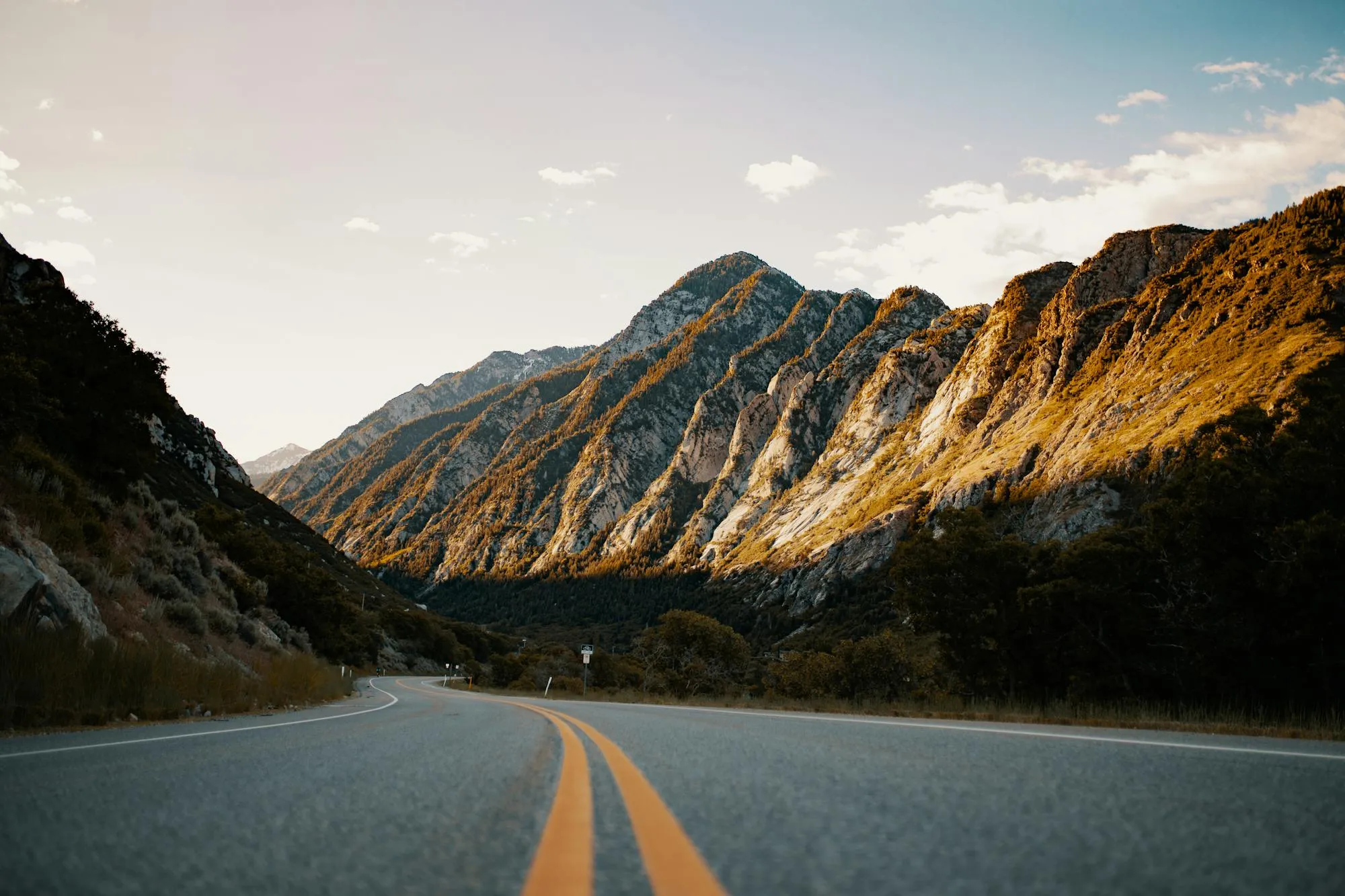
A scenic view of Angeles Crest Highway winding through rugged Southern California canyon terrain. Rocky mountainsides with golden earth tones frame the asphalt road with tight sweeping curves. Double yellow center line visible, sparse vegetation along the shoulders, clear blue sky with white clouds. Daylight, dry conditions. Iconic location for canyon-road enthusiasts.
Josh Sorenson / Pexels

Best motorcycle for Tail of the Dragon?

You ride the same tight Appalachian twisties over and over to sharpen technique. The SV's light handling and low-end torque let you focus on lines, not horsepower, and it won't punish a learning day.

Made for Back of the Dragon · Blue Ridge Parkway · Cherohala Skyway
Best motorcycle for Angeles Crest?

You chase precision on LA's canyon roads. The SV steers light and stays planted, but its budget suspension and brakes will show their limits once you're really pushing.

Made for Angeles Crest Highway · Coronado Trail / US 191 · Highway 1 / Big Sur

Best motorcycle for Texas Hill Country?

Your rides mix backroad fun with roadtrip miles and good company. The SV's torquey twin, upright comfort, and fair running costs make it an easy, honest weekend companion.

Made for Austin / Texas Hill Country · Twisted Sisters · Austin / Handbuilt Motorcycle Show