
Kawasaki W230 (MY2025) — Naked Bike
Kawasaki press archive

2025–2026 · Naked Bike · Buyer's Guide

W230 (MY2025)

3.5 / 5 NastyNils Rating · against its class

Retro Soul, Zero Drama

The Machine's Character

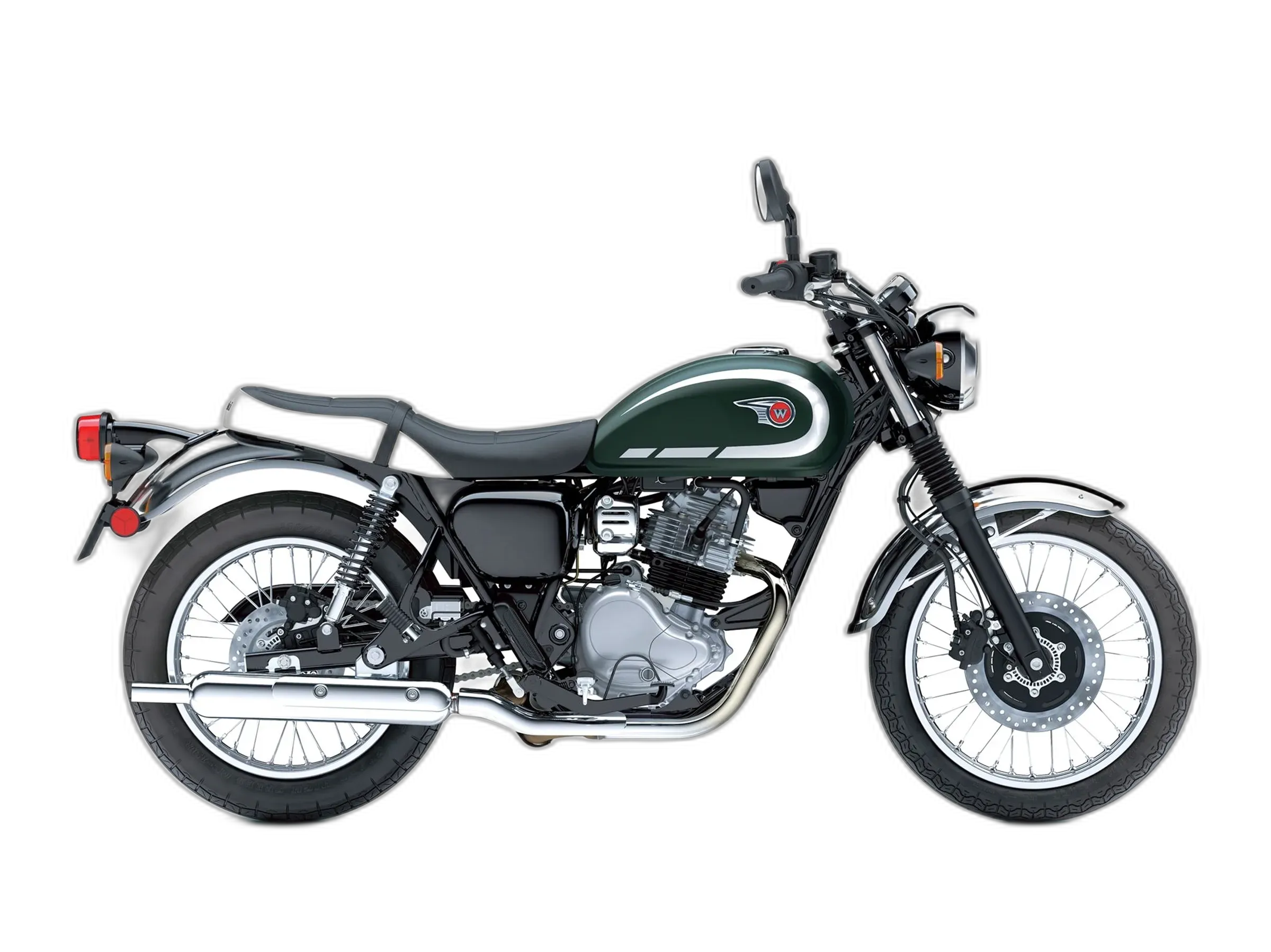
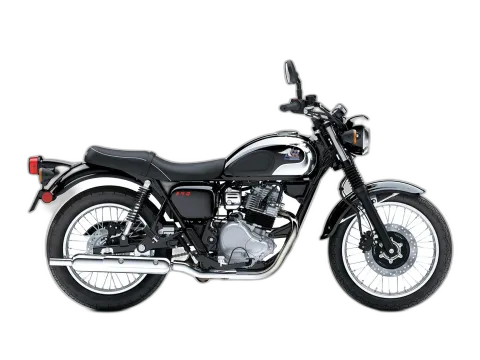
The W230 is Kawasaki's retro standard in its smallest, simplest form. It has a teardrop tank, chrome, a peashooter exhaust, and a steel double cradle frame around an air-cooled 233 cc single. That engine comes from the KLX230 and is retuned for town work. It makes 18 hp at 7,000 rpm and 14 lb-ft, which are modest numbers, and the bike never pretends otherwise. What it offers is ease. It weighs 319 lb (145 kg) wet and the seat is 29.3 in (744 mm) high, so pushing it around, parking it and riding it all take very little effort. ABS is standard, and the rear shock is adjustable for preload.

On the road it suits riders who care more about easy handling than speed. The 18-inch front and 17-inch rear wheels run narrow tires, so the bike steers easily and naturally, and there's plenty of lean clearance for a bike like this. Running costs are low, and the simple air-cooled layout is built to last. Kawasaki has recalled certain 2025 ABS bikes for an unstable ground connection between the battery and the frame, so make sure that work has been done. It's for new riders, returning riders and city dwellers who want style without stress. The honest caveat: on open highways and fast back roads, 18 hp is not much.

Hard Numbers

Spec sheets don't ride bikes, but they set the baseline.

Show full specs & equipment Hide specs & equipment
Key specifications
Power 18 hp (13 kW) @ 7,000 rpm
Torque 14 lb-ft (19 Nm)
Displacement 233 cc
Engine Single-cylinder
Cooling Air-cooled
Gearbox 6-speed
Front tire 90/90-18
Rear tire 110/90-17
Seat height 29.3 in (744 mm)
Wet weight 319 lb (145 kg)
Fuel capacity 3.2 gal (12 L)

Equipment check

Chassis

  • Rear Suspension Adjustable Standard

Safety

  • ABS Standard
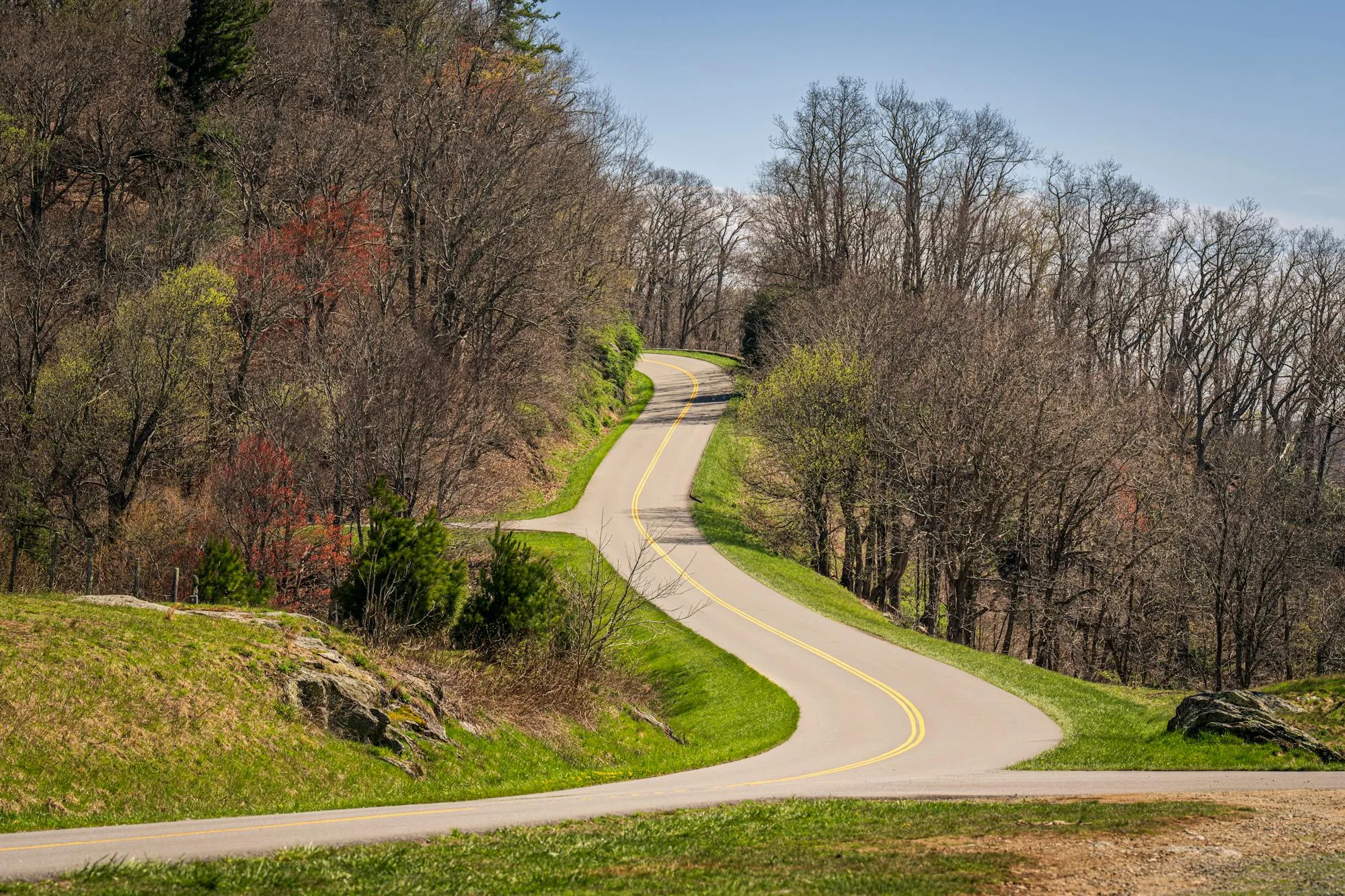
A winding asphalt road descending through the Appalachian Mountains, likely the famous Tail of the Dragon section in Tennessee and North Carolina. Multiple technical right-hand and left-hand curves are visible in this aerial perspective, surrounded by deciduous forest in spring foliage. Clear sunny conditions, well-maintained asphalt with yellow center lines marking the curves.
Mark Stebnicki / Pexels

The Truth on the Street

Over the years I've heard a lot about the W230: in paddock conversations, from owners at club nights, and in the emails and messages riders send me directly. The picture is clear and mostly positive. Owners talk about how easy it is to trust and how little it costs to keep, and the complaints that come up are few and scattered.

Easy to trust, cheap to keep

Confidence comes up again and again. New and returning riders say the light clutch and predictable pickup put them at ease from the very first ride. Owners praise the finish as much as the look, and many say the quality of the detailing makes it stand out among small-displacement bikes. Then there's the fuel bill. Some owners report better than 90 mpg, and riders say insurance usually costs very little.

Where broken pavement finds it out

The gripes are rarer. A few owners say that on potholes and broken pavement, the light weight and basic suspension make the bike shimmy and feel busy. Others say it has trouble keeping pace with faster traffic, so they stick to city streets and secondary roads.

Known issues

  • Recall: Unstable electrical ground connection may cause failures

    engine rare Recall

    Kawasaki has reportedly recalled certain 2025 W230 ABS motorcycles because the ground connection between the battery and frame can become unstable, potentially leading to electrical malfunctions or stalling (NHTSA campaign 25V363000).

  • Gritty or notchy shifting during break-in period

    drivetrain occasional

    Some owners report rough or notchy gear changes when the bike is new, often attributed to the factory oil fill; an early oil change may resolve the symptom.

The Expert Benchmark

Where this Kawasaki W230 pulls ahead of — or falls behind — its rivals on the numbers, and the typical bike in its class on character.

What kind of bike this is — character vs. the class

This bike Class average

The shape of the Kawasaki W230 — numbers and character vs. the average Naked Bike

Head-to-head: Kawasaki W230 vs. its rivals

The 'Should I Buy It?' Score

Forget spec-sheet bragging. Here's who the W230 is actually built for.

A scenic view of Angeles Crest Highway winding through rugged Southern California canyon terrain. Rocky mountainsides with golden earth tones frame the asphalt road with tight sweeping curves. Double yellow center line visible, sparse vegetation along the shoulders, clear blue sky with white clouds. Daylight, dry conditions. Iconic location for canyon-road enthusiasts.
Josh Sorenson / Pexels

Best motorcycle for Bay Area?

For the city half of your week, this is an easy, good-looking commuter that slips through San Francisco traffic. On Skyline it's a relaxed ride with friends, not a bike for keeping pace.

Made for Bay Area Ridge Roads · San Francisco / Bay Area · Skyline Boulevard / Alice's Restaurant
Best motorcycle for Tail of the Dragon?

It's light, turns easily and has real lean clearance, so it teaches clean lines on the Dragon. But with 18 hp and a basic fork, you'll outgrow it fast if skill work fills your weekends.

Made for Back of the Dragon · Blue Ridge Parkway · Cherohala Skyway

Best motorcycle for Angeles Crest?

Honestly, this isn't your bike for Angeles Crest. It handles sweetly and costs little to run, but 18 hp leaves you short of pace on the long canyon climbs. Buy it as a fun city runabout.

Made for Angeles Crest Highway · Coronado Trail / US 191 · Highway 1 / Big Sur

Alternatives to the Kawasaki W230

If this one isn't quite the fit, these are the bikes worth riding back-to-back against it.

Any price note compares both bikes at the same age — the youngest age both have on the used market — against this Kawasaki W230. “cheaper/pricier” is what that bike costs second-hand, not how worn it is.