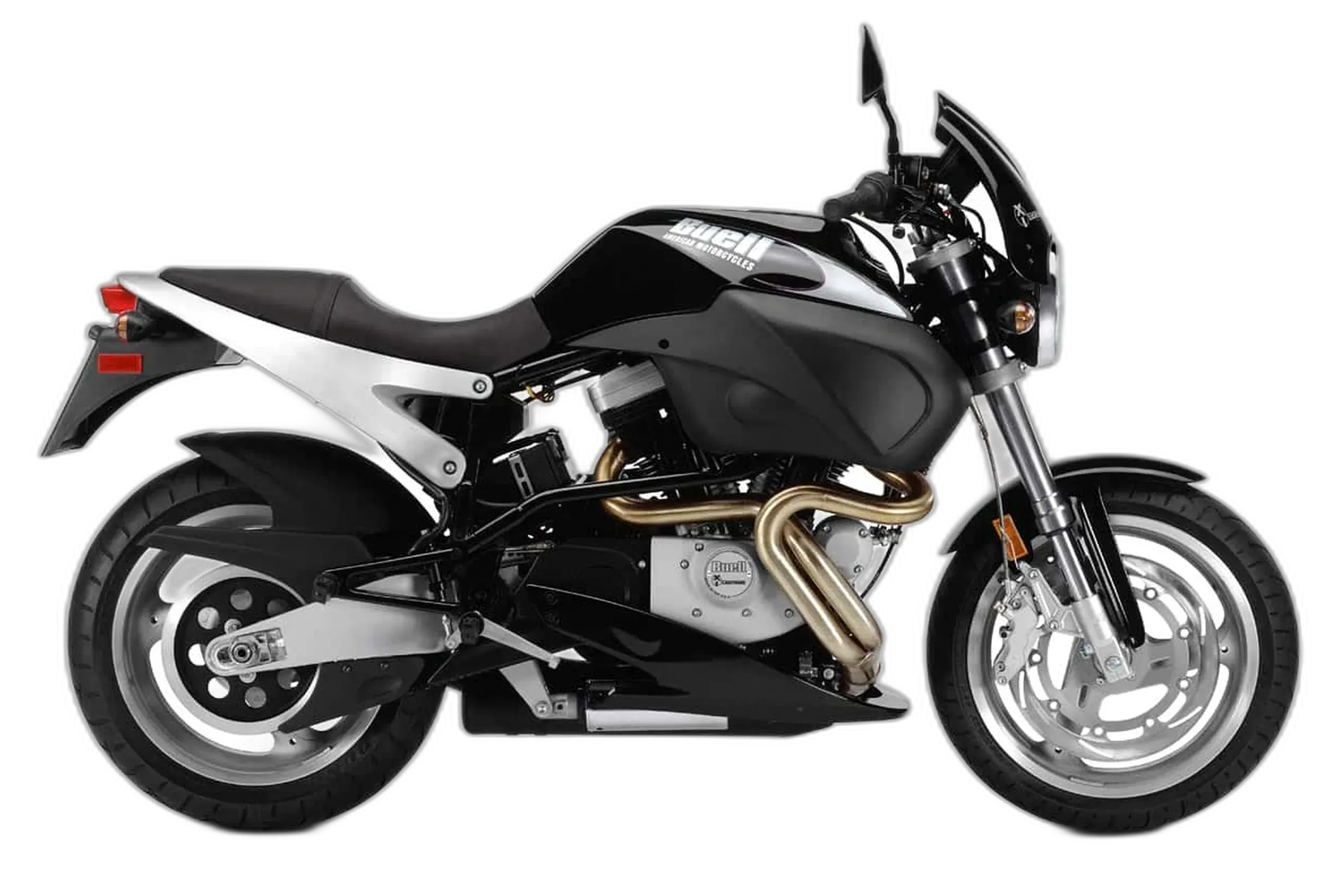

Buell X1 Lightning (MY1999) — Naked Bike
Buell Press

1999–2002 · Naked Bike · Buyer's Guide

X1 Lightning (MY1999)

3.5 / 5 NastyNils Rating · against its class

American Torque, Razor Chassis

The Machine's Character

Buell built the X1 around a 1203 cc air-cooled 45° V-twin, fuel injected, tuned for 87 hp at 6,300 rpm and 77 lb-ft. The interesting part is everything wrapped around it: a stiff steel trellis frame, a 55.0 in (1,397 mm) wheelbase that is short for a big twin, adjustable suspension at both ends, belt final drive, and a rear shock slung underneath the engine where nobody else would think to put it. Add a huge exhaust and no bodywork to hide behind. In a class that mostly chases peak numbers, this one sells its identity instead, and it does that better than almost anything of its era.

It rewards an owner who is hands-on. Parts and tuning support run deep, so a sorted example can be made genuinely better than stock, while a neglected one will tell you about it through cracked engine isolators and hardware that works its way loose. There is no ABS and no traction control here, so the rider is the safety system. Buy it if you want a motorcycle with a personality you can describe to someone who has never ridden one. Skip it if you want appliance ownership and service intervals you can quietly ignore.

Hard Numbers

Spec sheets don't ride bikes, but they set the baseline.

Show full specs & equipment Hide specs & equipment
Key specifications
Power 87 hp (65 kW) @ 6,300 rpm
Torque 77 lb-ft (104 Nm)
Displacement 1203 cc
Engine 45° V-twin
Cooling Air-cooled
Gearbox 5-speed
Final drive Belt
Fork Upside-down (USD)
Front brake 340 mm
Front tire 120/70-17
Rear tire 170/60-17
Wheelbase 55.0 in (1397 mm)
Seat height 29.5 in (749 mm)
Wet weight 487 lb (221 kg)
Fuel capacity 4.3 gal (16.3 L)
Top speed 135 mph (217 km/h)
Fuel economy 33 mpg (US)

Equipment check

Chassis

  • Front Suspension Adjustable Standard
  • Rear Suspension Adjustable Standard

The Voice of Experience

Portrait of NastyNils

The test ride

It idles like a piece of machinery rather than an appliance. The twin shakes the mirrors, the bars pulse, and the exhaust note comes out low and hollow with a hard edge to it when you crack the throttle. Swing a leg over and the 29.5 in (749 mm) seat puts you upright behind wide bars, with the 487 lb (221 kg) sitting low and close to you. Once you are rolling, the shaking settles into a steady hum that arrives through the pegs and the tank more than through your palms. There is no fairing, so from around 50 mph the wind starts pressing on your chest and every extra mile per hour registers somewhere in your body. The 135 mph (217 km/h) top speed is a number on paper. This bike does its best work at half that, on a road worth looking at.

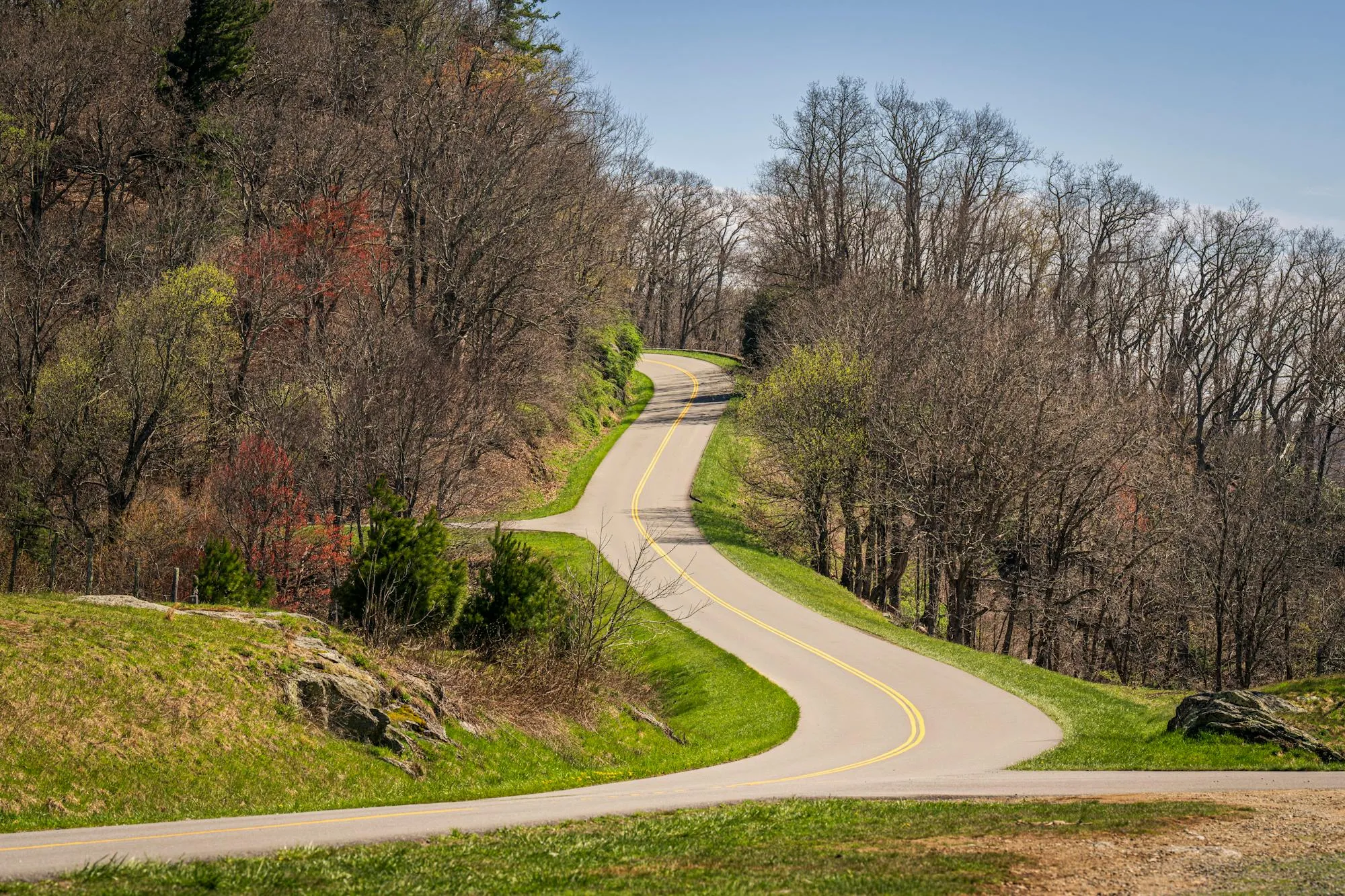
A winding asphalt road descending through the Appalachian Mountains, likely the famous Tail of the Dragon section in Tennessee and North Carolina. Multiple technical right-hand and left-hand curves are visible in this aerial perspective, surrounded by deciduous forest in spring foliage. Clear sunny conditions, well-maintained asphalt with yellow center lines marking the curves.
Mark Stebnicki / Pexels

The Truth on the Street

Years of paddock talk, club nights, parking lot conversations, and the mail riders send me directly have built a fairly clear picture of this one. Owners are rarely lukewarm about it. The praise lands on how it rides and how it looks, the complaints almost entirely on how it was built.

The Chassis Riders Learned To Trust

The pull from just off idle is the first thing most owners raise. Right behind it comes the chassis, which riders describe as agile and steady enough to lean on through corners, a clear step past what earlier Buells gave them. The industrial look earns its own share of talk, and owners report getting stopped and asked about the bike.

Where The Complaints Cluster

The firm suspension comes up as often as the torque. On broken pavement riders describe every bump arriving intact, and the bike can feel unsettled under hard braking. Build quality is the other steady theme, with oil leaks and electrical gremlins turning up across enough owner stories to read as a pattern. The gearbox draws regular criticism for feeling clunky and dated against the Japanese competition of its day. Fewer owners, though not none, mention fuel injection that stumbles at low rpm, an unprotected battery under the seat, and switchgear that looks cheap for the money.

Known issues

  • Fuel tank vent valve may plug causing fire or stall

    fuel system rare Recall

    A defective vent valve can cause the fuel tank to overflow or prevent fuel flow, leading to stalling or a fire hazard.

  • Fuel tank may separate in a crash

    fuel system rare Recall

    The fuel tank mounting system is weak and can allow the tank to detach during a collision, increasing fire risk.

  • Front isolator deterioration

    chassis occasional

    The front rubber engine mount (isolator) can crack and cause excessive vibration and misalignment.

  • Fuel injection detonation under hot conditions

    fuel system occasional

    When the engine gets very hot, the fuel injection can cause detonation under heavy load, potentially damaging the engine.

  • Oil pump drive gear failure

    engine occasional

    The oil pump drive gear can wear prematurely, potentially leading to oil pressure loss and engine damage.

  • Front brake rotor warping

    brakes occasional

    The front disc can warp, leading to pulsing and vibration during braking.

  • Loose header nuts

    exhaust occasional

    Exhaust header nuts tend to loosen over time, causing a ticking noise and potential leaks.

  • Primary chain adjuster shoe wear

    drivetrain occasional

    The primary chain tensioner shoe can wear rapidly, causing noise and chain slack.

  • Ignition switch failure in instrument cluster

    electrics occasional

    The ignition switch integrated into the dash can fail after about 30,000 miles, causing intermittent starting issues.

  • Crank/primary case seal leak

    engine occasional

    The seal between the crankcase and primary drive can weep oil, requiring replacement.

The Expert Benchmark

Where this Buell X1 Lightning pulls ahead of — or falls behind — its rivals on the numbers, and the typical bike in its class on character.

What kind of bike this is — character vs. the class

This bike Class average

The shape of the Buell X1 Lightning — numbers and character vs. the average Naked Bike

Head-to-head: Buell X1 Lightning vs. its rivals

The 'Should I Buy It?' Score

Forget spec-sheet bragging. Here's who the X1 Lightning is actually built for.

A scenic view of Angeles Crest Highway winding through rugged Southern California canyon terrain. Rocky mountainsides with golden earth tones frame the asphalt road with tight sweeping curves. Double yellow center line visible, sparse vegetation along the shoulders, clear blue sky with white clouds. Daylight, dry conditions. Iconic location for canyon-road enthusiasts.
Josh Sorenson / Pexels

Best motorcycle for Angeles Crest?

Angeles Crest suits this bike. The torque drives you out of slow corners and there is lean angle in reserve, but with no ABS or traction control you are the one managing grip on a cold descent.

Made for Angeles Crest Highway · Coronado Trail / US 191 · Highway 1 / Big Sur
Best motorcycle for Texas Hill Country?

Hill Country pace is exactly this bike's pace: big twin, open road, nothing between you and the wind. The 4.3 gal (16.3 L) tank and 33 mpg mean more stops than your friends, which out there is half the fun.

Made for Austin / Texas Hill Country · Twisted Sisters · Austin / Handbuilt Motorcycle Show

Best motorcycle for Tail of the Dragon?

In the Dragon's tight stuff the short wheelbase and light steering work for you, and the front end tells you what it is doing. Good skill-building machine if you accept period brakes and zero rider aids.

Made for Back of the Dragon · Blue Ridge Parkway · Cherohala Skyway

What's new versus the previous generation

If you're cross-shopping the older generation, here's what changed.

Buell S1 Lightning (MY1996)

Previous generation · 1996–1998

Buell S1 Lightning (MY1996)

American Torque, No Apologies

Compare to the previous model →

Alternatives to the Buell X1 Lightning

If this one isn't quite the fit, these are the bikes worth riding back-to-back against it.