
·

BMW F 900 R (K83) — Naked Bike
NastyNils / BMW press archive

2020–2025 · Naked Bike · Buyer's Guide

F 900 R (K83)

Competence Without The Spark

The Machine's Character

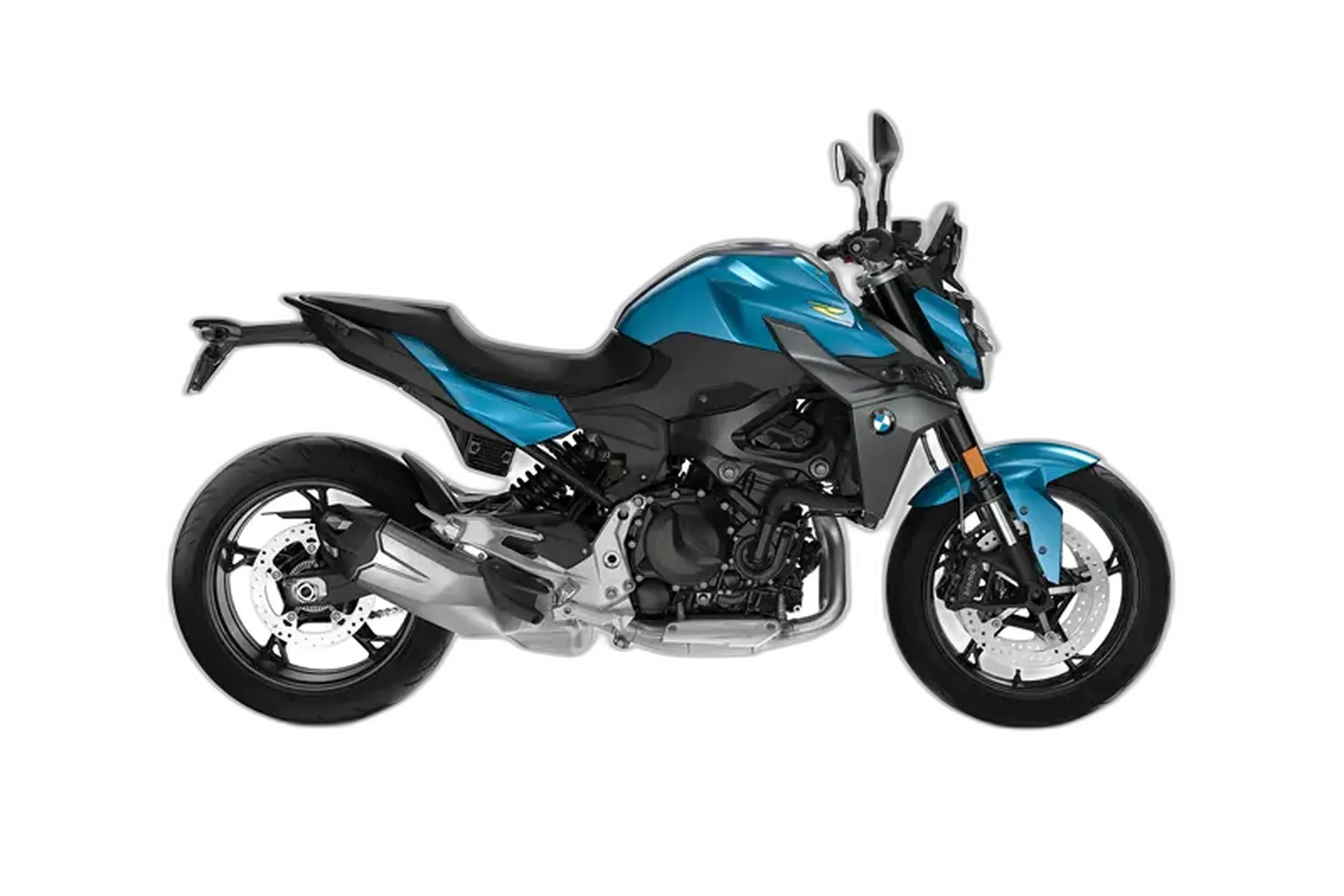
The F 900 R runs an 895 cc parallel twin with a 270-degree offset crank, and that firing order gives it a low, twin-cylinder growl and a torque curve that fills in early. You get 105 hp at 8,500 rpm and 68 lb-ft at 6,500 rpm, with the pull concentrated across a broad midrange rather than a top-end rush. Underneath sits a composed chassis on an upside-down fork, backed by standard ABS, traction control, and ride modes, with BMW's Headlight Pro adaptive cornering LED on the options list. This is BMW's controlled-competence recipe scaled to a middleweight naked: clean, complete, built to feel organized at any pace.

On the road it feels light and immediately familiar. It turns in quickly, holds a line without argument, and asks nothing of you before you settle in. The suspension leans firm but stays composed over broken pavement, and the digital dash and connectivity are genuinely production-grade. Who it suits: riders who want one bike that commutes, carves a weekend loop, and never intimidates. The honest caveat is personality. This engine moves you along cleanly but rarely reaches out and grabs you, and a rider chasing drama will feel that absence. If you value trust over theater, it delivers.

Hard Numbers

Spec sheets don't ride bikes, but they set the baseline.

Show full specs & equipment Hide specs & equipment
Key specifications
Power 105 hp (77 kW) @ 8,500 rpm
Torque 68 lb-ft (92 Nm) @ 6,500 rpm
Displacement 895 cc
Engine Parallel twin
Cooling Liquid-cooled
Gearbox 6-speed
Final drive Chain
Fork Upside-down (USD)
Front tire 120/70 ZR 17
Rear tire 180/55 ZR 17
Wheelbase 59.8 in (1518 mm)
Seat height 32.1 in (815 mm)
Wet weight 465 lb (211 kg)
Fuel capacity 3.4 gal (13 L)
Fuel economy 37 mpg (US)

Equipment check

Chassis

  • Rear Suspension Adjustable Standard

Connectivity

  • TFT Display Standard
  • Smartphone Connectivity Standard

Drivetrain

  • Quickshifter Optional
  • Slipper Clutch Standard

Lighting

  • LED Headlight Standard

Safety

  • ABS Standard
  • Traction Control Standard
  • Ride Modes Standard

Signature Tech

The named systems that set this bike apart — and what each one does for you.

Lighting

  • BMW Headlight Pro (Adaptive Cornering LED)Optional
    • Cornering light visibility

The Voice of Experience

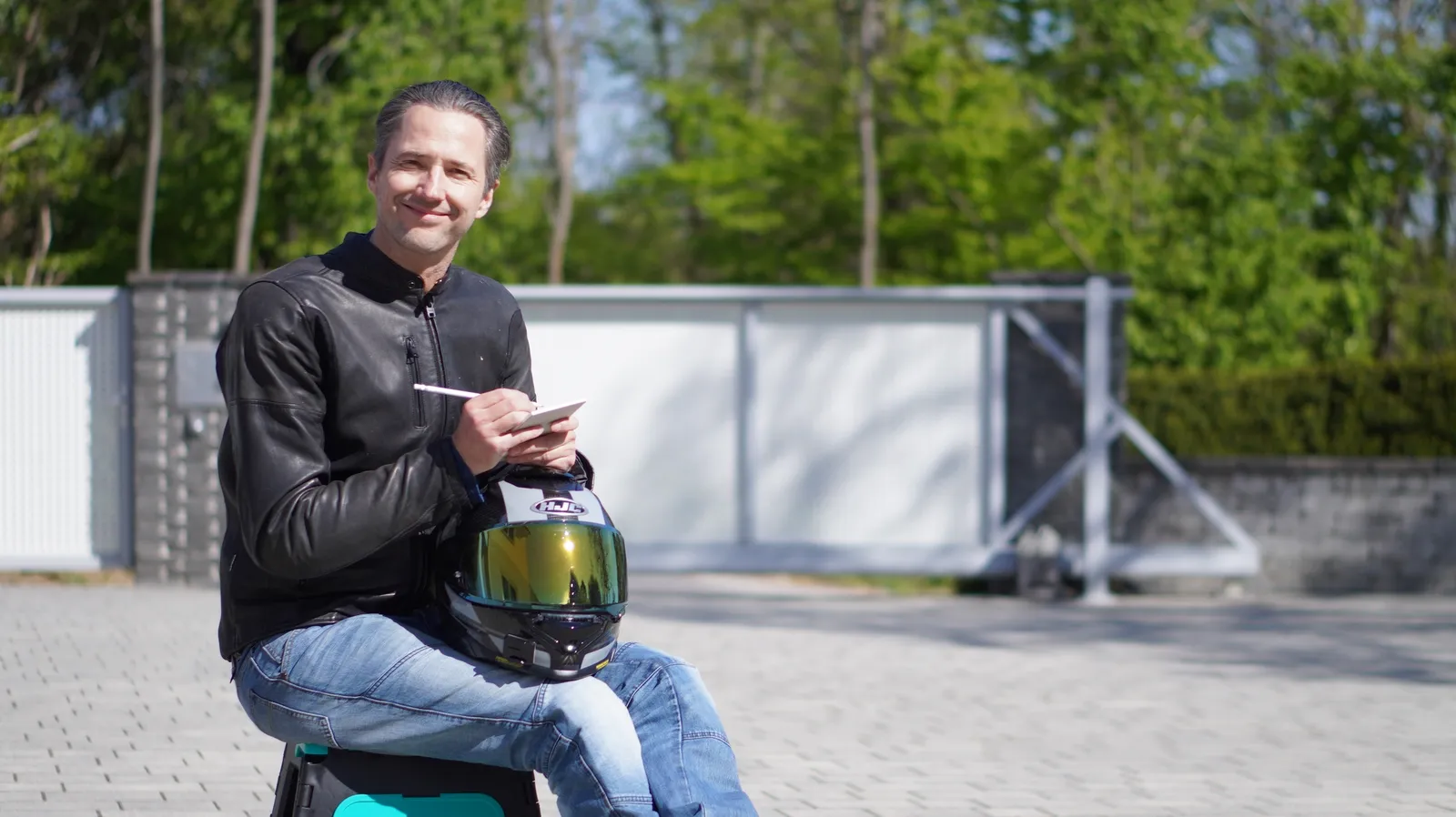
Portrait of NastyNils

The test ride

Swing a leg over and it fits right away. The 32.1-inch seat puts you in a natural, upright spot, the bars and pegs land where your hands and feet expect them, and there's no learning period before you're comfortable leaning on it. At a real road pace the chassis stays planted and the firm setup makes itself felt underneath you without ever turning harsh. What you notice over a longer stint is texture: a buzz that comes through the bars and the TFT screen at certain rpm, some audible mechanical noise from the engine block, and a stock seat that goes flat and hard after about an hour in the saddle. The screen itself stays crisp and easy to read even when you're moving quickly.

Rated point by point — where it earns its keep

My own 0–100 score for this bike against the class, area by area — the marker on each bar is the class average.

Lean it into a bend and it responds with genuine appetite, tipping onto its side fast and then holding your chosen line steady while you build pace. There's real willingness in how it changes direction, yet I never had to correct or wrestle it back on course. That mix is rarer than it sounds: lively enough to keep you switched on, settled enough that you're never actively managing it. Out on a good road it came across as both keen and completely dependable.

This is the quality that finally defines the bike. Its competence runs close to total; in all my time aboard I never once put my finger on a real weakness. And that completeness is exactly the edge of its character. It has no signature, no moment that reaches out mid-ride and takes hold of you, no reason to keep riding once you've arrived. Plenty of people will never miss it. The riders who ride for feel will clock it at once, and won't talk themselves out of it.

The motor is where this bike's restraint shows most openly. It's smooth and it never once caught me out, yet it also never lit anything up. Rival motors in this segment summon a low, insistent kick that makes the drive off a corner feel like an occasion; this one just gathers itself and rolls you down the road. Nothing about it is faulty. It's simply very easy to stop thinking about, and a rider who wants the engine itself to be the event will feel that gap clearly.

This is the one spot where the polish slips. Across the trio I tested, no two shifted alike. One was clean and accurate through the gears; the pair behind it notched into certain ratios with a graunchy, hardware-level roughness that felt purely mechanical, nothing an electronic aid could disguise. Add the clatter you can hear coming off the engine block, and a bike that otherwise presents as premium hands a bit of that reputation back. On any individual example I'd work the lever through every gear before I put money down.

What I keep coming back to is trust: this bike never made me earn my comfort. I swung aboard and got straight to riding with nothing to set up first, the seat height and control reach both sitting where I'd have picked them myself. The suspension runs firmer than the class average, and that calibration is honest. It holds together over rough tarmac, keeps the chassis in line under load, and still let me climb off after a full day without an ache.

Two things make this bike genuinely easy to live with. The dash reads cleanly at any pace, organized with a logic you never have to puzzle over, and the phone connection behaves like a deliberate, polished feature rather than a box someone ticked. Its bigger strength, though, is breadth. I ran it as a weekday commuter, pointed it at a Sunday road, and handed it to a friend a few years off bikes, and it took on each role without feeling compromised in any direction.

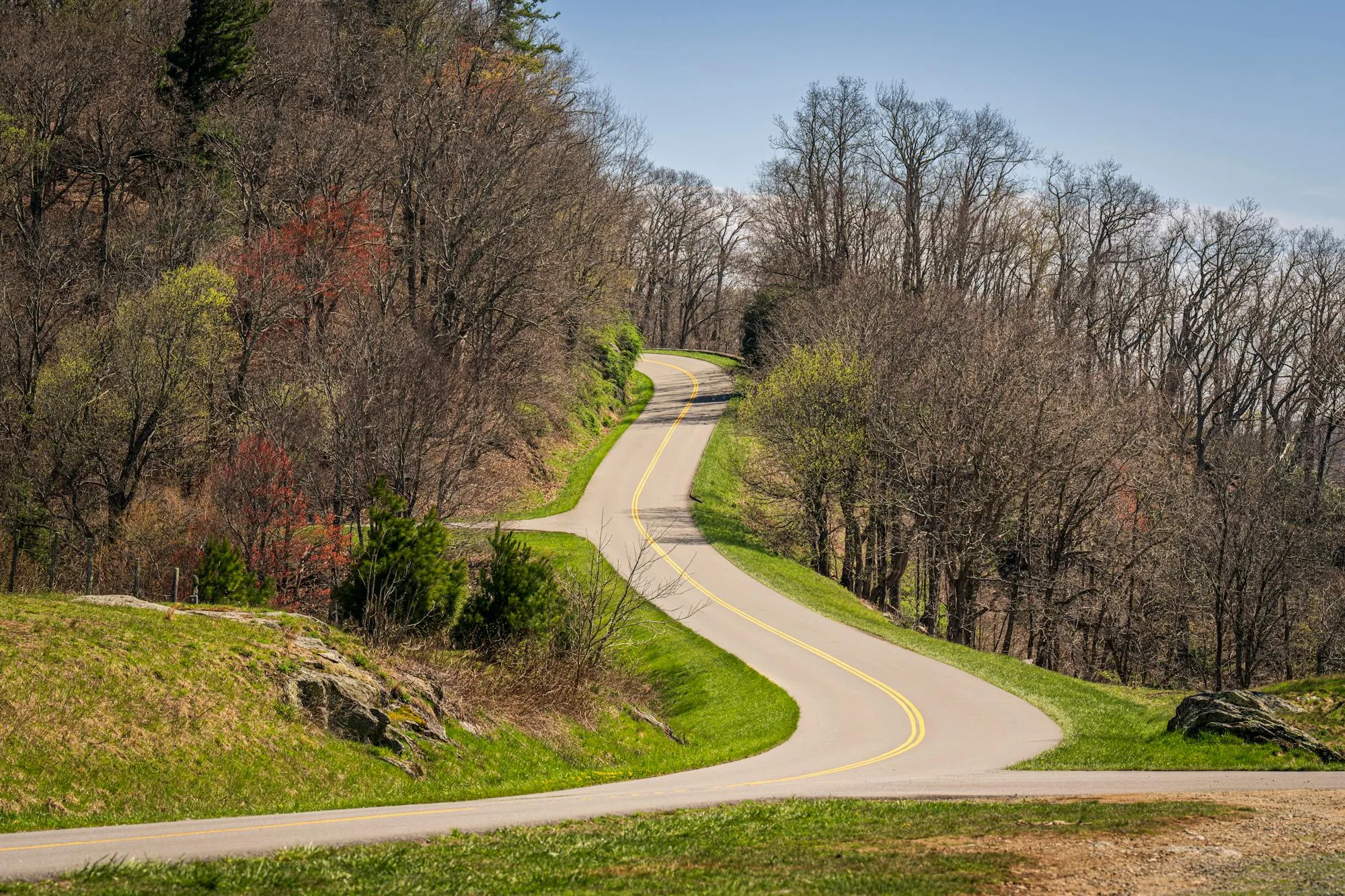
A winding asphalt road descending through the Appalachian Mountains, likely the famous Tail of the Dragon section in Tennessee and North Carolina. Multiple technical right-hand and left-hand curves are visible in this aerial perspective, surrounded by deciduous forest in spring foliage. Clear sunny conditions, well-maintained asphalt with yellow center lines marking the curves.
Mark Stebnicki / Pexels

The Truth on the Street

This section gathers what riders have told me over the years: the notes people leave, the long back-and-forths with owners, the conversations that happen in the paddock, and the messages that land straight in my inbox. Sift all of it and the F 900 R settles into a steady shape. The praise concentrates on how it stops and how it lasts, while the recurring gripes circle back to comfort and character.

What owners rate highest

The brakes lead the good news. Riders keep returning to the front stopper, calling it powerful and confidence-inspiring, with grip on tap the instant they lean on the lever. Longevity earns nearly as much credit; owner sentiment on reliability runs high, and it's common to hear of examples piling on the miles with no real drama. The catalog of factory seat-height choices gets steady mention too, letting riders at both ends of the height range settle into something that suits them. And the equipment that ships as standard draws approval, with the color display, electronic rider aids, full LED lighting, the ride modes, and the slipper clutch all read as generous for the base price.

The engine splits opinion

Opinion divides most sharply over the motor. In its favor, riders describe a thick band of mid-range grunt that stays genuinely useful in everyday riding, plus a twin-cylinder personality whose tone and pulse land closer to a V-twin than to the inline fours it lines up against. The counterweight comes up just as regularly. A good share of owners find it capable but low on thrill next to the triple-cylinder crowd, a few going as far as calling it easy to forget. The stock Road setting takes fire for a jumpy on-off throttle that makes holding a light, steady cruise fiddly, though several report that switching to Rain softens the transition. A fair number also notice a buzz working into the bars and mirrors within certain rev windows.

The gripes that keep surfacing

The rest of the complaints cluster around the chassis and daily use. Riders who like to dial in their own suspension flag the original front fork for offering nothing to adjust. Several also sense the bike carrying more weight than the triples it gets shopped against, asking a touch more muscle when they flick it from side to side. The side stand is a steady sore point, sitting short enough that the bike leans well over on soft or off-camber ground and proves awkward to lever upright from the seat, which sends many owners hunting for an extension. The companion app rounds things out, with pairing that drops, navigation and audio that stutter, and the odd battery drain when the connection is left open. Loudest of all is the stock seat: nearly everyone who logs long miles finds it too firm and too flat to stay comfortable.

Known issues

  • Brake light flashes instead of remaining steady during emergency braking

    electricsoccasionalRecall

    On affected MY2020 units, the emergency stop signal function caused the brake light to flash rather than hold steady during hard braking — a non-compliance with FMVSS 108 that can confuse following drivers and increase rear-end collision risk. Resolved via dealer ECU reprogramming. Also affected several other 2019–2020 BMW models (S 1000 R, S 1000 RR, F 750/850 GS, K 1600 B, F 900 XR) under the same campaign.

  • OE seat uncomfortable beyond approximately one hour of riding

    bodyworkvery common

    The OE seat is widely described as too hard and too flat after roughly an hour of riding, with "ironing board" comparisons recurring frequently. Wunderlich and other accessory makers offer dedicated comfort seats specifically for this complaint. Aftermarket comfort seats reportedly resolve the issue.

  • Engine starts then stalls; unstable idle when cold

    engineoccasional

    On 2020/2021 production units, the engine starts but immediately stalls — often requiring three to four attempts. Once running, throttle input is needed for approx. 20 seconds to keep idle stable. Most pronounced after 24+ hours of standing, especially below approx. 68 °F (20 °C) ambient. Some owners also report sensitivity to fuel octane (95 vs. 98 RON). Resolved via BMW dealer software update; later production units do not exhibit the issue.

  • OE side stand unusually short — bike leans excessively when parked

    chassisoccasional

    The OE side stand is unusually short. On uneven, soft, or cambered surfaces the bike leans far over and is reportedly difficult to right from the saddle. Aftermarket side-stand extensions are a documented common fix. This is a build-spec characteristic rather than a wear failure.

  • Noticeable vibration through bars and instrument cluster at certain RPM windows

    enginecommon

    Despite the 270° offset crank and dual counterbalancers, the parallel twin transmits vibration to the bars and mirrors at specific RPM windows. Owners report the TFT instrument cluster shaking visibly at approx. 50 mph (80 km/h) in 6th gear. Vibration reportedly calms between 5,000–6,000 rpm. Aftermarket bar risers and heavier OEM bar-end weights (R 1200 R weights) reduce the issue meaningfully — i.e., it is a cumulative damping characteristic rather than a component defect.

  • Abrupt on-off throttle transition; lurching at light throttle openings

    enginecommon

    On-off throttle response feels uneven; holding a steady speed at low throttle openings (around 50 km/h / 30 mph in 6th gear) is harder than expected — owners describe a "pulsing" or "lurching" feeling. Switching to Rain mode partially smooths the response. Widely attributed to Euro 5 mapping running the engine relatively lean at light load. Some owners also report exhaust popping on a closed throttle, consistent with a lean transition. Affects standard road-mode mapping and is a character trait of the Euro 5 calibration rather than a component failure.

  • Optional Gear Shift Assist Pro fails intermittently

    drivetrainoccasional

    Up- or down-shift via the quickshifter occasionally fails to complete: ignition cut fires but the gear does not engage (deceleration jolt on upshifts), or the throttle blip fires without a corresponding downshift (sudden surge). Some owners report the system progressively degrades and eventually stops working entirely. This is a commonly reported issue among owners. Dealer adjustment or component replacement typically resolves it; recurrence is reported.

  • BMW Motorrad Connected app pairing failures and dropouts

    electricsoccasional

    Bluetooth pairing failures with the BMW Motorrad Connected app, dropouts during navigation, media, and call handling, and reports of the app keeping the connection alive long enough to drain the bike's battery if left unattended. The issue is generic across recent BMW Motorrad TFT-equipped models but is documented specifically on the F 900 R.

The Expert Benchmark

Where this BMW F 900 R pulls ahead of — or falls behind — its rivals on the numbers, and the typical bike in its class on character.

What kind of bike this is — character vs. the class

This bike Class average

The shape of the BMW F 900 R — numbers and character vs. the average Naked Bike

Head-to-head: BMW F 900 R vs. its rivals

The 'Should I Buy It?' Score

Forget spec-sheet bragging. Here's who the F 900 R is actually built for.

A scenic view of Angeles Crest Highway winding through rugged Southern California canyon terrain. Rocky mountainsides with golden earth tones frame the asphalt road with tight sweeping curves. Double yellow center line visible, sparse vegetation along the shoulders, clear blue sky with white clouds. Daylight, dry conditions. Iconic location for canyon-road enthusiasts.
Josh Sorenson / Pexels

Best motorcycle for Angeles Crest?

For canyon days it turns in light, holds its line, and carries the lean clearance to keep pace. Just know the engine plays it safe: composed and quick, never the thing that lights you up.

Made for Angeles Crest Highway · Coronado Trail / US 191 · Highway 1 / Big Sur
Best motorcycle for Tail of the Dragon?

On tight, technical roads its light, unflappable handling is a real asset, letting you focus on line and technique. The firm chassis stays composed when you lean on it, even if the motor never adds much drama.

Made for Back of the Dragon · Blue Ridge Parkway · Cherohala Skyway

Best motorcycle for Laguna Seca?

Straight talk: this is a composed street naked, not a hard-edged performance tool. It builds skill and confidence at real road pace, but the low-drama engine and non-adjustable fork cap how far you'll push it.

Made for Barber Motorsports Park · WeatherTech Raceway Laguna Seca · Circuit of the Americas