
Aprilia Mana 850 (MY2010-GT) — Naked Bike
Aprilia Press

2010–2011 · Naked Bike · A variant of the Mana 850

Mana 850 GT (MY2010-GT)

Differences between the standard Mana 850 and the GT

3.5 / 5 NastyNils Rating · against its class

Twist-and-Go Touring Done Right

The Machine's Character

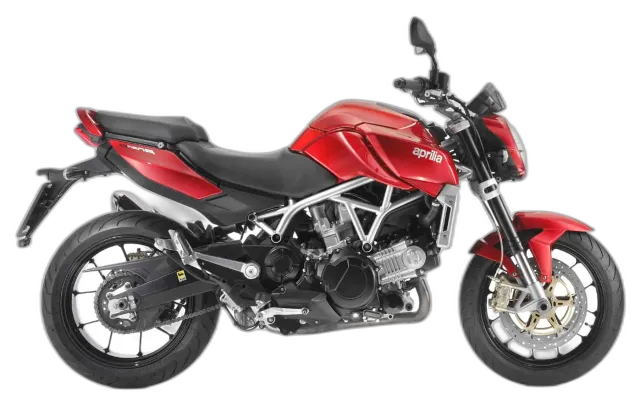
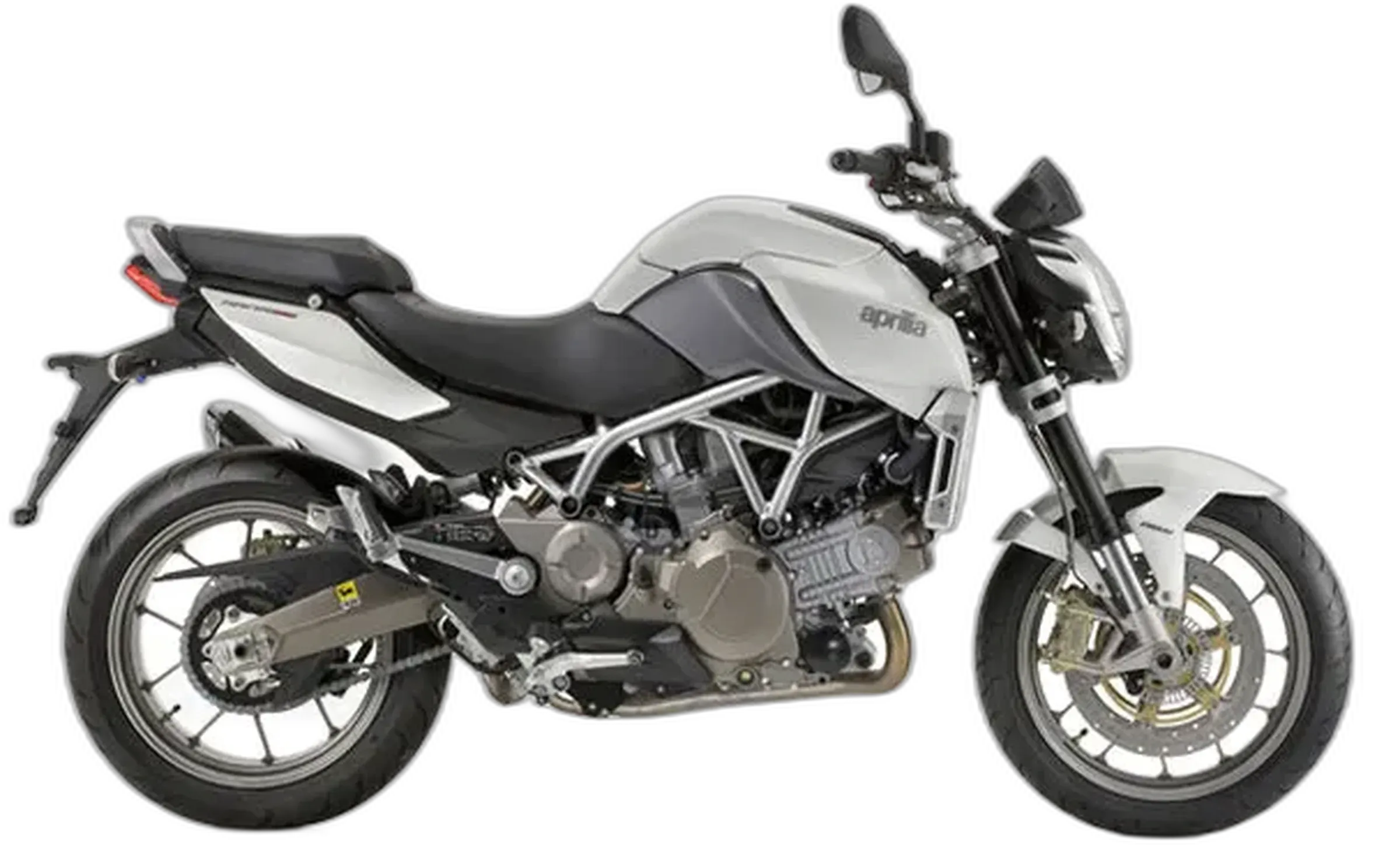
The Mana 850 GT is the odd one out in the Aprilia lineup: an 850 cc, liquid-cooled 90° V-twin paired with a fully automatic CVT. You can leave it to shift for itself or take over through a seven-speed sequential mode, using handlebar paddles or the foot lever. Output is 76 hp and 57 lb-ft, carried in a steel trellis frame with an upside-down fork and a 320 mm front brake. This GT trim builds on the standard Mana 850 by adding ABS. Ride modes, a half-fairing and a storage compartment that takes a full-face helmet round out the package. Unusual hardware!

On paper, this is a bike built to take the workload off you: no clutch lever to manage in traffic, a 31.5 in (800 mm) seat, and a half-fairing for the highway stretch. The fork takes no adjustment. The 17-inch wheels with 120/70 and 180/55 tires and the trellis frame point to a proper road chassis underneath the convenience. That adds up to a weekday commuter that can handle a weekend on back roads. It suits you if you're moving up to a bigger bike, or you simply don't care to shift. Easy does it.

Hard Numbers

Spec sheets don't ride bikes, but they set the baseline.

Show full specs & equipment Hide specs & equipment
Key specifications
Power 76 hp (56 kW)
Torque 57 lb-ft (77 Nm)
Displacement 850 cc
Engine 90° V-twin
Cooling Liquid-cooled
Gearbox 7-speed
Final drive Chain
Fork Upside-down (USD)
Front brake 320 mm
Front tire 120/70-17
Rear tire 180/55-17
Seat height 31.5 in (800 mm)
Fuel capacity 4.2 gal (16 L)
Top speed 125 mph (201 km/h)
Fuel economy 37 mpg (US)

Equipment check

Chassis

  • Rear Suspension Adjustable Standard

Safety

  • ABS Standard
  • Ride Modes Standard

What the Mana 850 GT Adds — Differences vs the Standard Mana 850

The Mana 850 GT (MY2010-GT) builds on the standard Mana 850: the upgraded hardware, the key spec changes and where its character shifts. The full ride, specs, scoring and verdict are all right here on this page.

Equipment the GT adds vs the standard Mana 850

Now standard
ABS
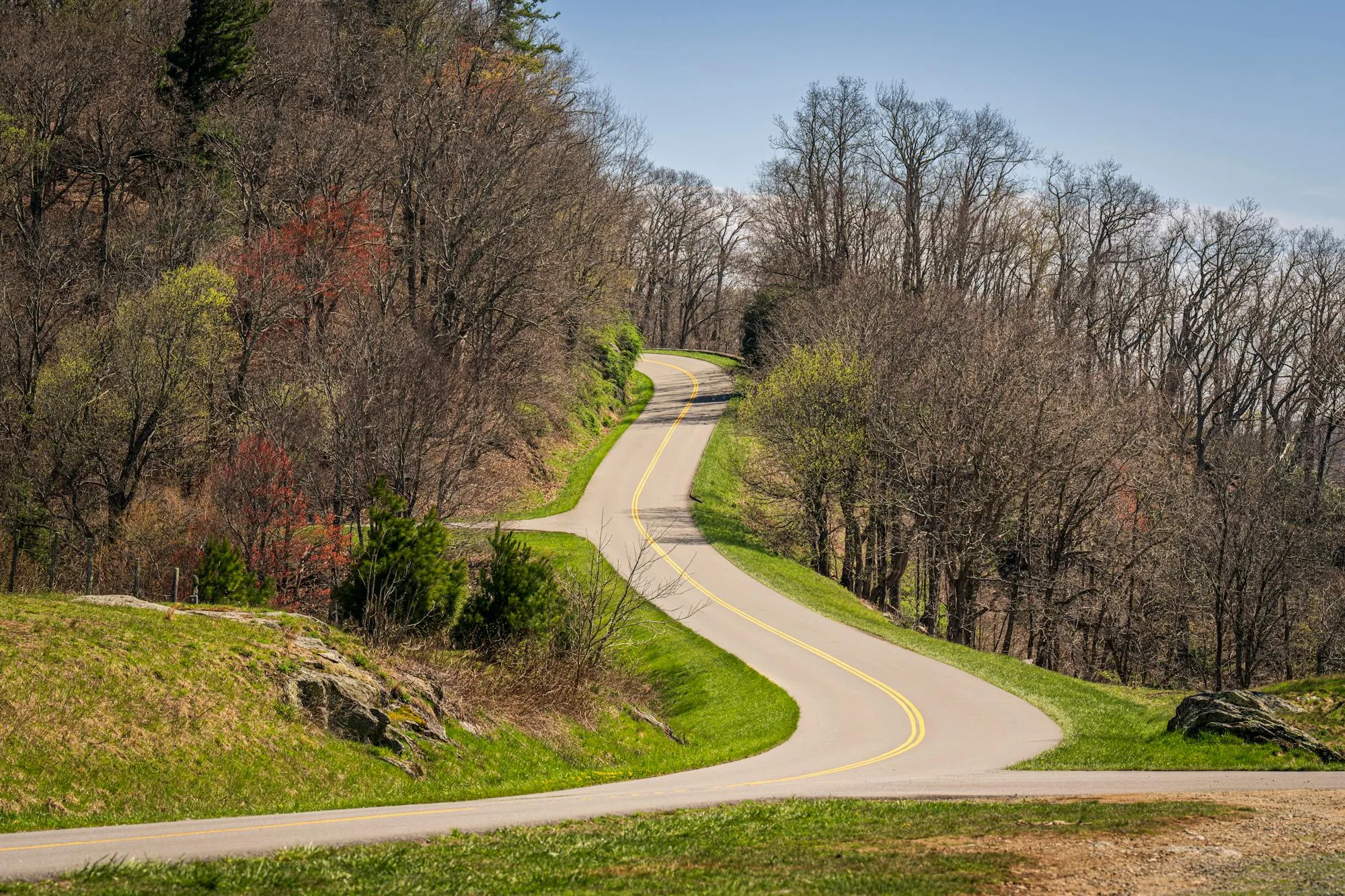
A winding asphalt road descending through the Appalachian Mountains, likely the famous Tail of the Dragon section in Tennessee and North Carolina. Multiple technical right-hand and left-hand curves are visible in this aerial perspective, surrounded by deciduous forest in spring foliage. Clear sunny conditions, well-maintained asphalt with yellow center lines marking the curves.
Mark Stebnicki / Pexels

The Truth on the Street

I've spent years listening to what riders tell me about their bikes: in the paddock, at club nights, in owner chats and in the messages that land in my inbox. For the Mana 850 GT, the pattern is consistent. Owners praise the transmission, the chassis and the comfort, and they're split on how much emotion comes with the package.

An automatic that wins riders over

The most repeated praise goes to the CVT. Riders describe seamless twist-and-go running in city traffic, and they like that they can take over the shifting themselves when the road opens up. That mix gets called a fit for commuting and for spirited riding alike. The chassis draws nearly as much approval: owners report agile, stable cornering that inspires confidence, with a sporty edge they didn't expect from a commuter. The brakes are described as strong and progressive. It stops hard!

Comfortable for hours, noisy up top

Riders consistently report that the upright seating, wide handlebar and roomy footpeg position work in town and over long distances. The storage space sitting where you'd expect the fuel tank comes up again and again as a practical touch you don't find elsewhere. Wind protection divides opinion: some owners call it decent, while a recurring complaint is turbulent airflow that brings noise and buffeting. Taller riders notice it most.

Where the excitement runs short

The gripes are just as steady. Riders call the V-twin's power adequate and the performance brisk, but they miss a top-end rush and find it less exciting than sportier middleweights. Purists add that the automatic, user-friendly as it is, detaches you from the traditional motorcycling experience. On running costs, owners flag an expensive major service for the belt-driven CVT at 18,000 miles (about 29,000 km). That bill gets mentioned often.

Known issues

  • CVT shifting problems

    drivetrain occasional

    Some owners report the CVT failing to shift after pulling away, accompanied by loss of mode display and gear indicator. Attempts to reset via ignition cycle or battery disconnect may temporarily resolve, but permanent fix may require dealer diagnosis and parts replacement (e.g., variator bushings).

  • Electrical connector corrosion from moisture

    electrics occasional

    When used in wet conditions without adequate protection, electrical connections can corrode, leading to false ECU fault codes and potentially expensive repairs. Regular application of water-displacing spray to connectors is recommended.

  • Rare main bearing failure

    engine rare

    A few owners have reported main bearing failure on one cylinder at around 25,000 mi (40,000 km), though it appears to be an uncommon defect.

The Expert Benchmark

Where this Aprilia Mana 850 pulls ahead of — or falls behind — its rivals on the numbers, and the typical bike in its class on character.

What kind of bike this is — character vs. the class

This bike Class average

The shape of the Aprilia Mana 850 — numbers and character vs. the average Naked Bike

Head-to-head: Aprilia Mana 850 vs. its rivals

The 'Should I Buy It?' Score

Forget spec-sheet bragging. Here's who the Mana 850 is actually built for.

A scenic view of Angeles Crest Highway winding through rugged Southern California canyon terrain. Rocky mountainsides with golden earth tones frame the asphalt road with tight sweeping curves. Double yellow center line visible, sparse vegetation along the shoulders, clear blue sky with white clouds. Daylight, dry conditions. Iconic location for canyon-road enthusiasts.
Josh Sorenson / Pexels

Best motorcycle for Tail of the Dragon?

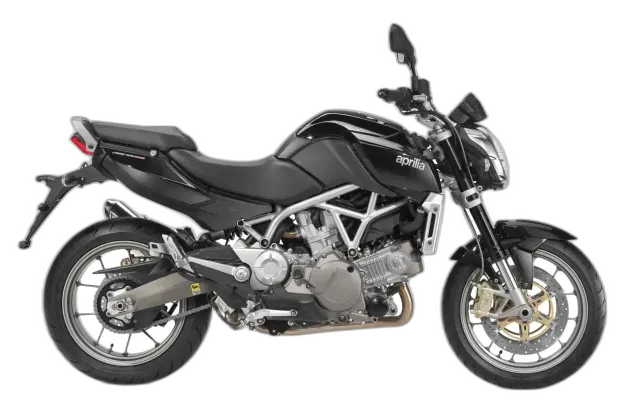
Of the three riders here, you're the closest fit. With the automatic handling the shifting, you can put all your attention on lines and braking points. Just know this is 76 hp, built for flow over fireworks.

Made for Tail of the Dragon · Back of the Dragon · Blue Ridge Parkway
Best motorcycle for Texas Hill Country?

A fair match, not a perfect one. The half-fairing, ABS and automatic make easy work of a relaxed weekend loop, but with 76 hp and a 4.2 gal (16 L) tank, it leans practical more than sporty.

Made for Austin / Texas Hill Country · Texas Hill Country BDR-X · Twisted Sisters

Best motorcycle for Bay Area?

A solid match if your week is city traffic and your weekend is a ridge road. The twist-and-go V-twin and helmet-size storage suit that mix. It's clever tech, though of the mechanical kind.

Made for Bay Area Ridge Roads · San Francisco / Bay Area · Skyline Boulevard / Alice's Restaurant

What's new versus the previous generation

If you're cross-shopping the older generation, here's what changed.

Aprilia Mana 850 (MY2008)

Previous generation · 2008–2009

Aprilia Mana 850 (MY2008)

Automatic Gearbox, Real Motorcycle

Compare to the previous model →